

The Booze Real Cowboys Used To Throw Back In The Old West
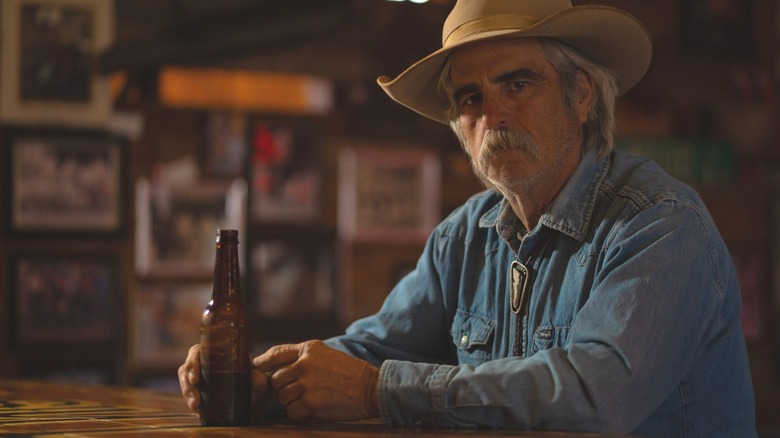
The cowboys of the American West were and remain paragons of independence, but that liberty came at a price. In the 19th century, the arduous nature of life west of the Rockies took its toll on the folks who chose to exist there. They had booze to alleviate some of the stress inherent to the cowboy lifestyle, but the saloons weren't slinging the same frilly cocktails with floral ice featured at some watering holes today.
In the 1850s, beer dominated the scene in the West. It was typically brewed locally in small batches, but bartenders serving thirsty cowboys also imported plenty of suds to go around. Those who didn't imbibe — known in the Old West as teetotalers — had an abundance of their favorite old-school soft drink in the form of sarsaparilla, but the true saloon dogs were knocking back cold ones. Or, more appropriately, warm ones.
Occasionally, beer was chilled in cellars filled with ice blocks cut from frozen rivers in the winter. But refrigeration was uncommon in the West before the 1870s, so beer was more often served at room temperature. It was generally drunk from a glass because bottling was also rare at the time.
When something stronger was called for, one might assume cowboys would reach for a bottle of Kentucky's finest bourbon, but bourbon had yet to gain the following it enjoys today. If whiskey was the goal, they would typically mosey up to a bartender and request rye. Of course, ordering a whiskey required putting a certain amount of trust in the barkeep, as some employed shady tactics to stretch out their supply of hooch.
Dubious whiskey and cowboy cocktails
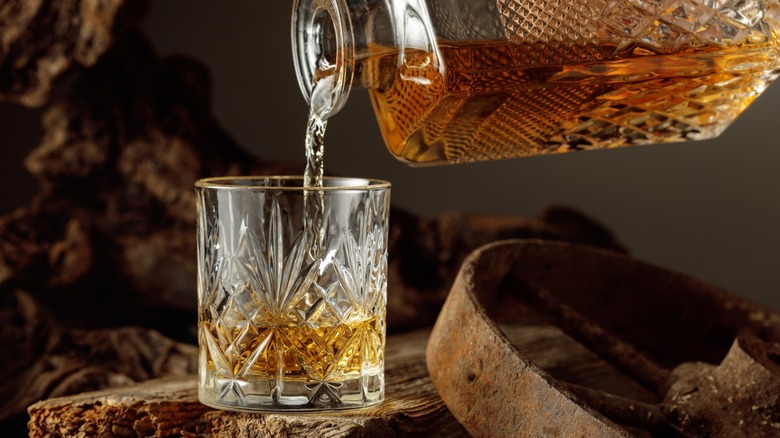
Whereas folks today can saunter up to a bar and be confident they're getting quality booze, that wasn't always the case in the Old West. No significant oversight concerning liquor existed on the frontier, and saloon owners used all kinds of revolting ingredients to "water down" whiskey, including glycerin and sulfuric acid. Sometimes, cheap hooch was simply colored with ingredients like molasses and tobacco to fool cowboys into thinking they were purchasing whiskey.
Wine was also popular in the Old West, and many establishments would make their own signature versions of angelica and aguardiente (which is somewhat reminiscent of Italian grappa). When cowboys wanted to throw back a drink with leveled-up flavor, however, they ordered a cocktail. Unlike the popular vodka cocktails people enjoy today, these rudimentary concoctions consisted of watered-down liquor sweetened with sugar, a liqueur (such as curaçao), and bitters.
In the late 1850s, brandy and gin were the preferred spirits for a robust cocktail. The mint julep, for example, often called for cognac instead of the bourbon used in modern recipes. Sours also featured brandy and gin, mixed with sugar, water, and lemon juice for the puckering effect. Fixes were the same as sours but topped with seasonal fruit, and occasionally rum was used as the spirit.
But some saloon owners attempted to stretch out cocktails in the same way they did with whiskey. Tarantula Juice was a cocktail comprised of gin (sometimes already diluted with turpentine) mixed with strychnine, which would make one's skin crawl (if not worse). Other drinks, billed under such alarming monikers as coffin varnish, mountain howitzer, and Taos lightning, similarly contained questionable additives. Ultimately, danger was around every corner for cowboys in the Old West, even in the saloon.