

11 Simple Ways To Transform Frozen Pierogi
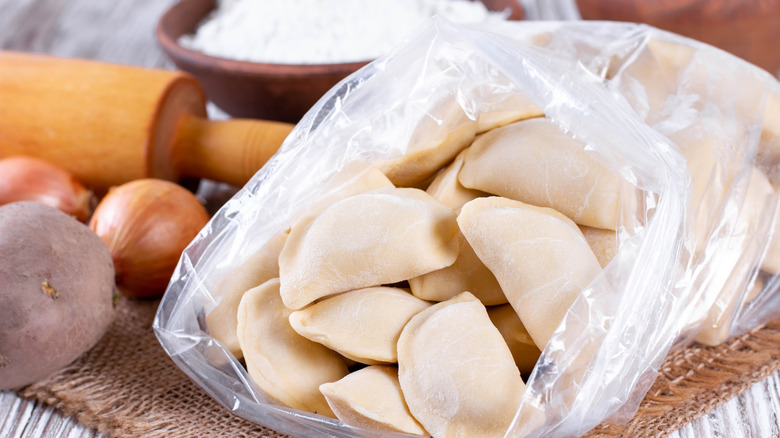
Let's be honest. When was the last time you cooked pierogi in any other way besides boiling them up and serving with sour cream or butter? We like to call this the pierogi trap. It's an easy default for a ingredient that, as it turns out, can surprise you with its versatility.
To prove our point, we asked three experts to show us what pierogi are capable of. First up is Mark McShane, who is a chef turned food nutritionist, food safety expert, and menu developer who has spent his career at the intersection of flavor and function. Joining him is Rena Awada, a Precision Nutrition certified coach, recipe developer, and the founder of Healthy Fitness Meals, where she has been testing and sharing recipes since 2012. And finally, we have Isaac Bernal — a Spanish chef with 26 years of experience, 24 of them as Head Chef in the Spanish Navy, named Best Chef of Spain in 2020, and currently serving as Executive Chef of the Embassy of Spain to the United Nations in New York City.
We asked all three experts the same questions: What do people get wrong with pierogi? What surprising way can they be used? And what would they do with a bag of frozen pierogi that nobody has thought of yet? Their answers cover various techniques, cuisines, and occasions that we assure you have nothing to do with sour cream.
Up-level your eggs Benedict
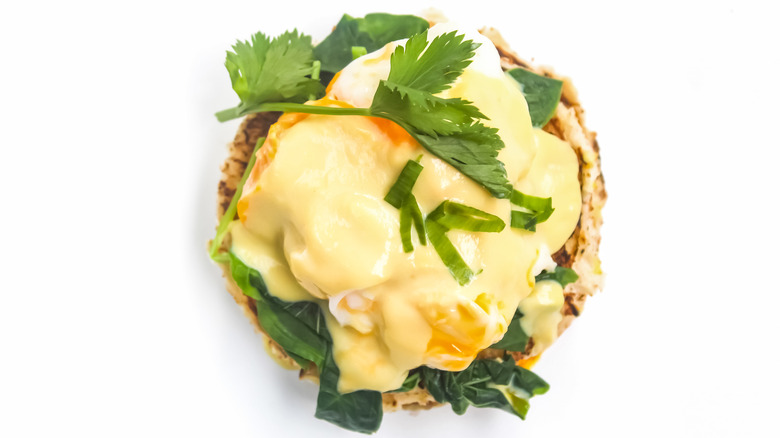
If you think your eggs Benny on its English muffin is fancy enough, think again. Chef Mark McShane has been replacing the muffin for pan-fried pierogi, and he swears it's a swap trying out. According to McShane, you cook your pierogi until the outside is evenly cooked and golden brown and then simply use it as the base for everything you'd normally pile onto an eggs Benedict. For him, this usually means poached eggs, wilted greens, and a (thin) hollandaise sauce. "The result is a delicious combination of textures that allows the humble pierogi to elevate itself from a simple pantry staple to a higher-end restaurant quality dish," he promises.
We say, this swap is genius because the pierogi brings something an English muffin couldn't even if it wanted to. When browned properly, the outside of the pierogi crisps up enough to give you structure without going soggy under the hollandaise. That said, it's imperative to get the crust just right for this entire dish to work.
McShane is clear that rushing pierogi on high heat straight from the freezer is how you end up with a burnt exterior and a cold center. "I find it best to either lightly boil them before browning, or cook them in a small amount of water in the pan before letting the water evaporate completely and then adding butter or oil to sear the bottom," he says.
Use pierogi as salad croutons
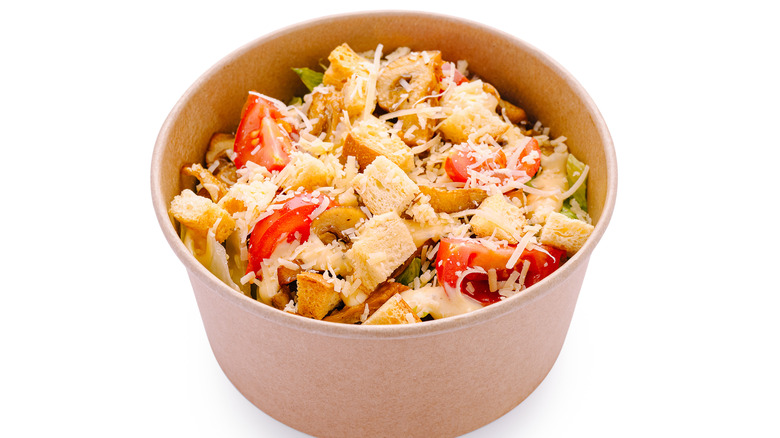
The reason for adding croutons to your salad is rarely a complicated choice. Croutons exist to add crunch and substance to a salad that might otherwise feel a little too light and unsatisfactory. Rena Awada has been using crispy chopped pierogi as croutons and once you let the swap sink in, you realize that her logic holds up immediately.
Awada recommends roasting or air frying your frozen pierogi until the outsides are genuinely crispy. Once they reach the satisfactory crunch levels, cut them into pieces and toss them into a salad. "I chop them into croutons and add them to salads made with arugula, roasted beets, toasted walnuts, goat cheese, and Dijon vinaigrette," she says. "The crunch of the pierogi adds a lot of texture to the salad and because they contain potatoes and cheese, the salad can be substantial enough to serve as a complete meal."
Her last point is the real test for this unique way of using your stash of frozen pierogi. A standard crouton adds crunch, but not much else. A pierogi crouton, on the other hand, adds crunch along with starch and a creaminess from the filling. This likely means that you're not reaching for extra cheese or a heavier dressing to make the salad feel satisfying, potentially making this a slightly lighter (by a pinch) alternative as well.
Turn them into an Asian meal
If there's one thing all three experts agree on, it's that typical pierogi are pretty neutral when it comes to the dough and sometimes the filling as well. So, to jazz things up and use this neutrality as an advantage, you can take it in a flavor-filled Asian direction. Chef Mark McShane's version leans Korean. He tosses pierogi that have been crisped up in a gochujang glaze and finishes them with a drizzle of toasted sesame oil. "Kimchi, sauteed mushrooms, or bulgogi-style beef all provide good side dishes since each adds both salty and sour flavor elements that enhance the dough," he claims.
Chef Isaac Bernal, however, prefers to look to Japan for inspiration. His method starts with steaming the pierogi first, then finishing them in a hot pan until the outside crisps up. From there he takes the entire dish to the next level with the help of a browned butter sauce blended with a hint of soy, and fresh ginger. Finish off the bowl with chopped chives for a hit of freshness. "It's a great reminder that good cooking isn't about simply following traditions but about understanding flavors and techniques," says Bernal.
Between these two Asian options, you have a solid weeknight dinner rota. Go gochujang when you want heat, and turn to savory miso butter and soy when you want something more subtle for a change.
Build a breakfast hash around pierogi
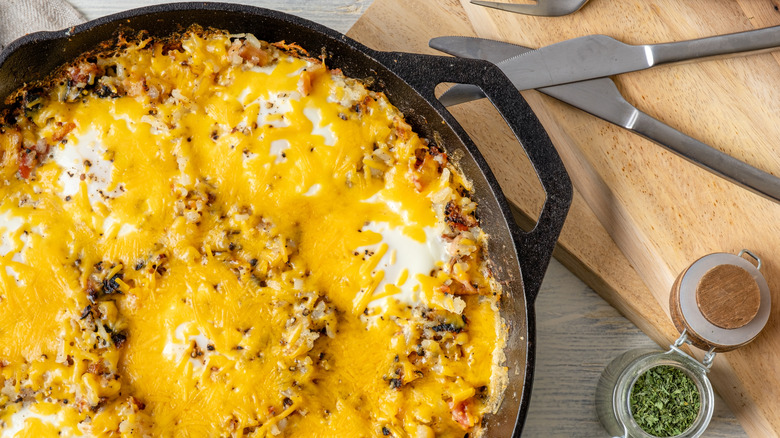
The breakfast hash is one of those dishes that works best when there's something substantial anchoring it. In most cases, this is diced potato or hash browns. Rena Awada makes the case that crispy pierogi do that job just as well, and bring more to the dish, too. Her version asks you to crisp the pierogi first. Once that is done, you can build the hash around them with whatever you usually fancy. Most common toppings are wilted spinach, mushrooms, caramelized onions, and a fried egg on top. "The combination of a hot egg dish with the crispy texture of the pierogi and the earthy flavors of the sautéed spinach and mushrooms, along with the spicy kick from some hot sauce, makes a simple yet pleasing breakfast," she says.
Awada also makes a point that's easy to overlook: Pierogi go from frozen to table faster than diced potatoes, which need time to soften and color properly. When you're cooking breakfast for a crowd and multitasking, that time difference matters.
Chef Mark McShane makes a similar case for another brunch staple. According to him, pierogi pair naturally with eggs, smoked salmon, and seasonal vegetables. "Additionally, due to their quick thawing time from frozen state, they offer a useful option for preparing multiple dishes simultaneously while entertaining guests," he says.
Turn them into a Mexican-style bowl
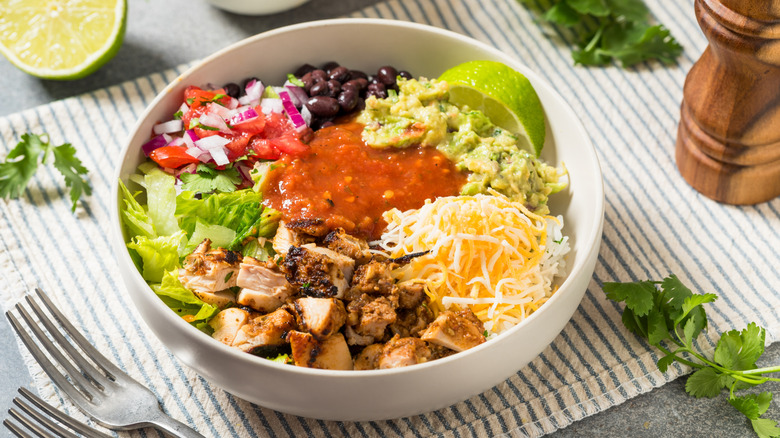
Meal bowls have become a lunchtime staple, and for good reason (apart from the fact that food just tastes better in a bowl). They are filling and usually flexible, allowing you to mix and match with whatever you have in your kitchen. Chef Mark McShane has built a version that swaps the grain out entirely and instead uses pierogi as the base instead. It's a novel approach with a result that lands closer to a Mexican bowl than anything Eastern European.
His combination uses grilled corn, pickled onions, avocado, and pierogi, assembled in a way that "has characteristics similar to a grain-based fusion bowl, without actually being made with grains," he says. The pickled onions help cut through the richness of usual potato and cheese pierogi filling in the same way lime juice cuts through guacamole. Rena Awada builds a similar version with pico de gallo, avocado, lime crema, cilantro, black beans, and roasted corn. Topping pierogi with Mexican-inspired flavors makes for "a full and visually appealing meal," she says.
Just keep in mind that using pierogi as the base means you need to balance out the inherent rich starchiness with something fresher and brighter to balance the bowl. Skip the fresh element, and the bowl will end up heavy and overwhelming. Get it right, and the pierogi provides substance without dominating the plate.
Feed a crowd with a sheet pan bake
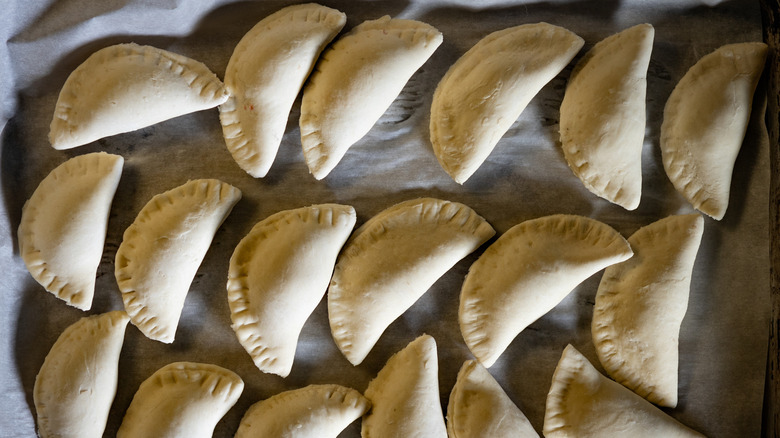
When you're feeding a group, the last thing you need is a dish that needs your constant attention. Rena Awada's pierogi sheet pan bake is the antidote to a fussy party dish. All it asks is to be popped into the oven with a few vegetables and aromatics. If you want to beef it up more (pardon the pun), you can add sausage meat for a more robust bake. Rena prefers to layer cooked pierogi with sautéed onions, cabbage, red bell pepper, cheese, and either beans or chicken sausage. "This food is reasonably priced, it's very filling, there are plenty of ways to add in cheap fillers with vegetables, and the dish holds up well," she says. "This is why the pierogi bake is good for group gatherings such as football games, potluck events, or family meals."
Chef Isaac Bernal has a slightly more refined version of the same idea. He bakes pierogi in large trays with caramelized onions, sautéed mushrooms, and a light cream sauce, then finishes with grated cheese and fresh herbs. The cream sauce cleverly stops the pierogi from drying out in the oven, which is the main risk with a bake like this.
Both versions work because pierogi are sturdy enough to hold their shape through the oven without falling apart, and neutral enough to absorb the flavors. The best part? The longer they sit in the tray with the onions and sauce, the better they taste.
Swap your sauce for something new
Most people pair pierogi with sour cream or butter, and there's nothing wrong with these options. But all three experts independently landed on the same observation — that the pierogi's neutral dough is essentially begging for a more interesting sauce, and it's time we experimented with various combinations and flavors. Chef Mark McShane goes with chimichurri. He pairs it with roasted vegetables and grilled steak or mushrooms alongside the pierogi. "The fresh, acidic taste of the herbs cuts through the rich flavors of potato and cheese fillings while providing an additional layer of brightness," he explains. Chimichurri — a great sauce for steak, and much more — does a lighter job of cutting through the richness as compared to, say, sour cream.
Rena Awada's suggestion is a Greek yogurt sauce built with garlic, lemon juice, chopped dill, salt, and black pepper. This variation is creamy without being heavy, and the lemon does similar work to the vinegar in chimichurri — it lifts the dish rather than weigh it down further.
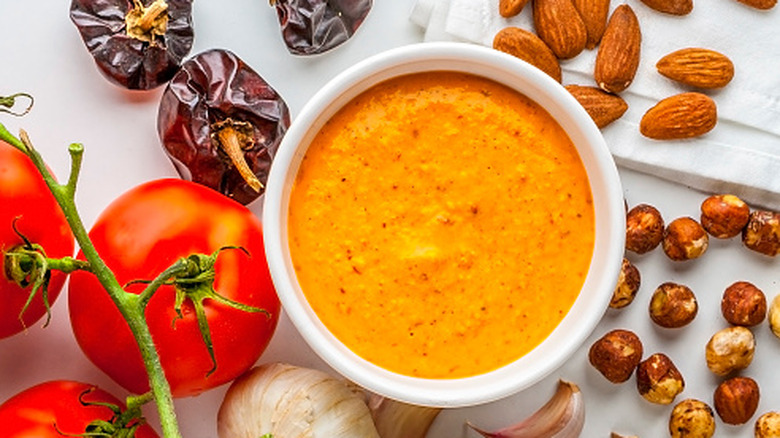
Chef Isaac Bernal goes in a different direction entirely with a traditional Romesco sauce. "The roasted peppers, tomatoes, almonds, garlic, and olive oil pair incredibly well with potato and cheese pierogi," he says. "It's a combination more people should try." Romesco brings smokiness and a slight sweetness that works particularly well with the starchy filling, and the texture of the almonds adds something no other sauce on this list does.
Use pierogi as a base for a party appetizer
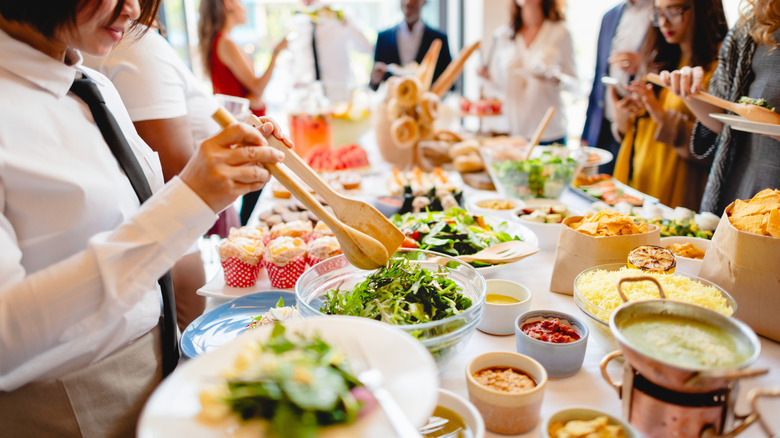
Prepping for an appetizer course when entertaining comes with its own set of problems. Most options that look impressive require either significant prep planning or last-minute attention that can pull you away from your guests. Rena Awada's pierogi appetizer, on the other hand, solves both of those problems in one easy swoop.
She first bakes or air fries the pierogi until they're light and crispy. Her next trick is to top them like loaded potato skins. "The pierogi are baked or air-fried until crispy and topped with Greek yogurt, chopped scallions, sautéed bell pepper strips, and some shredded cheese," she says. "This makes them similar to loaded potato skins but much less labor-intensive." That comparison makes more sense the more you consider it. Loaded potato skins are a crowd favorite but they require you to bake potatoes, scoop them, fry or re-bake the shells, and then fill and finish them. This type of pierogi appetizer creates the same effect as loaded potato skins — i.e. the crispy exterior, the soft creamy insides, and the savory mound of toppings — in a fraction of the time.
However you serve them, a key advantage of using pierogi as a party food is their ability to go from freezer to finished dish quickly. This becomes a huge boon when you're managing multiple things at once.
Drop them into a broth like dumplings
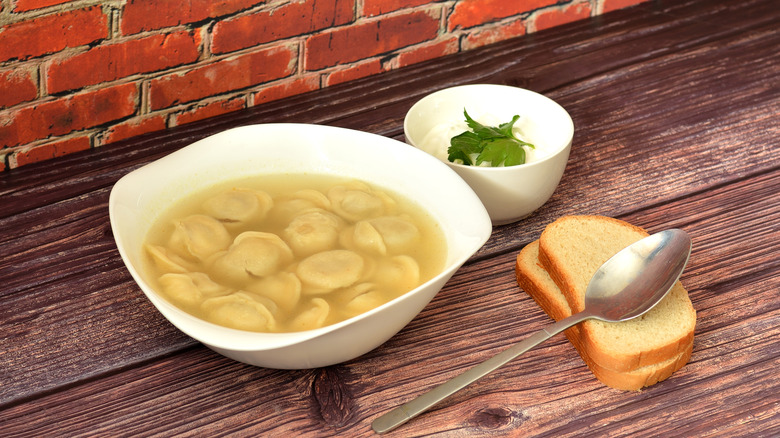
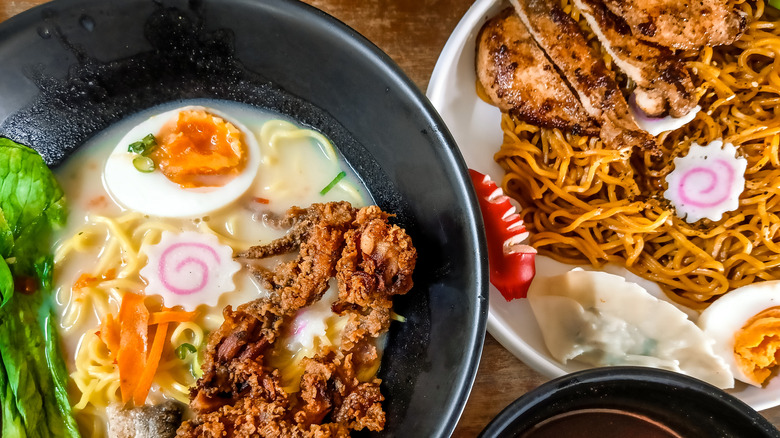
It's not that much of a stretch to imagine using pierogi in place of dumplings in a soup or even a ramen bowl. Pierogi are naturally versatile — basically a filled dough. Therefore, they're inherently built on the same principle as a wonton, a gyoza, or even a tortellini — all similar shapes, but with different cultural contexts. So, if you've ever enjoyed a bowl of ramen or a simple chicken broth and thought it could do with something a bit more substantial, pierogi solve that problem faster than making dumplings from scratch.
The trick here, from personal experience, is to not drop pierogi into the broth straight from the freezer. This will only cloud the liquid and leave you with a starchy, heavy soup. Instead, pan fry or air fry them first until the outside has some color and texture, then drop them into a hot broth for the last two or three minutes of cooking time. This will ensure that they are cooked through but still absorb some of the broth's flavor.
You could experiment with a miso broth (try this ratio for the best results) with ginger, scallions, and a soft boiled egg which echoes the richness of a tonkotsu-style base. A simple chicken broth with herbs and roasted garlic works equally well if you want something lighter. Even a spiced tomato broth takes them in an entirely different direction, with a couple of pan-fried pierogi taking the place of your regular croutons or toast.
Pair them with pickled toppings to cut the richness
Pierogi combinations — according to all our experts — should always contain an acidic element to balance out the normally rich and starchy filling. Without something to cut through the fat, you probably won't reach for more than one or two dumplings, tops.
For Rena Awada, her go-to is always fresh ingredients. "I like to combine pierogi with a variety of crisp vegetable salads — a cucumber-tomato salad, cabbage slaw, or even some pickled onion will lighten up the entire dish while also adding an interesting layer of flavor," she says. "People usually just add a lot of heavy ingredients to their pierogi. But when you put a fresh ingredient on top, it really makes them better."
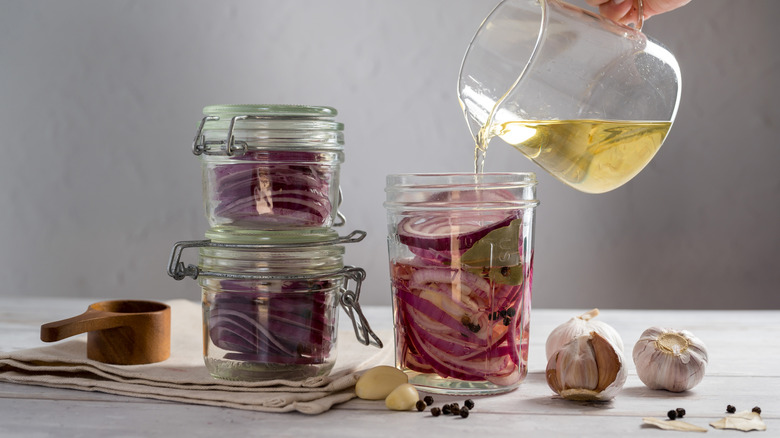
Chef Mark McShane builds this into almost every combination he suggests: pickled onions in the Mexican bowl, chimichurri over the chimichurri version, and kimchi alongside the gochujang glaze. In each case the acidic element isn't an afterthought; it's structural. The simplest version of this idea brings it down to easy basics. Quick-pickle some red onions in vinegar, sugar, and salt while your pierogi are in the pan. By the time they're done, the onions are ready. Now top your cooked pierogi with this delicious fresh accompaniment, and enjoy a dish that comes together in no time at all.
Throw pierogi on the grill
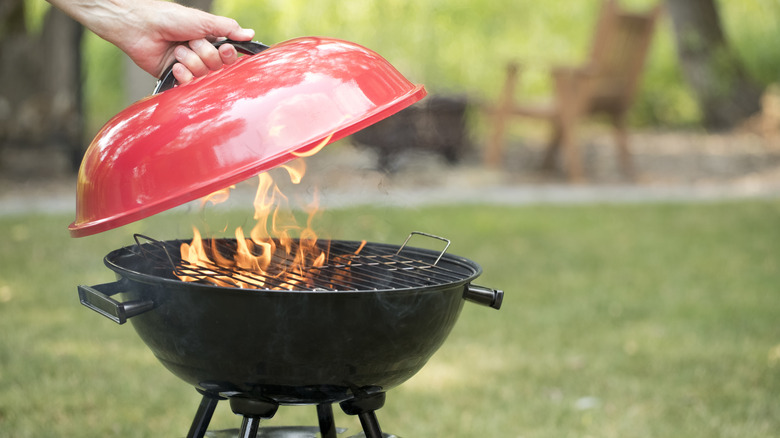
The last genius swap may require a little confidence but we promise, the results will be worth the effort. When pierogi go directly on a grill – which is different from a barbecue, by the way –something happens to them that no pan or oven can replicate. What this is, is the char. A grill gives the pierogi a blistered, slightly smoky exterior that adds a welcome layer of flavor to the neutral tasting dough. If you are a confident griller, you can also cook them just long enough for the insides to stay creamy and soft while the outside picks up those grill marks. This also creates a subtle bitterness that balances the richness of the filling.
There are a few things to remember when grilling pierogi, especially if you have them stashed away in the freezer. Always thaw your pierogi first rather than going straight from frozen — you can even do this on the indirect heat side of the grill, before moving them to direct heat. Frozen pierogi will char faster on the outside before the insides heat through. Brush them lightly with oil on both sides, and then place them on a clean well-oiled grate over medium-high heat. Now leave them alone for two to three minutes per side until you have those gorgeous clear grill marks and a crispy exterior.
Once grilled, you can serve pierogi in multiple directions. Serve them with chimichurri as chef Mark McShane does, or top them with pickled onions and crumbled feta as Rena Awada recommends for a perfect summer grill dish.