

Watch Out Dairy And Beef Lovers, Your Groceries Are About To Be Even More Expensive
The latest crisis to hit an already strained food supply chain is the return of the New World screwworm to Texas soil. This little pest is a type of fly that reproduces by laying its larvae on the wounds of mammals. The details of what these flesh-eating larvae do to the living host are, frankly, a little graphic and can quickly lead to death if not treated properly. The fly's victims can be any warm-blooded creature, including cows, sheep, cats, dogs, and human beings, but if history is anything to go by, it's the beef and dairy farms that will be most affected.
The last outbreak of screwworm in the United States was more than four decades ago in 1982, but the pest was a problem for much of the 20th century. The fact that it has returned now, when beef prices are already soaring and milk is among the many grocery staples that are getting more expensive, is certainly inopportune. While farmers in Texas (and the surrounding area, if the situation doesn't get under control soon) will be facing the brunt of the headache involved, for Americans nationwide, the arrival of the screwworm means only one thing — that hefty grocery bill is about to get even heftier.
The United States has fought off the New World screwworm before
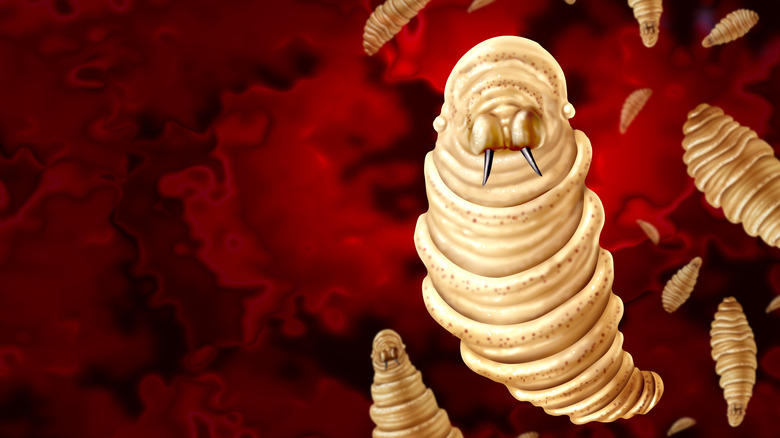
The reason we haven't seen a screwworm outbreak in decades is that a group of entomologists came up with a creative (and more importantly, successful) method for getting rid of the bug. Essentially, they bred millions of infertile male screwworms and then released them into affected areas. New World female screwworms can lay hundreds or even thousands of eggs, but they only mate once, which means a huge population of infertile males can effectively eradicate their presence in an area.
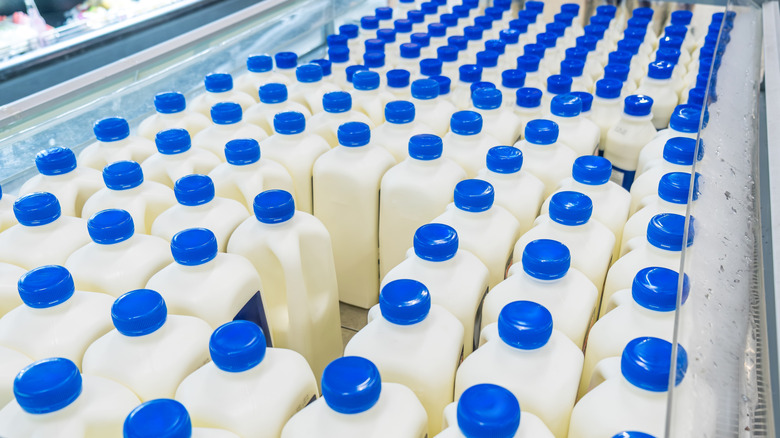
Because we already have a solution to this problem, there is a chance the outbreak will be contained before it gets out of hand, but this method still takes time, and StoneX estimates 38% of the American dairy supply to be at risk. The speed with which the government responds to this crisis, along with any new developments in pest control, which have developed since 1982, will determine the scale of the impact.
Keep in mind, the screwworm outbreak isn't going to lead to a deadly dairy recall or anything of the sort since the problem is exclusively affecting the supply chain, not consumer safety. Still, if the outbreak affects even 5% of the dairy supply, it's estimated to lead to a 4% increase in the price of milk, and beef will be similarly affected, according to StoneX's director of dairy market insight.
If you live in Texas or the surrounding area, be sure to keep an eye on pets and children while the screwworm is around, since any small scratch can become an open wound within a matter of hours. Luckily, no cases involving people have been reported yet.