

11 Mouthwatering Foods You Can Only Get At Japan's 7-Eleven
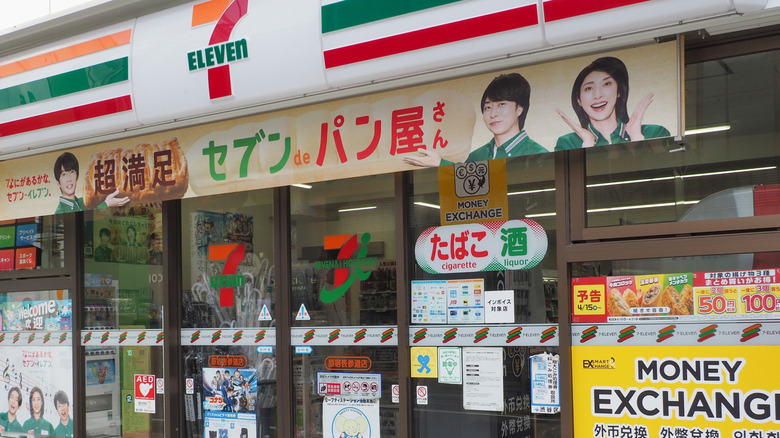
If you're an American, you probably have a pretty good idea of what a 7-Eleven is. It's one of the most popular convenience store chains in the country, distinguished from the others by an assortment of hot foods (such as those rolling hot dogs) and its Slurpee machines. But if you were to go to Japan, you'd find they have their own version of 7-Eleven; one which serves mostly the same function as the American iteration, but with a very different vibe.
Japanese convenience stores, also known as konbini, aren't just a place to grab a quick bag of chips and a Slurpee on a road trip. (Not least because Japan, unlike America, has robust public transportation; meaning you don't need to drive everywhere.) Konbini are a mix between a mini supermarket and a community center, allowing you to file taxes, pick up packages, and get a hot, satisfying lunch as good as anything you'd get from a restaurant. We don't want to get too "Thing, Japan" about this, but if you say that Japanese convenience stores are better than American ones, we won't really argue. We'll just ask that you bring over some of these delicious exclusive items stateside.
Miso soup
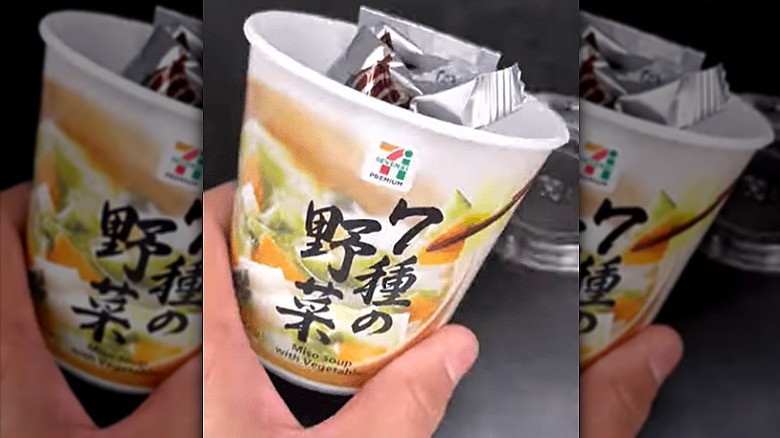
Hot soup from 7-Eleven? The idea is so alien to Americans that it's almost suspicious. We barely trust hot soup from Panera, let alone a convenience store. But the miso soup from Japanese 7-Elevens are enriched with ingredients like fried eggplant and Tonjiru pork, which is exactly what you need on a cold day (or a hot day, depending on whether you take the advice of the Chinese and drink hot soup during a heat wave). Just add hot water and enjoy for less than $1.
Onigiri
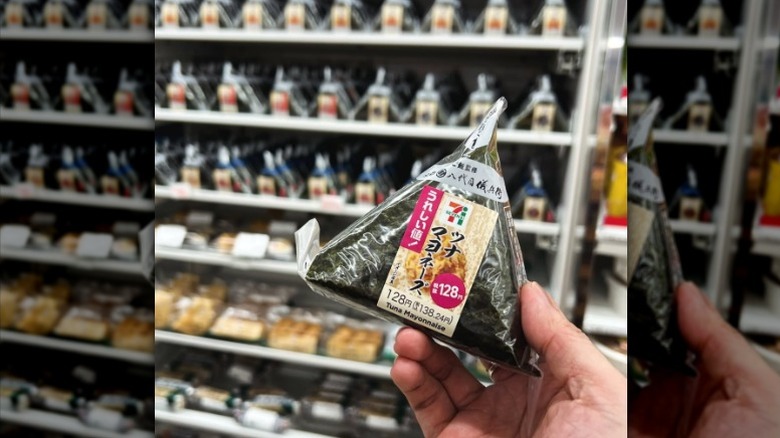
If you don't know what onigiri is, it's basically just a savory rice ball with seaweed and other ingredients arranged in a triangle. (If you ever watched the "Pokémon" anime, these are the infamous "jelly donuts" Brock ate in the American dub.) Japanese 7-Elevens, as you might imagine, have a nice spread of onigiri, including varieties with salmon, chicken rice, and umeboshi (sour dried plums). They're savory as all get-out, and surprisingly filling too.
Ramen (fresh or instant)
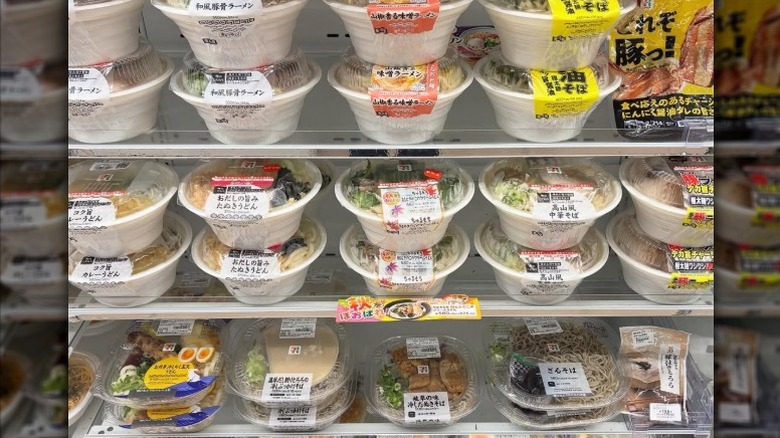
You can, of course, get cheap and easy instant ramen from American 7-Elevens, and the same goes for Japan; but there you can also get hot, ready-to-eat bowls of ramen that are every bit as meaty and unctuous as something you might get from your nearest noodle house. (Is that a common slang term for ramen restaurants? If not, it should be.) Common favorites are the pork (fresh) and chicken dumpling (instant) varieties, but you can't really go wrong whatever you choose.
Chicken yakitori
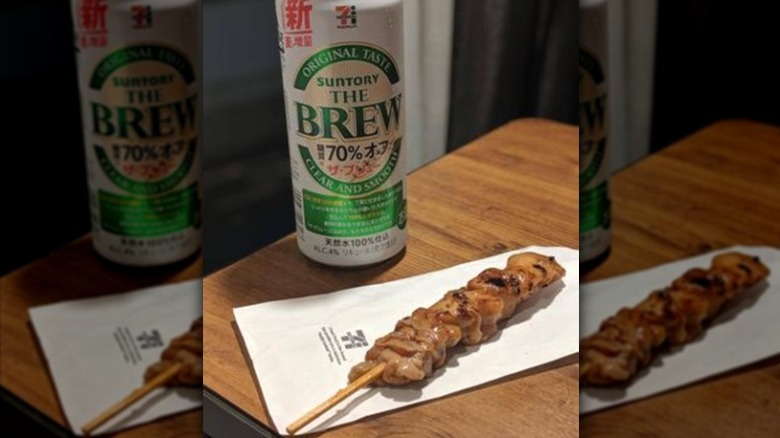
You're familiar with these if you've ever stepped foot in a Japanese restaurant. Grilled chicken skewers are perfect for dipping in teriyaki or soy sauce. The Japanese 7-Eleven version is so big and meaty that you could almost mistake it for an American dish -– but alas, American 7-Elevens don't have this just yet. (If you live near an H Mart, though, you can get something like it.) They've proven popular enough that 7-Eleven even sold supersized plushies of chicken yakitori earlier this year.
Nanachiki (fried chicken)
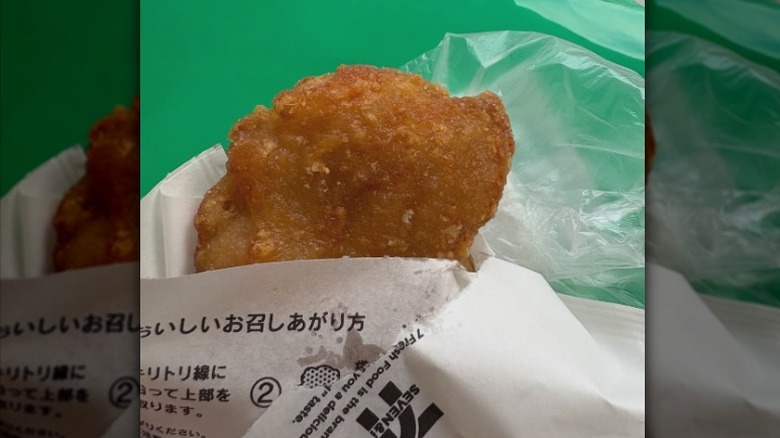
"Nanachiki" is not the Japanese word for "fried chicken." It's a branding thing for 7-Eleven, translating to something like "Seven Chicken." Whatever you call it, it's wonderful. Nanachiki is a chunk of fried chicken thigh meat seasoned with 11 herbs and spices (perhaps not the exact same herbs and spices as KFC, but you're in the right ballpark). KFC may be a yuletide tradition in Japan, but one bite of this will make you feel like Christmas has come early.
Bento boxes
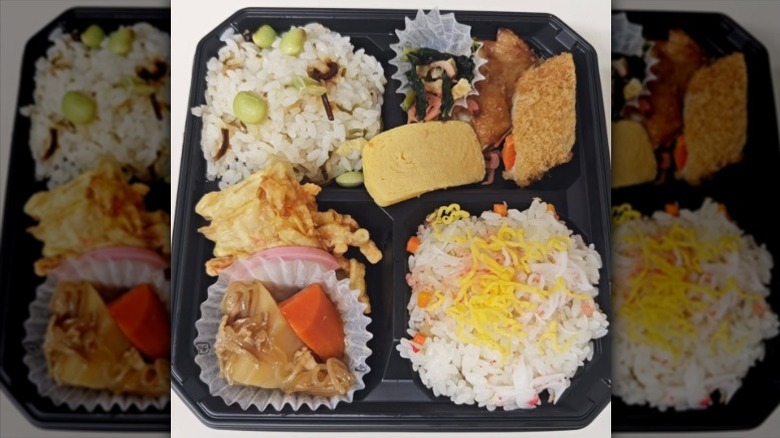
7-Eleven wouldn't be much of a konbini if it didn't sell bento boxes, would it? These Japanese mealtime staples have become somewhat trendy stateside (if your mom bought a bunch of plastic containers divided into fours, you'll know what we're talking about), but our Yankee 7-Elevens don't sell them. In Japan, you can get a bento box with karaage (fried chicken) or pork galbi, all with rice and veggies for a solid, well-rounded meal.
Kakigori
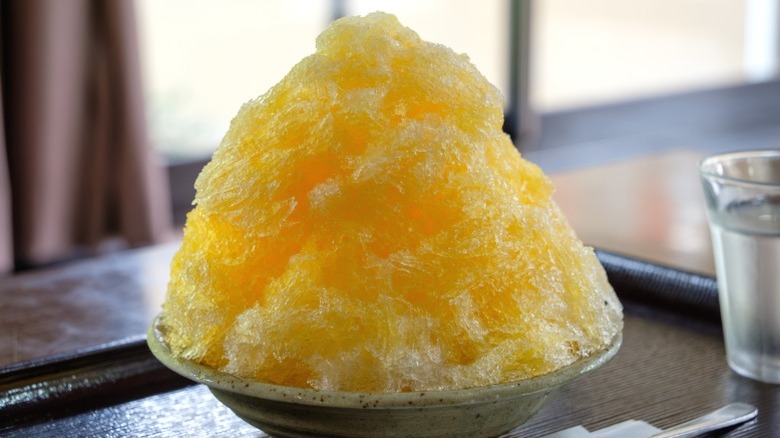
When this frozen dessert first emerged in the Heian period of Japan (around A.D. 1,000), it was only available to wealthy people who could afford ice houses. (It's an important antecedent to other shaved ice desserts, including Hawaiian shave ice.) Today, you can buy kakigori from a Japanese 7-Eleven for cheap and have it taste just as good. Often enriched with condensed milk, popular flavors include strawberry and red bean.
Chocolate and Shine Muscat Grape Gummies
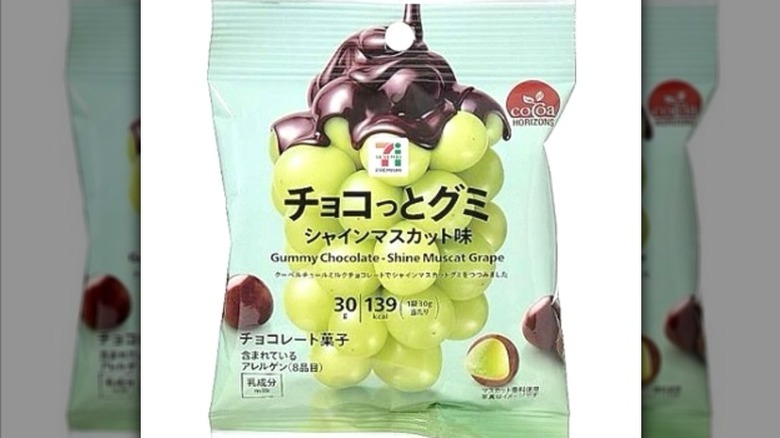
In Japan, luxurious, high-quality fruit like Shine Muscat grapes are often given as a gift (which is why fruit is so expensive in Japan), but you don't need a special occasion for these gummy candies. The idea of combining chocolate with gummy candies might strike some as odd, but you've heard of chocolate-covered strawberries before, right? And, at less than $1 a package, they're a good deal less expensive than actual Shine Muscat grapes.
Ohayo Brulee
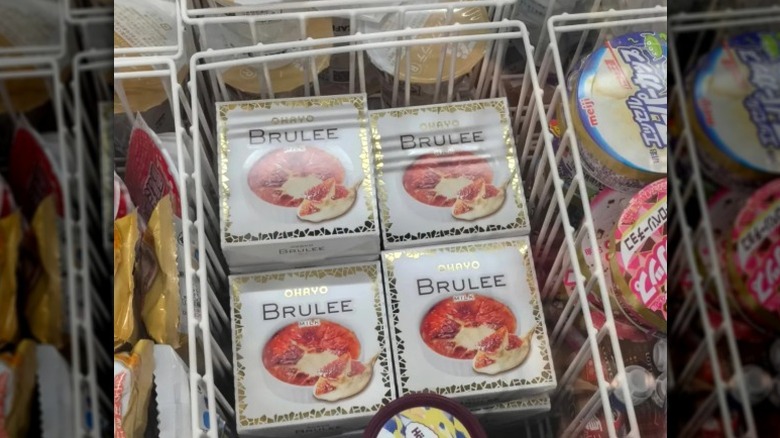
This dessert at Japanese 7-Elevens is as iconic as they come, and they regularly pop off on social media. (It recently got a cosign from Jungkook of BTS, who tasted it for Vogue.) This small crème brûlée has a shatteringly crisp top layer that yields beautifully to the frozen delight underneath. Get it in vanilla, chocolate, or green tea — and don't worry, it gives you a spoon to crack the top.
Cream puffs
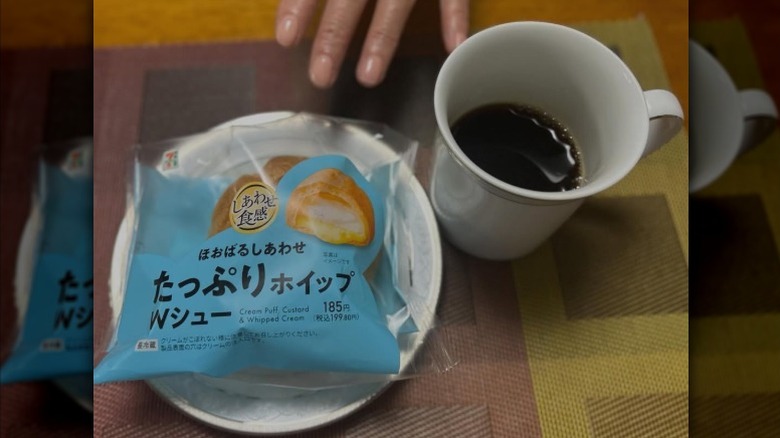
Americans don't have a monopoly on baked goods filled with cream, despite what the ubiquity of the Twinkie (which used to be banana-flavored) might have you believe. These 7-Eleven pastries are basically super-sized cream puffs filled with either vanilla or chocolate cream (with limited time flavors sometimes on offer). Flaky and sweet, these are perfect for dessert; or breakfast, if you're chill like that. (We promise not to tell anyone.)
Smoothies
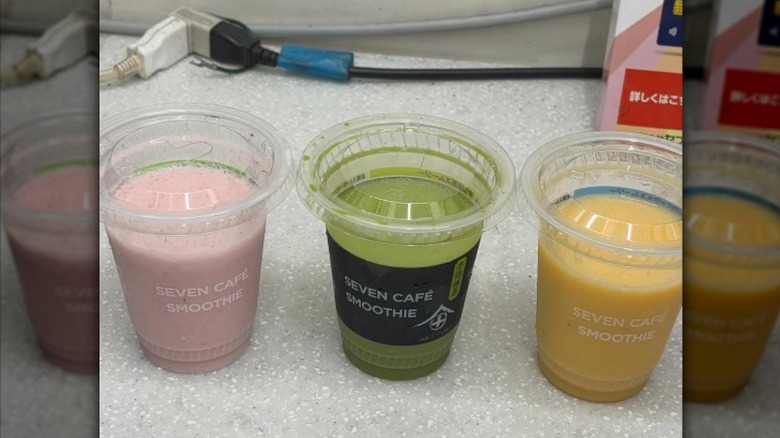
In America, we have Slurpee machines giving us big, delicious frozen treats that fit neatly in our cup holders. In Japan, they have something a little healthier but no less delicious: a smoothie machine. Flavors include (but are not limited to) melon, mango, and strawberry banana. Coming in at less than $3 a pop, they're a lot cheaper than that fancy blender you bought a year ago and are going to use any day now.