

If Your Server Does This, They're Breaking The Law
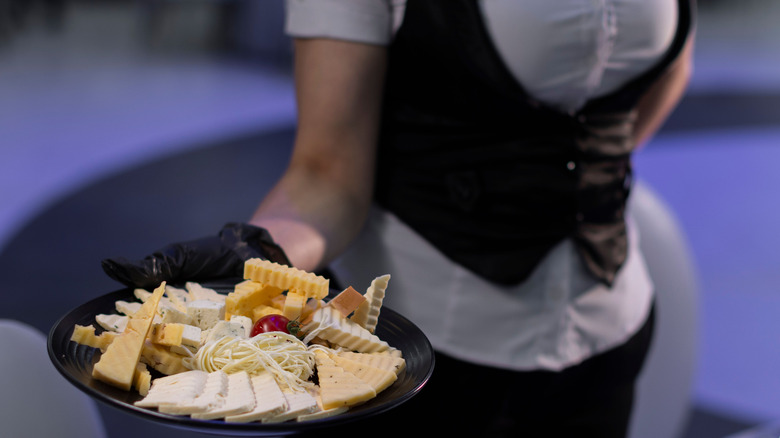
When you go to a restaurant, you are putting a lot of your experience in the hands of your server. So you hope that your server is as clear and honest as possible while taking your order, bringing your food, and delivering your bill. However, there's a difference between a server recommending a restaurant special that you'd be better off avoiding and outright breaking the law as they're serving you. There are several ways in which a waiter or waitress can technically break the law, but incorrect tipping and billing protocol is likely to be the most notable example. More specifically, a server cannot add tips or service charges to a bill without disclosing it to the customer ahead of time. If that occurs, it should be immediately brought up to with the restaurant.
The most common way this might happen is when a bill reads "no gratuity included" or something similar and an automatic gratuity charge is then added to the bill without the customer's knowledge or consent. This, of course, depends on the state; as Ryan McCall, a principal attorney with McCall Sweeney & Silva, said in an interview with Newsweek, "Mandatory tipping is a relative gray area from the standpoint of the federal government." However, he also added, "Most states have guidelines that require restaurants to disclose mandatory gratuities as well as service charges prior to someone dining at their establishment."
Tipping is more legally complicated than you might think
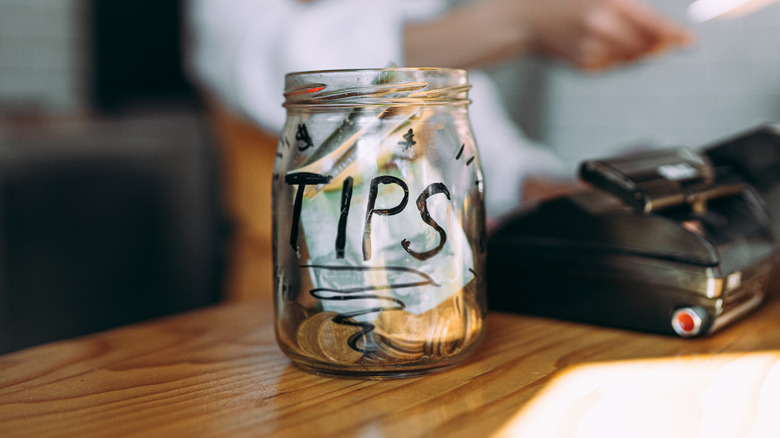
Now, while a server enforcing an additional gratuity charge without your knowledge is in violation of consumer protection laws in several states, automatic gratuity is legal; this is often considered a "service charge" rather than a simple tip. While many servers and consumers consider them to be the same thing, tips are inherently voluntary and seen as gifts to the servers themselves, whereas service charges are considered part of what you owe the restaurant for your meal. This difference often comes up when restaurants and their employees pay taxes, but it is also key to knowing what's legal and what isn't. Long story short: If your bill discloses an "automatic gratuity" charge of 20% and you only intend to give a 15% tip (which is now considered rude at some restaurants), you're legally out of luck.
Ultimately, the legality of automatic tips might leave you wanting tips to be banned in America. But it's better to know what to do next rather than get needlessly frustrated if you are charged more than what was disclosed on the bill. "It's advisable to first address the issue directly with the restaurant management," attorney James L. Arrasmith said in a blog post on Justia. "If the matter is not resolved satisfactorily, you may consider seeking advice or assistance from consumer protection agencies or legal professionals to understand your rights and explore possible remedies."