

11 Tips For Brewing Yerba Mate Like A Pro
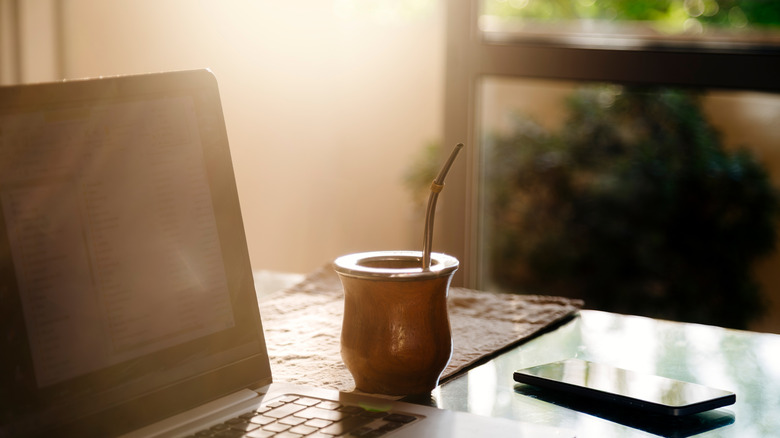
In the early hours of the morning, many find themselves reaching for a tea or coffee to help put a bit of pep in their step and start the day on the right track. Over in South America, though, many reach for a completely separate option, a drink called yerba mate. Instead of tea leaves or coffee beans, the drink is created when mixing hot water with a plant called Ilex paraguariensis (also known as yerba mate). The result is a bitter beverage that even Sabrina Carpenter enjoys to give herself an energy boost before diving into her favorite meal.
Though the process of brewing the drink may appear straightforward, there is a whole bunch of new terminology associated with the land of yerba mate that may at first appear daunting. A bombilla, for example, is a term you may be unfamiliar with, but see mentioned commonly in reference to the drink. It's a straw made of metal with a rounded strainer at one end and a mouthpiece at the other, which filters the plant debris from the liquid as you drink.
To keep us on the straight and narrow, we turned to two experts for advice, who were more than happy to assist. Karla Johan is both a sommelier and owner of Alma Gourmet, while Alejandra Lapietra is a yerba mate sommelier who offers both courses and experiences related to the drink. Together, they provide us with real insight into brewing yerba mate like a true pro.
1. The temperature of the water matters more than you'd think
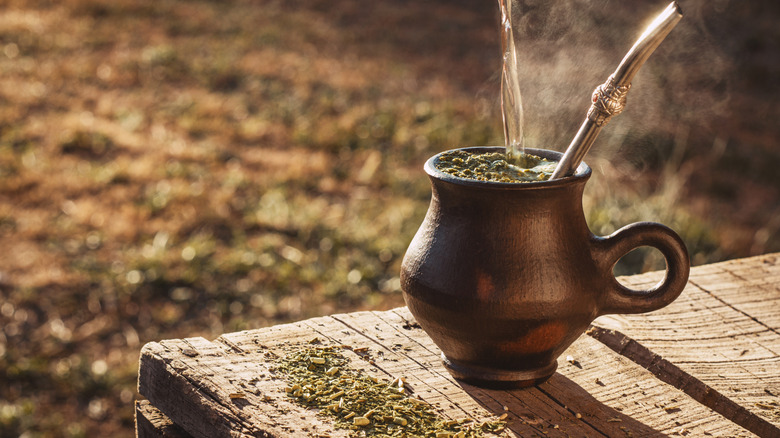
Yerba mate has a normally quite bitter flavor profile, but if what you're tasting goes far beyond the average bitterness, and even lands in the realm of burnt, something may have gone wrong in your brewing process. The good news here is that just as with when your Nespresso tastes burnt, there is a way to fix this. The culprit for your undesirable burned flavor is likely the water temperature which was used to brew your cup of mate. Just as with adding water to whiskey, the water's temperature matters.
When it comes down to it with yerba mate, hotter is not always better, and not just in the this-could-burn-your-tongue sort of way. "The final flavor profile, balance, and overall drinking experience depend heavily on how the infusion is prepared, and the key is the water temperature," Alejandra Lapietra advises. If you use water that is too hot, it could lead to you burning the leaves, and affecting the drinking experience. On the other side, if you try brewing the yerba mate while using water at a temperature too low, this could lead to a far weaker flavor than expected. "Ideally, the water should remain between 60 and 70 degrees Celsius," Lapietra clarifies.
2. Not all leaves are the same
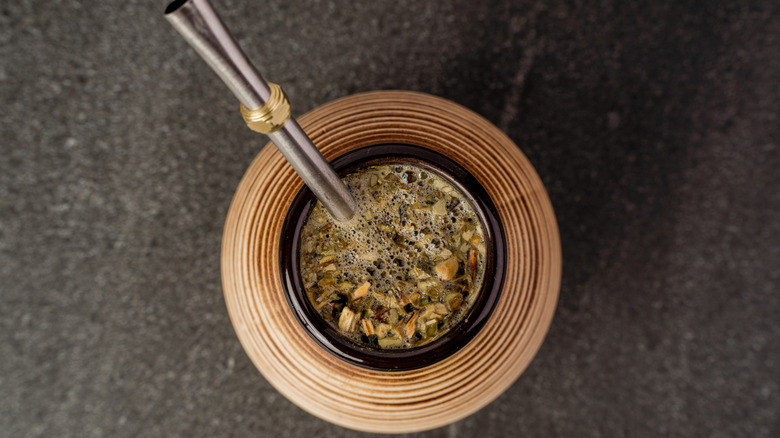
Even if yerba mate may seem similar to regular tea, just a separate plant, shopping for yerba mate is a completely different endeavor. To help clear up this confusion, it can be helpful to first understand the differences in packaging between yerba mate and regular tea leaves. "Unlike the tea plant, where only the leaves and young shoots are selected, yerba mate uses the entire stems in its production." Karla Johan clarifies.
There are four main countries where the yerba mate is produced: Argentina, Paraguay, Uruguay, and Brazil. "It is important to understand that different regional styles offer very different experiences." Alejandra Lapietra mentions. Some of these differences include grind size, the aging of the product, and the processing used to dry the leaves. "The quality of the leaves is essential for achieving a good flavor in the infusion, but so are the processing methods," Johan says, mentioning she prefers leaves dried with boiling water, as this better maintains the antioxidant properties.
Now, as to where someone just beginning their mate journey should begin, our experts have you covered. Lapietra advises that for beginners, the Argentinian style of the yerba mate may be the most agreeable as it "contains different leaf cut sizes along with stems, creating a smoother, rounder, and more approachable flavor profile." With this style of yerba mate boasting large stems and leaves, along with little dust, it makes sense that this would be a great beginner option.
3. When prepared traditionally, yerba mate is stronger
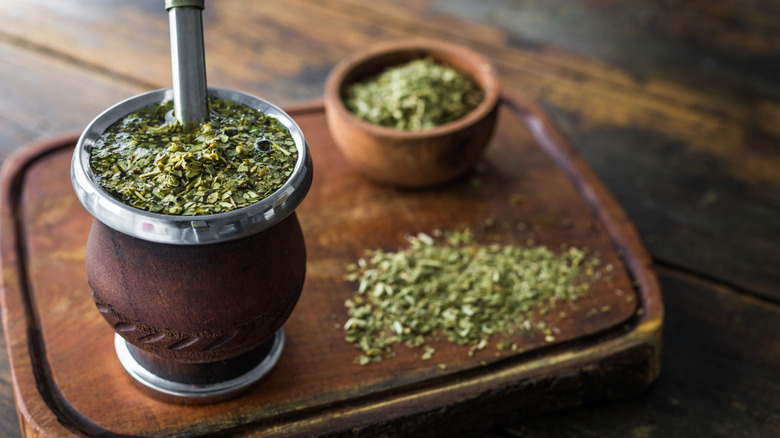
There are tons of creative ways that people have been brewing yerba mate without using the traditional gourd, bombilla, and thermos. In one Reddit thread that asked about non-traditional ways individuals have used to brew the product to reduce the bitter flavor, responders mentioned all sorts of imaginative ways, from using a coffee maker to a French press. But when it comes right down to it, these methods are not going to give you the same experience that brewing the mate traditionally will provide.
"Yerba mate can easily be prepared in a small cup or glass, and that is often the simplest and most practical way to begin exploring the beverage." Alejandra Lapietra mentions. But if you are seeking a quality yerba mate experience, "the traditional preparation method delivers a much greater extraction of the plant's naturally occurring compounds, including caffeine, polyphenols, and antioxidants."
Karla Johan agrees that, "drinking mate as tea in a cup is an option if you don't have a bombilla." However, she does also advise that the result will not be the same as if you were to use the traditional brewing methods. "You'll consume less caffeine and fewer beneficial compounds, because the tea is less concentrated." At the end of the day, you'll want to consider what type of product you are seeking when deciding to go with traditional or untraditional brewing methods.
4. You can make cold yerba mate
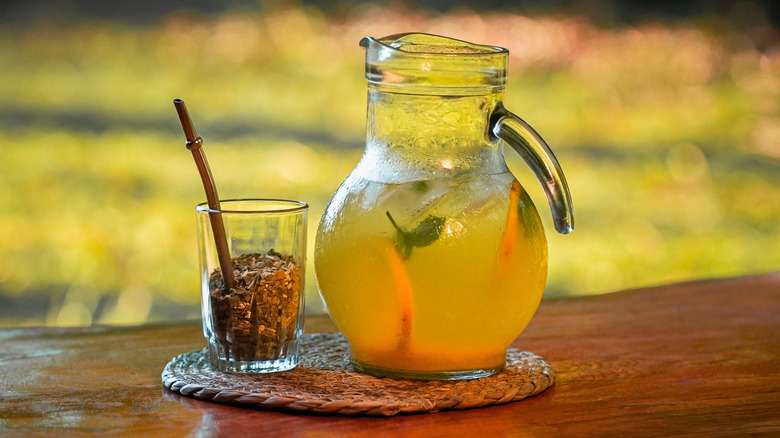
If hot drinks are just not your thing, or if you're sitting in your yard and sweltering in the middle of summer, then a hot cup of yerba mate may not sound overly appealing. But if you're still craving a cup of yerba mate, then there is another option. Much like with coffee having an iced coffee version, and tea vs. iced tea, yerba mate has a cold version, referred to as tereré. A plus of drinking the yerba mate as tereré is that it can be created not just with ice water, but with "citrus juices such as orange juice, natural fruit juices, or fresh herbs, as is traditionally done in Paraguay," Alejandra Lapietra describes.
With tereré, there are cons to be aware of when comparing it to a regular hot yerba mate. The hot water used in the preparation "allows for a much more complete extraction of the plant's naturally occurring compounds," Lapietra says. She describes that there are several of these compounds that are included in this list, most notably caffeine, antioxidants, and vitamins. If this has you worried that the only benefit of drinking the tereré will be some relief from the heat, rest assured that this isn't true. While drinking yerba mate hot will provide levels of these things in the drink, Karla Johan notes that "With cold mate, perhaps the main benefit is that it preserves vitamin C."
5. If it is too strong, you have options
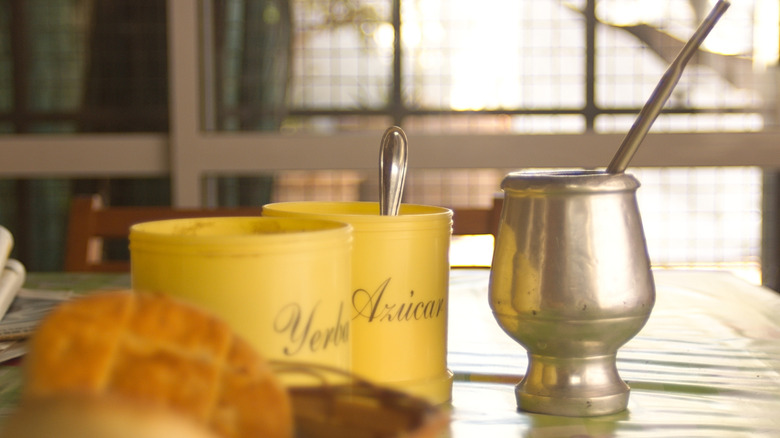
A traditional cup of yerba mate is not served with any sort of sweeteners or additions, just the brewed drink itself. However, just as with coffee, yerba mate has a natural flavor that is considered bitter. Naturally, this leads many, especially those who have not grown up with the traditional version, to add additional ingredients.
Options like honey, brown sugar, or even agave syrup can be seen as a way to make the flavor more palatable, while combining well with the natural flavoring. You could also try adding herbs for additional flavors, such as mint, or milk to dilute the flavor. If opting to use a sweetener, Karla Johan recommends placing the sweetener inside the thermos before adding water. "This way, we avoid drinking too much of it, and it complements the flavor of the mate."
It is important to keep in mind, though, that just as with the healthiest way to drink your coffee being black, so is the healthiest way to drink yerba mate. "One of its greatest benefits is precisely that it can be enjoyed naturally, without adding extra calories," Alejandra Lapietra advises. She adds that she prefers to leave the sweeteners or additional ingredients out of her cup of yerba mate, adding that its ability to be enjoyed without "makes it an excellent companion for sports, healthy lifestyles, and weight management."
6. Consider the advantages of yerba mate compared to tea or coffee
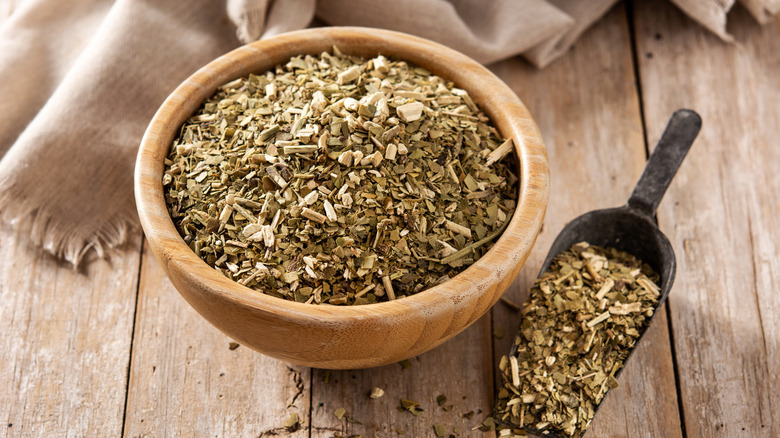
Most people know about the debate about whether it is better to start your morning with coffee or with tea, but now a brand new contender has taken to the stand. Yerba mate not only has caffeine, as with the other drinks, but it also provides a blend of antioxidants, vitamins, and minerals to those who partake. These, combined with a smooth energy boost, make it a strong candidate.
While all three options have caffeine, typically a cup of coffee will deliver a higher dose of the stimulant than tea (a range of 90 to 200 milligrams, compared to the average 50 milligrams per cup of tea). The average caffeine content in a cup of yerba mate is about 70 to 80 milligrams, landing it fairly close to the coffee content amount on the scale. But what really matters isn't the amount, it's the way your body registers the stimulant.
The human body reacts to the caffeine in yerba mate in a much different way than that of coffee, creating a different experience. "Rather than generating an intense spike followed by a sudden crash, yerba mate provides a smoother and more sustained release of energy," Alejandra Lapietra explains. Due to this difference, partakers in the drink still encounter the benefits of caffeine, without the dreaded crash. "This makes yerba mate not only a pleasurable beverage, but also a more gentle and sustainable source of natural energy," Lapietra adds.
7. Looseleaf vs. tea bags are not the same experience
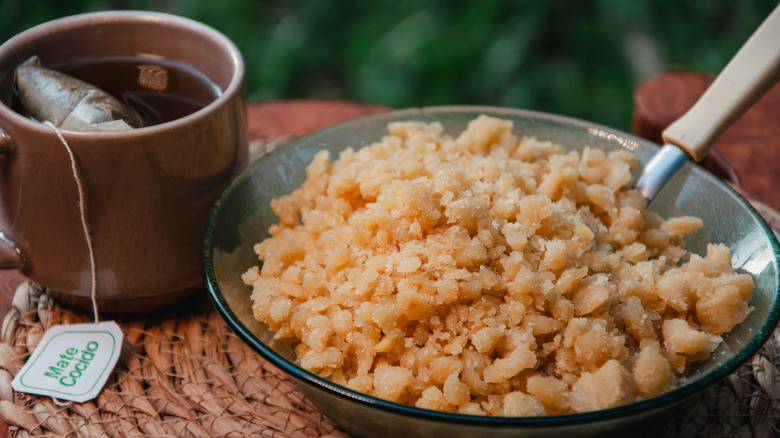
A traditionally brewed cup of yerba mate requires items such as a gourd, a bombilla, and a thermos. If you aren't looking to purchase these items, but still want that smooth gliding energy boost that yerba mate offers, then a tea bag of the product might sound promising. It can seem especially alluring as an option if you are just starting on your journey with yerba mate. "If you are just dipping your toes into the yerba mate experience, then a tea bag may be an excellent place to start," Alejandra Lapietra advises.
The only thing to be cautious of when using tea bags is that the flavor is going to be weaker, and there are going to be fewer health benefits with a lower caffeine content than there would have been when brewed in the traditional way. Lapietra gives us the cut-and-dry lowdown on this. "Traditional mate preparation typically contains between 35 and 40 grams of yerba mate infused gradually over the course of one liter of water." When this is compared to the properties of a tea bag, which is 3 grams and 200 milliliters of water, the difference is certainly significant. If the health benefits are your desired goal, it seems the traditional brewing method is the way to go.
8. Pair it with a sweet or savory food item
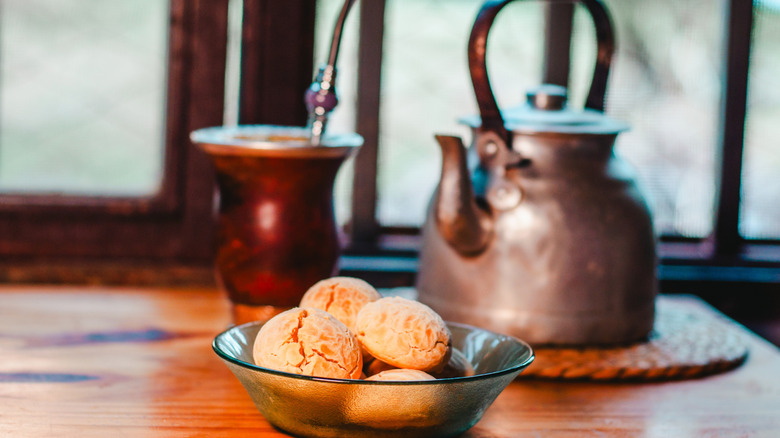
With the widespread movement where Americans replace mealtimes with snacks becoming more popular, it is likely that while drinking your yerba mate, you might get a little peckish. But with the unique and bitter flavor profile of the yerba mate, you might be unsure of what would work well when paired with the drink. The answer to this is that there are far more options than you may have thought.
"Because yerba mate has a naturally bitter profile, in Argentina it is traditionally paired with foods that provide balance and contrast," Alejandra Lapietra explains, mentioning that a common option is pastries and baked goods. "Common accompaniments include facturas — traditional Argentine pastries — as well as medialunas, cakes, and alfajores." Karla Johan also agrees with this sentiment, though specifies, "the general rule is to pair mild yerba mate with pastries, sweet flavors, and soft cheeses." She goes on to mention that, "more intense yerba mate varieties go best with savory flavors, medium- and hard-textured cheeses, and prosciutto."
If you are fresh out of cheese or pastries, never fear. Even fruit pairs well with yerba mate, including citrus or tropical options, which bring a tartness to the bitter drink. Lapietra herself goes a less tangy route with her fruit pairings, preferring slices of red apple and grapes. "The natural sweetness and freshness of the fruit create a very balanced and refreshing sensory experience alongside the infusion."
9. Consider drinking in the morning or after lunch
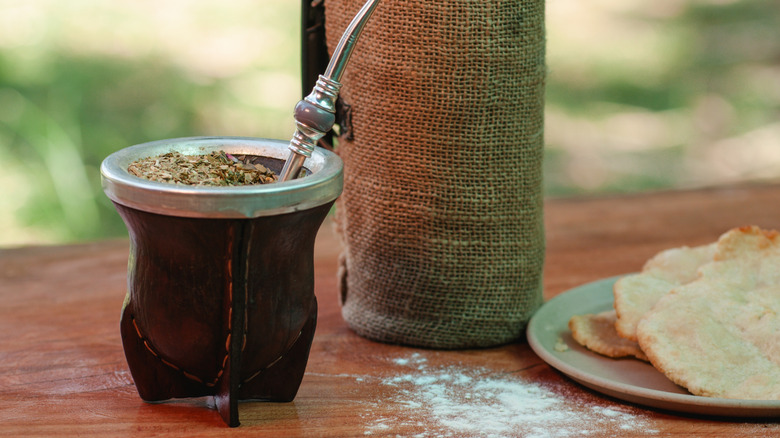
As with the best time to drink coffee, according to science, one of the best times to drink yerba mate is first thing in the morning. "In the morning, when we wake up, we have a higher tolerance for caffeine, so it's the best time to drink traditional-style yerba mate, this is more intense." Karla Johan illustrates. Alejandra Lapietra, on the other hand, highlights the cultural importance of drinking the yerba mate during the morning hours in Argentina. "For many Argentinians, the day does not truly begin until the first mate is shared or enjoyed. Starting the morning with yerba mate is a ritual that provides a natural boost of energy."
There are certainly other times during the day as well where a cup of yerba mate could be beneficial as well. One of the best moments for a yerba mate-infused pick-me-up is during the afternoon hours, specifically after eating lunch. "Yerba mate is commonly appreciated for the sensation of renewed energy and alertness it can provide during the second half of the day," Lapietra shares, adding that a cup can be used to counteract the drowsy effect of a heavy meal. It is also a popular choice for students and working professionals who need elevated focus, she explains, "because of its ability to support mental alertness naturally and progressively over time."
10. Start slowly

After all this talk about the amazing effects and benefits of yerba mate, and the secrets behind brewing a high-quality cup, it is completely understandable if you have the unshakable urge to dive into a traditional brew headfirst. However, our experts advise against this strategy, instead suggesting to take your time when first incorporating yerba mate into your diet. "My recommendation is to start slowly and focus on developing familiarity with the flavor profile in a gentle and approachable way." Alejandra Lapietra explains.
There are several ways for those new to the drink to start slowly. One of these methods is lowering the steep time. "Yerba mate should steep only briefly at first — just until the water begins to take on color," Lapietra instructs, mentioning that they can then increase the steep time once comfortable. Right along the same lines, Karla Johan mentions that in her view, "the biggest hurdle with mate, compared to other herbal teas, is the bitterness." For this reason, she also recommends that beginners start with flavored blends of mate or select milder blends.
In much the same way as with drinking the yerba mate, you should also gradually purchase any equipment if opting to brew traditionally. "My advice is not to feel pressured to purchase every traditional accessory immediately," Lapietra advises. She adds that the only item that cannot be replaced or gone without is the specifically tailored bombilla.
11. When shopping for a gourd, consider the material
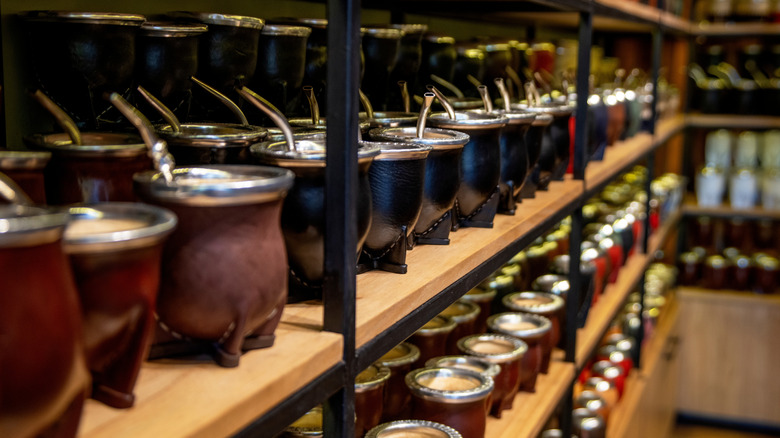
When first brewing yerba mate, the mate or cup doesn't need to be a heavy focus, says Alejandra Lapietra, as the drink can be created within a small cup or glass. But once you become more accustomed to the drink and decide you want a traditional brew, this is where the mate gourd comes into play. The only hang-up you might have when heading out to shop for one is that there are several different types of gourds to choose from. The decision comes down to the treatment that the gourd will require.
"Traditional mate gourds and wooden mates are organic materials that naturally interact with the infusion. Over time, yerba mate leaves its aromatic and flavor profile within the material, while the material itself also transfers subtle characteristics to the beverage." Lapierta explains, adding that this is a part of the unique nature of a traditional cup of yerba mate.
Due to this interaction, owners will need to complete a process called "curing" as maintenance. This process is quite important as it helps to prolong the life of the gourd as well as promote a well-rounded flavor profile. "Today, there are many alternative materials available, including stainless steel, glass, ceramic, and high-quality food-safe materials," Lapierta adds. For newer partakers in yerba mate, she recommends trying these options first, as they don't need as much upkeep.