

What Happens If You Eat Eggs Every Day

As busy schedules and regular routine interfere with leisurely mornings, you may find yourself reaching for the same breakfast ingredients day after day because if it ain't broke, don't fix it, right? Eggs are an easy, go-to breakfast staple, but if you're concerned about how they may be impacting your health long-term, here's some good news for you. Eggs are high in healthy fats, vitamins, and nutrients like vitamin D, B12, protein, calcium, and choline. Not to mention it only takes 40 seconds to make luxurious scrambled eggs. Which is to say, eggs are a quick, efficient, and healthy way to kickstart your day.
If you eat an egg every day, you'll likely notice more energy and less hunger as the day goes on. This is thanks to the protein (which helps you feel satiated) and the vitamins in the egg (particularly vitamin B12, if you're deficient) giving you a boost. These benefits can be increased by changing how you prepare your eggs. If your egg is cooked with a heaping amount of butter and served with bacon, sausage, and French toast, you might feel less energized and more inclined to taking a nap. Meanwhile, an egg served up with other healthy options like a slice of avocado toast and cherry tomatoes is a great way to fuel your day.
So, an egg a day can be beneficial for someone looking to increase their vitamin intake or hit their protein goals, but this doesn't mean you can start living off of a baker's dozen every day. It's also important to note that a daily egg might not be the best option for everyone.
Eating eggs daily is a healthy habit for most people
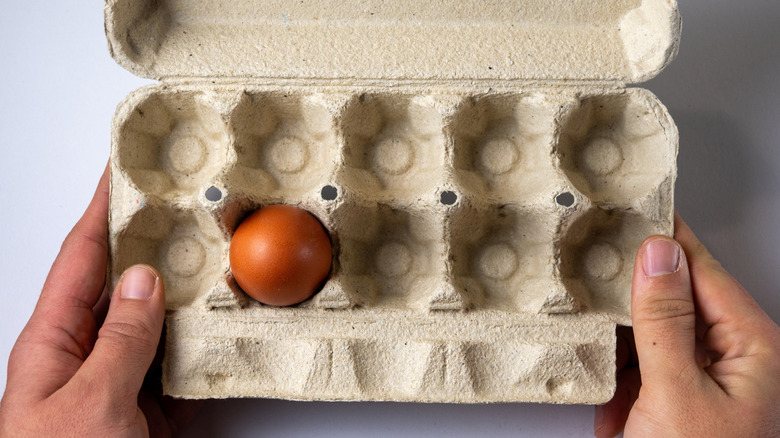
There are plenty of myths about eggs you should stop believing, and the longstanding belief that the cholesterol in eggs should be avoided at all costs is one of them. Yes, eggs have around 210 milligrams of cholesterol in them. However, the cholesterol we find in the human body is primarily made by the liver; not sourced from our diets. Cholesterol in our body is actually more affected by the saturated and trans fats that we consume, which eggs have little of. For most healthy people, eating one egg per day is considered completely okay and even a part of a healthy lifestyle.
The people who probably shouldn't be eating eggs every day (or should at least consult with a medical professional about egg consumption) are those with egg allergies, heart disease, type 2 diabetes, or chronic kidney disease. Everyone's dietary needs vary, so just like all foods, eggs aren't the best choice for everyone. Whether you regularly eat one egg per day or seven eggs per day, there's a good chance you're already aware of how it impacts your body throughout your daily activities. If you need even more energy than a single egg can supply, check out what happens when you eat a banana every day.