

The US States That Pay You To Recycle Bottles And Cans
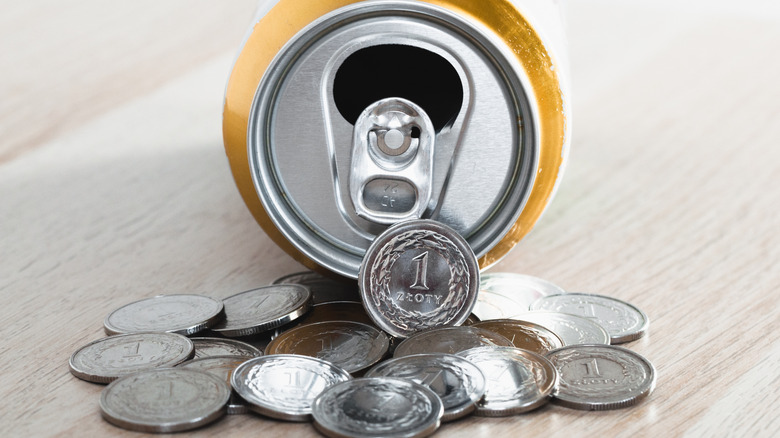
As the 1960s gave way to the 1970s, "America the Beautiful" became more like "America the Trash Dump." The government and its citizens not only took notice of litter everywhere but also finally began to do something about it and clean up their act. The first Earth Day was held on April 22, 1970, and a year later, an infamous pollution public service ad, depicting a crying indigenous American, aired on TV, striking a nerve. It was also in 1971 that Oregon enacted a landmark "bottle bill," which created a monetary incentive for a beverage buyer to return the empty container.
The idea, where each can or bottle carried a returnable deposit value, accomplished its goal, helping to reduce litter and drive up recycling rates. Similar bills and laws have since been enacted in nine other states, including California, Connecticut, Hawaii, Iowa, Maine, Massachusetts, Michigan, New York, and Vermont.
While the other 40 states don't benefit financially from these arrangements, they are well aware of them, thanks to references in "The Simpsons" and specifically the "Seinfeld" episode "The Bottle Deposit." In that misadventure, Kramer and Newman scheme to return $0.05 New York containers to Michigan, where they are worth $0.10 a pop. Please don't try that at home, as it's illegal. In the realm of legal, here's the 411 on the U.S. states that pay you to recycle bottles and cans. Be sure to check the labels on canned water, beer, wine, sodas, canned mocktails, ready-to-drink cocktails, and more to make sure they're eligible for a refund before returning.
California
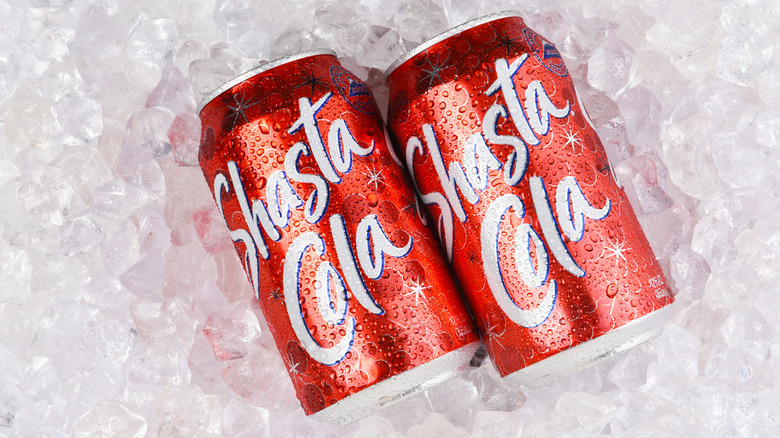
California enacted the Beverage Container Recycling and Litter Reduction Act in 1986 and implemented it a year later. Consumers pay a California Redemption Value (CRV) fee when purchasing beverages but can receive a refund when redeemed at a recycling center or approved retailer.
The beverage containers covered in CRV are aluminum, glass, plastic, and bi-metal, and those containers that are less than 24 ounces earn $0.05, while those greater receive $0.10. Joining that list in 2024 are beverage containers that are bladders, boxes, or pouches containing distilled spirits, distilled spirit coolers, wine, or wine coolers, and those are worth $0.25.
Connecticut
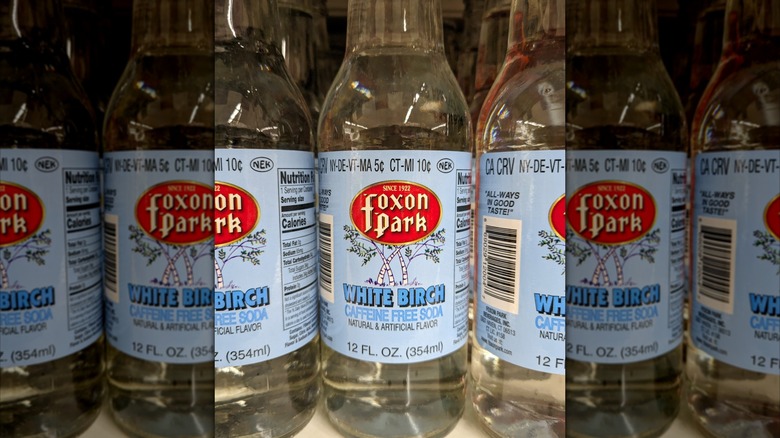
Connecticut enacted its Beverage Container Deposit and Redemption Law in 1978 and implemented it in 1980. The law was updated in 2025 to increase the types of beverage containers covered by the program as well as up the deposit and refund fee from $0.05 to $0.10.
The beverages include beer, carbonated mineral water, energy drinks, hard seltzer, juice, juice drinks, kombucha, malt beverages, plant-infused drinks, soda and similar soft drinks, sports drinks, tea and coffee, and water. Hard ciders, milk containers, mixers, protein drinks, and wine bottles, as well as paper cartons and certain large containers, are among the items not covered.
Hawaii
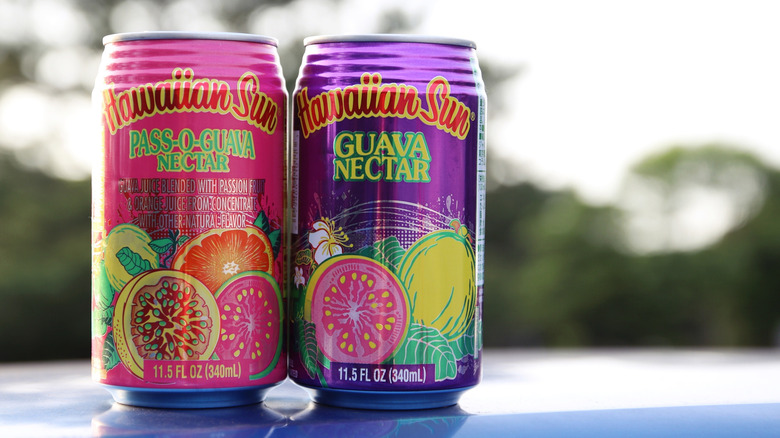
Hawaii enacted the Deposit Beverage Container Law in 2002 and implemented it three years later. Locally, it goes by the more clever name of HI5, borrowing the state's two-letter abbreviation and using the number of counties the state has, as well as the cents each deposit will receive in a refund.
The containers include aluminum, bi-metal, glass, and plastic (only PET and HDPE types) and must be 68 fluid ounces or less in volume. Beverages in those containers that qualify for a refund are beer and malt beverages, coffee and tea, drink mixers, juice, mixed spirits under 15% alcohol, mixed wines under 7% alcohol, soda, sports drinks, and water. No high-fives are given out to such beverages as milk, wine, and spirits.
Iowa
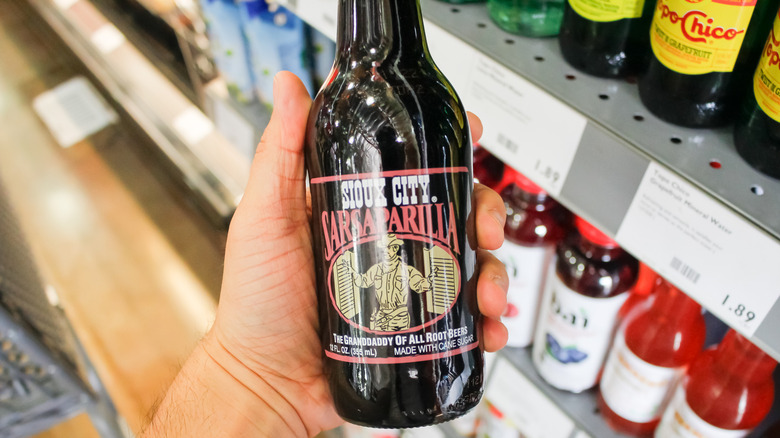
Iowa enacted its Beverage Container Control Law in 1978 and implemented it a year later. The deposit and refund amount totals $0.05 per container, which includes any sealed glass, plastic, or metal bottle as well as cans, jars, and cartons.
Those containers can previously contain beer, carbonated drinks (including regional sodas we wish were available everywhere), liquor, mineral water (both carbonated and non-carbonated), wine, or wine coolers. Paper cartons, like those that hold milk or boxed wine, are excluded from the list. The law was updated in 2023 to allow some retailers the choice to opt out of container redemption based on certain criteria.
Maine
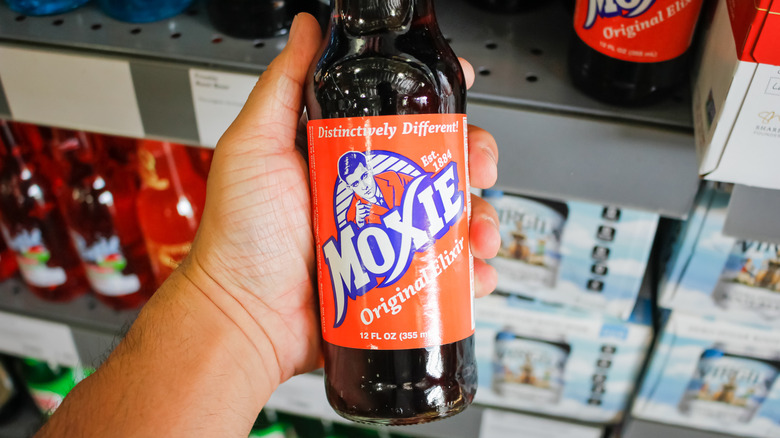
The Maine Returnable Beverage Container Law was enacted in 1976 and put into practice in 1978. There are two different sets of refundable deposits. A $0.05 deposit applies to beer (like the amazing brews from the state's best brewery, Bissell Brothers), hard cider, wine coolers, soda, non-carbonated water, and alcoholic or non-carbonated drinks sold in Maine. A $0.15 refundable deposit applies to spirits and wine beverage containers.
The no-gos include such beverages as milk, liquid syrups, concentrates, and extracts. Signature drinks, such as Maine-produced apple cider and blueberry juice, as well as seafood, meat, or vegetable broths or soups, are also not eligible.
Massachusetts
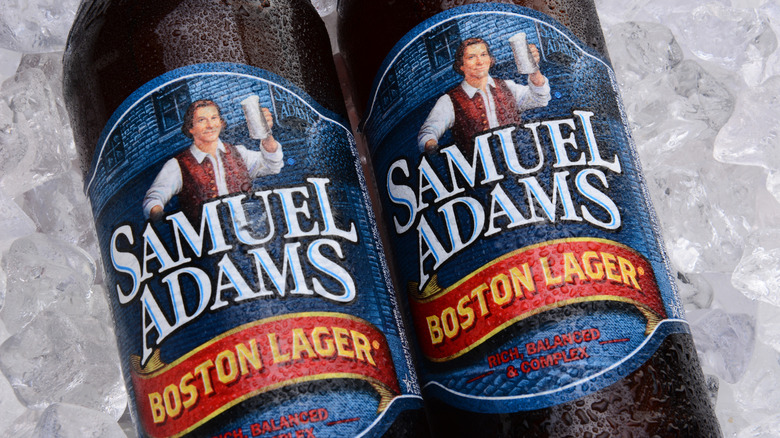
The Massachusetts Beverage Container Law was enacted in 1981 and took effect in 1983. The refundable deposit of $0.05 applies to glass, plastic, metal, aluminum, and bi-metal containers. Those containers can hold beer and other malt beverages, carbonated soft drinks, and mineral waters. Wine, dairy products, natural fruit juices, non-carbonated drinks, and other alcoholic beverages (excluding beer and malt beverages), as well as containers holding more than 2 gallons of liquid, are not eligible. Consumers are generally allowed to return 120 containers a day per retailer, and minors can even return empty beer containers as long as the retailer allows them on the premises in the first place.
Michigan
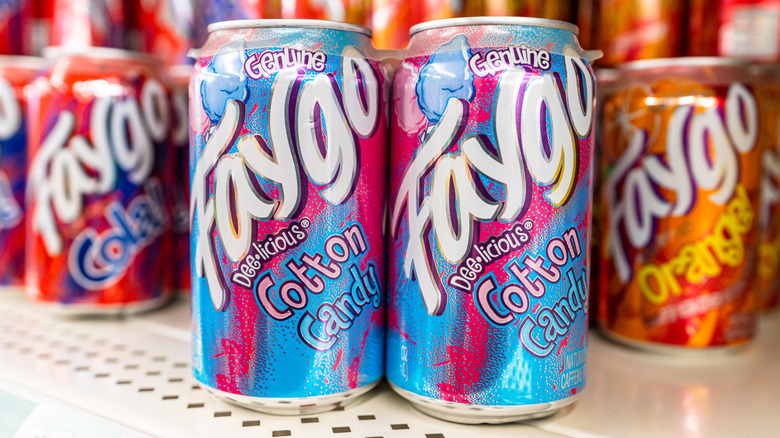
The Michigan Bottle Deposit Law was enacted in 1976 and put into play two years later. The refundable deposit magic number is $0.10, and that applies to soft drinks, soda water, carbonated natural or mineral water, or other nonalcoholic carbonated drinks, as well as beer, ale, malt drinks, and mixed wine and spirit drinks. They have to be under a gallon in size and housed in any airtight metal, glass, paper, or plastic container, or a combination container.
By law, these items cannot be thrown in the trash and therefore find their way into a landfill. Michiganders are allowed to receive refunds up to $25 per retailer, per day. However, they are not allowed to return beverage containers from outside of the state's borders. You got that, Kramer and Newman!
New York
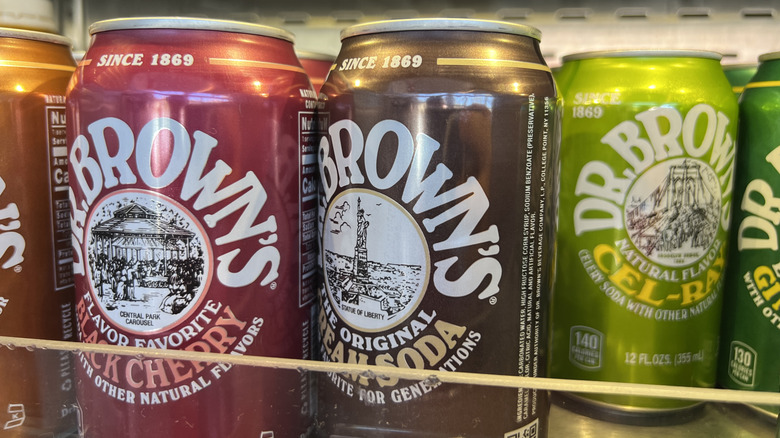
New York enacted its Returnable Container Act (RCA) in 1982, and it went into effect in 1983. It applies to the following beverages: carbonated soft drinks, energy drinks, tea, and juice (anything less than 100% juice, containing added sugar or water), soda water and mineral water, beer and other malt beverages, wine products, and flavored water without added sugar.
To get that $0.05 deposit, the eligible containers include bottles made out of glass, metal, aluminum, steel, or plastic, as well as cans or jars — they all must hold less than a gallon. Some New Yorkers earn a living returning these containers and refer to themselves as "canners."
Oregon
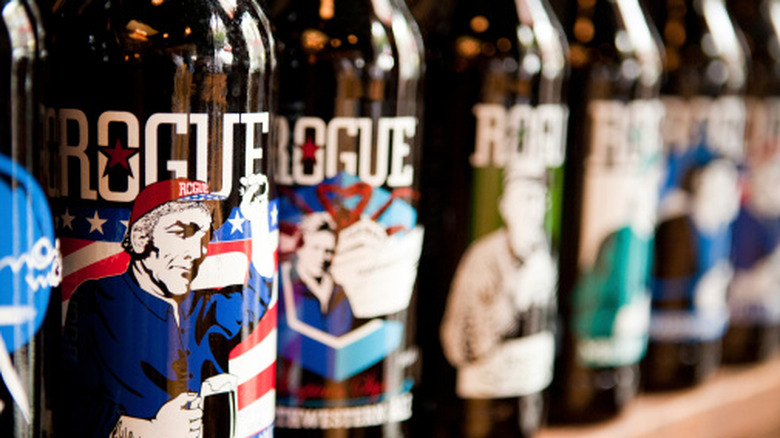
1971 was quite the banner year for the Beaver State, with the introduction of the game The Oregon Trail and the bottle bill that has lasted the longest in the United States. The list of accepted items that will refund a whopping $0.10 has expanded over the years, and as the state's website kindly points out, "Generally, if you can pour it and drink it, it's covered."
Verboten items include distilled spirits, wine in a container other than a can, infant formula, liquid meal replacements, and beverages that list dairy milk or plant‐based milk as the first ingredient. Other non-starters are beverages in cartons, foil pouches, drink boxes, or metal containers that require a tool to be opened. There are also certain size limitations.
In 2021, an exhibit called Many Happy Returns: 50 Years of the Oregon Bottle Bill traveled around the state. Today, refunders who have a BottleDrop account can even make direct transfers to their Oregon College Savings Plan (OCSP) accounts.
Vermont
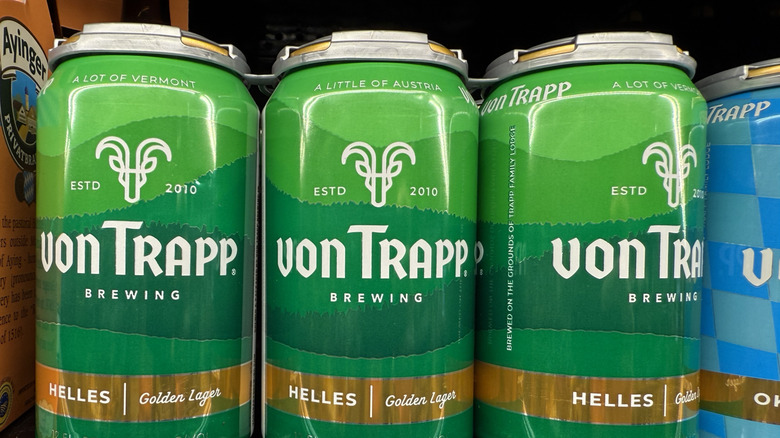
Vermont introduced the nation's very first bottle bill in 1953, banning the sale of beer in non-refillable bottles, but it lapsed four years later. In 1972, it enacted the Beverage Container and Redemption Law, which was implemented a year later and is still with us today.
A $0.05 refundable deposit is included with beer, wine coolers, other malt beverages, pre-mixed spirit cocktails, and carbonated non-alcoholic beverages, including sodas, waters, juices, sports drinks, and energy drinks. Those with empty liquor and spirits bottles in hand will get $0.15 returned to their pocket. For those hoping to get a return on your containers formerly filled with wine, hard cider, or non-carbonated, non-alcoholic beverages (including water, milk, juice, and sports and energy drinks), you're out of luck. Even when beverage containers aren't covered in a state's bottle bill, please be sure to recycle them one way or another.