

10 Italian-Inspired Toppings To Make Your Sandwich 10x Better
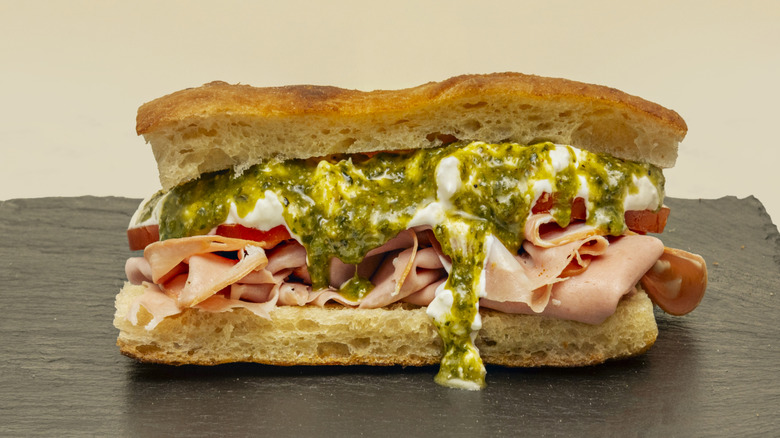
Italians know a thing or two about toppings. They did, after all, bless the world with the best-known vehicle for them: pizza! But they also know how to top a sandwich just as well as — if not better than — a pizza.
Growing up, I spent a lot of time in Italy, so I've eaten my fair share of panini (which means "sandwiches" in Italian). When building a great sandwich in general, there's an art to choosing toppings that balance both flavor and texture: salty with sweet, creamy with a slight crunch, rich and fatty with bright acidity.
Many of the sandwich toppings used in Italy can easily be found in American grocery stores, your local Italian deli, or online, or you can even make them yourself using simple ingredients. And you don't have to be making an Italian-style panino to try out any of these toppings the next time you're crafting a masterpiece between two slices of bread.
Pepperoncini

Not to be confused with their milder relatives, banana peppers, pepperoncini are the spicier pickled yellow-greenish peppers. Just like most pickled toppings, their briny acidity cuts through heavier fillings like pastrami, capicola, or cheddar cheese.
Whole pepperoncini can be found jarred, but sliced into rings — or finely chopped — works best on sandwiches. Chopped pepperoncini peppers give chicken salad a crunchy upgrade, while rings add juiciness to sub sandwiches and bring heat to every bite. If spicy isn't your thing, banana peppers can be used in the same way for a gentler tang while still helping balance heavier flavors and adding a contrasting texture.
Chopped pistachios

Chopped pistachios might sound like they belong on top of yogurt or dessert more than they do on a sandwich — unless it's an ice cream sandwich. However, some of the most sought-after panini in Italy are topped with pistachios. One reason is because pistachios are traditionally found in mortadella, the spiced, rich Italian cold cut similar to bologna.
The subtle sweetness of pistachios balances salty meats and complements the sweet notes found in several preparations of pork. They also pair well with soft cheeses like ricotta or goat cheese. The finer the pistachios are chopped, the better — they're meant to add a soft, contrasting crunch, not a bite the person sitting next to you can hear.
Preserved lemon

Lemons preserved in sugar may also sound like they should be a garnish for dessert rather than a topping on a sandwich. However, in Italian cooking, the bright, sweet flavor of lemon combined with sugar is often used to lighten heavier dishes — similar to why Giada De Laurentiis adds lemon to her grilled cheese.
It can also be used in sandwiches built from richer ingredients like salmon with avocado or cream cheese or in any type of salad sandwich. A little goes a long way, so sweetened lemon works best when mixed into spreads or finely chopped and layered over fillings.
Calabrian chile paste
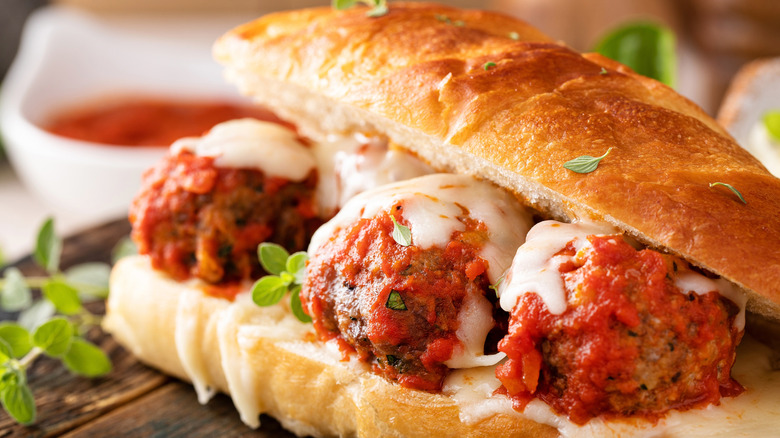
If you like your sandwiches with a kick, you'll love this blend of crushed fiery chiles — grown in Calabria, Italy — mixed with oil, vinegar, and salt. The heat level of Calabrian chiles lands them moderately high on the Scoville scale, ranging from 25,000 to 40,000 Scoville units.
To keep the condiment's spiciness from overpowering other flavors, it's best used in small amounts and balanced with cooling and subtly sweet ingredients. Try mixing a spoonful into ricotta to make a spread or stirring some into tomato-based sauces for meatball subs. Or, swap traditional hot sauce for a few dabs of this chile paste on your next bacon, egg, and cheese sandwich.
Ricotta
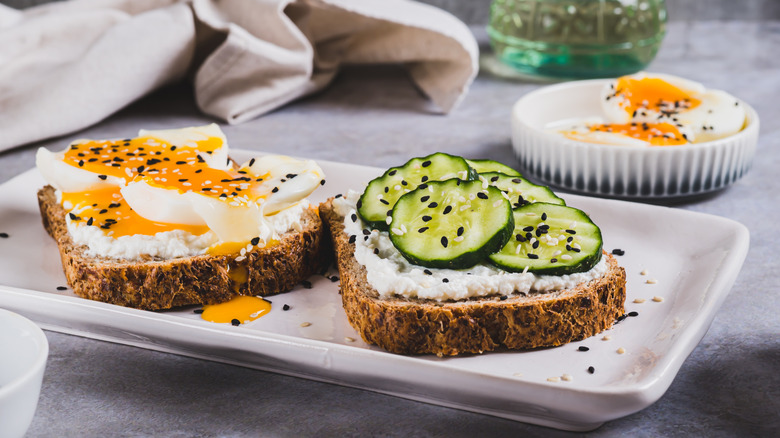
Move over, mayo — there's a new creamy sandwich spread in town! Although ricotta cheese is best known for adding creaminess to lasagna, it's underrated for doing the same job in sandwiches. The subtle tang and slight sweetness of ricotta are similar to the flavor of mayonnaise or cream cheese, but it has a fluffier texture.
For a tasty sandwich spread, try mixing ricotta with minced garlic and fresh herbs or some of the aforementioned Calabrian chile paste. It can also act as the glue that holds together chicken, tuna, or egg salad fillings. Not to mention, it's surprisingly easy to make ricotta at home.
Pesto
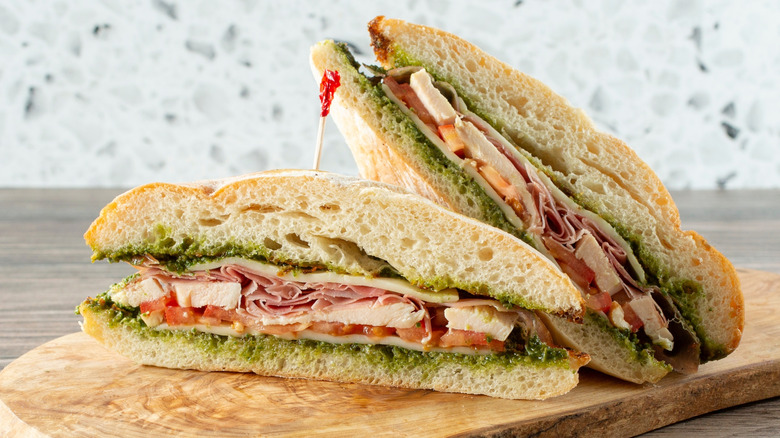
Just as pesto adds a bright, herby richness to pasta and pizza, it can bring the same bold flavor to a sandwich. The most classic version is made with fresh basil, garlic, pine nuts, parmesan cheese, olive oil, and sometimes lemon, but there are countless variations that can be bought at the store or easily blended at home — like fresh or sun-dried tomato pesto.
Because pesto is made with rich ingredients, it adds a burst of flavor to lean proteins and veggies like chicken, tofu, fresh tomatoes, or roasted eggplant rounds. Simply spread it directly onto bread or spoon it over sandwich fillings.
Fig jam
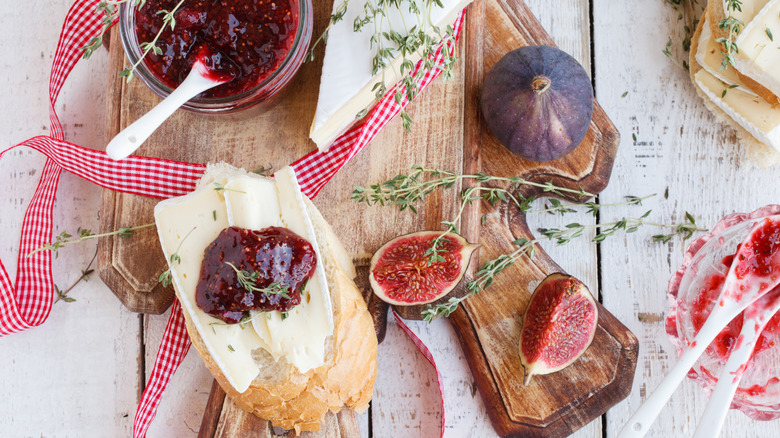
Wild fig trees grow throughout southern Italy, so locals have long put the abundance of fruit to good use, with figs as a sandwich ingredient being one of them. The earthy sweetness provides contrast to salty cured meats, while the acidity cuts through richer elements. These characteristics make it a perfect pairing for fillings like prosciutto, peppery arugula, and mild cheeses like provolone, brie, or goat cheese.
Since fresh figs aren't as widely available in the United States, fig jam is an accessible alternative. If you're a fan of sweet and savory flavors, you'll fall in love with adding fig jam to sandwiches.
Giardiniera
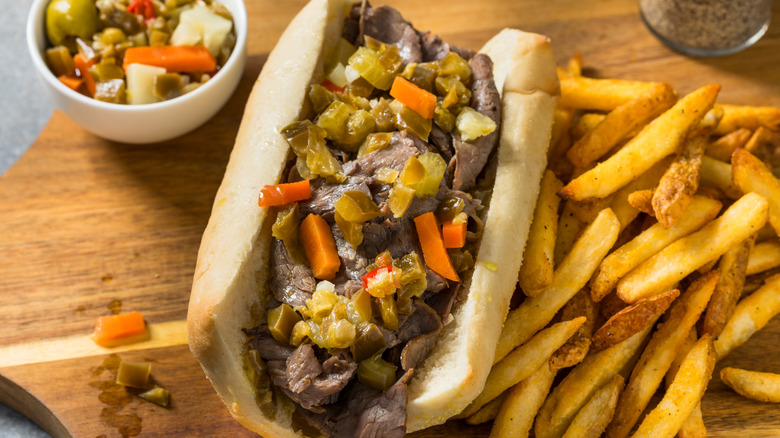
If you're not familiar with giardiniera (pronounced "jar-din-AIR-ah"), it may become your new favorite way to add vegetables to a sandwich. It's a mix of whole or chopped pickled vegetables, most commonly carrots, cauliflower, celery, and hot peppers, the latter of which adds a kick of heat. The acidity and subtle crunch of the veggies are a match made in heaven on top of rich, tender beef (the "hot" way of how Italian beef is ordered in Chicago) or as a textural contrast and tangy topping for an upgraded grilled cheese.
Caponata
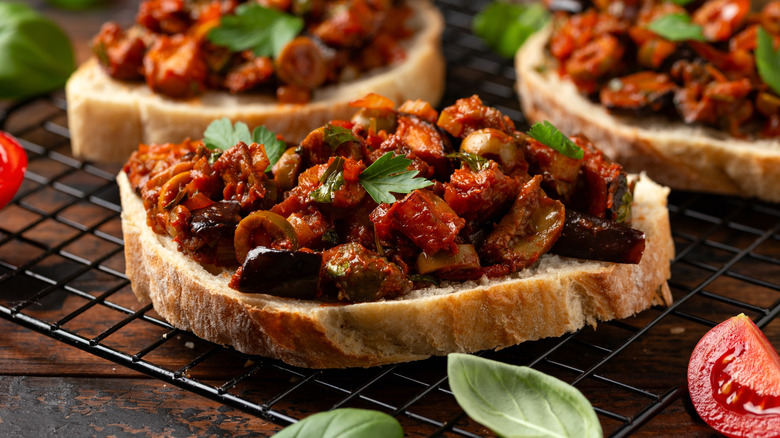
In the United States, caponata hasn't received the hype it deserves compared to other Italian foods. If you're unfamiliar, it's a sweet and sour mixture typically made with chopped eggplant, celery, bell peppers, green olives, capers, pine nuts, herbs, vinegar, and sometimes raisins, all cooked together in a tomato-based sauce.
Caponata might just be the ultimate topping for a veggie sandwich because it's hearty enough to double as the main filling. It can be enjoyed hot or cold, though for a sandwich I find it's best served warm. Its tangy and robust flavors also pair perfectly with rich meats like sausage, as well as mild, melty cheeses like provolone or mozzarella.
Balsamic glaze

You could add a drizzle of balsamic glaze to the bottom of your flip-flop, and it would probably taste good — so you really can't go wrong adding it to just about any kind of sandwich. Balsamic glaze is made by slowly simmering balsamic vinegar to evaporate its water content and concentrate its natural sugars and acids.
You can easily make a balsamic glaze at home or purchase a bottle at the grocery store. The reduction becomes a thick, tangy-sweet syrup that works overtime: Its acidity cuts through rich fillings, its sweetness balances salty flavors, and it elevates other ingredients with similar profiles like tomatoes, goat cheese, or ham.