

How DoorDashers Deal With Rising Gas Prices
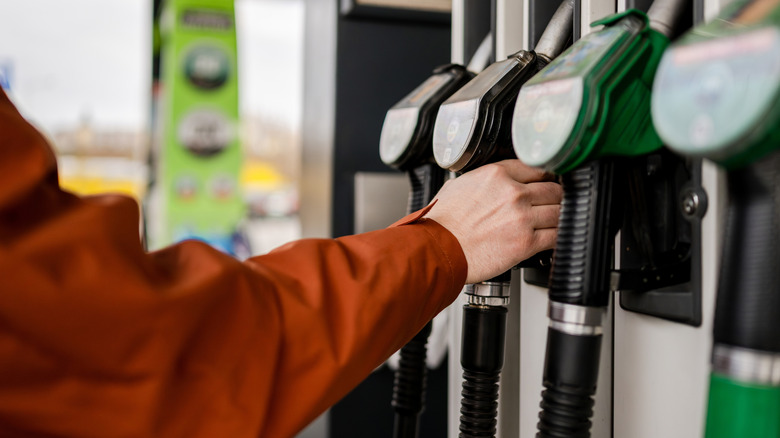
With the United States' and Israel's war with Iran entering its third month and the Strait of Hormuz locked in a strange game of "is it, or is it not open," the price of gasoline has absolutely skyrocketed across the globe. The national average in the United States for a gallon of gasoline has gone from $3.16 this time last year to a brutal $4.48. That's a staggering 40% increase year-over-year on arguably the most pivotal energy source in the world. While the downstream cost increases caused by rising fuel are only just beginning to materialize, DoorDashers are feeling a more immediate impact.
Unless they're driving an electric car (which DoorDash actually gave away as part of a Super Bowl LVIII promotion) or traveling by bicycle, delivery drivers have to keep gas costs top of mind. Whatever they spend at the gas pump directly cuts into their daily wages (and that's on top of the cut DoorDash and Uber Eats take from each meal).
Getting a definitive sense of how this is affecting delivery drivers isn't as straightforward as you might think, since every driver is essentially their own boss and the number of miles each driver logs can vary widely. As there's no office water cooler for these people to gather around, most of the chatter about what DoorDash delivery drivers want happens online. A Reddit post from a month ago asked when delivery drivers were planning on calling it quits. One comment read, "I was doing it for extra cash so I'm pretty much already out with it at almost $4." Another agreed, saying, "I'm going to be looking for a new job soon."
Not every DoorDasher is quitting over gas prices
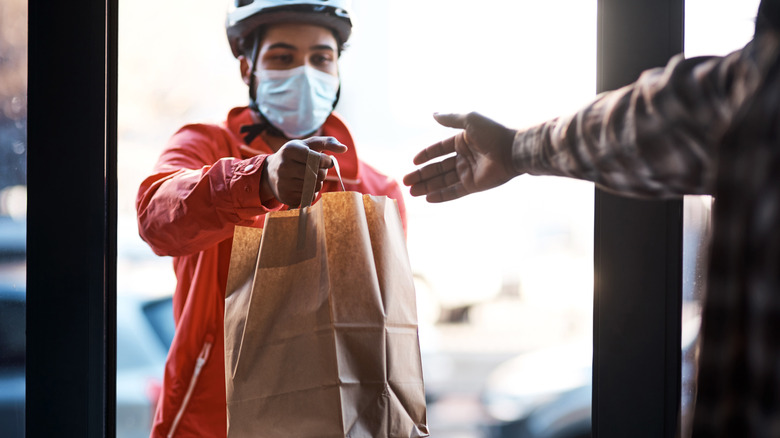
Although there are undoubtedly many DoorDash delivery drivers who are put off by rising gas prices, the truth is most of them won't be leaving the job. "I just minimize the miles that I travel to accept deliveries. The higher gas prices get, the less miles I agree to travel," said one Redditor.
But not all drivers share that sentiment. In a different thread, someone commented, "When you decline orders it goes against your acceptance rating. Can't win. I'm so tired of accepting orders under $5 but it's like I have to or else pay the consequences." From the company's perspective, this practice makes sense, as they don't want customers to assume service can be denied based on location. For drivers, however, that can mean feeling pressured to accept low-paying orders at a time when high gas prices can make longer trips hardly feel worthwhile.
Many drivers have wondered online whether DoorDash would step in and alleviate some of the burden higher gas prices were bringing, but the general consensus is that it won't happen as long as the company has drivers willing to work for them without it. The company reached 8 million drivers operating in more than 30 countries in 2024 and that number has remained stable into 2026. Unless that number starts to dip back down and deliveries begin to go unanswered, there's really no incentive for the company to offer gas assistance. Will higher gas prices lead to that? Honestly, it doesn't seem very likely. As disastrous as these prices are, for many drivers it really only amounts to a small percentage increase to their operating costs.