

11 Easy Ways To Make Beet Juice Taste Better
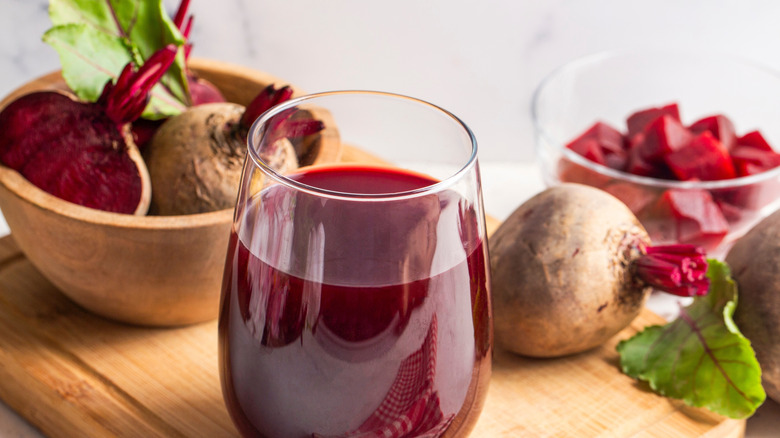
When you're trying to decide what type of juice to have to quench your thirst, freshly squeezed beets probably aren't at the top of your list. Before you completely write off the blood-red-colored beverage, however, consider its many health benefits. The sweet root vegetable contains several nutrients and antioxidants, including iron, magnesium, zinc, and selenium, and has become known as a superfood. Beets may also help lower blood pressure due to their high nitrate concentration and aid the liver in detoxifying the body.
The only downside to beets — besides their ability to stain your fingers a deep purple color — is their taste. While some love their rich, earthy flavor, many others don't. If you're in the second group, your genetics probably explain why beets taste like dirt, but don't give up on this healthy juice. After they're washed well to remove any dirt, beets can be juiced and blended into a wide variety of drinks, smoothies, and even food dishes. When combined with other fresh ingredients, the strong flavor of beets blends harmoniously to create a taste you may even enjoy. As an added benefit, beet juice will infuse any beverage with a vibrant color, resulting in a visually appealing drink. Here are some easy ways to make beet juice taste better.
Blend it with apple, carrot, and ginger
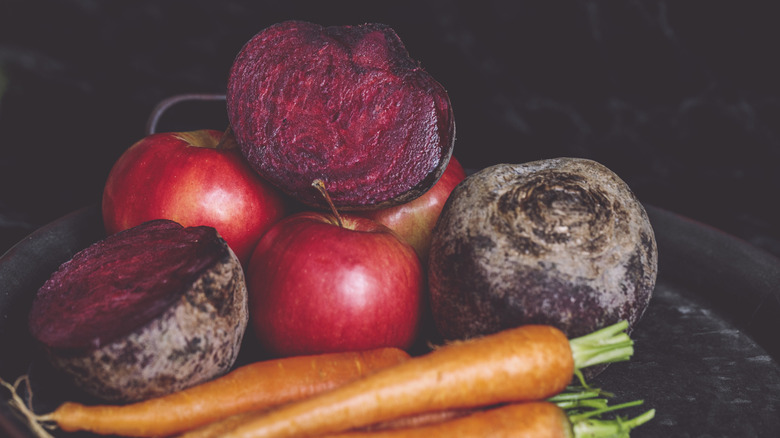
Blending fresh beet, carrot, and apple juice along with ginger creates a satisfying symphony of flavors. Okay, that description may be a little over the top, but it's really good. The natural sweetness of the root vegetables and apples is perfectly balanced by the spicy zing of ginger, creating a vibrant beverage you can drink for breakfast or as an afternoon pick-me-up. While full-flavored beet juice may be a bit too much on its own, it becomes much more palatable when combined with the other healthy ingredients. For convenience, you can buy minced or grated fresh ginger in jars, so you don't have to spend time on that step.
When you're choosing which beets to juice, go with firm, unblemished ones, and you can extract them with or without their leafy greens. Pick the apples according to their sweetness level. For instance, if you're craving a tangier juice, stick with tart Pink Lady, Braeburn, or Granny Smith varieties, or go with Gala or Honey Crisp for a sweeter sip. You won't need much ginger to give the vibrant beverage a touch of warmth, and the amount is totally customizable according to taste. For a richer flavor profile, consider roasting the carrots before juicing.
Hide beet juice in a smoothie
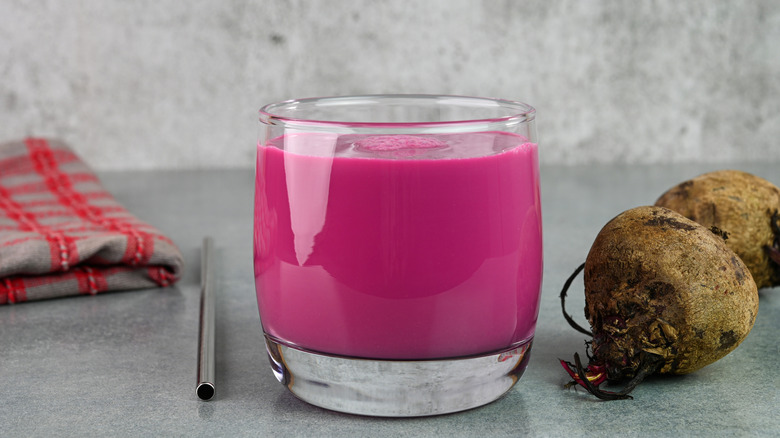
You already know that smoothies are the perfect place to hide vegetables that you might not otherwise love, such as spinach. Blending less-than-delicious ingredients with tasty ones — like ripe, juicy strawberries, frozen bananas, and creamy Greek yogurt — is the ideal way to reap more nutritional benefits. While you may still detect a bit of earthiness from the beet juice, the root vegetable's sweetness will mix and mingle well with the other smoothie goodies. Another plus is that beet juice will turn your morning beverage a delightful shade of pink. Just make sure you avoid a few common pitfalls when making smoothies.
Although it may seem like a time-consuming process, you can whip up a tasty, nutrition-packed smoothie in a matter of minutes using just a few ingredients. Pour the beet juice into a blender along with frozen bananas and berries for an on-the-go meal. If you want to get fancy with it, garnish your glass with a few sprigs of mint or a sprinkle of shredded coconut. Other yummy smoothie ingredients that complement beet juice include almond and coconut milks, pineapple, mango, and orange juice.
Turn it into soup
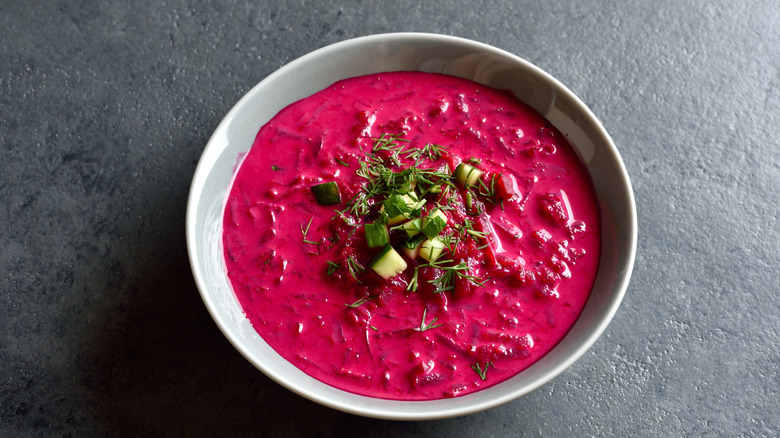
Another way to make beet juice tastier is to transform it into a soup, such as traditional borscht or a simple vegetable soup. The rustic, flavorful juice will blend with the other savory ingredients to create a meal that is delicious with every bite. When making the soup, you can use beet juice in place of or along with other liquids such as chicken, beef, or vegetable stock or broth. The vibrantly hued juice will give the soup an earthy flavor along with an eye-catching color. When you're juicing the beets, save their greens to add to the soup as well.
Classic Ukrainian borscht recipes call for beets, chicken broth, potatoes, carrots, and a few other ingredients. You can include white cannellini beans for extra protein, and top the bowls of ruby-colored soup with fresh dill and dollops of sour cream. Borscht also makes for a great chilled summer soup. If you want to make a basic beet vegetable soup, throw in tomatoes, celery, potatoes, onion, and whatever other produce you need to use up, along with beet juice and broth. Using a bit of apple cider vinegar in the soup will add acidity and balance out the sweet beet juice.
Transform beet juice into a cocktail

A beet juice cocktail? Don't knock it until you try it. Although the root vegetable juice isn't a popular guest at cocktail parties, it can add depth of flavor — along with an aesthetically appealing magenta hue — to the boozy beverages. You may not think that the naturally sweet root vegetable juice tastes good on its own, but when combined with other cocktail ingredients, it takes on a new flavor. The key is to combine it with the right type of alcohol, juices, syrups, and seasonings that bring out the best in the beets. You can either add the beet juice to your favorite cocktails as a surprise element or substitute it for another ingredient.
Beet juice works well with a variety of spirits, including gin, tequila, bourbon, and whiskey. As one option, blend the juice with bourbon, maple syrup, and lemon juice to create a sweet-and-sour cocktail. Don't forget to garnish your drink with a lemon peel twist. Whip up a Tom Collins-inspired drink with beet juice, gin, and mixers such as lemon or grapefruit juice. Rye whiskey and beet juice are a match made in cocktail heaven as they share earthy flavor notes. If you have pickled beet juice, add some vodka to create a bloody mary or a pretty pink dirty martini. These rose-hued cocktails are ideal for serving at bachelorette parties or any other event requiring a soft, feminine touch.
Add a pinch of salt
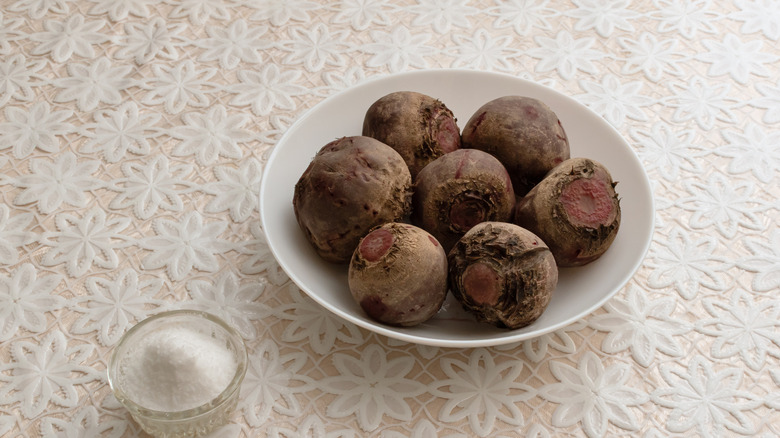
While a spoonful of sugar may help the medicine go down, it's salt that has the magic touch when it comes to beet juice. Since the juice of the root vegetable is so naturally sweet due to high levels of natural sugars, adding a pinch of salt to your glass will help create the perfect balance. The salty and sweet flavor combination may make a fresh glass of beet juice a healthy treat that you look forward to rather than dread. In addition, a bit of salt can help bring out the beet juice's best flavors and reduce any metallic or bitter aftertaste.
You don't need much salt to enhance the flavor of beet juice. Begin by sprinkling just a pinch per glass of juice, and add another if necessary. Any salt will work in the beet juice, from sea salt to Himalayan pink or Celtic varieties. If you want to give your freshly squeezed juice the royal treatment, experiment with the flavor of higher-end salts, such as fleur de sel and French sea salt. You can also add an unexpected smoky touch with a pinch of smoked sea salt.
Use beet juice to make wine

Perhaps one of the most elite ways to upgrade a humble glass of beet juice is by turning it into wine. Yes, you read that right: You can use beet juice to make a robust homemade wine. All you need to make this vintage yourself is freshly squeezed beet juice, sugar, water, and yeast. You can also add a few squeezes of lime juice for acidity. Pour the simple ingredients into a glass bottle, and ferment for anywhere from two weeks to a year.
Shorter fermentation will result in a super-sweet red wine that you can serve with everything from dinner to dessert. The longer it ferments, expect a drier and more full-bodied wine with a velvety mouthfeel. While you can use just the beet juice to make a tasty red wine, try combining it with other ingredients to make the flavor all your own. Customize your beet wine with peppercorns, raisins, or citrus zest. Adding brewed black tea will help give it body and balance out the flavor, due to the tea's tannins. Before bottling your homemade wine, you can add a bit of brandy if you feel that it lacks body.
Serve it chilled
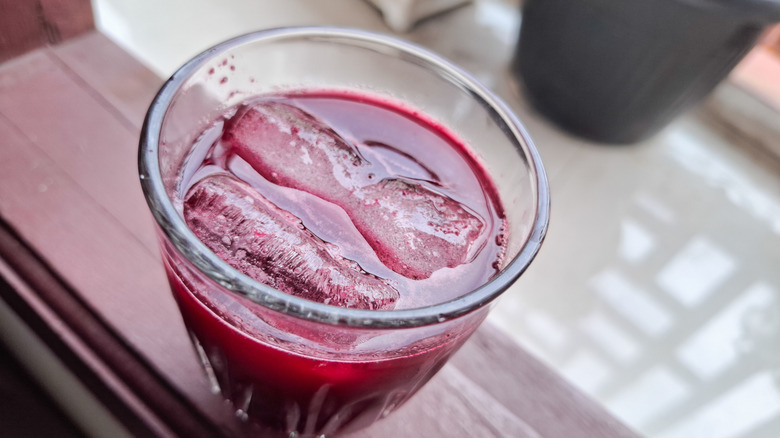
Just like with a lot of beverages, freshly squeezed beet juice tastes best when chilled. Chilling the juice before drinking it will also make it a more refreshing sip during the hot summer months. Especially when combined with other electrolyte-dense liquids — like coconut water — beet juice is the perfect way to stay hydrated when outside in warm weather, or pre or post-workout. Beets contain plenty of potassium, which may prevent muscle cramping and fatigue. The potassium in beet juice also helps balance your body's sodium levels, lowering blood pressure.
With all the health benefits beet juice provides during warm weather and exercise, serving it chilled is the easiest way to make it go down, even if you don't love its sweet, earthy taste. To quickly cool down just-squeezed beet juice, set the bottle in an ice bath. If you have more time, freeze some of the beet juice in an ice cube tray, and then add it to your glass before drinking. Regular ice cubes may water down the juice, making it taste even less appealing. To give it an extra layer of flavor, add frozen fruit juice cubes instead, such as apple, orange, pineapple, or grape. Pouring freshly squeezed beet juice into a chilled glass is another surefire way to cool it down.
Add a squeeze or two of citrus
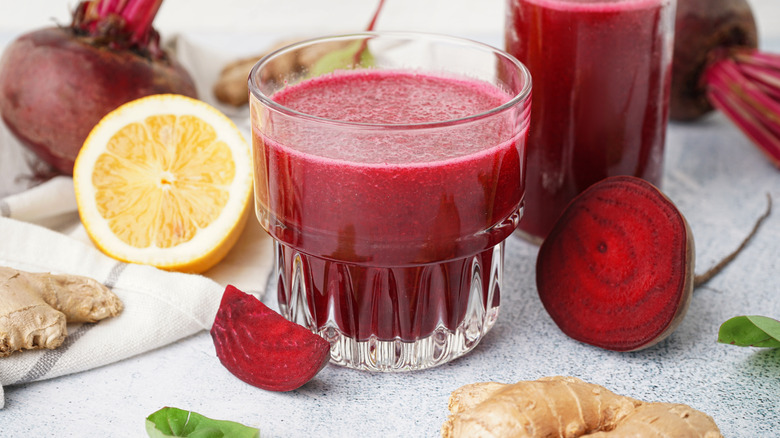
Not only will mixing your beet juice with a splash or two of citrus add nutrients like vitamin C, but it may also make the blood-red liquid more palatable. Citrus will infuse the beet juice with brightness and vibrancy, transforming the beverage into a nutrient powerhouse. While plain beet juice may taste too dirt-like on its own, adding any citrus — such as orange, lemon, or lime — cuts back on the earthiness. A citrus-beet juice concoction is especially tasty for those who love a sweet and tart flavor combination. The sour zing of citrus will help balance the natural sweetness of the beet juice and cut back on some of the mineral-rich taste.
When measuring how much of each type of juice to use, consider a ratio of 8 ounces of beet juice and 4 ounces of citrus juice. To add a more dynamic flavor profile, you can also mix in 4 ounces of another type of freshly squeezed juice, such as pear, pomegranate, or celery. Conveniently, store-bought citrus juice will blend just as well with your beet juice as its fresh-squeezed counterpart. Use this ultimate ranking of store-bought orange juice brands as a guide when grocery shopping.
Wash the beets before juicing
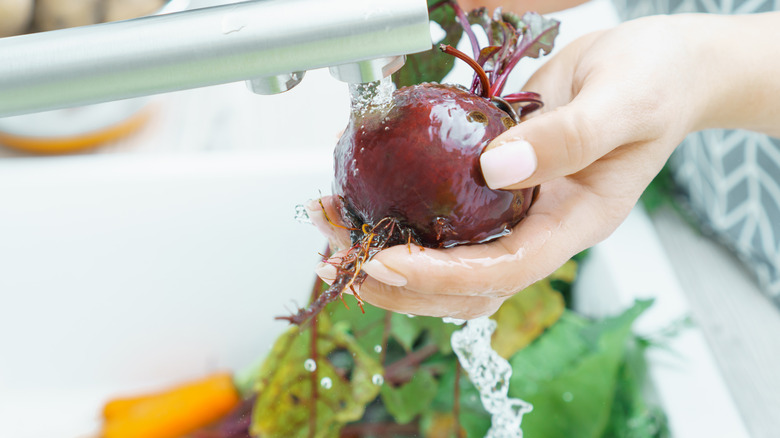
It may seem like a no-brainer, but it's important to wash your beets before juicing them for several reasons. Since beets are grown underground, they're exposed to any pesticides used in the soil during growth. It's important to thoroughly wash beets before juicing to reduce the risk of ingesting contaminants. Besides alleviating any concerns, washing the root vegetable also improves its taste by removing any residual mud from the surface. Just make sure to wash your fresh produce at the right time.
While you can peel the beets before juicing them to get rid of any toxins or dirt, you may be throwing away essential nutrients in the process. The skin of beets is nutritionally dense, so peeling it off seems like a waste. Instead, give the vegetables a good scrub under lukewarm, running water before throwing them into your juicer. Rub your hands over the beets briskly to remove as much dirt, contaminants, and microorganisms as possible. You can also scrub particularly dirty beets with a vegetable brush or soak them in a bowl of warm water to help loosen debris. Avoid using any chemical cleaners such as soap, bleach, or even commercial produce washes when cleaning the beets.
Flavor beet juice with herbs and spices
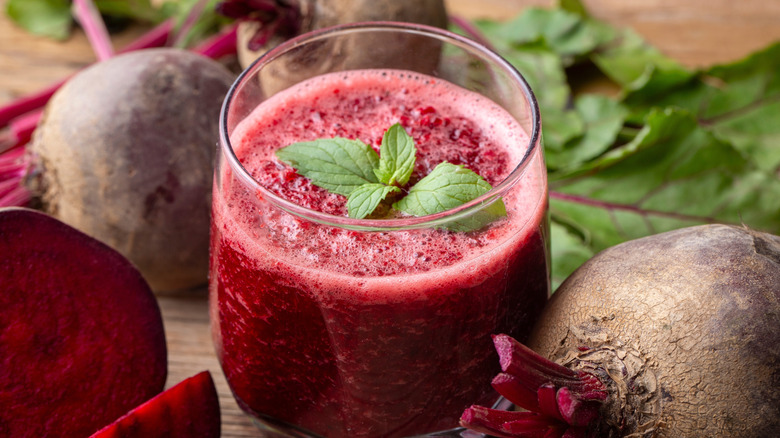
One of the easiest and healthiest ways to make your beet juice tastier is by enhancing it with fresh herbs and spices. Fortunately, there is no shortage of seasonings you can use to upgrade beet juice, making the beverage completely customizable. When possible, use fresh herbs from your garden or a farmers market to infuse the red juice with vibrancy and a unique taste. Along with a pinch of salt or a squeeze of something sweet, such as honey or agave syrup, choose herbs and spices according to their specific flavors or heat level. Mix and match different elements to create a one-of-a-kind juice that you may end up loving rather than dreading.
For instance, if you love savory flavors and the taste of pickled beets, consider making a fermented beet juice with pickling spices such as fennel seed, dill, peppercorns, caraway, and celery seeds. To prevent the spices from floating in your drink, add them to the glass first, then cover with diced beets. You can also wrap them in cheesecloth or strain them before drinking the juice. As another option, blend the fresh herbs directly into the beverage during the juicing process. Add parsley, peppermint, nettle leaf, dandelion, basil, rosemary, thyme, or any other herb, depending on your desired flavor and added nutrients. Be sure to avoid the biggest mistakes people make with fresh herbs.
Make juice with roasted beets
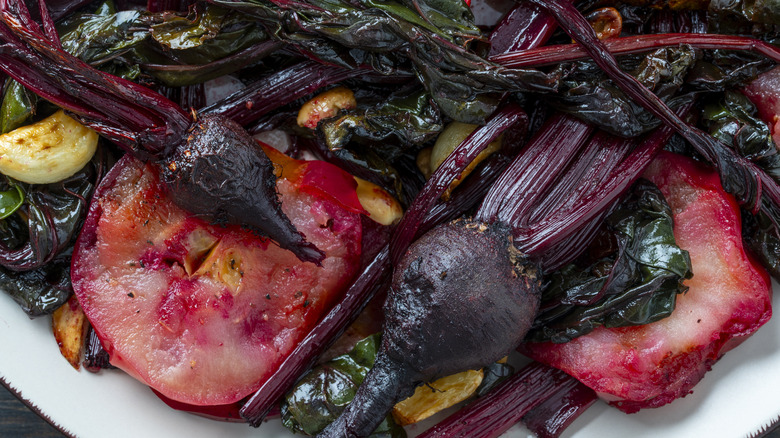
Yes, roasting your beets before juicing them may take a bit more time and effort, but it's worth it. In fact, learning how to roast beets may make them one of your favorite vegetables. Roasting deepens their earthy sweetness, helping to highlight their natural sugars. If you think that beets taste too bitter for your liking, roasting them is an effective way to tone down the bitterness and give your juice a more mellow, almost nutty flavor. You can use a mix of fresh and roasted beets when making juice, depending on your preference.
Before roasting your beets, give them a good scrubbing to remove any dirt and grit. Remove the leaves and tips, and then roughly chop them into similar-sized pieces for even roasting. Roast the beets at 400 degrees Fahrenheit for about an hour in the oven, or until they're fork-tender. Since you'll be using them to make juice, avoid adding any oil or seasonings while roasting. Allow the beets to thoroughly cool before juicing them. If you prefer sweet juice, add other sugary ingredients such as apple juice or agave syrup to the blend. Raw or roasted carrots will also work if you're going for an all-vegetable beverage.