

4 Mexican Dishes Real Life Cowboys Loved In The Old West
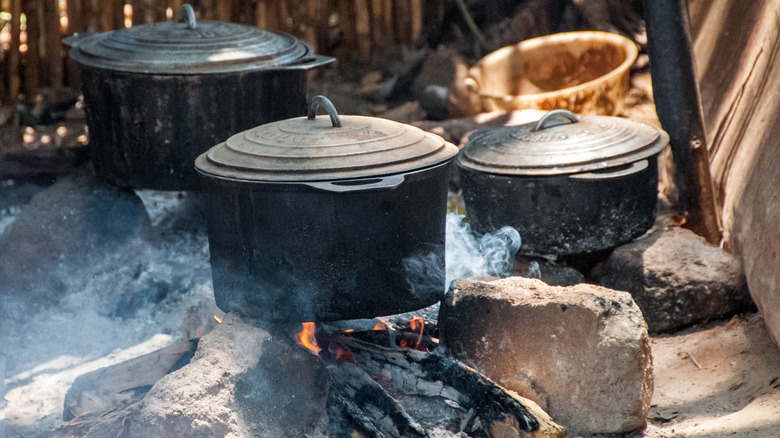
No American history lesson is complete without mention of the gritty Old West. Outside of what many people know from Hollywood's loose retelling, much of the Old West lifestyle, including meals, was adapted from vaqueros. Vaqueros were Mesoamerican cattle herders from modern-day Mexico who traveled the West to herd, brand, and tend thousands of cattle. As pioneers moved west, interactions with vaqueros became more frequent, and culinary influences mingled; easy-to-haul-and-prepare dishes became common among cowboys.
Work days in the Old West were long, often with little respite, so meals needed to be filling and packed with as many nutrients as possible. Chuckwagons were used to carry large amounts of food and supplies and were run by a designated chef, which made eating hot and fresh meals more common for cowboys and vaqueros alike, but the meals were subject to what was available in the area. The culinary favorite that is now known as Tex-Mex was, at one point, a way of life in the Old West. Here are a few of those Mexican dishes that real life cowboys enjoyed at the time.
Huevos rancheros
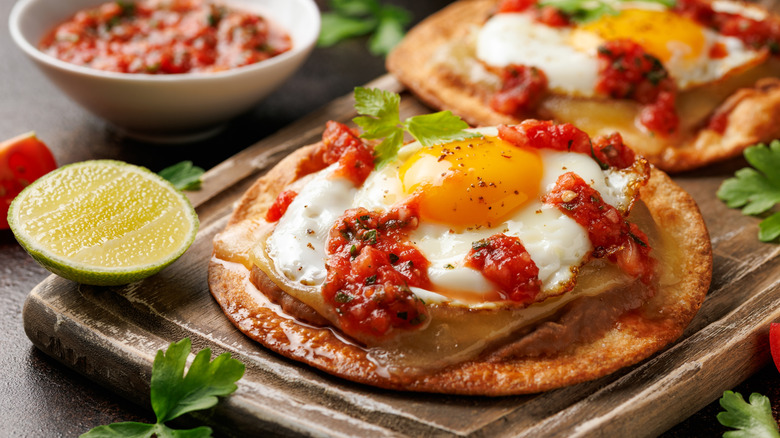
The existence of huevos rancheros is likely to remind us all why breakfast is called the most important meal of the day. The dish itself is a divine combination of fried corn tortillas, beans, and two over easy eggs covered in ranchero sauce. Ranchero sauce is a highly customizable sauce made from tomato and chili peppers with a blend of herbs and spices mixed in. Huevos rancheros, which translates to "ranch-style eggs," is a Mexican breakfast dish.
The meal was popular among farmers and ranchers in 16th-century Mexico and throughout generations it has remained a favorite across Mexico and its bordering states, like Texas. Another way to enjoy this meal is called huevos divorciados. In this version of the breakfast, two eggs are served each with a different type of sauce and separated by refried beans. It's a good choice for those who want to try more sauce varieties. Of course, you could always just eat multiple servings of huevos rancheros too.
Enchiladas
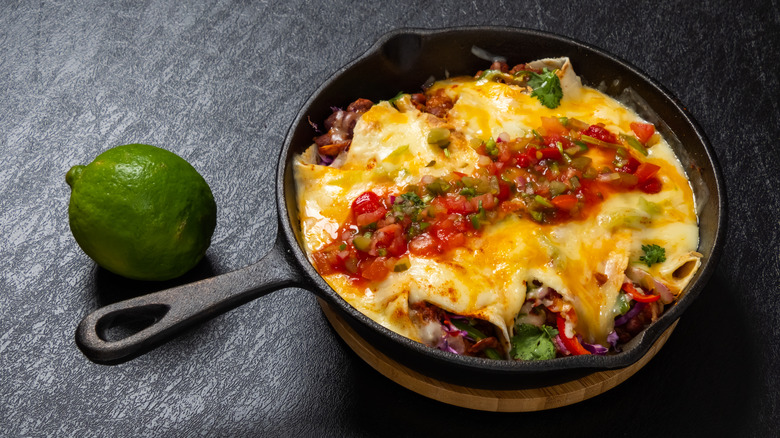
Cowboys spent much of their time on the road, and space was limited. Like vaqueros, they would carry red chili, a few dried tortillas, and charqui (jerky). These ingredients made dishes like enchiladas a frequent choice for dinner after a hard day's work. Cowboys who traveled alongside chuckwagons had more ingredients available, like beans and corn. These days you can make easy enchiladas with frozen burritos or whip out a cast iron skillet and try to replicate Old West versions, but there will certainly be differences between modern enchiladas and what was available to cowboys back then.
While the vaqueros introduced enchiladas to the cowboys traveling through the Old West, the vaqueros themselves learned it from Native Americans in the area. The Native Americans introduced many ingredients used in Latin and Southern foods, and in return the art of silversmithing was passed on to the Native Americans by Mexican blacksmiths, who learned it from the Spanish. Eventually, enchiladas were introduced to cowboys and over the years they have become a household favorite for millions.
Charro beans
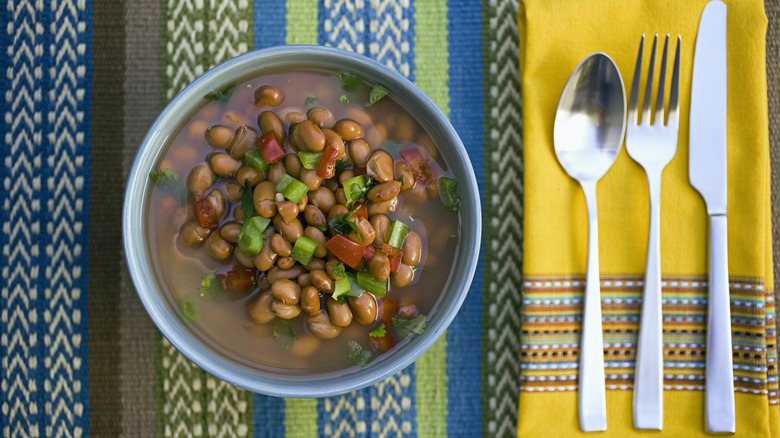
You wouldn't have to travel far if you were looking for beans in the Wild West, as they were one of the most common and easy to keep foods for Old West wayfarers and horseback riders. Charro beans, also called frijoles, were a popular choice and named after the charros — or Mexican cowboys — who ate them. The star of the show, the beans, are pinto beans. Descended from the Anasazi bean, which was popular among Native Americans, pinto beans were great for life on the open range thanks to how easy it is to dry and rehydrate them. Charro beans are a thick, hearty meal made with pinto beans, pork, onion, and garlic. This meal is highly customizable and many people add other ingredients, like chilis and various herbs, to suit their tastes.
Charro beans were one of the more time-consuming meals of the Old West since the beans needed to be soaked overnight to rehydrate and then cooked over a fire for several hours. You can still make charro beans over a fire to discover your new favorite camping meal, or you can make them from the comfort of your own home with a slow cooker. Dried pinto beans can last years when stored properly, so they were a great asset for the open range. Not to mention they're also the absolute best beans to put in chili.
Carne guisada
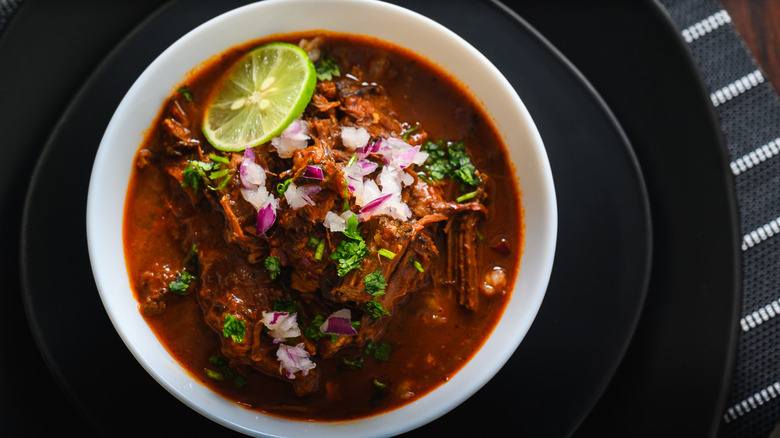
If there's one type of meat the Old West cattle herders were familiar with, it's beef. One meal commonly made with the ingredients hauled in the chuckwagon was carne guisada. Carne guisada is a type of stew made by browning beef chuck and then slow cooking it in a sauce made from peppers, tomatoes, onions, and a plethora of herbs and spices. Don't worry, you can make carne guisada as spicy or mild as you please. The stew is cooked over a fire for about an hour until the meat is tender.
Carne guisada isn't just a popular Tex-Mex menu item. The dish originated in Latin America and remains popular in Mexico, Puerto Rico, and the Dominican Republic. Carne guisada was great for the Old West as it can be made in large batches to feed large groups of tired cattle ranchers. This also makes it the perfect slow cooker meal if you're looking for something you can nibble on over a few days or need to feed a lot of people. The stew is filled with enough meat and vegetables to fill someone up without any sides, but that doesn't mean it doesn't serve up perfectly with a biscuit or a piece of warm cowboy bread.