

10 Seasonings That Totally Upgrade Your Fried Chicken Batter
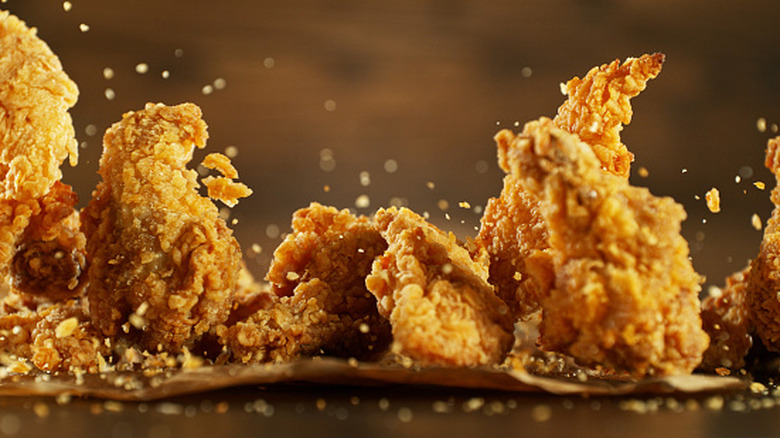
Our team on the ground at the Nassau Paradise Island Wine and Food Festival got into all sorts of intriguing conversations with the chefs in attendance. One conversation dominating the rooms was about fried chicken, and how even the most familiar dishes have room for reinvention.
We chatted with some chefs deeply rooted in Bahamian culinary traditions, including Chef Julie Lightbourn of Sip Sip at Atlantis; Chef Deja Rutherford, the owner of private chef company Kitchen Culture; Chef Shawn Cooper of Mexicaba; Chef Xavia Higgs of POW! food truck; Chef Chellcy Martin from Vell Monkey Foot; and Chef Antonio Williams of Da Food People. They were joined by internationally acclaimed names including Chef Michael Symon, the cookbook author, TV personality, and owner of restaurants like Angeline in Atlantic City; Chef Glenn Rolnick of Carmine's in New York City; Chef Antonia Lofaso of Dama in Los Angeles and others; and internationally acclaimed chef, restaurateur, cookbook author, and TV personality Ian Kittichai. Each shared their fried chicken expertise.
Our experts agreed that it's very possible to find great fried chicken all around the world. More importantly, making fried chicken isn't just about learning proper frying techniques; it's about considering every element of the dish, from the marinade to what goes into the batter. The right seasoning can completely transform the final result. Here are 10 chef-approved ingredients that'll take your fried chicken from standard to standout, each backed by expert insight and a whole lot of kitchen wisdom.
1. Buttermilk
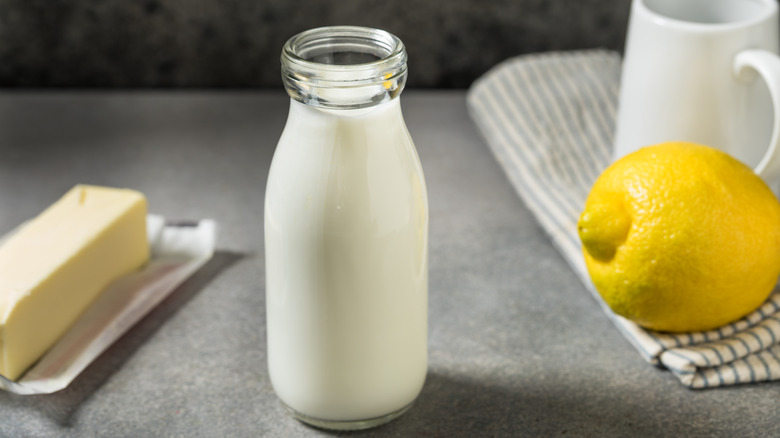
Buttermilk is no stranger to great fried chicken, and there's good reason for that. It walks the perfect line between acidity and richness, and is therefore often considered an ideal marinade. As Chef Antonio Williams explains, adding buttermilk to your fried chicken recipe accomplishes two things: It tenderizes it, and it adds fat that helps the chicken to fry up better.
Technically speaking, this is where things get interesting. The natural acidity in buttermilk breaks down the proteins in the chicken, softening the meat without making it mushy. If you use a stronger acid agent like lemon juice or vinegar, this can be a risk. But with buttermilk, what results is juicy meat even after frying at high temperatures. At the same time, the slight tang of buttermilk adds a subtle flavor that doesn't overwhelm any additional seasonings in your batter. You can also add salt and spices directly into the buttermilk to increase its flavor profile.
Another functional advantage of buttermilk is that it creates the perfect surface for your coating to cling to. Whether you are single dipping or double dredging fried chicken, flour clings more evenly to a coated surface. That added fat content, as Williams points out, also contributes to better browning, giving you the deep golden exterior that defines good fried chicken.
2. Celery salt
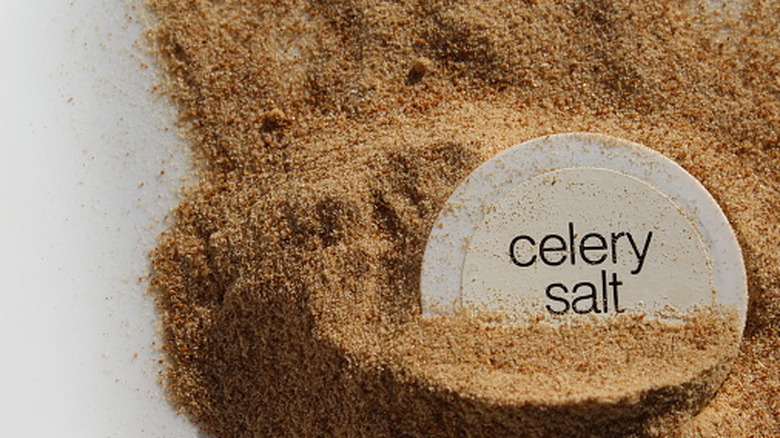
When you think about seasoning fried chicken, celery salt may not be the first thing that comes to mind, but that's exactly why it works. Chef Deja Rutherford says, "You can add celery salt and that is golden on chicken." Unlike garlic or cayenne, its flavor might not be immediately recognizable. Instead, it lingers in the background, adding depth and complexity in a way "that you wouldn't automatically guess, but it keeps them wanting more."
If you don't know what celery salt is, it's basically a blend of ground celery seeds and salt. Celery seeds themselves carry a distinct, herbal note that can lean toward bitter if not used in moderation. When used judiciously, the flavor cuts through the richness of fried food. In a dish like fried chicken, which can very quickly turn heavy thanks to all the fatty and crunchy elements, this subtle sharpness adds contrast. You can mix celery salt directly into your flour dredge — once you choose the best type of flour to use for fried chicken — or add a pinch to your marinade. Alternatively, you could sprinkle it over the chicken right after frying for a final layer of seasoning.
3. Cajun spice
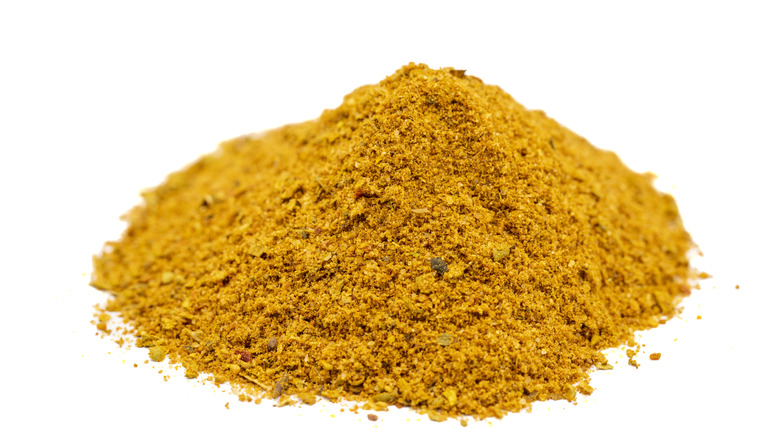
There's one suggestion that pops up often when it comes to seasoning. For chefs like Shawn Cooper and Xavia Higgs, it's their go-to spice for a reason. And if you are looking for a seasoning that instantly wakes up your regular fried chicken, look no further than Cajun spice. Chef Cooper says it's a solid choice for adding heat and that "it gives us a little flavor thrust, basically." Chef Higgs sums it up simply: "A nice kick, a nice spice. But it's not too pepper."
While there is some variation, Cajun spice is typically a blend of paprika, garlic powder, onion powder, cayenne, oregano, and thyme. Thanks to the multi-layered list of ingredients, you can well imagine that it delivers a kaleidoscope of flavors in one handy spoonful (a boon for newbie chefs). This is not a one-note wonder. Cajun spice gives you warmth and color from the paprika, the gentle burn from cayenne, and an appealing earthiness from the herbs that round everything off. Another one of Cajun spice's biggest strengths is its versatility. Toss it into the flour dredge or your marinade of choice or even sprinkle it over the chicken right after frying for the optimal bite. This also contributes to that deep reddish-golden color that makes fried chicken look as good as it tastes.
4. Old Bay and beyond
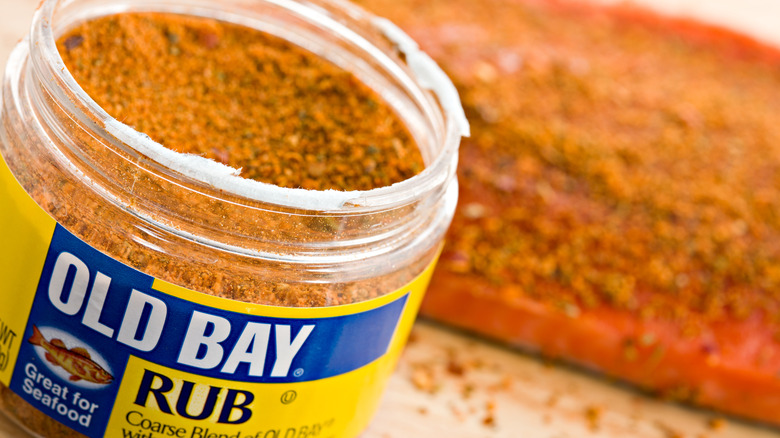
For Chef Michael Symon, upgrading fried chicken doesn't have to mean reinventing the wheel. Sometimes, it's as easy as reaching for a seasoning blend that you can count on to do the heavy lifting for you. When it comes to upgrading the classic dish, he says, "I think Old Bay is a great way."
No doubt, Old Bay seasoning is traditionally associated with seafood. But when you consider what ingredients go into the spice blend, it's easy to see why Old Bay seasoning is surprisingly versatile. It brings together celery salt, paprika, black pepper, and other spices that — when used in dishes like fried chicken — add an immediately recognizable punch.
Best of all, Old Bay enhances the natural flavor of the chicken without masking it. It's also incredibly easy to use. You can mix it straight into your flour dredge, or — like with Cajun spice — sprinkle it over the chicken right after frying for an extra hit of seasoning. For those who want a quick upgrade without having to overthink the ratios involved, Old Bay is the shortcut for perfect chicken-fried steak and fried chicken.
5. Feta brine
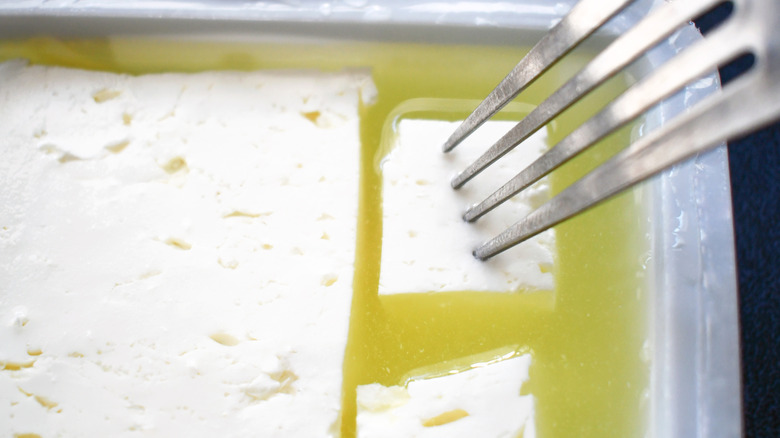
If buttermilk is the classic choice for fried chicken, feta brine is the insider upgrade — and Chef Symon swears by it. He recommends not discarding the liquid feta comes in, and instead using it as the marinade for chicken. Specifically, he says, "I take the chicken and I put garlic and Greek herbs in the feta brine, and I soak the chicken in the feta brine overnight and then flour-fry it. It's really, really good."
It's easy to see why. Feta brine is a genius hack that works on multiple levels. First, it's already seasoned — quite heavily, we may add. Unlike plain buttermilk, which often needs a little encouragement in the form of added salt and spices, feta brine comes loaded with salt, acidity, and a subtle tang from the cheese itself. That may allow it to penetrate the chicken more deeply, seasoning it from within rather than just coating the surface.
There's also a functional advantage to this secret to great fried chicken: Like buttermilk, the salt in brine helps the chicken retain moisture during frying, keeping it juicy while allowing the exterior to crisp up. The acidity simultaneously tenderizes the meat but with a sharper, more savory edge. When you add aromatics like garlic and herbs, you're essentially building a ready-made marinade with very little effort. However, one word of warning: Because feta brine is quite salty, it's best to adjust your seasoning in the flour mix so that everything stays balanced.
6. Garlic, onion, and cayenne
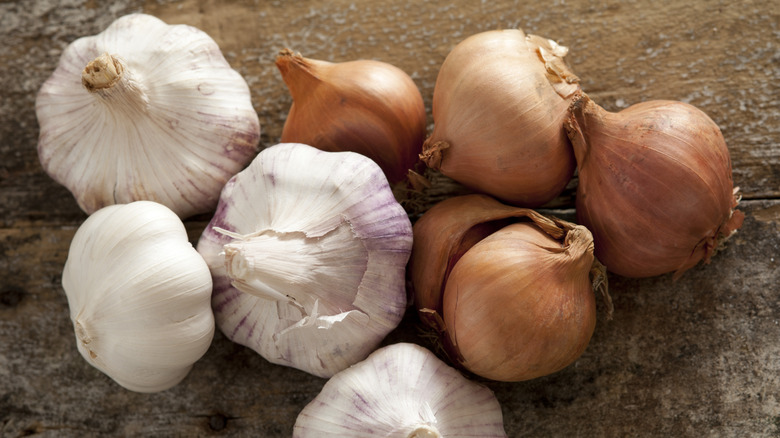
Sometimes, it's best to go back to basics. When it comes to upgrading fried chicken, Chef Glenn Rolnick swears by a simple but powerful trio: garlic, onion, and a touch of cayenne. "Always garlic. Garlic and onion is my top [spice blend]," he says. He also emphasizes the use of granulated garlic rather than fresh, saying, "It gives it a little more flavor and texture in there."
Adding garlic granules and onion powder to the flour dredge works well enough, but a dash of cayenne brings the heat and complements the richness of fried chicken without overwhelming it. This delicious trio of seasonings is Chef Rolnick's secret sauce. He recommends using it lightly. We think that about a teaspoon per batch, tasting as you go, should do the trick.
Chef Rolnick also shared an unusual timing trick with us. He often fries his chicken a day in advance. This longer rest time allows the spices to meld into the meat and coating, creating a deeper, more cohesive flavor that only improves with time. In short, Chef Rolnick reminds us that the most reliable upgrades come from paying attention to the fundamentals, and giving the ingredients enough time to come together.
7. Chicken bouillon
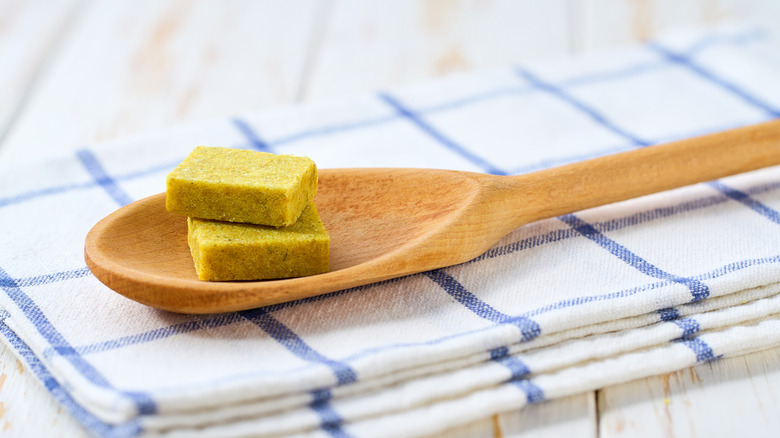
For chefs like Chellcy Martin, adding chicken bouillon to fried chicken batter is an easy way to amplify flavor. As she explains, "It also contains chicken itself in the bouillon. So, I think it it heightens that flavor."
Chicken bouillon comes with built-in salt, garlic, and other aromatics. By adding a little cube, you'll ensure that your fried chicken tastes more delicious, and even more like chicken. Needless to say, for the best results, choose a high-quality chicken bouillon. Look for one with natural ingredients and minimal additives for the best results, and don't forget to adjust the salt in your recipe accordingly.
Chicken bouillon as a fried chicken seasoning works on several levels: First, it acts as a flavor booster; its concentrated notes will give the crust a deeper, more layered taste compared to what a simple flour and salt dredge can provide. Secondly, because it contains salt, bouillon will help the coating brown evenly and enhance the natural umami of the meat. And finally, there's the practical side. Home cooks benefit from this simple and convenient shortcut for maximum flavor. Adding one tiny cube of stock in your flour mix or marinade can elevate the profile of your chicken dramatically, without having to mix and measure multiple spices.
8. Thyme
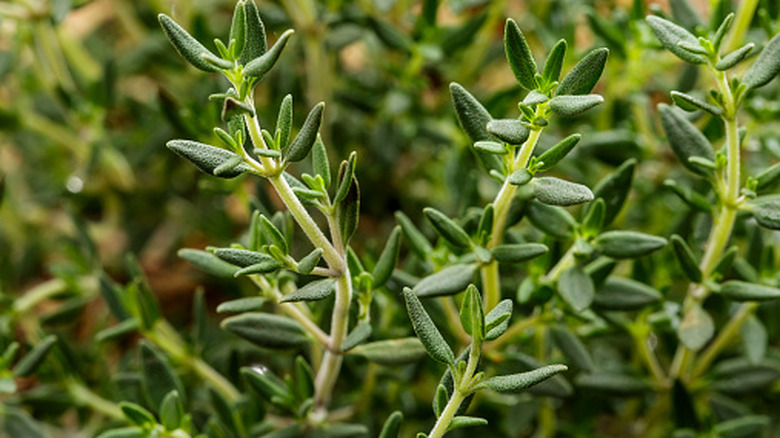
Consider adding fresh herbs to your next batch of fried chicken. In the Bahamas, Chef Julie Lightbourn says, "We put thyme in the batter. In the Bahamas, we grow a lot of thyme."
While the statement is simple, we promise you that the effect on flavor is anything but. Thyme adds a welcome complexity to any dish it graces. With its earthy aroma and slightly minty, lemony undertones, thyme can make rich, greasy fried chicken feel a lot lighter and fresher. In the Bahamas, where the herb grows abundantly, it's a natural choice, and fresh leaves are mixed into the batter. You could also go one step further and incorporate thyme into the marinade as well. A double-whammy of deliciousness? We say, why not?
The beauty of thyme is its versatility. You can use it fresh by way of a few sprigs dropped into the buttermilk or brine, or add a teaspoon of the dried herb into your flour mix. Whether fresh or dried, thyme pairs well with garlic, onion, and even paprika, while its understated character allows it to work behind the scenes, rather than drawing attention to itself. For home cooks, thyme offers an easy way to give fried chicken a touch of sophistication.
9. Thai chili and aromatics
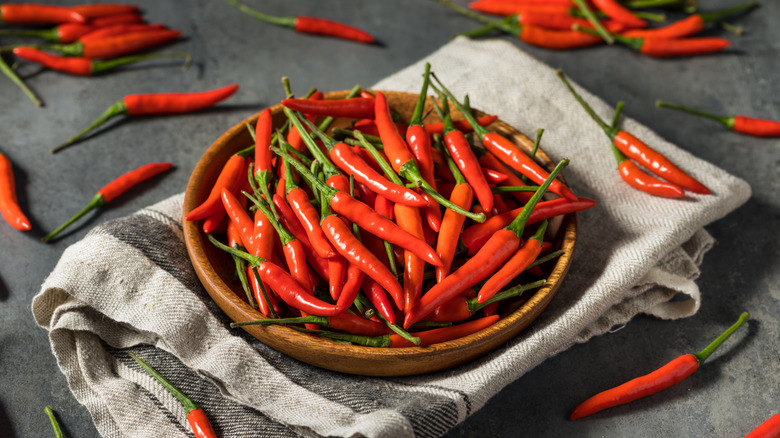
If you like experimenting with new flavors and ingredients, Chef Ian Kittichai's take on fried chicken might be the one for you. Kittichai's version is bold and fragrant, thanks to the addition of Thai chili powder and other aromatics like fresh herbs, lemongrass, makrut lime, and dried shallot. The dish draws inspiration from Gai Tod Hat Yai, a fried chicken dish from the southern Thai province of Hat Yai. To make it, Kittichai says, "We add that spice blend into our batter, [and] marinade the chicken as well ... That is a really nice flavor to add into the chicken after you brine it."
This medley of seasonings does more than heat things up; it also turns the crispy skin of the fried chicken a darker (and more delicious-looking) color. Meanwhile, the lemongrass and lime leaves are sure to provide a welcome citrusy note that cuts through the inherent fattiness of the dish. Chef Kittichai emphasizes that in this recipe, no sugar is needed, either. The aromatics in the spice blend will surely add enough complexity, keeping your fried chicken from tasting one-dimensional.
10. Mustard
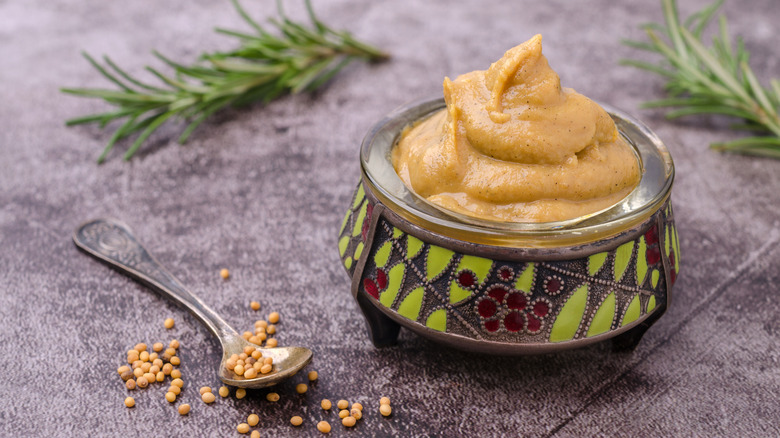
Sometimes, the ideal upgrade is hiding in plain sight. That mustard bottle that's been sitting in your pantry for ages? Here's a new trick for it, courtesy of Chef Antonia Lofaso, who learned from an old-school New Orleans chef that spicy brown mustard can act "like a cheat to brining." She goes on to explain, "It's got your salt, it's got your vinegar, it's got all the things that sort of break down and tenderize as well as [season]."
The technique here is refreshingly straightforward. Chef Lofaso combines mustard with Lawry's Seasoned Salt, and lets the chicken sit for an hour (or ideally overnight) before proceeding with the dredging and frying steps. No multiple buttermilk baths are needed here; just efficient seasoning (and be sure to check for the tell-tale signs that your mustard has gone bad!)
Flavor-wise, you know your chicken is only going to get tastier thanks to the subtle heat and umami of mustard and salt. The combination ensures that the chicken is perfectly balanced and deeply satisfying. In a time when recipes can be unnecessarily complicated, this approach wins us over with its simplicity.