

Is Your Fridge Heatwave-Ready? Pay Attention To These Warning Signs
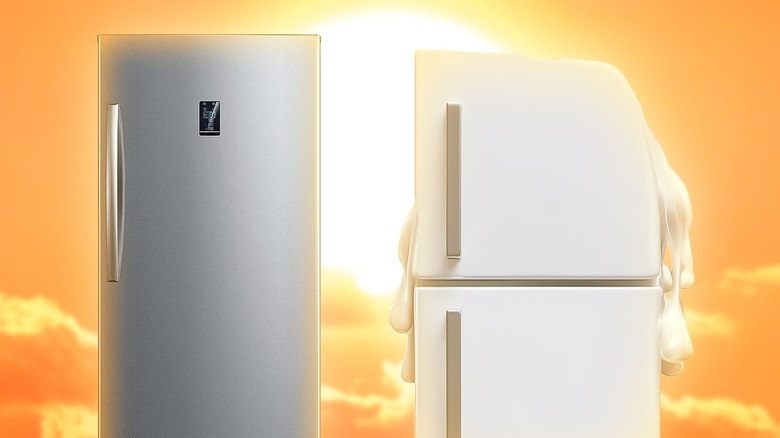
Summer food can be all kinds of fun – Fourth of July barbecues, poolside picnics, deep-fried state fair food on sticks, and heatwaves hot enough that you can literally fry an egg on the sidewalk (well, sort of). One not-so-fun side of extra-high temperatures, though, is the strain they can put on your fridge. The hotter it is outside, the harder this appliance has to work to keep your food cold. If your fridge isn't already in tip-top shape, this extra stress and strain could lead it to break down at a most inconvenient time. There's a right way to thaw frozen food, but having the fridge stop working on a 95 degree Fahrenheit day isn't it. After all, it's not like you can store your perishables outside in the snow (not that you should do this even if the fridge fails in a winter storm).
Even moving to Alaska may not allow you to avoid heatwave-induced fridge failure. In June 2025, temperatures there climbed into the high 80s, which was high enough for the state to receive its first official heat warning. There is, however, an easier and more effective approach to the potential problem, and that's by making sure your fridge is up to the task. In order to do so, you'll need to be aware of any issues with the appliance before summer really starts heating up. The following list of red flags could alert you that it's time to call a repairperson or possibly even shop for a new fridge.
Everything's getting wet
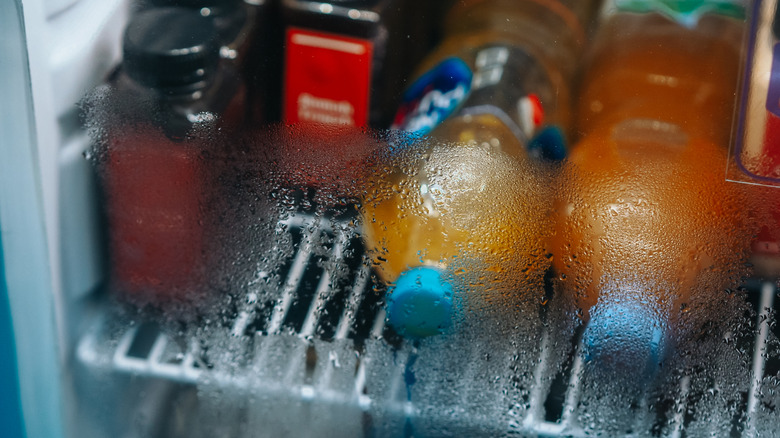
When you open up your refrigerator and everything inside is wet, your first reaction may be, "Yuck!" A small amount of condensation is natural, but it may be caused by user error. Opening the fridge door too often can cause condensation-producing temperature fluctuations, as can putting hot food in before it's been allowed to cool down. Overloading the fridge will also lead to condensation due to uneven cooling. If heavy condensation is always present, however, the problem probably lies in the appliance itself.
One common cause is a damaged door seal that lets cold air out and warm air in (in a heatwave, there'll be a lot of the latter). The temperature control board could also be malfunctioning, or you might have blocked air vents. In the latter instance, the faulty air circulation resulting from the blockage will likely lead to the fridge developing different temperature zones, so condensation may occur in some areas but not others. If your fridge is working hard to keep its cool, you may even see condensation on the outside, giving it the appearance of sweating.
The reason why condensation is such a problem, apart from the unpleasantness of having to wipe off your food before you eat it, is that high moisture levels breed bacteria. Your hard-working fridge will also consume more power, making for higher utility bills. What's more, the stress and strain can ultimately shorten its lifespan, so condensation is an issue that shouldn't be ignored. If it's a vent blockage, you may be able to address this by cleaning them and removing any obstacles, but other issues could require professional intervention.
The freezer is way too frosty
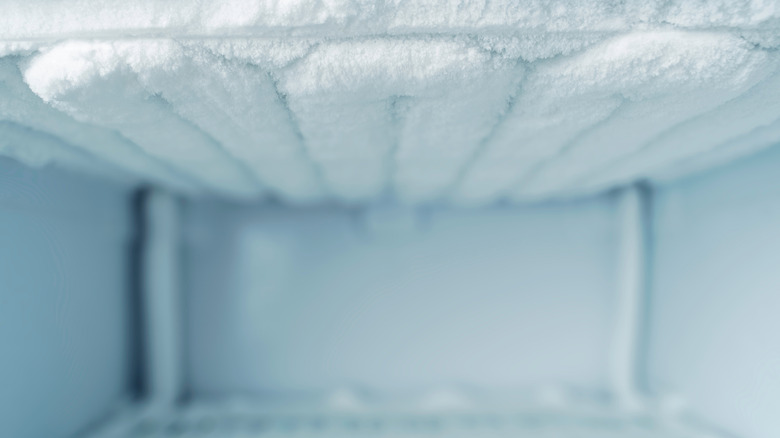
Frost is the flip side of condensation — the latter may form when the fridge gets too warm, but when the temperatures rise again the condensation can freeze into frost. Not just frost; ice can also form inside your fridge if there's a sufficient amount of moisture. Inside the freezer, excessive ice can be a problem since if it builds up it can block the airflow and possibly prevent the temperature sensors from operating correctly.
If the frost and ice is confined to the freezer, it may be time to defrost it. This should be done once or twice a year and is definitely called for if the frost layer is in excess of ¼ inch. The first step in defrosting involves unplugging the fridge and taking out all of the food, which can be stored in coolers or towel-lined cardboard boxes. At this point, it's mostly a waiting game, since the ice in an unplugged freezer can take up to 24 hours to melt. Leaving the freezer door open to let the warmer air in will help speed up the process, as will putting pans of hot water inside.
If the ice and frost are excessive or are causing a problem inside the refrigerator, it may be a condensation issue such as a gasket leak or damaged door. A refrigerator repair person can help you assess the damage and decide whether a fix or replacement is in order.
Food is going bad quicker than it should

One potentially dangerous sign that you need a new refrigerator — or at least need to call for repairs ASAP — is that your food is spoiling fast. This may be caused by the condensation mentioned above since wet food goes bad more quickly than dry food and can even grow moldy. It could also be that your refrigerator isn't maintaining the proper temperature, which should be between 35 and 38 degrees. (Perishable food items stored at temperatures above 40 degrees Fahrenheit are at risk for breeding bacteria.)
There are a few DIY fixes you can try when you first start to notice in-fridge food spoilage. If the fridge is overcrowded, you may need to remove some items. (It's as good an excuse as any for indulging your appetite.) If you have an older refrigerator with exposed coils, you might try cleaning these, as well. While you're at it, check the temperature settings to make sure they're where they should be. If none of these quick fixes solves the problem, it could be that the door seal is cracked, the refrigerant is low, or some other issue that only a trained technician (or a new fridge) can solve.
The fridge is sitting in a puddle
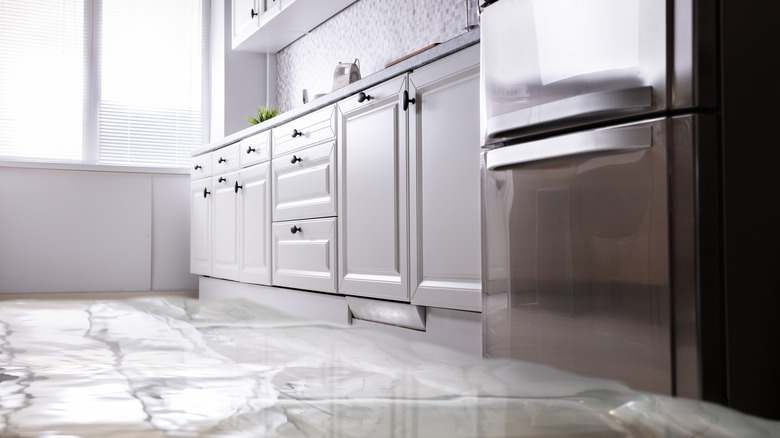
If your refrigerator is sitting in a puddle and you didn't just spill a jug of milk, you may have a problem. Correction: You absolutely do have a problem, the size of which is TBD. It could be that the gasket or seal is damaged, the evaporation pan is full, the defrost drain is blocked, or a drainage hose is clogged. If you have a refrigerator with an automatic ice or water dispenser, this will need to be hooked up to the water line to work, so the supply pipe could be leaking.
In most cases, if there is some kind of fridge leak going on, it's best not to DIY it. Sure, there are a few easy fixes involving an ice maker, should your fridge be so equipped; if it's jammed with an awkwardly-placed ice cube, this can be manually dislodged, for example. If the ice maker is out of alignment, you may also be able to wiggle it back into place. If you're not sure what the issue is, though, or if it's anything that might involve you getting up close and personal with the puddle, leave things to the professionals. Water and electricity makes for a very dangerous mix, after all.
It's making a lot of noise (or none at all)

Whenever anything — your stomach, your car, an appliance — is uncharacteristically noisy, it generally means there's trouble of some sort, and a refrigerator is no exception. It's supposed to operate fairly quietly, with maybe a faint background whirr, but if it starts to hum, buzz, or bang to the point where it's really noticeable or downright disturbing, it's a definite indicator that something isn't quite right. It could be the compressor, the condenser coils, or the evaporator coils, but an issue with any of these means the refrigerator isn't doing a proper job of keeping your food chilled.
Of course, if your refrigerator is ominously silent, that's not good either. If you're lucky, it may just mean the defrost mechanism has gone wonky and can be reset by defrosting the freezer or unplugging the fridge for 24 hours. (The latter should automatically take care of the former.) It could also be that the compressor is malfunctioning, which you can test by turning the temperature setting as low as it can go. If the fridge starts humming again, all is well. If not, make an appointment with a repair technician right away before all of your food goes bad.