

The Reason Prohibition-Era Booze Was Actually Pretty Gross
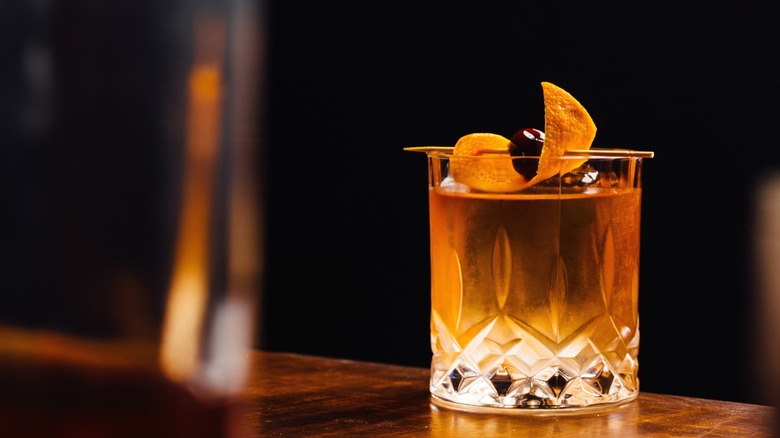
It turns out that liquor, like life, finds a way. After alcohol was banned through the 18th amendment in 1920, men like Al Capone got rich through bootlegging, and underground "speakeasies," or covert bars, began to pop up all over America — some of which still exist today. Unfortunately for Americans looking to slake their thirst after the Great War, this bootleg liquor was usually plain nasty, due to being made in less-than-ideal conditions with subpar ingredients.
When Prohibition went into effect, breweries and wineries all across America shut down — you know, all the places with special alcohol-making equipment and ingredients. Without this valuable infrastructure, bootleggers had to improvise to supplement all the foreign booze they smuggled in. Using industrial alcohol (which they had to chemically treat to make safe for human consumption) or illegal stills, production continued after a fashion, and the liquor managed to flow freely enough.
But this stuff was not easy on the tongue or the stomach. Because it was made quickly and cheaply, none of it had time to age, meaning it was pretty close to raw alcohol. (Drink a swig of rubbing alcohol and see how good it tastes.) And that's not even getting into the unsanitary conditions. With no oversight or regulations, bootlegged liquor (or "moonshine") was often made in rather squalid environments, with manufacturers even using stomach-turning additives to imitate the taste of aged liquor. Dead rats, for instance, could be added to the brew to imitate the pungent bite of bourbon, while imitation scotch was often made with a tar product called creosote to increase smokiness.
Americans adapted with gin and cocktails
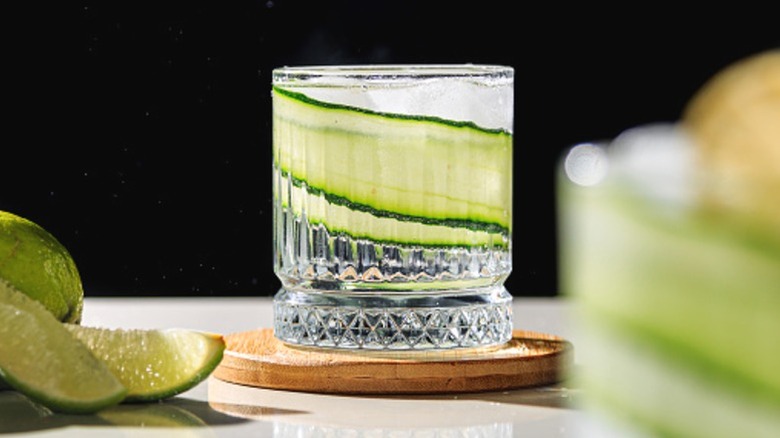
We tend to remember the Roaring '20s as a glamorous, fun-loving time, rather than a moment when flappers and dandies choked down glasses of grody rotgut. But necessity is the mother of invention, and people began to develop ways to make (alcoholic) lemonade out of (nasty bootleg) lemons. Gin, for instance, became the spirit of choice across the nation. Because it required no aging or special equipment, and only needed juniper oil to approximate the taste, it was by far the quickest and easiest liquor to make.
Of course, that didn't mean it tasted good, which was where cocktails came in. Although cocktails had been growing in popularity for a while before Prohibition, they really came into their own over the course of the 1920s, when people desperately needed something to counter the burn of bathtub gin. At first, mixers like fruit juice and cola were used to make it palatable; gradually, however, bartenders and other creative drinkers started to play around. Consider Al Capone's favorite cocktail, the Southside, which was essentially a mojito with gin instead of tequila, or the Last Word, which used Chartreuse (which is made by French monks), maraschino liqueur, and lime juice. It's entirely possible the craft cocktail movement that arrived later in the 20th century would have never happened without Prohibition and its accompanying vile hooch.