

11 Foods That Turn Into The Best Leftovers
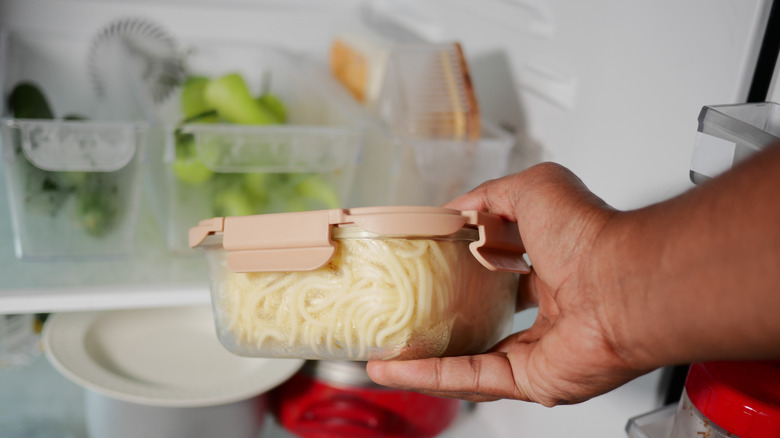
If you're going to make a big meal and don't want to waste the leftovers, make sure it's a dish that tastes even better the next day. Even though many recipes taste best the day they're made and served, some turn into culinary masterpieces the longer they sit in your refrigerator. Their ingredients mix and mingle over time, allowing the flavors to deepen as they break down and meld together. After the dish cools and is allowed to rest for a few hours or even days, depending on the specific ingredients, the distinct flavor and aroma compounds can become more seasoned or mellow. The umami elements in the dish can also become more pronounced, making the dish tastier.
When leftovers are allowed to sit in your refrigerator, some super strong flavors — such as garlic and onion — become less intense, and therefore more integrated with the other ingredients. Strong aromatics lose their sharpness and don't overwhelm the dish like they might have when it was just pulled out of the oven. Some foods, such as casseroles and soups, are almost always more satisfying the next day, so stick to those, as well as the other dishes on this list, when leftovers are your goal. Just make sure to store them properly to avoid the risk of food-borne illnesses, since not even the tastiest of dinners is worth dealing with that.
1. Soups and stews
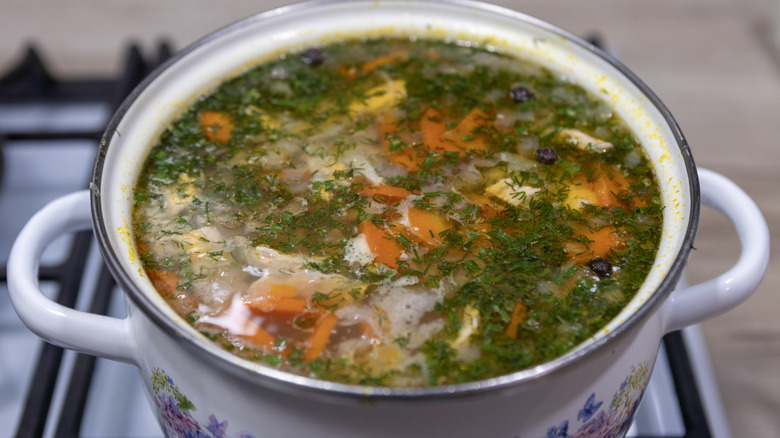
You just can't make a list of foods that are more delicious as leftovers without including soups and stews. In fact, they taste so much better on day two or even three, that you may want to wait to eat them or make a big batch to ensure that you'll have some to spare. If you plan ahead, you may be able to eat the soup or stew for lunch or dinner for a few days, saving you both money and time in the kitchen. Pretty much any type will work as leftovers: Try beef stew, vegetable soup, or chicken consommé, a rich, flavorful broth that is clarified until it's crystal clear.
The reason why soups and stews taste better the next day is because the ingredients — such as carrots, celery, garlic, and onions — have had time to meld together in harmony. The make-ahead meals are also simple to reheat. You can either warm up your soup on the stove in a pot, or microwave individual bowls in 30-second intervals until it's heated through. There are also many creative ways to revive a day-old bowl of soup or stew to make it more interesting. For instance, you could top it with crackers, chips, or croutons; add a dollop of sour cream or butter for richness; or turn up the heat with some hot sauce or chili pepper flakes. To ensure safety, store the soup in an airtight container in your refrigerator for up to four days.
2. Roasted chicken and turkey
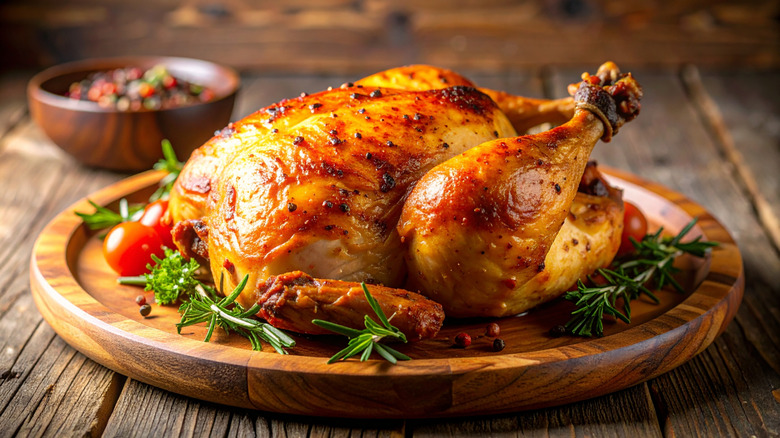
Everyone knows the best thing about Thanksgiving turkey is the leftover sandwiches the next day, and that cold chicken makes a proper picnic feast. If you've roasted a big bird, chances are good that you'll have leftovers to create a few meals in the upcoming days. Although you could just reheat the chicken or turkey and serve it with gravy, the list of other potential ideas is long.
If you're looking for a fast and easy lunch to take to work, a chicken Caesar wrap loaded with fresh, crisp lettuce and creamy, zesty dressing makes a delicious departure from boring soup or salad. If you want to turn your leftover roast chicken or turkey into dinner, add it to a stew, transform it into a stir-fry, or sauté it with broccoli and other veggies to serve over pasta. You also can't go wrong with a spicy chicken gumbo filled with andouille sausage.
When it comes to safely handling chicken and turkey leftovers, time and temperature are the most important factors. According to the U.S. Department of Agriculture, you must keep poultry out of the "danger zone" of 40 and 140 degrees Fahrenheit, which is the range in which bacteria can grow. Place the chicken or turkey in air-tight storage containers and refrigerate or freeze it before it's been sitting at room temperature for two hours, or one hour if the temperature is over 90 degrees Fahrenheit.
3. Casseroles and lasagna
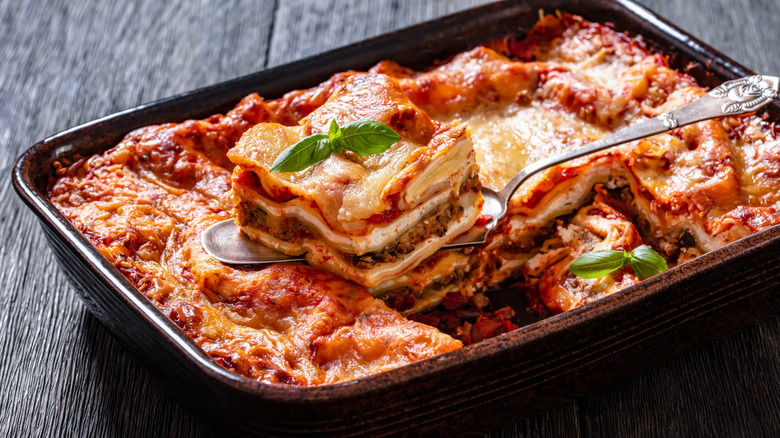
Without a doubt, comforting casseroles taste even better as leftovers. Some of the layered, baked meals you may want to make extras of include saucy, meaty sloppy joe casserole; tangy stuffed pepper casserole; and old-fashioned hamburger casserole, which features ground beef and noodles in a creamy, cheesy bath. Any of these will be better the next day.
Another type of casserole to consider saving for later is an ooey-gooey lasagna. Although the cheesy, pasta-based dish tastes amazing fresh from the oven, its flavors really mix and mingle over the next day or two. There's a reason why lasagna should be made a day in advance, and why it's a dish that gets better with time: In the refrigerator, the flavorful tomato sauce gets absorbed by the noodles, and the cold temperature makes the fat in the meat and cheese solidify, which intensifies their flavors.
Another bonus is that, after it's reheated, leftover lasagna is easier to cut. But for food safety purposes, don't allow casseroles and lasagna to sit out at room temperature for more than two hours, and make sure the food reaches an internal temperature of at least 165 degrees Fahrenheit when reheated.
4. Chili
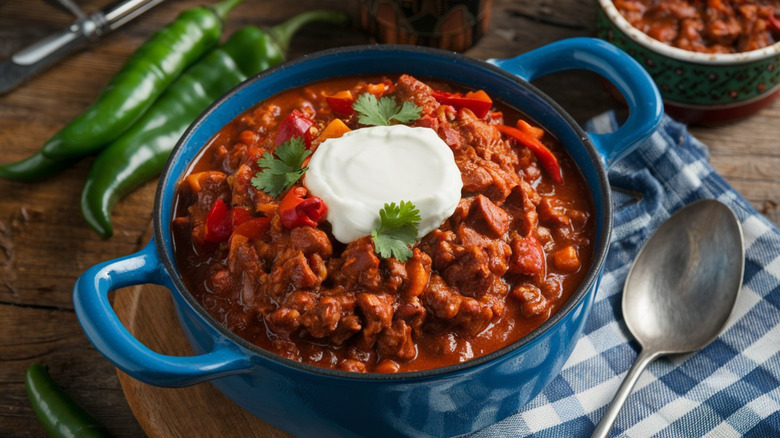
The next time you whip up a pot of chili, be sure to make an extra-large batch so you can enjoy the leftovers over the next several days. One of the reasons chili tastes so much better after it's had time to chill in the refrigerator overnight is that the flavor has a chance to soak into the meat, while the sauce thickens and becomes richer.
While aromatics such as garlic and onions release plenty of flavor throughout the cooking process, they also continue to do so even when the food is chilled. This means that the chili has an extra day to absorb all of that tastiness.At the same time, some of the chili's stronger, more potent flavors — such as cumin and chili pepper — will mellow a bit, creating a smoother, more harmonious flavor. If you prefer a spicier chili, you can add a few dashes of hot sauce or a sprinkle of chili pepper flakes during the reheating process.
It's easy to freeze chili, and then serve bowls of the meaty goodness as convenient dinners in the future. But when saving chili to enjoy later, avoid the common mistakes people make with leftovers. For instance, make sure that the chili is thoroughly cooled before placing it into an air-tight container, where its flavors can deepen in the fridge for the next day or two.
5. Meatloaf
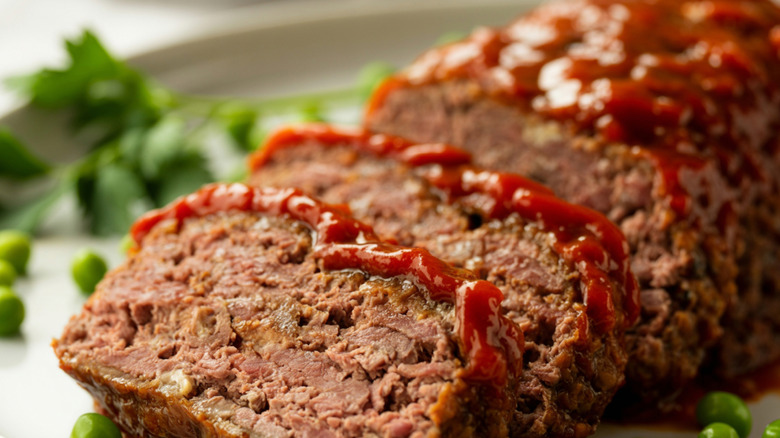
Another dinner you'll want to make enough of to ensure plenty of leftovers is meatloaf. Made with a tasty combination of ground meat, breadcrumbs, milk, and a variety of seasonings and spices, meatloaf is the ultimate comfort food. Although it tastes delicious when pulled fresh from the oven and cut into slices, there's something about day-old meatloaf that will really make your taste buds sing. While they rest overnight, all of the different flavors — such as diced green bell peppers, onions, and steak sauce — have a chance to meld together, creating a melt-in-your-mouth sensation. To take things up another notch, try the best meatloaf addition for a savory dish with a subtly sweet taste.
After storing your leftover meatloaf in an air-tight container for no more than three to four days, there are many different ways to enjoy it, ranging from traditional to more creative. If you prefer to go the classic route, simply reheat it in the oven or microwave and serve it with your favorite side dish. Pasta lovers can break the meatloaf up and serve it over spaghetti noodles topped with marinara sauce. Other ideas include meatloaf chili, meatloaf tacos, and meatloaf shepherd's pie.
6. Tikka masala
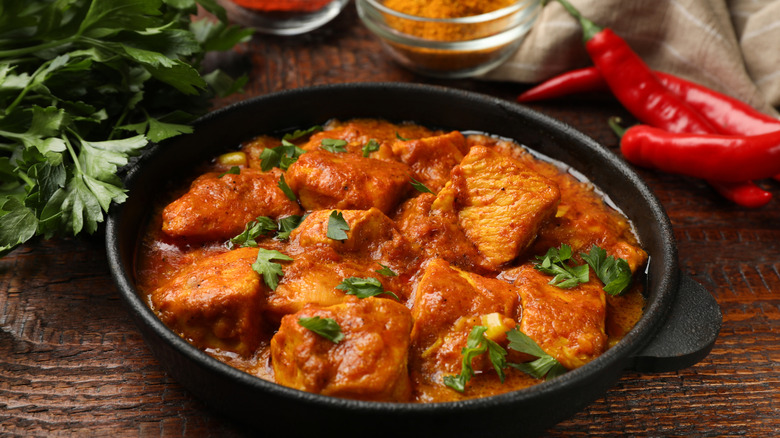
Another dish you may want to make extra of when preparing dinner is tikka masala. You can make a stovetop version of this popular Indian dish instead of splurging on takeout. In addition to saving money, you'll also be able to create enough to ensure leftovers for the next day. The ingredients in this beloved dish — which include chicken, Greek yogurt, turmeric, garlic, ground coriander, paprika, and garam masala — will benefit from having additional time to rest. The spices will meld together to create a deeper, richer flavor, and the sauce will thicken a bit, creating a luxuriously creamy texture. After reheating your tikka masala the next day, you may even find that it's better than takeout.
Tikka masala is easy to customize since you can adjust the heat level when making it yourself. You can store tikka masala in an air-tight container in your refrigerator for up to two days. If you want to enjoy it later in the future, put the sauce in zip-top freezer bags, label those with the date, and lay them flat in the freezer. The leftover tikka masala will last in your freezer for approximately two months.
7. Fried chicken
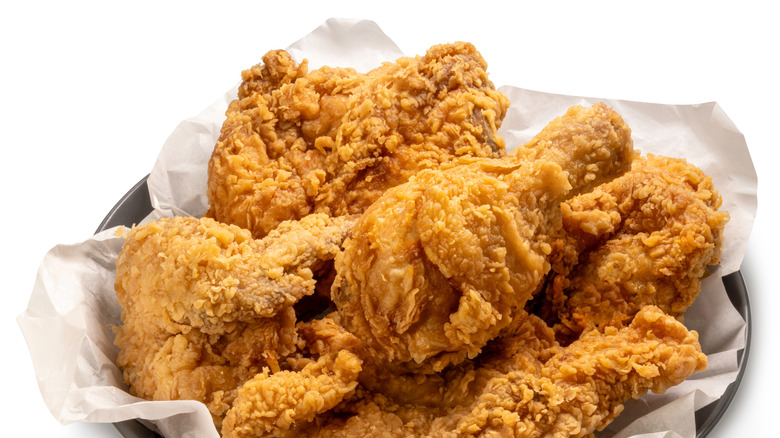
Like roasted chicken, fried chicken gets better after resting in the refrigerator for a little while. The only difference is how you enjoy eating the leftovers the next day. While roasted chicken is the perfect base for salads and sandwich fillings, its fried counterpart tastes perfect just as it is. While you can reheat fried chicken in your oven or air fryer for a crispier crunch, simply pulling it out of the refrigerator and devouring it as-is makes for the ideal on-the-go lunch or picnic basket filler. For the most delicious version possible, see our tips for the best fried chicken.
If you're making fried chicken with the intent of enjoying it as leftovers the next day, make sure you give it the crunchiest batter possible, so that it holds up well after chilling in the refrigerator. One way to ensure this is by triple-dipping the chicken legs, breasts, thighs, and wings in a generously seasoned batter. Spices such as paprika, black pepper, and poultry seasoning will meld overnight, giving you a flavorful bite the next day. The USDA says that cooked chicken will last in an air-tight container for up to three or four days in a refrigerator set to 40 degrees Fahrenheit or lower.
8. Baked ziti
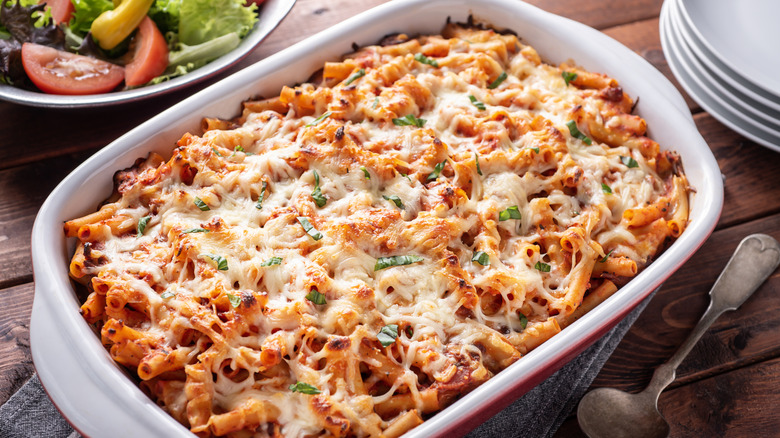
Baked ziti is one of those Italian dishes that benefits from an overnight stay in your refrigerator. It's similar to lasagna in that it often features ground beef or Italian sausage along with pasta, marinara sauce, and plenty of mozzarella cheese. But this is more like lasagna's casual cousin. The dish uses tube-shaped ziti noodles, and instead of layering the pasta with sauce like you would when making a lasagna, the two ingredients are mixed together. The saucy noodles are then layered with mozzarella, meat, and a ricotta cheese and egg mixture.
Baked ziti makes such tasty leftovers because the noodles absorb the zesty, herby marinara sauce as it rests, making each bite bursting with flavor. If you're concerned that the dish may dry out during the reheating process, you can pour another layer of marinara sauce over the top before placing it into the oven. While you're at it, why not add another sprinkle or two of shredded cheese, too? There can never be too much cheese, even when you're enjoying leftovers. Similarly to lasagna and other pasta dishes, you can store tightly-wrapped baked ziti in the refrigerator for up to four days.
9. Beef stroganoff
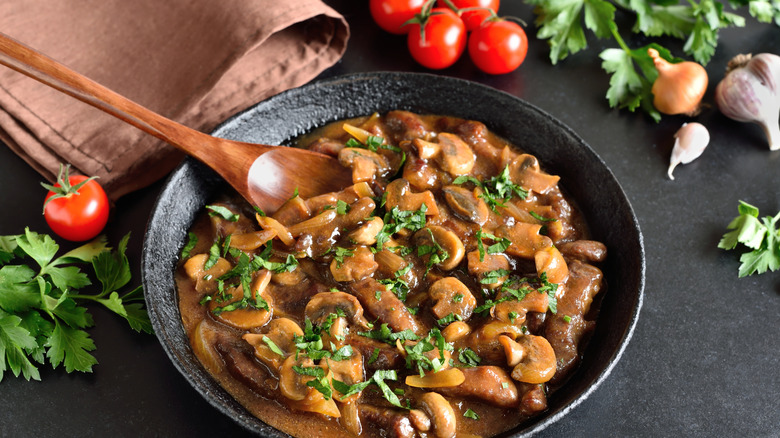
Meaty, creamy, and full of umami flavor, beef stroganoff is one of those dishes that can only get better with time. Classic beef stroganoff typically contains chuck roast or another tender cut of beef mixed with mushrooms and wide egg noodles in a rich, smooth sauce of broth, butter, flour, and tomato paste.
Like any good, saucy recipe, beef stroganoff tastes better after the flavors have a chance to blend in your refrigerator for a day or two. Making beef stroganoff also happens to be a perfect way to use up leftover pot roast. It's a convenient dish that you can make with either homemade or store-bought broth, depending on what you have on hand. Although traditional recipes call for an abundance of earthy mushrooms, you can also throw in sliced carrots. The sauce gets its creaminess from a hefty helping of sour cream, which blends beautifully with the beefy base. After putting your extra beef stroganoff in a container with an air-tight lid, you can store it in a refrigerator set at 40 degrees Fahrenheit for three to four days.
10. Tuna salad
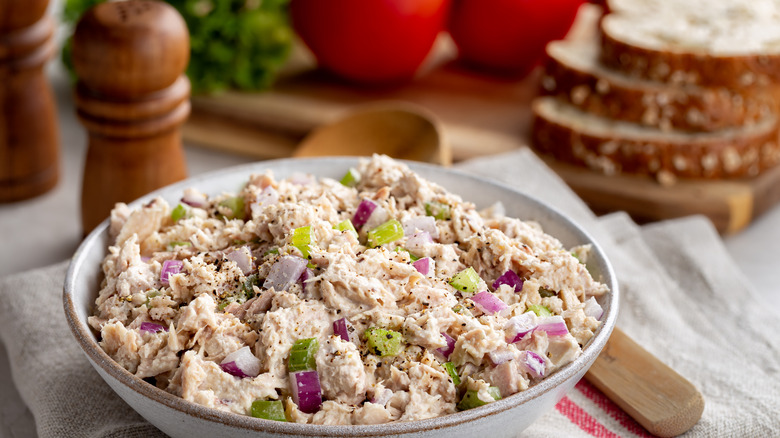
There are lots of different ways to make tuna salad, but no matter which version you whip up, it will taste better the next day. Traditional tuna salad includes mayonnaise, which gives it a rich, creamy base. But from there, everyone has their own favorite version of tuna salad, so the ingredients you use are a matter of preference.
There are many tasty ways to upgrade tuna salad. You can add diced onions or celery for crunch, pickles or capers for tang, mustard, fresh herbs, or even hard-boiled eggs if you prefer a heartier, more protein-packed sandwich spread. If you want yours to taste like the ones you'd get in a New York deli, don't forget to include relish and soy sauce in your tuna salad. Those may be the secret ingredients for a rich, umami flavor.
After you've blended all of your favorite ingredients, you can slather your tuna salad between two slices of bread and enjoy it right away. But if you can stand to wait until the next day to eat it, you'll be glad you did. In fact, make a double or triple batch so that you can eat tuna salad for lunch for a few days. If the salad gets a bit dry in the refrigerator, add more mayo or even a squeeze of lemon juice, and mix well. When placed in an air-tight container or a tightly wrapped bowl, the tuna salad will last for up to four days in the fridge.
11. Pulled pork
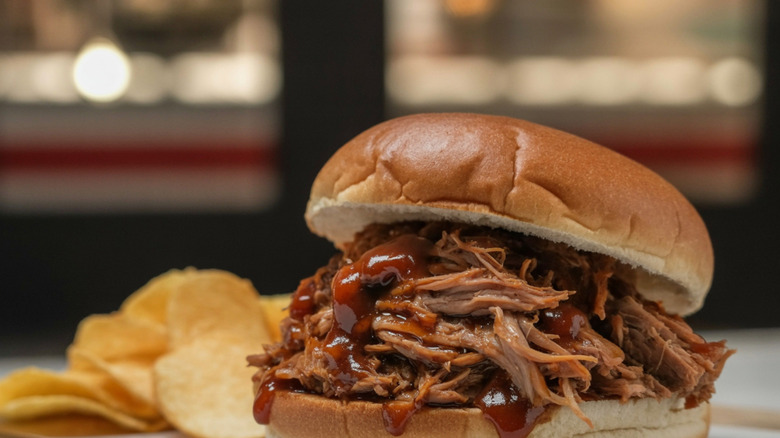
When you make pulled pork, consider doubling your recipe so you can enjoy the meaty, saucy goodness over the next few days. Whether you serve the tender pork as-is alongside cool, creamy potato salad or coleslaw, or opt to pile it high on a fluffy bun, you'll be thankful that you made extra to spare.
Pulled pork is slow-cooked so that the meat becomes tender enough to easily shred with a fork. It's prepared in a robust barbecue sauce, which will continue to penetrate the meat after it's refrigerated, resulting in a full-flavored treat the next day. Not only is leftover pulled pork delicious, but it also makes a convenient meal starter for a wide range of dishes. Use it in tacos in place of ground beef, bake it into a Shepherd's pie, or make a creative stuffed shells dish.
After placing the leftover pulled pork in an air-tight container, you can keep it in the fridge for up to five days. It's also easy to freeze and enjoy up to a few months later. If the pulled pork dries out, add more barbecue sauce to revive it, and reheat it on the stovetop or in a crockpot set at a low temperature. Keep the pot covered to allow it to heat up slowly. As another option, store the pulled pork in a vacuum-sealed plastic bag, and place it in boiling water to reheat while keeping the moisture locked inside.