

11 Easy Ways To Add Flavor To Boring White Rice
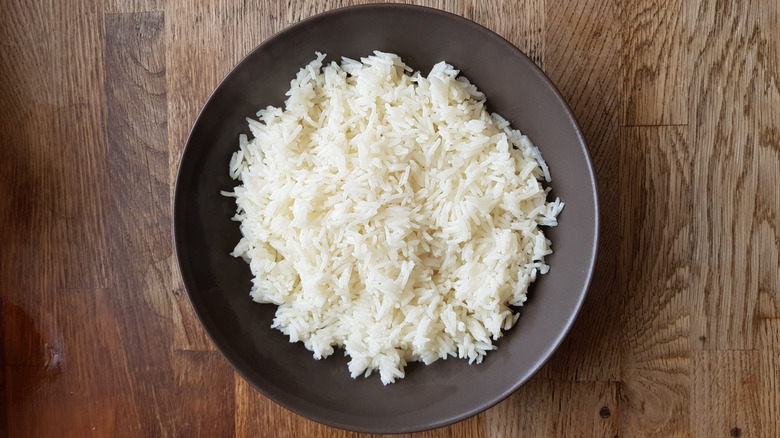
When it comes to pantry staples you use in recipes regularly, white rice is like a blank canvas. Not only does it absorb colors, but it also captures flavors and aromas, making it the ideal base for a variety of sweet, sour, and savory dishes. Whether you want to make a nostalgic, home-style recipe from your childhood or show off your cooking prowess with a Thai, Japanese, or Middle Eastern dinner, it can all begin with a simple bowl of cooked white rice. While this ancient, unassuming ingredient may seem boring on its own, it's easy to transform it into a culinary masterpiece with both basic and creative ingredients.
The beauty of boring white rice is that it's easy to add flavors using just one or two ingredients, or a combination of dairy, spices, aromatics, and fresh herbs and produce. To find out the best ways to transform your lowly bowl of rice from bland to mouthwatering, we asked some professional chefs from around the country for their tried-and-true tips and tricks. Weighing in from Omakase Shoji & Izakaya in Chicago is Chef Shoji Takahashi, Chef Becky Geisel comes to us from Bex Kitchen & Catering in Califon, New Jersey, and Chef Rodney Freidank shares his expertise from Lefty's West End Tavern in Greenville, South Carolina.
Replace water with flavorful liquids
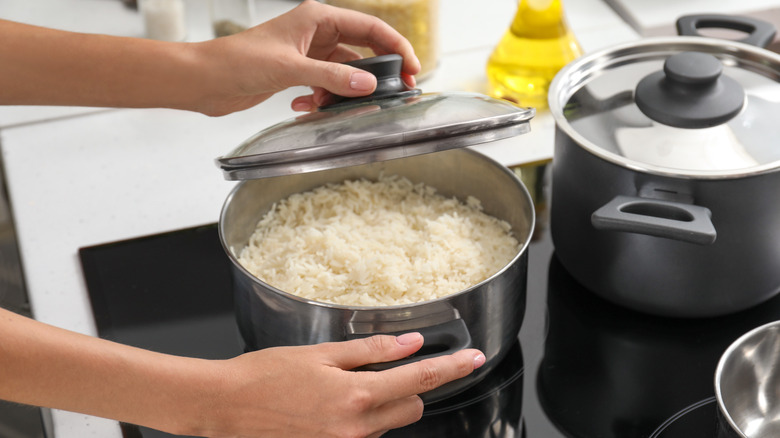
You have to cook white rice in liquid, so why not make it something flavorful? While boiling the grain in plain water will do the trick, it won't make it taste amazing. Since you need some sort of liquid, choose one that will infuse the rice with a delicious taste. You most likely already have broth or stock on hand, whether it's homemade or store-bought, which you can use instead of water for boiling. As another option, use half water and half broth for a more diluted flavor.
Chef Shoji Takahashi says that when he wants to boil white rice in something other than water, he reaches for dashi, a mouthwatering blend of water and umami-rich ingredients such as kombu (dried seaweed) and katsuobushi (dried bonito flakes). "Dashi is an excellent option in Japanese cooking and adds depth without making the rice heavy," he shares. "Mushroom broth can also work well. For sushi rice, however, I prefer to cook the rice plainly."
Chef Becky Geisel adds that switching up the cooking liquid is an easy upgrade and shares that coconut milk is one of her favorites. "In a Caribbean-style rice," she says, "I bring coconut milk to a boil with ginger, garlic, lemongrass, allspice berries, cloves, lime, and a little salt before adding the rice." Chef Rodney Freidank enjoys making geelrys, a South African yellow rice dish, and typically uses chicken or vegetable stock depending on the side dishes.
Add a creamy touch with dairy
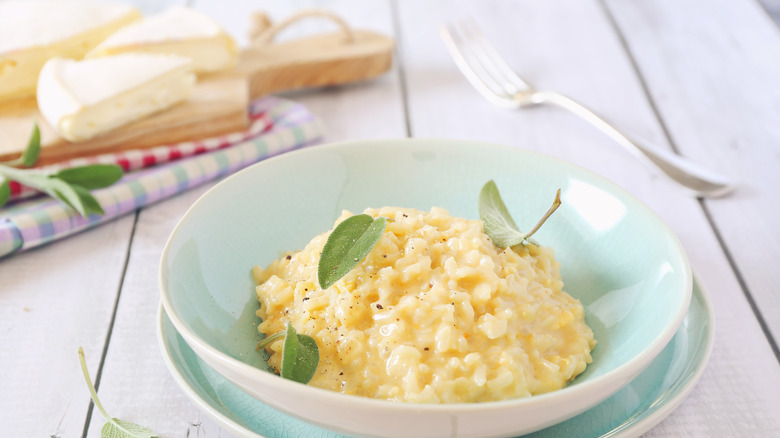
Dairy products will give plain white rice the flavor and richness it's lacking. You can cook the grain in milk or cream to plump it up and provide a rich mouthfeel. Milk provides a luxuriously creamy texture, instantly transforming the dish from bland to full-bodied. Cooking rice in milk works for both sweet and savory recipes, and you can customize the amount of fat and calories you add by choosing either skim, 1%, 2%, or vitamin D milk. For an ultra-velvety finish, consider boiling with heavy cream. Add anything from plump, sweet raisins to salty meats to the creamy rice, depending on whether you're making dessert or a main course.
You can experiment by adding other types of dairy products to the cooked grain as well. For instance, make a Mexican-inspired recipe by blending the plain rice with sour cream, shredded cheese, diced chilies, chopped cilantro, and fresh corn. Enjoy it as a side dish or add it to burritos and enchiladas. Other dairy addition ideas include cream cheese, yogurt, butter, or sweetened condensed milk to create desserts such as rice pudding. The good news is that you don't need a recipe to make rice pudding with leftover rice.
Punch it up with produce
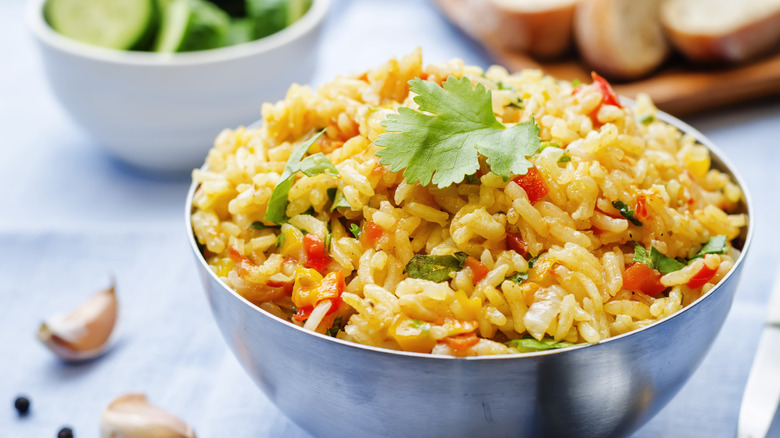
Another way to add plenty of flavor — as well as vibrant color and nutrition — to blah white rice is with fresh produce. Depending on whether you're making a sweet or savory rice dish, you can incorporate either fruit or vegetables into the prepared grains or during the cooking process. For instance, make a Thai-inspired rice using coconut milk and diced mango. Stir in fresh basil just before serving. As a fast, easy side dish for meat or fish, add a frozen vegetable blend containing carrots, corn, and peas to the boiling water with your rice when it's almost done.
When it comes to produce in cooked white rice, Chef Shoji Takahashi likes to use ginger, scallions, shiitake mushrooms, bamboo shoots, and occasionally corn or edamame. "Seasonal ingredients are especially important in Japanese cooking," he notes. Chef Rodney Freidank says he always uses a mix of onions, carrots, and celery when preparing geelrys, his yellow rice dish. He adds that sweet peppers, sweet potatoes, pumpkin, and winter squash also work well.
Hit it with some heat
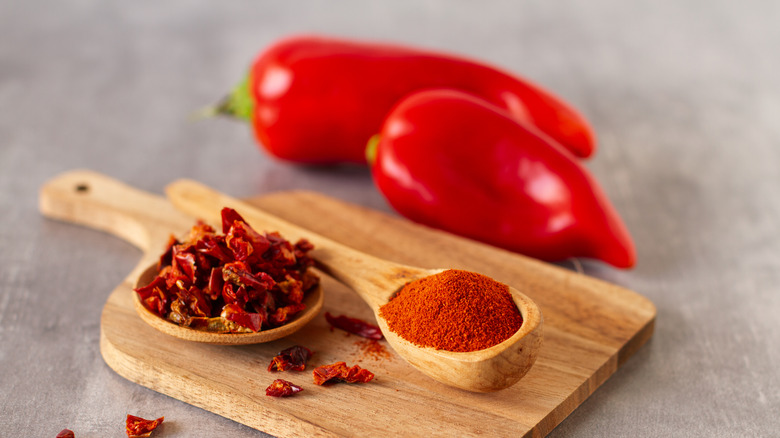
Basic white rice is the ideal vehicle for delivering a hot kick of flavor to your mouth. You can use everything from spicy sriracha to chili pepper flakes to make your taste buds tingle. As one option, make a batch of fluffy white rice and infuse it with a searingly hot pepper blend that will make the grain anything but boring. Start by sautéing green onions, garlic, and a generous amount of chili pepper flakes in oil and stir it into your cooked rice. You can also add a few shakes of one of these hot sauces that improve any meal right before serving the grains alongside meat, fish, or a vegetarian main course.
Chef Shoji Takahashi likes to add heat to his rice dishes in moderation. He recommends ingredients such as shichimi togarashi (a seven-spice chili seasoning) or yuzu kosho (a fermented condiment of citrus fruit and chili peppers) to add heat and acidity. "For stronger spice, a touch of chili oil may work depending on the dish, but I would still keep the flavor clean and measured," he says. Chef Becky Geisel prefers chili flakes for a subtle kick of heat. "Fresh chilies or chili paste can also work well," she shares, "depending on the cuisine you're drawing inspiration from." Chef Rodney Freidank notes that the South African yellow rice dish he likes to make isn't typically spicy. Nevertheless, he mentions that "the addition of peri peri powder is delicious and authentic to the region."
Pour some sugar on it
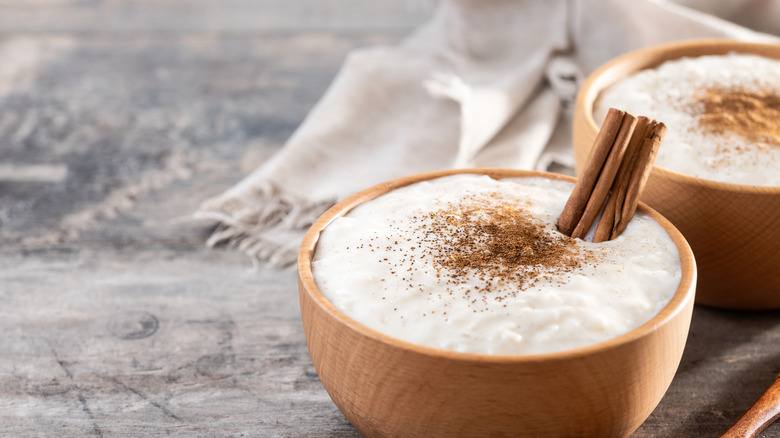
Although people often associate white rice with savory dishes, it works incredibly well as the base of a sweet recipe as well. Adding a sweet element will transform the cooked grain from a boring side dish into something dessert-worthy. As a healthy, delicious snack or breakfast option, stir a fresh fruit puree made from apples or pears into your cooked rice, along with sugar and cinnamon if you'd like. You can't get much simpler (or tastier) than a comforting blend of white rice, butter, and sugar. Any type of sugar will work in this dish, or add a drizzle of maple syrup, agave syrup, or honey as an alternative.
Chef Shoji Takahashi says that for Japanese rice preparations, sweetness should be subtle, noting that sugar and mirin — a sweet rice wine that's the secret ingredient for your fried rice — are the most typical additions. "In sushi rice, sugar is essential, but it is there to round out the acidity of the vinegar, not to make the rice noticeably sweet," he adds. When Chef Becky Geisel wants to add a sweet touch to her white rice, she prefers to use coconut milk because it "naturally adds a gentle sweetness that works beautifully with spices like cloves and allspice." Regarding geelrys, the South African rice dish, Chef Rodney Freidank says it's typically prepared with sultanas (white raisins). He notes that he also likes to add diced dried apricots for a sweet touch.
Flavor it with fresh herbs
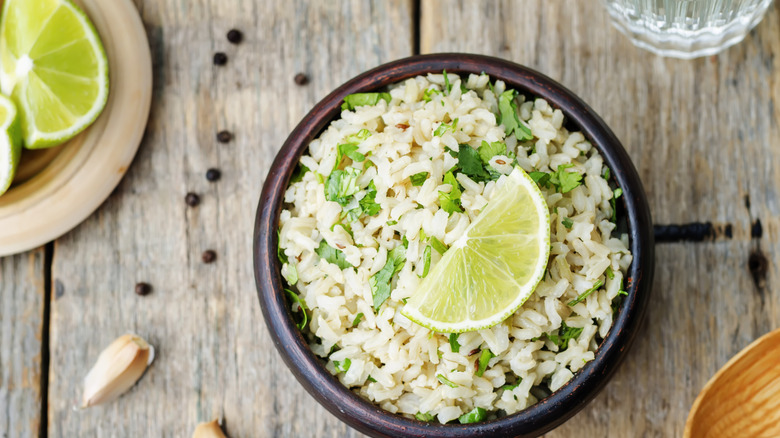
A delicious way to upgrade your basic white rice is with some fresh herbs. Whether you add hardier herbs like rosemary and thyme to the grain during cooking or sprinkle more delicate ones over the top afterwards, they'll give the dish a vibrant pop of flavor and color. You can also customize the type of herbs to complement a particular cuisine, such as basil and oregano for an Italian-inspired dish. A mouthwatering cilantro and lime combination will make your rice Mexican restaurant-worthy, and you can use it as a burrito filling or as a side dish along with refried beans. Other greens that blend well and add nuanced flavor to white rice include parsley and chives.
Chef Becky Geisel says that one of her favorite techniques is making a quick herb slurry. "I blend fresh cilantro, lime juice, roasted garlic, olive oil, salt, pepper, and a pinch of chili flakes," she shares. "When jasmine or basmati rice comes out of the oven warm, I pour the slurry over the rice and gently fold it in. It instantly transforms simple white rice into a bright, flavorful dish." This is also a creative and tasty way to put your summer herb garden to good use.
Give it an Asian flair
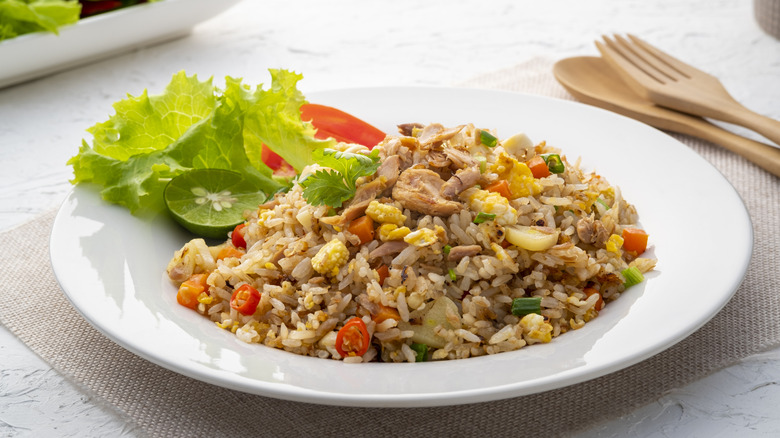
Everyone knows that white rice and Asian cuisine go hand in hand. But what you may not know is that you don't have to spend hours in the kitchen to create an authentic-tasting dinner using basic rice as the base. The next time you have a batch of cooked white rice that you aren't sure what to do with, try whipping up an Asian rice pilaf. The recipe has countless variations, but you could begin by preparing the rice in chicken stock and drizzling in the dynamic duo of sesame oil and soy sauce. You can then add in any other ingredient you'd like, such as a frozen vegetable blend, fresh garlic, Thai basil, or cilantro. Serve alongside sweet and sour chicken or shrimp to recreate your favorite Chinese takeout dish.
"From a Japanese perspective, the best way to flavor white rice is with balance and restraint," Chef Shoji Takahashi says. "Salt, sesame seeds, roasted seaweed, scallion, ginger, soy sauce, and rice vinegar are all useful, depending on the preparation." He adds, "For sushi rice, the most important seasoning is sushi vinegar, which gives the rice brightness, structure, and harmony without overpowering its natural flavor."
Liven it up with citrus
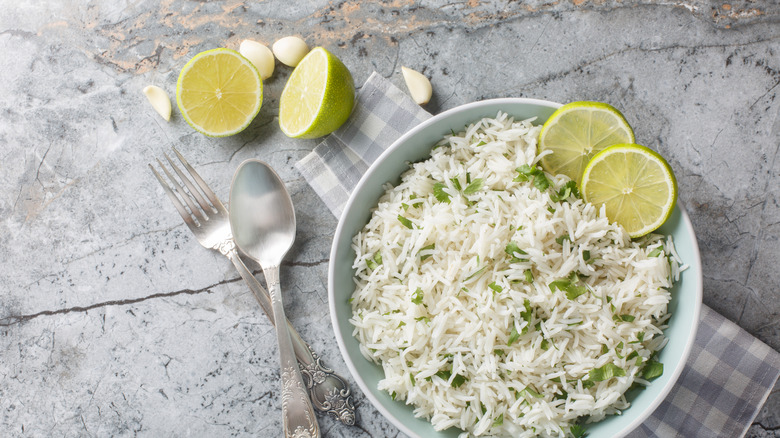
If the thought of plain, flavorless white rice doesn't make your mouth water, consider livening it up with fresh citrus. Acidic fruits such as limes, oranges, and lemons will add instant brightness to the less-than-exciting grain. Create a batch of zesty citrus rice to serve on the side of Caribbean chicken or shrimp dishes, or as the base of a vegetarian bean lunch or dinner. To make this tangy recipe, add the juice and zest of limes and oranges — along with a drizzle of olive oil, salt, and pepper — to some toasted white rice before boiling it in chicken broth. You can also cook the rice in a mix of orange juice, water, herbs, and veggies to serve with everything from lobster tails to ham.
For a Greek-inspired touch, add lemon juice and zest before boiling and top the final product with fresh parsley and olive oil. You might want to brush up on how to properly zest citrus before taking on any of these recipes. This bright side dish is the perfect accompaniment to Mediterranean main courses, such as marinated chicken, pork souvlaki kabobs, and steak gyros. You could use the citrusy rice as a creative burrito or wrap filling, or it would also taste refreshing alongside roasted or grilled meats, fish, and seafood.
Season it with something sour
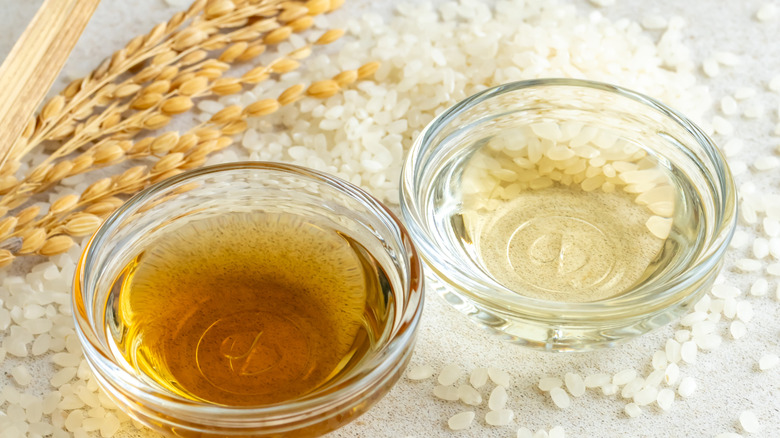
If plain white rice tastes too mild to you, punch it up with a puckering dose of something sour, such as vinegar. Not only will it brighten up the plain grain, but adding vinegar is also key to cooking perfect rice. The acidity helps break down starches and reduce stickiness for the fluffiest white rice possible.
If you're making a Japanese-inspired rice dish, season the grain with rice wine vinegar, which has a slightly sweet taste. If you don't have rice wine vinegar on hand, you can also add a splash of white wine, red wine, or malt varieties. Mix in other authentic ingredients such as sesame oil and scallions, and sprinkle furikake (a seasoning of dried seaweed and fish) or toasted sesame seeds on top for a crunchy texture. Other ingredients that will give your tired white rice a vibrantly sour touch include fresh lemon or lime juice, or cranberry or pomegranate juice as part of a festive holiday spread.
Add interest with aromatics and spices
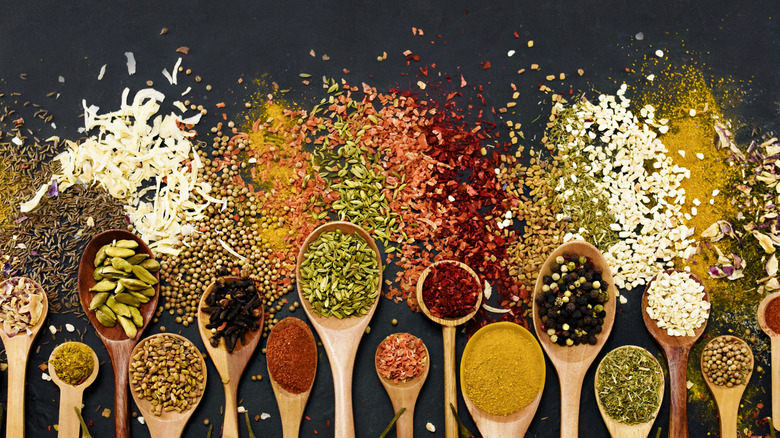
Aromatics and spices have a way of adding interest and flavor to almost any dish, and white rice is no exception. Aromatic rice recipes typically use vegetable or chicken broth to give the grain a richer flavor. You can also sauté a blend of garlic, onions, scallions, and ginger in oil or butter, then toast the rice in the same pan before adding liquid. Bay leaves are another fast and easy way to infuse the grain with an earthy, highly aromatic, herbaceous flavor. Drop a leaf or two into the boiling water along with the rice.
Chef Shoji Takahashi says that moderation is key when infusing white rice with aromatics. "In Japanese cooking, rice is not usually heavily spiced ... The goal is to support the rice, not cover it." He suggests adding small amounts of popular Asian kitchen staples, such as toasted sesame, yuzu kosho, shichimi togarashi for a bit of heat, or sansho, a citrusy spice made from the crushed peppercorns of the Japanese pepper plant.
Chef Becky Geisel uses a blend of aromatics to give white rice a special touch. "I love warming spices such as allspice berries and cloves," she says. "They add depth and a beautiful aroma to rice, especially when paired with ingredients like coconut milk, ginger, and garlic." She also recommends using fresh ingredients. "Cilantro, roasted garlic, ginger, lemongrass, and lime all bring freshness and complexity. Blending herbs into a sauce or cooking rice with whole aromatics can completely elevate a simple pot of rice."
Make it a bit nutty
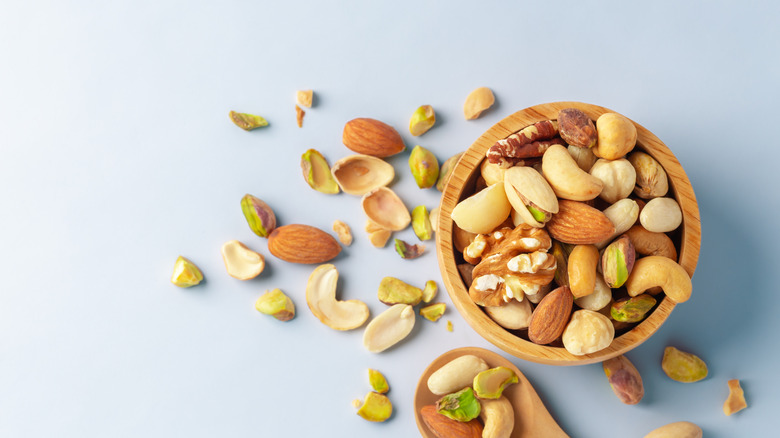
A helping of white rice topped with roasted, salted nuts makes for a cozy side dish, light lunch, or hearty snack. Some types of white rice have nutty flavor notes — especially if you toast it in the pan before adding liquid — which complement several types of nuts, including walnuts, pecans, cashews, almonds, and macadamias. You can tailor the type you use to complement a specific main course. For instance, roasted walnut-studded rice makes a festive side dish to holiday meals, including roast turkey.
As another creative and delicious way to enhance the plain grain, stir in a variety of crushed and chopped nuts, such as almonds and pistachios. Season the rice with warm spices such as cinnamon, cardamom, and cumin, and finish the dish with dried apricots or raisins as a sweet touch. Serve this comforting, dynamic dish with roasts, chicken, or turkey, or as a hearty vegetarian main course. You can even add a splash of any dairy or non-dairy milk — such as coconut, almond, or oat — and serve this nutty rice dish as a hearty breakfast.