

12 Best Fillings For A Burrito Upgrade
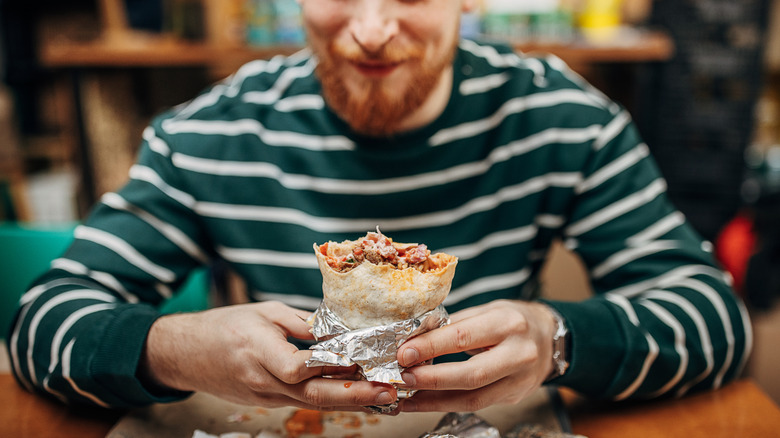
Upgrading your burrito usually means the same tired suggestions. How many more times are we going to hear people tell us to "jazz-up" our guacamole or replace your usual cheese with something new? But, a truly great burrito isn't only about piling on more. We would believe that a successful level up arises from understanding the traditions and techniques that make Mexican food so deeply satisfying in the first place.
To get this right, we went straight to the experts, all three of whom bring serious credentials to the table. Jesus Medina is the executive chef at Four Seasons Hotel Los Angeles at Beverly Hills, home to La OLA, the hotel's celebrated coastal Mexican restaurant, where traditional flavors meet refined technique. Yvette Marquez-Sharpnack is an Emmy-recognized food storyteller, on-camera host, and author of three celebrated cookbooks and a thriving blog, Muy Bueno, whose work has long championed authentic Mexican home cooking. Chef Troy Guard is a James Beard-recognized culinary force behind TAG Restaurant Group in Denver, including Los Chingones, his bold Mexican concept, and HashTAG, where his breakfast burrito has earned a devoted following. Together, they break down what really goes into a great burrito, from filling selection and cooking method to seasoning and tradition. The result is a guide that goes far deeper than your average upgrade listicle.
Eggplant barbacoa
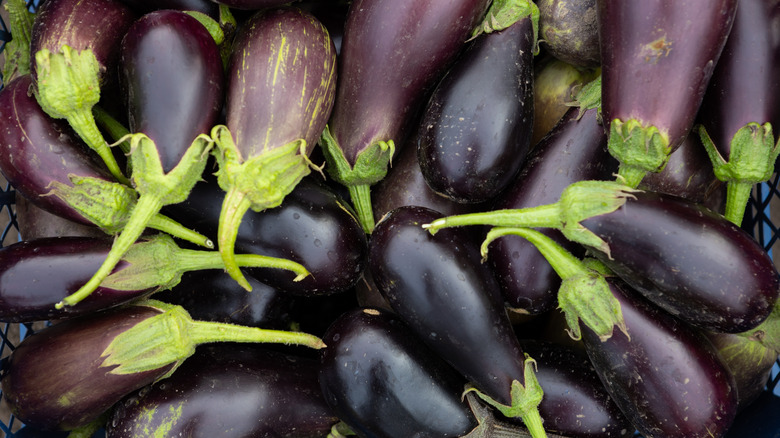
Let's jump right into it with a plant-based alternative to up-level your burrito game. Eggplants are one of those ingredients that have the power to surprise. When you know how to find good eggplants, and the best way handle them, they soak up spices beautifully, making them a natural fit for a slow-cooked burrito filling. Barbacoa is an ancient (and delicious) cooking method, generally used to cook beef, but now used for various ingredients.
One such ingredient is eggplant, which is a favorite of chef Jesus Medina. As he puts it: "Eggplant has a wonderful ability to absorb flavor, so when it's slow-cooked with the same spices and techniques traditionally used for barbacoa, it develops a rich, savory depth that feels very authentic." Traditional barbacoa is typically made with meat that is slow-cooked with dried chiles, like ancho and guajillo, cumin, garlic, and oregano. The good news is that eggplant takes on those same aromatics remarkably well. The trick is to season cubes of eggplant generously and let it braise low and slow. The deeply flavored filling makes for a punchy burrito, indeed.
The key is also pairing it with the right accompaniments. Chef Medina recommends salsa macha alongside it, "which brings heat, texture, and a nutty complexity." Salsa macha is a rich, oil-based salsa made from dried chiles, nuts, and seeds, adding flavor without any extra moisture that could make your tortilla soggy.
Chicharrones en salsa
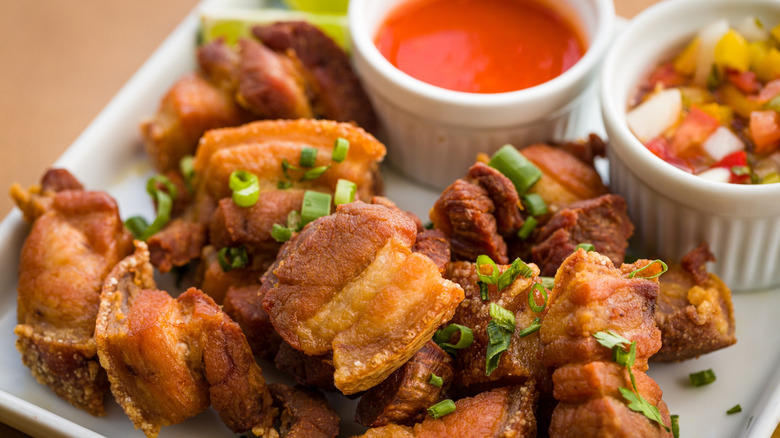
Chicharrones, or crispy, fried pork skin, may not be the first thing that comes to mind when you think burrito filling. But, Yvette Marquez-Sharpnack is here to convince you otherwise. For her, this is truly authentic Mexican home cooking, and it translates incredibly well inside a flour tortilla. Marquez-Sharpnack explains: "Chicharrones en salsa — tender pork skin simmered in a red or green chile sauce might surprise some people, but it's deeply traditional and makes an incredible burrito filling. When reduced properly, it's rich, flavorful, and cohesive — not watery."
What you can play around with is the choice between red or green chile sauce. The former is made with New Mexico, California, guajillo, or pasilla chiles, which bring an earthy warmth to the sauce, while the latter is tomatillo-based, adding brightness and acidity to the mix. Whichever one you choose, the chicharrones absorb the sauce as they simmer, becoming meltingly tender and full of depth.
The technique here is everything. Marquez-Sharpnack is firm on this: "Letting it simmer uncovered at the end so excess liquid cooks off makes a huge difference. You want concentrated flavor, not watery filling. That reduction step creates depth and prevents sogginess." And, a soggy tortilla? That's the enemy of a great burrito. Once you're done cooking? Taste it. As Marquez-Sharpnack notes: "Tasting and adjusting salt at the end — it sounds simple, but that final adjustment is where the magic happens."
Crispy potatoes
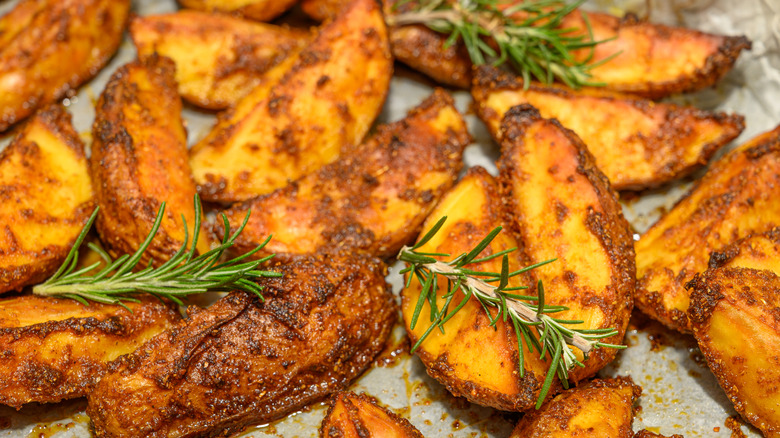
According to chef Troy Guard, crispy potatoes in a burrito should not be underestimated. When cooked right, they're one of the best ways to add satisfying crunch to every bite. This idea isn't new — the California burrito, popular in San Diego, has long featured steak and French fries as a regional staple. Chef Guard, who spent a lot of time in San Diego, sees it as a natural evolution: "Every region ... adapts dishes based on local ingredients and culture."
This is where texture changes everything. "Every bite should feel different but cohesive," says chef Guard. His approach proves to be a masterclass in layering: Soft rice provides a creamy, neutral base and crispy potatoes deliver the crunch. You could then pile on the grilled chicken or beef as desired and add fresh-cut peppers, onions, and cilantro for brightness and color.
Just make sure you add your crispy potatoes to the burrito last so they don't steam and lose their crunch. In fact, he is so intentional about texture that he cooks every component separately when making burritos for his sons' school lunches, ensuring nothing overcooks or turns mushy in the process. Chef Guard also has a pro tip for keeping the whole burrito together: Wrap it in foil or plastic immediately after rolling. "Tortillas dry out fast, and wrapping them keeps them soft, especially if you're making them in bulk."
Chile relleno
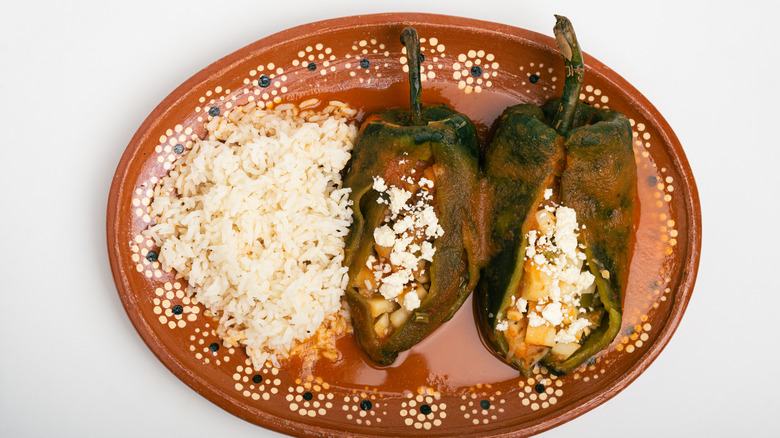
As seen with the eggplant barbacoa, meat-free burritos don't have to feel like a compromise. Take the humble chile relleno, a true staple of Mexican cuisine. As the centerpiece of your next burrito, you've got something genuinely indulgent. It is a filling that is wonderfully crispy and cheesy, and, more importantly, deeply satisfying. Yvette Marquez-Sharpnack swears by it: "Tucking a fried, cheese-stuffed Anaheim chile inside a flour tortilla with refried beans is such a satisfying meat-free option. Growing up, that felt indulgent and comforting."
It's a classic Northern Mexican flavor pairing. Use roasted Anaheim chiles to bring a mild heat and a slightly smoky flavor. The egg-batter then adds a delicate crisp exterior, and, finally, the melted cheese inside creates that rich, gooey center. When paired with creamy, well-seasoned refried beans, it hits every note you want in a great burrito. The key, as Marquez-Sharpnack puts it, is following Mexican culinary logic: "Simple ingredients, properly cooked, layered with intention."
Texture is doing a lot of work here too. You've got the soft tortilla, creamy beans, and then that crispy fried chile cutting through the middle. To take it even further, chef Troy Guard suggests crisping cheese directly in the pan and letting it caramelize before laying it on top of the tortilla. This creates a crispy "skirt" that adds another layer of flavor and crunch to the outside of your finished burrito for that additional wow factor.
Machaca
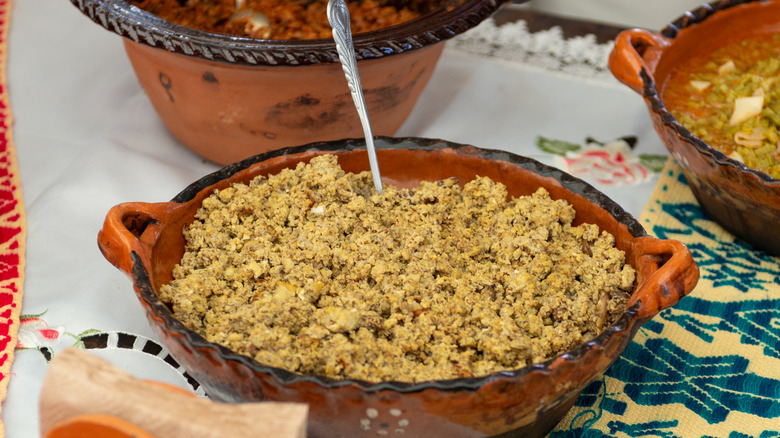
If you haven't cooked with machaca yet, it's time to change that. This shredded, dried beef is a cornerstone of Northern Mexican cuisine, yet it remains largely under-appreciated outside of Mexico and border communities. Chef Jesus Medina believes that's worth fixing. He says machaca is one traditional burrito filling more people should understand and appreciate, and once you try it, it's easy to see why.
Machaca originated as a preservation method in Northern Mexico. The beef here is salted, dried, and pounded into thin, shredded strips. This intense drying process concentrates the flavor, giving it a savory hit that fresh beef simply can't replicate. Machaca would work well with breakfast burritos, where it is combined with the usual suspects, like scrambled eggs, diced tomatoes, onions, and green chiles. Basically, what the dried beef does is wake up all the other ingredients from being the same old, same old. The combination is simple, but extraordinary, and if you add refried beans and wrap it in a warm flour tortilla, you have one of the great breakfast burritos of Northern Mexican tradition. Look for machaca at Latin markets or online. Once it's in your kitchen, chef Medina promises you that it will soon be a permanent fixture.
Mole-braised chicken or pork
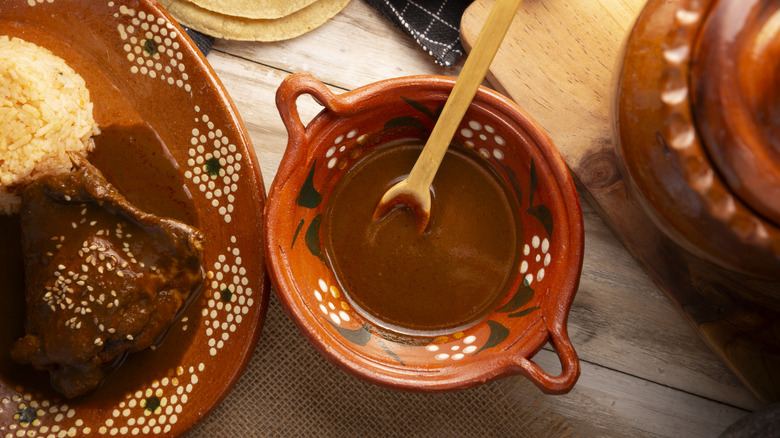
If we had to choose the most exciting burrito upgrade on this list, it would have to be mole-braised chicken or pork. Chef Troy Guard is passionate about getting people to understand what mole actually is. "People think 'chocolate sauce,' but mole is so much more nuanced than that," he says. "There are a million different variations, each with its own depth and complexity ... red, green, black, and yellow moles that can be smoky, spicy, earthy, sweet, and sometimes all at once."
Each heaven-sent variety of this sauce brings something different to the table. Red mole, made with dried chiles like Guajilla, puya, and chiles de arbol, is earthy, with just a hint of bitterness. Black mole is the most complex, consisting of layers charred chiles, spices, nuts, and a small amount of dark chocolate. Green mole is brighter and fresher, built on tomatillos, pumpkin seeds, and herbs. And, finally, yellow mole is the lightest and has a slightly sweet flavor owing to the inclusion of masa harina, making it the easiest to introduce to a Mexican food newbie.
For a burrito, use the mole sauce to slow braise chicken thighs or pork shoulder. The meat absorbs all complex flavors as it cooks. Don't forget to let it reduce before filling your tortilla to avoid a saucy mess. Keep the rest of the burrito simple. Just a spoonful of white rice and a little crumbled queso fresco is all that is needed when the filling is this good.
Papas con chorizo
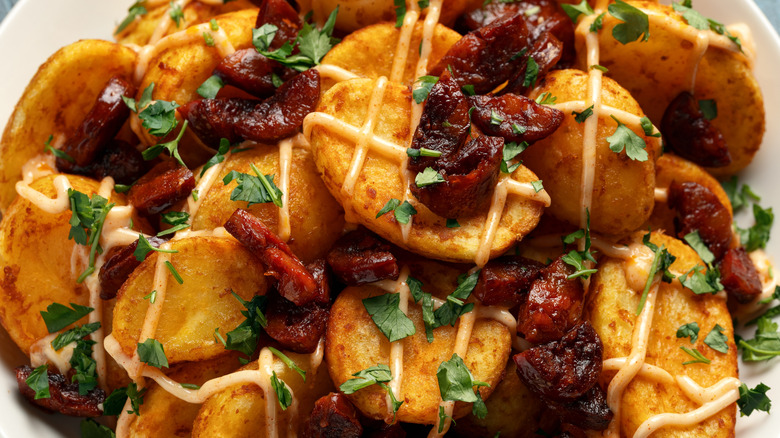
Before everyone was ordering their favorite California-style burrito, replete with French fries, Northern Mexico had its own version. Yes, a potato burrito, and, dare we say, a better one! Papas con chorizo takes the humble potato and cooks it down with some smoky, spiced Mexican chorizo. Once this delectable combination is crispy and golden, it's wrapped inside a flour tortilla.
Simple and rooted in the cuisines of Sonora and Chihuahua, Northern Mexican burritos are far more restrained than one would expect. Forget about the oversized, fully loaded versions that are now non-negotiable fast food options. Yvette Marquez-Sharpnack reiterates: "A good flour tortilla with one or two well-executed fillings. Maybe beans, maybe chile, maybe shredded beef. Not overloaded."
To make papas con chorizo at home, cook Mexican versus Spanish chorizo in a hot pan. Once the fat begins to render and things start getting crisp, add diced potatoes and cook until they're golden and tender. At most, you can add a dollop of refried beans for a simple, yet traditional, burrito that never fails to impress.
Egg and chorizo
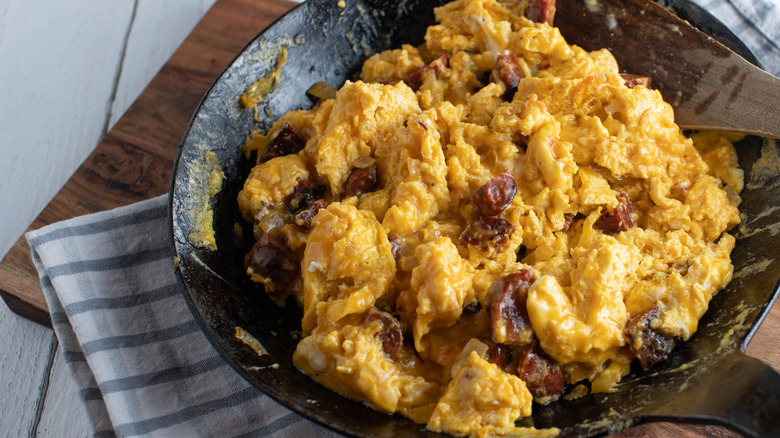
Since we are discussing classic combinations and how to elevate them, Yvette Marquez-Sharpnack has just the one for you. "An egg and chorizo breakfast burrito? Always a win," she says. And, she's right. Marquez-Sharpnack proves that a breakfast burrito that doesn't need reinventing, just executing properly. She is clear that great burrito fillings need to be "well-seasoned, not overly wet, and cohesive enough to hold together inside the tortilla." This is important because no one wants a soggy burrito. Let the chorizo render slowly, releasing all the moisture and fat as it cooks down. This ensures a crispy finish, while still remaining juicy. If needed, you could also drain any excess fat to be doubly sure.
And, let's not forget the eggs. Scrambled eggs, when cooked carelessly, can turn into an unappealing, limp, or rubbery mess. It's better to cook them low and slow in a little butter to achieve the fluffiest scrambled eggs. This ensures that they are just about set with that desired custardy texture. Contrary to popular opinion, you do not save a whole load of time by cooking the eggs and chorizo together. In fact, there is a tendency for the oil of the chorizo to overwhelm the cooked eggs and make the entire filling too wet.
Carne asada
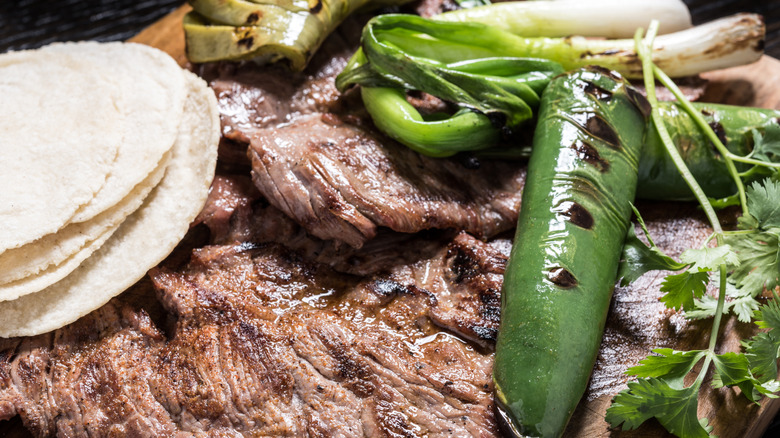
When it comes to classic burrito fillings, carne asada needs no introduction. This grilled and smoky meat is possibly the most fail-safe pairing for refried beans and fresh guacamole, all wrapped in a warm tortilla. But, the method of cooking is just as important as the filling itself.
Chef Jesus Medina is unequivocal about why grilling works so well: "Cooking over an open flame adds a natural smokiness and depth of flavor that's difficult to replicate with other techniques. It also creates a nice balance of textures — a slight char on the outside while keeping the inside tender and juicy." Chef Troy Guard agrees wholeheartedly. He grew up cooking over charcoal and says that smoky flavor is what keeps him coming back to grilled fillings above all others. For both chefs, grilling isn't just a cooking method — it's a philosophy. As chef Medina puts it, "everything tends to taste better when it's cooked over an open fire."
Flank steak or skirt steak are the traditional choices for carne asada. When grilling this type of meat, the cut matters and should be thin enough to cook quickly over high heat, with enough fat marbling to stay juicy. A simple marinade of citrus juice, garlic, and cumin will help flavor the meat without overwhelming it. It's also important to grill the meat hot and fast and then let it rest before cutting into strips.
Birria
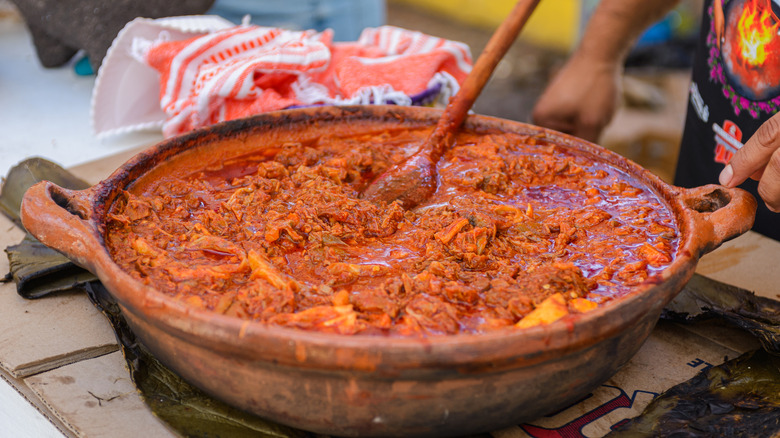
Birria is no stranger to a burrito pairing. However, this is a recipe that demands patience. If birria is on the menu, both the cooking and the assembly requires your attention. But, once you get that elusive balance right? You are rewarded with one of the most luxurious burritos possible. The issue here is moisture. By nature, birria is juicy, and that is exactly why it's so delicious. In a taco or a rice bowl, it works effortlessly. Inside a burrito, however, all that liquid can saturate the tortilla quickly, causing it to break apart. The solution is layering strategically. A scoop of rice acts as a buffer, absorbing excess juices before they reach the tortilla.
Chef Jesus Medina is honest about the balancing act. For him, this slow-braised, chile-soaked meat is one of the most deeply flavored things you can put inside a burrito. He explains that rich, saucy fillings, like birria, "can work beautifully in a burrito, but they need supporting ingredients that provide structure and help manage the moisture so the burrito holds together and is easy to eat."
Chef Medina notes that richer, fattier fillings need a bright counterpoint to keep them from feeling overwhelming. A spoonful of salsa, some pickled red onions, or a squeeze of fresh lime cuts through the richness and makes each bite feel lighter and more balanced. As he explains, "that small lift of acidity makes a big difference in creating a well-balanced burrito."
Chicken tinga
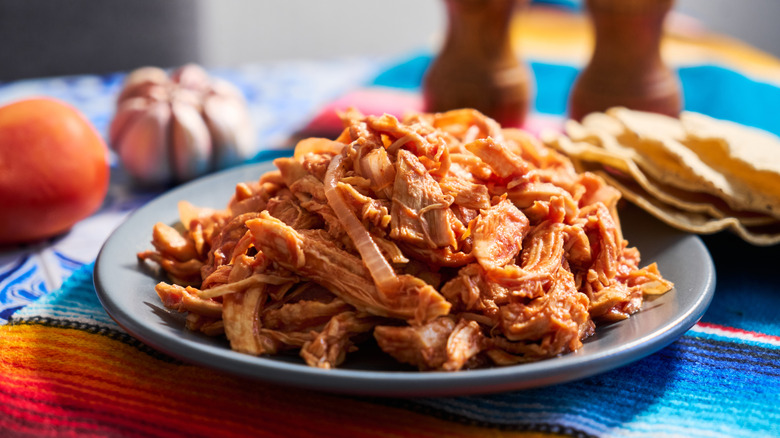
If you are looking for something smoky and tangy to build your burrito around, look no further than the deliciously savory chicken tinga. When shredded chicken is simmered in a chipotle and tomato sauce, you end up with a bold mix that delivers maximum flavor. The risk with saucy fillings, like chicken tinga, is that if not cocooned by the right ingredients, the entire thing might fall apart on the plate itself.
To prevent this, chef Jesus Medina is a fan of intentional layering or as he says, "something soft, something juicy, something crunchy, and a touch of heat." The tortilla, rice, or beans provide a supple base. The protein or sauce incorporate moisture, which prevents the burrito from drying out. Next, fresh vegetables or another crispy element can lend much needed crunchy texture. Lastly, add some heat with salsa or a chile sauce to liven things up and make the components harmonious.
The tortilla is as important as the filling here. Yvette Marquez-Sharpnack recommends a large, Sonoran-style flour tortilla: "Thin, flexible, and strong enough to hold everything together." According to Marques-Sharpnack: "A burrito needs intention. It should be wrapped tightly, sealed properly, and I prefer it lightly toasted on a comal after assembly. That final toast adds flavor, gives it structure, and creates that slight crispness that makes all the difference."
Properly made refried beans
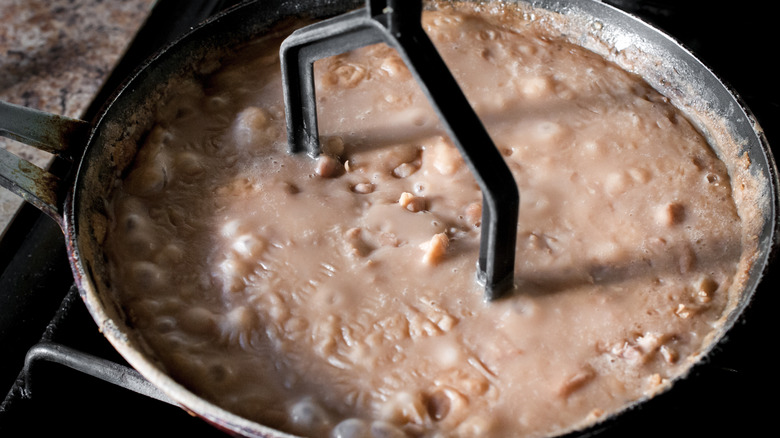
All three of our experts have one last thing to say with regard to your burrito upgrade: Don't overlook the beans. If you think that refried beans don't deserve a special mention simply because they are not exciting, think again. Restaurant-quality, homemade refried beans can anchor an entire burrito on their own. Yvette Marquez-Sharpnack is passionate about beans. For her it's always, from-scratch beans, not store-bought, canned beans. "In Northern Mexican burritos, they're foundational. They're not filler. They're flavor ... Humble, yes. But deeply satisfying and absolutely delicious." But, she cautions, "if the beans aren't properly seasoned — especially with enough salt — the whole burrito will taste bland."
Chef Troy Guard echoes the importance of balance, reminding us that even something as simple as beans and cheese needs intention. Overstuffing, he warns, kills the balance entirely. "People tend to pile everything in and add way too much cheese ... When there's too much filling ... You lose balance, and it becomes hard to eat." And, finally, according to chef Jesus Medina, "You want a thoughtful combination so it's not all dry elements; there should be something that brings moisture and cohesion, whether that's a sauce, salsa, or melted cheese." This may vary based on the type of burrito prepared. For example, a breakfast burrito will require different ingredients than one intended for lunch or dinner. Basically, what we have learned is that a good burrito is born of patience and a healthy respect for its ingredients.