

14 Foods You Probably Thought Were Vegan, But Aren't
We may receive a commission on purchases made from links.
Choosing to start following a vegan diet is one hurdle, but following one that takes not only ingredients into consideration but also the processing of foods can feel like another type of field event altogether. A vegan's main goal is to follow a diet free of animal products. This includes meat, dairy, and any other products created from an animal. Throughout the grocery store, you'll find items that easily fit that criterion. The produce section, for one, is positively packed with options. After all, a vegan diet and a plant-based one are often used interchangeably. However, these are two different designations entirely. Ignoring the difference between these two could lead you to believe a food is safe for vegans when, upon closer inspection, it isn't.
Someone who follows a plant-based diet generally avoids animal products, but they might be less concerned about the processing or animal interaction with other parts of the food production cycle. A vegan, however, follows a similar diet, but has an ethical, vested interest in the production of products and their impact on animals. In other words, all vegan items are plant-based, but not all plant-based items will be vegan. Vegans also take this mindset outside of their kitchen and examine every aspect of their day-to-day to avoid the use of animal products.
Truthfully, making the best choices to follow a vegan diet can be difficult even for the most seasoned of vegans, let alone those of us who do not follow a vegan diet. Still, it's helpful to know some common items that may initially seem vegan, but actually aren't, for one reason or another.
1. Oreos
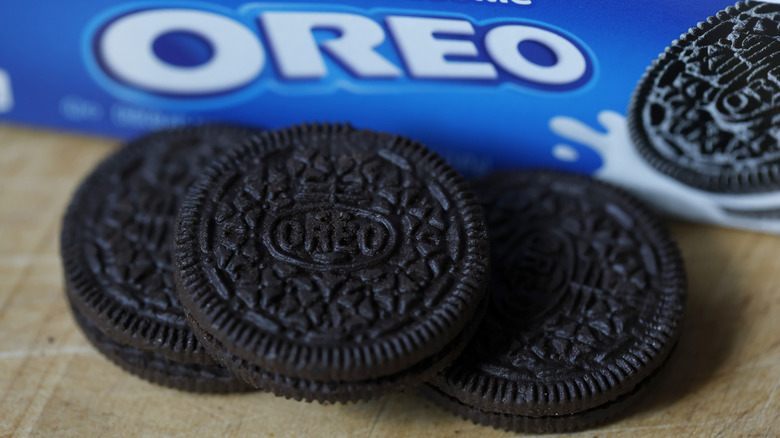
Oreos may be milk's favorite cookie, but they're also sometimes thought of as a favorite of vegans (without the milk, of course). This popular sandwich cookie with two chocolate wafers and a creamy middle initially seems accidentally vegan, provided you don't eat it dipped in milk. However, these cookies aren't all they seem to be. Sure, there is no milk or eggs in these cookies; rather, the sugar is actually more of a concern.
Vegans who follow a rather strict, animal-cruelty-free diet might choose to go without sugar that has been processed using bone char, a common issue with otherwise vegan-friendly foods. In the case of Oreos, it can be challenging, even impossible, to determine if a given Oreo contains sugar processed with bone char, as some of Oreo's various suppliers use bone char while others do not.
As prevalent as bone char-processed sugar is, avoiding it altogether might feel like the safer alternative. In the end, whether you consider Oreos actually vegan will depend on your personal flavor of veganism and whether you're concerned with this bone char process with sugar.
2. Nutter Butters
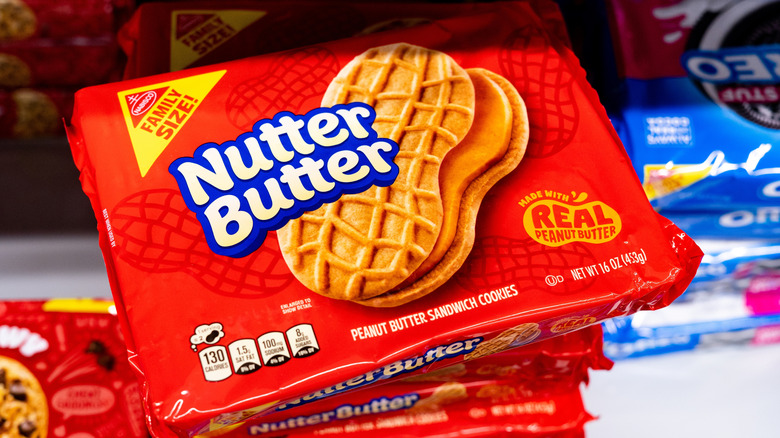
Unfortunately, Oreos aren't the only sandwich cookie vegans can easily be tricked by. Nutter Butters, a brand of peanut butter sandwich cookie, are a no-go for the strictest of vegans for the same reason that their Oreo brethren fall short of vegan snack greatness.
To quench a vegan's peanut butter cookie craving, there are certainly alternatives. Simple Mills, for instance, offers a vegan alternative made with organic cane sugar (and thus free of the bone char process). In my hunt for another vegan alternative, I stumbled upon Back to Nature's cookies. On the surface, these look great. There's even a "plant-based" label on them. However, looking closer, the ingredients simply list cane sugar as the sugar used with no "organic" identifier in sight. These cookies are not, in fact, vegan; they are simply plant-based.
The difference here has everything to do with intent. A person who follows a vegan diet does so for ethical reasons, while a plant-based diet is generally more tied to food choices to avoid animal products. What's more, if it was actually vegan, no doubt the brand would have pursued the vegan certified logo that identifies a product as truly vegan. It's a great example of how complicated food selections can be for those following a vegan diet.
3. Reese's Puffs
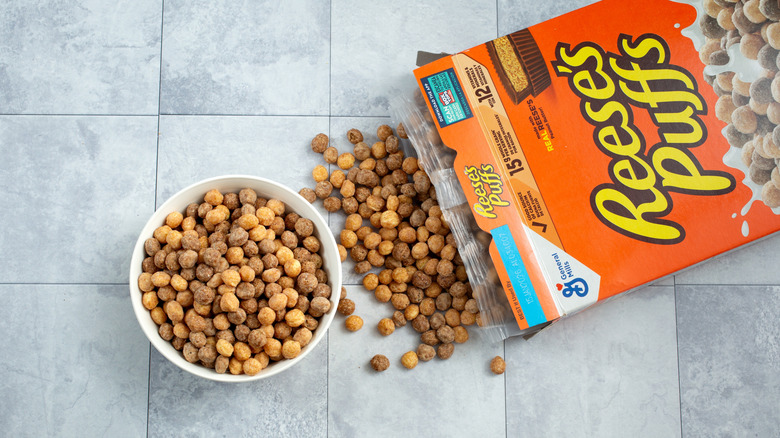
On the surface, Reese's Puffs may appear to be vegan. It's a cereal celebrating the flavor of a Reese's candy bar: chocolate and peanut butter. Looking at the ingredients, they do not include eggs or milk, but there is one sneaky ingredient that vegans must be on the lookout for: Vitamin D3.
Of course, Vitamin D is not the primary concern here. After all, the sun provides a fair amount of it. However, there are many foods that are fortified with vitamins, and like many cereals, Reese's Puffs are one of them. Vitamin D3 is among these additional vitamins, and this Vitamin D3 comes from lanolin, a product from sheep's wool. As a vegan's diet excludes any animal products, this most certainly would exclude Vitamin D3 acquired through lanolin.
Unfortunately, unless you know to look out for it in nutritional information and have the background knowledge of where exactly Vitamin D3 comes from, you may miss this seemingly innocuous ingredient. It's one of the many reasons following a vegan diet can be challenging.
4. Lasagna noodles
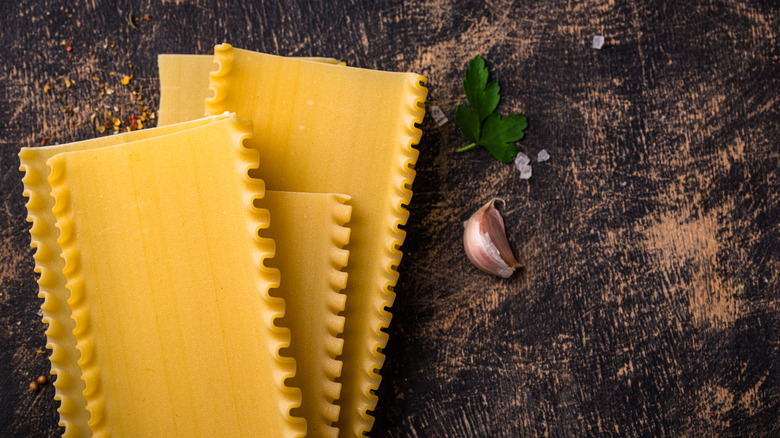
At first brush, it's easy to imagine the cheese and meat in lasagna as the most important ingredient considerations for vegans. Though obvious, these aren't the only important points of consideration for vegans. While most dried pasta is vegan, typically including only wheat, there are a few brands that have longer and more complicated ingredient lists. The reason some pastas are vegan while others aren't often deals with the inclusion of eggs.
When making vegan pasta dishes, you'll definitely want to take a look at the ingredients before diving right in. Egg is the primary concern, but be on the lookout for any other ingredients that may throw the noodles out of vegan contention. Even if the pasta doesn't outright state that eggs are in the noodles, there will frequently be a warning of cross-contamination with the noodles. Of course, this would be a trace amount of egg, but for those vegans who are especially cautious or concerned about even the smallest amount of egg in their food, you'll definitely want to heed such warnings.
5. Hint of Lime Tortilla Chips
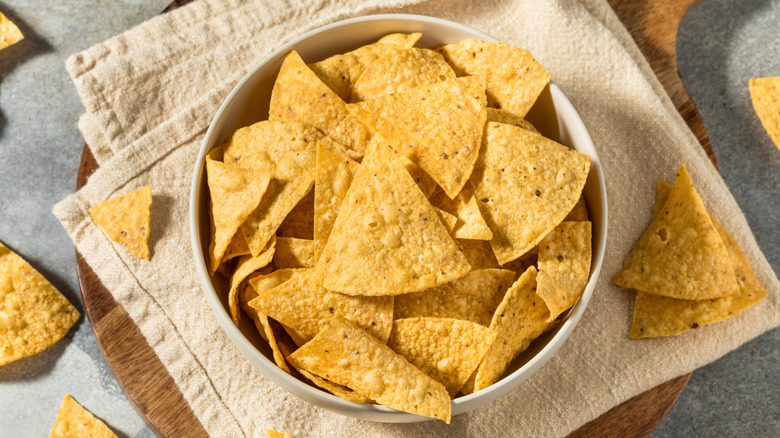
There aren't many better snacks than chips and salsa or guacamole. The treat is all the better if that dip is homemade. Serving such a tasty treat alongside a subpar chip simply won't do, so you'll most certainly want to hunt down the best. If you happen to be snacking alongside a vegan, be sure to second-check the label of your chosen tortilla chip as there may be a secret hiding within the corn.
Though uncommon, some tortilla chips, notably flavored ones like Tostillo's Hint of Lime, contain sour cream, a milk ingredient. Thankfully, the ingredients list in bold that the chips contain milk ingredients. As long as you take a peek at the back of the bag, you can't miss it. Tostitos also offers a Mexican Street corn flavor which also has milk in it — though that one is less surprising given the typical elote recipe already contains milk products, so a flavor inspired by the street food likely would too.
6. Soft pretzels

Though hard snacking pretzels are often vegan, soft pretzels present somewhat of a problem for vegans. In many cases, these soft pretzels are so tasty thanks to a layer of butter atop the soft, warm delight. Some pretzels would be considered vegan otherwise, so you could always order your soft pretzel without butter to upgrade it to a vegan treat.
Still, you might be nervous that another animal product may be in the dough itself. In these cases, simply ask what ingredients the dough contains. If you find there are no other animal products, excluding the butter is generally enough. However, if the dough includes butter, milk, or even eggs, it won't be easy to make it vegan. If this is the case, be sure to inquire whether there are vegan alternatives. You may come up empty, but if you do, at least the request will illustrate the need for vegan offerings.
7. Jell-O
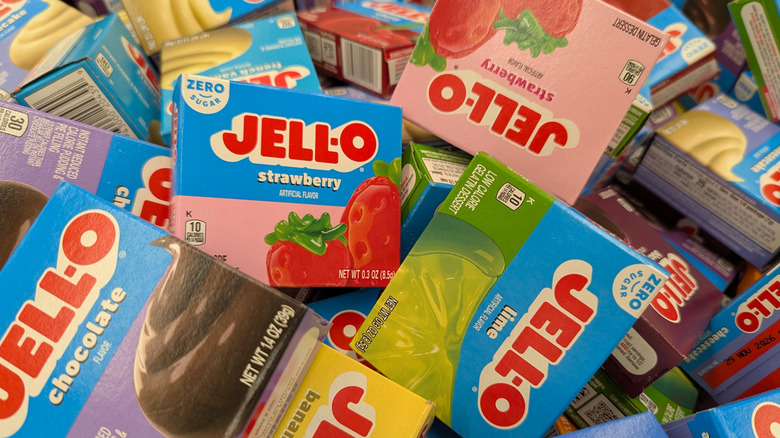
Jell-O brings to mind all sorts of jiggly treats: Jell-O shots, Jell-O jigglers, and those odd old-school Jell-O salads formed from a mold that no one at the potluck actually eats. It doesn't take long after becoming vegan to learn that many foods not suitable for vegans are all but hiding in plain sight. Take Jell-O, for instance; this dessert contains gelatin, which is actually an animal product made through a combination of boiled animal parts, like skin and bones. Honestly, it's enough to make the most carnivore among us give a little shudder.
While Jell-O is far from vegan, vegetarian and vegan-friendly gelatin does exist, and it's made from a vegetable gum to achieve a similar Jell-O texture. To find vegan gelatin in your grocery store, search for a box with the vegan logo on it. It's likely you'll find this logo since vegans would most definitely be on the lookout for it, and companies who focus on including a vegan alternative would absolutely feature it.
8. Gummy bears
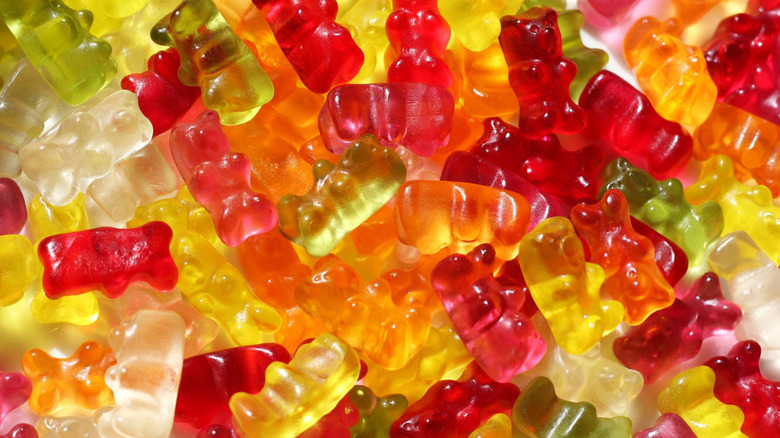
When making the decision to follow a vegan diet, it becomes immediately clear that some of the more simple pleasures you may have enjoyed in the past simply aren't part of a vegan or plant-based diet. Haribo candies are certainly one of those treats that vegans generally go without because gummy bears and similar gummy candies frequently are not vegan. At Haribo, it's more than just the Goldbears that are out the window; anything with gelatin in it would be excluded too. After flipping through a few ingredient listings for various gummy candies, it becomes clear that this means most all candies from Haribo.
Of course, Haribo gummy bears aren't the only ones with gelatin. Albanese, Favorite Day, JoyRide, and Black Forest all have gelatin listed among their ingredients. While gummy bears may be tough to find for vegans, there are still plenty of gummy candies that are safe, like Sour Patch Kids and Swedish Fish.
9. McDonald's french fries
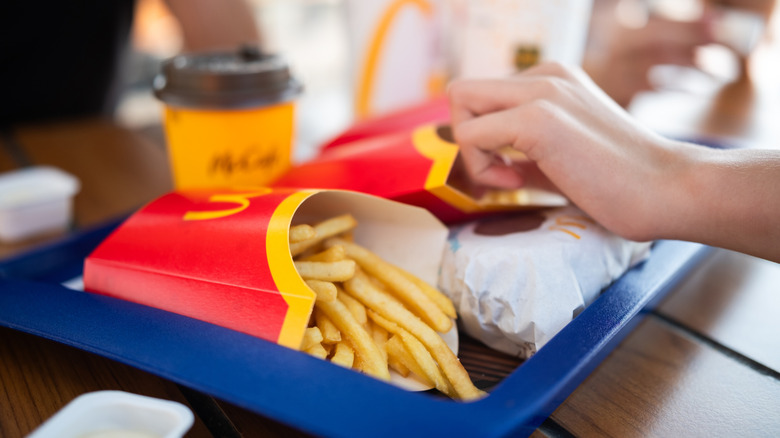
It's a long-standing assumption in the vegan community that when you go out to eat, you can almost always count on a salad and french fries as a fallback meal if nothing else on the menu can be made vegan. However, that isn't the case at McDonald's in the United States. Rather than frying up the french fries in a more simple oil, McDonald's chooses a vegetable oil that is a combination of canola oil, corn oil, soybean oil, and something it ambiguously calls "natural beef flavor" on its website. The allergen information also notes that there are milk derivatives within this natural beef flavor. While the other ingredients of this natural beef flavor are unclear, the milk derivatives alone exclude McDonald's french fries as options for vegan customers.
As the french fries aren't vegan, perhaps it's no surprise that the brand doesn't do a whole lot in the United States to accommodate vegetarian and vegan diets. One of the shady things about a McDonald's Happy Meal is that there is no meat-free option for kids' meals in the United States, while there is in other markets around the world.
10. Sriracha
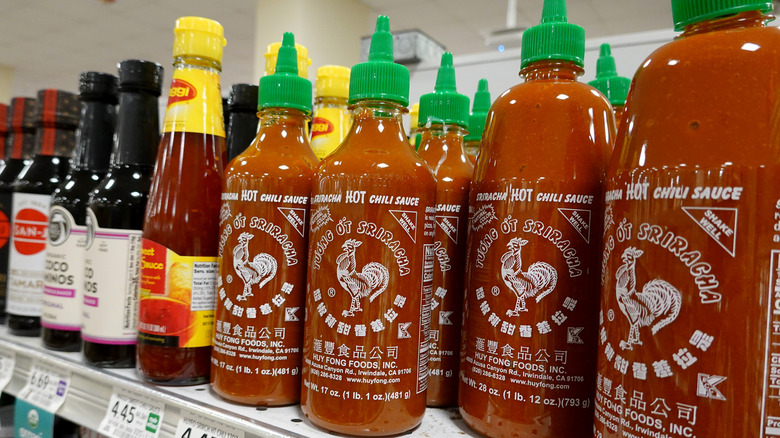
When it comes to vegan cooking, unless it's made by someone who really knows what they are doing, the food can sometimes be a little dull. Thankfully, hot sauce is really good at adding a lot of flavor and, most of the time, it's vegan and perfectly safe to use. However, one of the most loved hot sauces out there, Sriracha, is a land mine for incorrectly placed vegan condiments.
On the surface, all Srirachas are going to seem fully vegan. However, for the same reason Oreos aren't actually vegan, some Sriracha brands are not vegan either. One of the more popular options, Huy Fong Sriracha, is not vegan, while other brands like Rancha Organics and Sky Valley, are both vegan since they contain organic ingredients. To determine if the Sriracha sitting at your table is vegan, simply look at the ingredients on the back. If organic sugar is listed instead of regular sugar, you're likely in the clear — unless there are other ingredient surprises that might be animal products, of course.
11. Wine
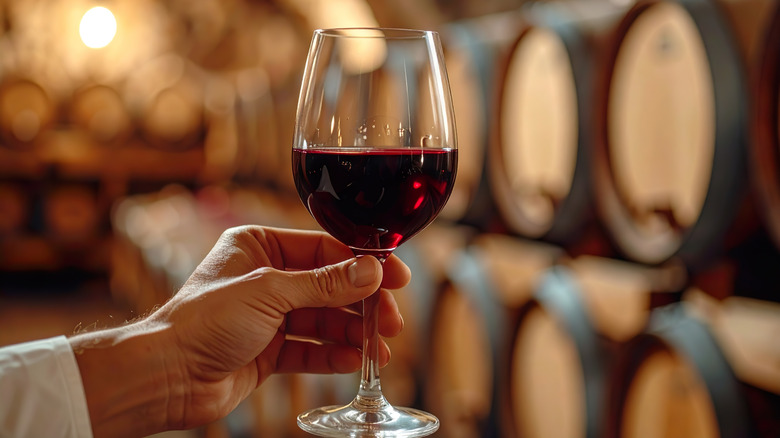
Before you panic: don't worry. Not all wine is non-vegan. Rather, the de-veganization of wine happens in the fining process of some varieties. If you follow a vegan diet, you'll just need to look twice at the label before taking a sip.
There are many ingredients that may interact with the wine in the fining process. You may be familiar with the fish bladder concern, but there's also a risk of interaction with egg whites and even milk protein or gelatin. The chosen fining materials are selected for their individual strengths. Casein, for instance, helps ensure that the wine doesn't become discolored, while egg whites in red wine take away astringency.
If you're set on avoiding animal products interacting with your wine, check the label for wine that is unfined and unfiltered, or natural. These often indicate a wine has not interacted with these very non-vegan materials.
12. Beer
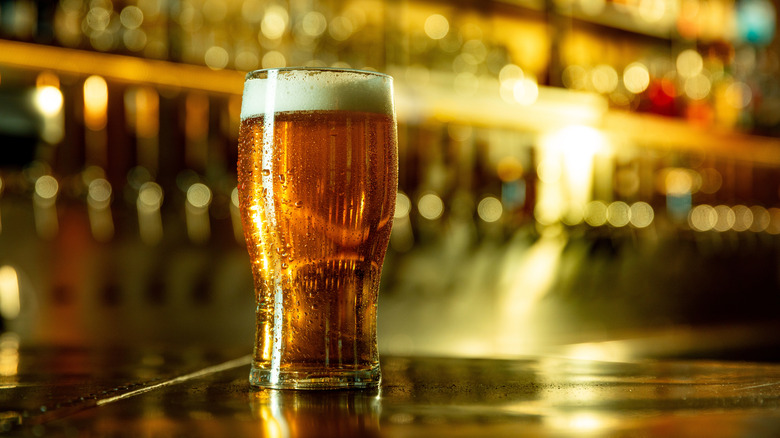
What's worse than non-vegan wine? It's gotta be non-vegan beer. That's right: Unfortunately, not every beer is vegan-friendly. Sometimes, beer will be clarified using isinglass or even feature lactose or honey as an ingredient. When it comes to beer, vegans will need to do their homework to ensure they are staying true to their vegan diet to avoid an unintentional slip-up. If in doubt, Barnivore is a handy site to have bookmarked for your next night out or visit to the brewery.
For over 250 years, Guinness wasn't safe for vegans to enjoy due to its use of isinglass, but since 2016, it's been in the clear. Order Asahi at your favorite hibachi restaurant, grab a Coors from the cooler at your next cookout, crack open a Corona on your next trip to the beach, and enjoy a Budweiser at the local watering hole. All of these favorites are perfectly suitable for vegan beer lovers.
13. Sherbet
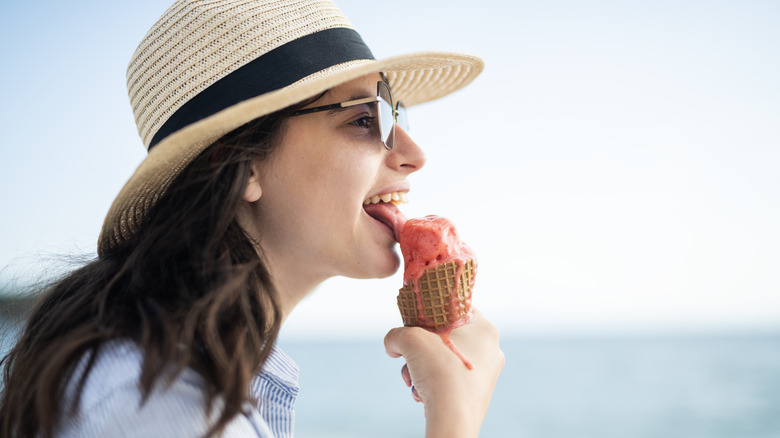
It is a truth universally acknowledged that vegans can't have ice cream made from milk. As a replacement, many choose nut milk varieties while other vegans choose fruitier alternatives. Those looking for sweet, refreshing, fruity treats, must take extra caution to choose the right kind of frozen fruity dessert.
In the ice cream aisles, you'll typically see sherbet and sorbet very close to one another in the freezers. They're often even mixed together. Vegans: Be sure you choose the sorbet, as it is dairy-free. While similar, sorbet and sherbet are different in one important way. Unfortunately, sherbet has a small amount of dairy in it. Sorbet is basically frozen and sweetened fruit, while sherbet is somewhere between ice cream and sorbet — certainly not an ideal dessert for vegans. This is also a helpful distinguisher in restaurants when ordering dessert. With sorbet, you can be sure your tasty treat at the end of the meal is vegan.
14. Diet Pepsi
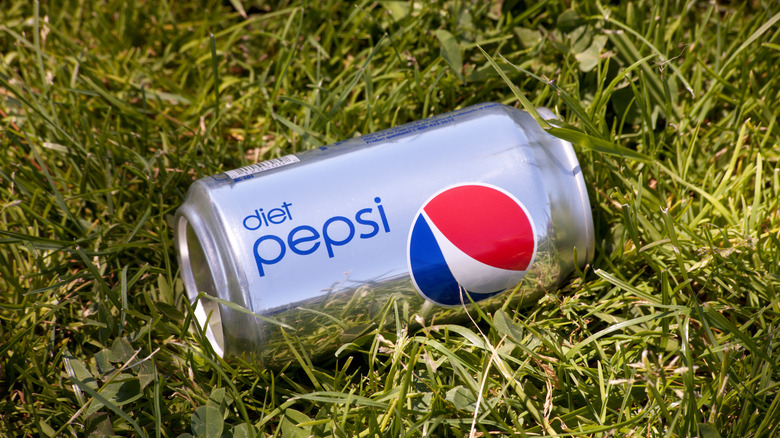
As if being a vegan wasn't difficult enough, sometimes, companies are not entirely forthcoming about exactly what is in a product. Take, for example, Diet Pepsi. In Pepsi's entire repertoire of beverages, it is the only one not suitable for vegans to enjoy. However, exactly why remains an absolute mystery.
The brand keeps this information quiet for what it calls "commercially sensitive" reasoning (via Metro), but this shroud of mystery around the soda doesn't do much to lessen a vegan's desire to know exactly why it isn't allowed. After all, Pepsi has also said that the flavor is perfectly fine for vegetarians to enjoy, so that does in some ways clarify why the drink may be unacceptable to vegans. Still, the next time you are at a Pepsi soda fountain, and are choosing a vegan drink, be sure to steer clear of the mysterious Diet Pepsi.