

12 Overpriced Foods To Avoid When Grocery Shopping
We may receive a commission on purchases made from links.
Anyone else bothered by the outrageous price tags hanging below groceries these days? Us too. Though it's normal to see fluctuations in pricing over time, the cost of groceries has become borderline ridiculous. That said, there are some groceries out there that take the cake when it comes to pricing and we aren't just talking about items that are seemingly "expensive" at first blush. There are some foods on store shelves aimed at convenience that can actually be purchased or made for much cheaper.
In this article, we're revealing the many groceries that are overpriced, sometimes even despite a seemingly meager price tag. From packaged goods to sweet snacks, we're not only calling out retailers for the up charge, but also suggesting alternatives that will help you save money in the long run. Interested? If so, stick around. We've got 11 overpriced foods to avoid when grocery shopping coming up next.
Instant Potatoes
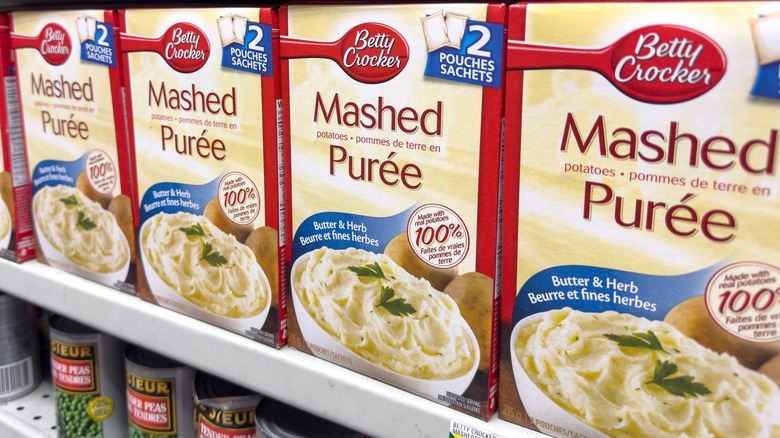
Most would agree, mashed potatoes are creamy, delicious, and surprisingly easy to make, which is why we often scratch our heads when we see packages of them sitting on store shelves. While instant mashed potatoes save time, they also come chock full of ingredients, like corn syrup and dipotassium phosphate, you'd never add to the real thing. The packaged variety also won't taste nearly as good as homemade mashed potatoes. But, perhaps most importantly, they aren't as cost-effective as they might seem. The trivial amount you'll get per pack won't yield as much creamy goodness as a batch made with real potatoes.
Don't believe us? We spotted a box of instant mashed potatoes at Walmart costing $1.00 for 4-ounces or roughly 4 servings per container. Once rehydrated this works out to about ½ cup of mashed potatoes per person. When using raw potatoes, you'll generally want to utilize ½ pound of raw potatoes per person to achieve enough mashed potatoes prepared, which is about the equivalent of ½ of a large potato that measures between 1 ¾ and 2 ½ inches in diameter. This means that a 5-pound bag of potatoes could potentially yield as many as 10 servings for only $2-3. Needless to say, buying a bag of real potatoes is a much better value and will produce infinitely more flavorful results.
Hard-Boiled Eggs
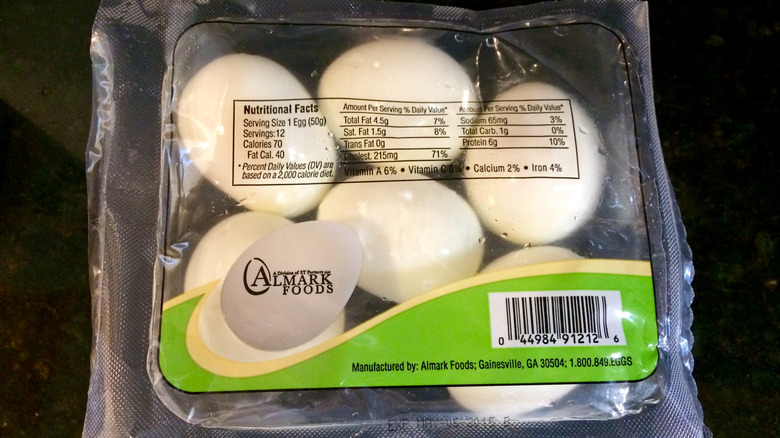
Store-bought hard-boiled eggs can cost three times as much as fresh ones, despite the fact that there's nothing easier than making them at home. This is why we've nominated this protein-rich grab as one of the most overpriced grocery items out there. Though undeniably satisfying to be able to snatch a pre-cooked egg out of the fridge to do what you want with it, this store-bought variety costs way more than it should. At our local Walmart, a single package of Great Value hard-boiled eggs costs $3-4 for only six eggs. Meanwhile, an 18-count carton of Great Value eggs costs only $2-3.
If you still can't quite get past the inconvenience of having to wait the 10 minutes it takes to hard-boil an egg, there are other options. Like so many foods in your pantry, forethought is key to making life easier in the kitchen. Rather than cooking eggs in small batches, consider loading the entire carton of eggs into a large pot of boiling water. Once the eggs are cooked, simply rinse them with cold water (an expert method for hard-boiled egg shells that slip off with ease) and transfer them to an airtight container. Place the cooked eggs in the fridge to be used at your convenience. Hard-boiled eggs usually last up to seven days when refrigerated, making them the perfect way to add bulk and protein to salads or to enjoy on their own for a deliciously nutritious midday snack.
Salad Dressing
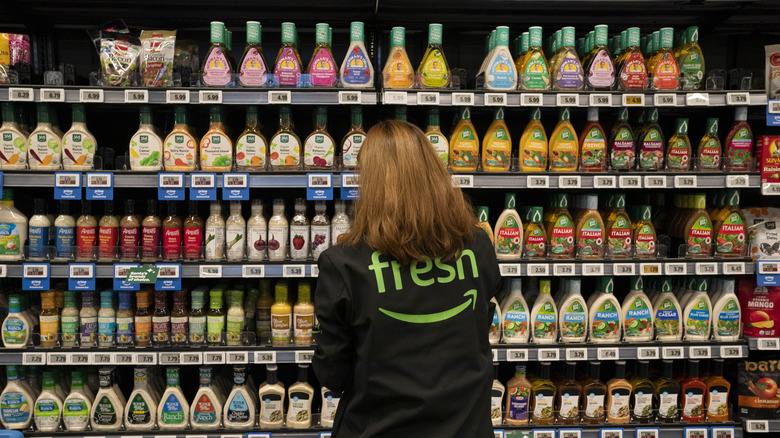
If you love leafy salads as much as we do, you probably get a kick out of sampling a variety of store-bought salad dressings. And, while certainly an exciting venture, this is one grocery item that is grossly overpriced. At up to $6 for an 8-ounce bottle for some brands, it's hard to justify paying that much for something you could easily make at home.
Salad dressing is typically made of just a few ingredients combined to taste. And, since most store-bought salad dressings also include a host of additives, it can help to learn how to whip up the types you like best at home, which will save money and cut out the questionable, multisyllabic ingredients in one fell swoop.
To make a delicious salad dressing from scratch, start by gathering a few basic ingredients, such as minced garlic, salt, pepper, apple cider or balsamic vinegar, and olive oil. Next, grab something to help sweeten the dressing. While granulated sugar certainly works well, we prefer using unrefined pure maple syrup or honey for natural sweetness. Lastly, find a recipe that suits your cravings, whether it be this 3-ingredient teriyaki shop salad dressing recipe or a creamier one, featuring mayonnaise, mustard, and a few other seasonings. We encourage you to explore your options until you stumble upon a few simple, easy, and tasty recipes that you like the best.
Pre-Cut Produce
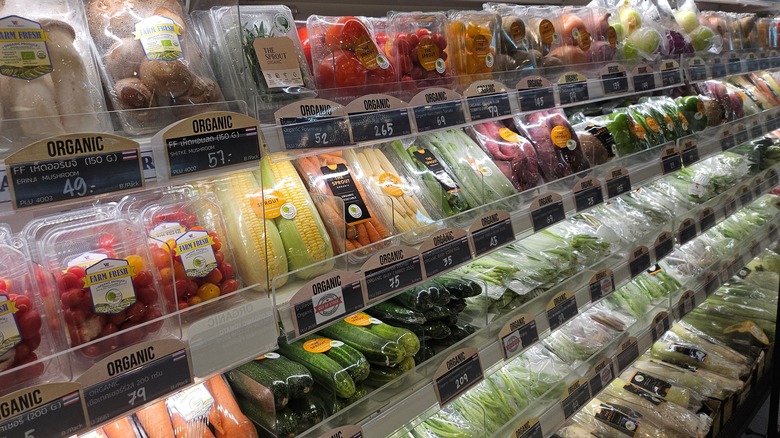
Ever spot neatly diced produce on store shelves and been tempted to throw it in your cart? It's understandable. Still, grabbing packages of these healthy food items may cost more than you think, making the price you pay for convenience not so advantageous after all.
Take watermelon, for example. Buying the cubed version sold in packages can cost anywhere between $7-8 for a 32-ounce tray. In comparison, you can buy a whole watermelon, which usually weighs around 20 pounds (320 ounces), for around the same price.
If you really hate prepping produce, try investing in products that will make your life easier. This Mueller Pro Vegetable Chopper, for example, can help you dice veggies in a jiffy, while tools like this Nadoba Stainless Steel Watermelon Slicer can make watermelon cutting a breeze. Yes, you'll have the initial expense of purchasing these items, but investing in devices like these to help you prep fruits and veggies you consume often can help you save money in the long run.
Bottled Water

We're willing to admit, bottled water has its place. In times of emergency or when you're out and about and need quick hydration, having a few water bottles on hand makes sense. Still, making them a permanent addition to your shopping list is another thing entirely — especially considering that some bottled water brands can cost as much as $5-7 a case. Take Ice Mountain Spring Water, for example. A case containing 35 bottles costs $6.98 at our nearest Walmart. Other brands aren't much better. At $5.99 for a 40-count case of Kroger Purified water, we can't justify the price tag, especially if you need to purchase more than one case per week.
Instead of lugging large cases of expensive water into your home, why not invest in a high-quality water filter? These vary in terms of pricing (this Brita UltraMax Large Water Dispenser is a budget-friendly option), and you'll probably need to buy new filters every now and again. Even so, for some households, this occasional expense still works out cheaper than purchasing water bottles every week — not to mention, you'll also be doing something good for the environment.
Parfaits
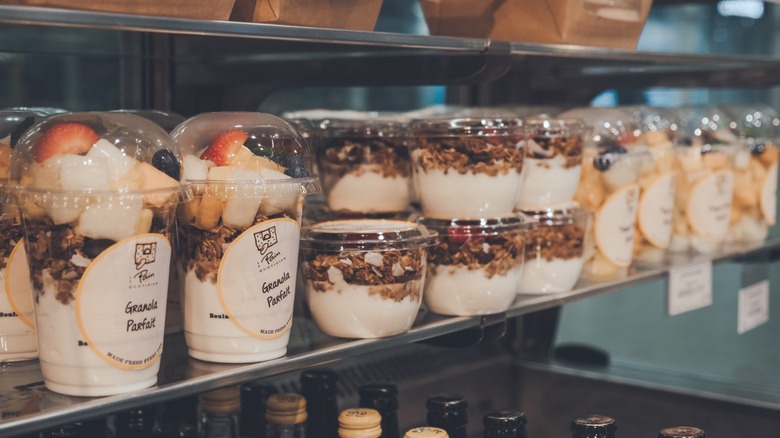
Ah, the classic parfait. It's the perfect treat when you're craving something sweet and creamy, and the contrast of the crunchy granola and fresh fruit can't be beat. Nevertheless, we have an issue with store-bought versions of this creamy delight, mainly because it is so overpriced. Paying nearly $4 for a small 7-ounce cup of the stuff feels like highway robbery.
No, really. Considering that 40 ounces of plain yogurt purchased at Sam's Club goes for only $4-5, there's really no excuse not to make your own parfaits at home. Simply make a jar of homemade air fryer granola and add to plain yogurt along with some fresh fruit, and top with a drizzle of honey. Not only will the amount you spend on these ingredients yield way more parfaits than a single serving, but it will also contain less sugar and additives. Don't forget that you can upgrade your homemade parfaits with whatever you want. Spice things up with a smidge of homemade jam, chopped pecans, mini chocolate chips, or even a dollop of whipped cream.
Seasoning Blends
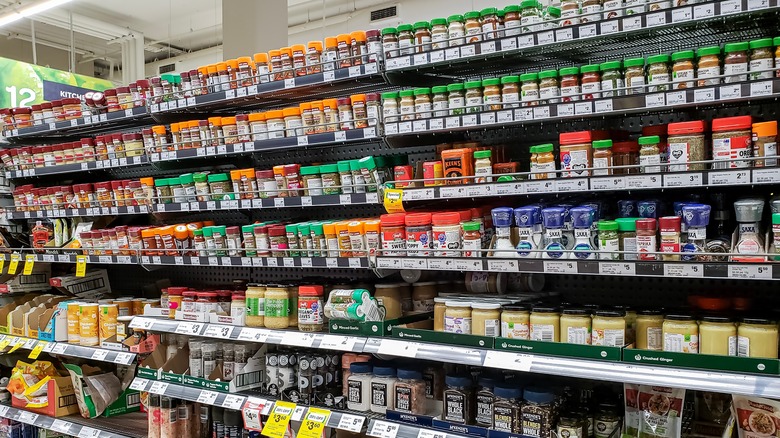
It can be tempting to purchase store-bought seasoning blends to make life in the kitchen easier. After all, what could be simpler than sprinkling some Taco or Cajun seasonings over all your favorite meals, right? And, though it's understandable to want to have a few eclectic spices like these on hand, they can also be quite expensive. We found a blend costing over $5 for just over 6 ounces that featured only salt, pepper, and garlic — talk about overpriced.
Rather than spending money on seasoning blends, it is often more cost-effective to come up with your own flavorful combinations at home. By utilizing the spices you already have, you'll gain more control over the taste while saving money in the process. Looking to produce an all-purpose seasoning you can use over your meats and veggies? Consider a blend of equal parts salt, granulated garlic, granulated onion, and smoked paprika. Want to give it a Latin kick? Use the aforementioned spices along with a bit of cumin, chili powder, and a touch of cayenne pepper. Keep experimenting until you find the combinations you like best. Once you find a few blends that work, you may wish to invest in shaker bottles with lids, like these RoyalHouse Plastic Spice Jars, to make storing your new spice creations simpler.
Cereal
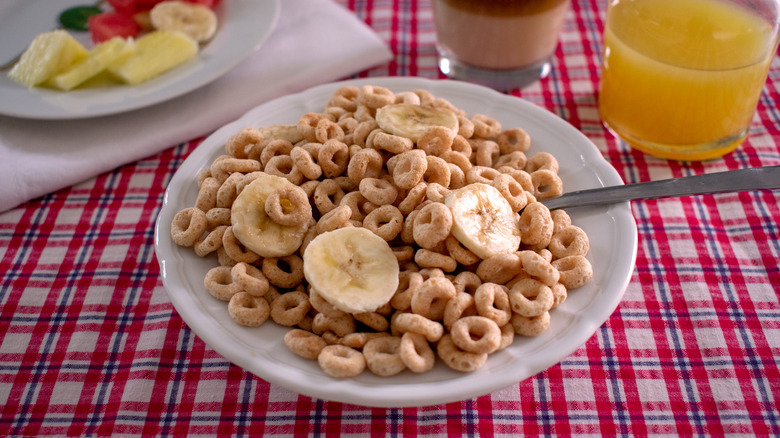
The thought of leaving cold cereal off the grocery list could be where some people draw the line with this article, and believe us, we get it. Still, we can't help but think that cold cereal is grossly overpriced, and, as a result, might need to be avoided.
For the sake of reference, let's take a moment to compare a box of cold cereal to plain oatmeal. For a single 8.9-ounce box of Cheerios that contains 6 servings, expect to pay $3.49, and this doesn't even cover the cost of the milk or any toppings you may add to it. Alternatively, you could grab a large 42-ounce canister of Quaker Old Fashioned Oats for only $3.49 and end up with 13 servings when prepared.
A little iffy about making the switch? Don't worry, there are many ways to enhance the flavor of oatmeal with ingredients you may already have on hand. Consider additions like maple syrup and cinnamon, along with fresh berries, raisins, or diced apples. For textural contrast, try adding a handful of nuts; we're obsessed with pecans in oatmeal, but you can just use whatever floats your boat. Don't forget other fattier, more satiating topping options, like peanut butter or cream. These additions can leave you feeling fuller for longer while pumping you with the energy you need to take on the day.
Bacon Bits
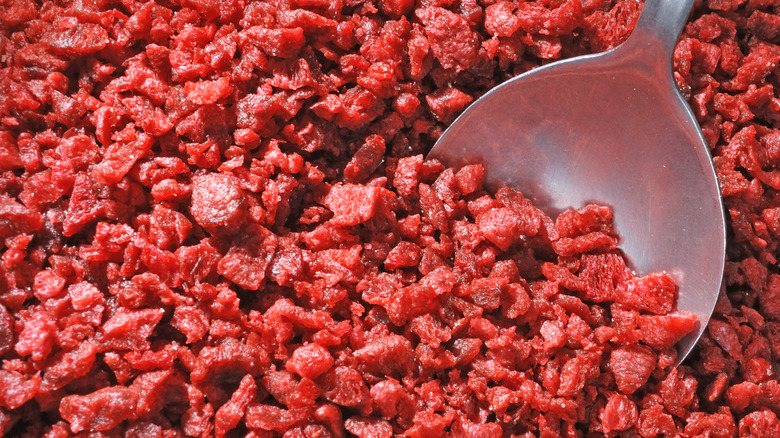
Real bacon bits have uses that span far beyond salads. From beans to omelets, these little gems are more versatile than you may think. And, while most bacon bits on the market don't cost much, the truth is that you could get a lot more bang for your buck if you cooked up your own version of this multipurpose topper at home.
Instead of standing over a hot pan of spattering bacon slices, try placing them on a baking sheet and cooking them in an oven. The results will equal crispy bacon without the stress of hot, popping oil. Making bacon bits this way not only yields more of them, but is also way cheaper. A pack of bacon strips goes for as little as 37 cents per ounce or less at our local Walmart, while a tiny package of "real" bacon bits could cost as much as 80 cents per ounce.
One last thing to note about making your own bacon bits is that if you plan to keep them long-term, you'll need to prep them a certain way before storing them in the freezer. After chopping the cooked strips, assemble them in a single layer over a baking sheet and freeze. Once frozen, throw them all in a bag and enjoy at your leisure. Yes, that extra step is a bit of a nuisance, but not doing it will leave you with bacon chunks instead of bits, and no one wants that.
Bottled Ginger and Garlic
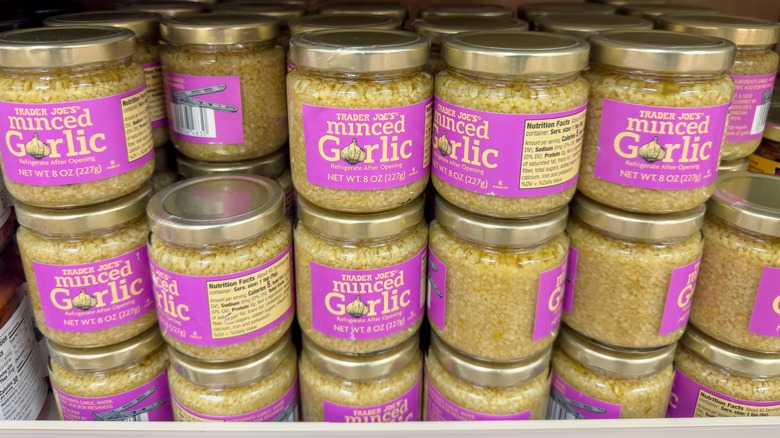
There's no doubt about it, bottled ginger and garlic make adding flavor to soups, stews, and stir-fries easy. Still, there's a better way to inject flavor that happens to be cheaper. Because minced ginger can cost as much as $6-7 per 4-ounce bottle, about $1.63 per ounce, and jars of minced garlic about $3-4 per 8-ounces, about 40 cents per ounce, it might help to look for other options, especially if you use these aromatics often. Instead, look for ginger and garlic sold in bulk. We've scouted a whole bag of garlic for 27 cents per ounce and fresh ginger for roughly 12 cents per ounce.
It should be noted that both fresh ginger and garlic are extremely easy-to-use, though we do suggest a few tools if you plan to get the job done quickly. For large amounts of garlic, consider peeling each clove using the soaking method. After that, toss the garlic into a food processor and pulse until it becomes finely minced or pureed, if that is what you prefer. Transfer the minced garlic to an airtight container or freezer bag and toss it in the freezer. It's ready to be used at your convenience. The same is true for ginger, though the preparation will be slightly different. Rather than mincing it, Redditors insist you can freeze whole, peeled ginger pieces to be grated into anything you want, even without thawing.
Fruit Cups
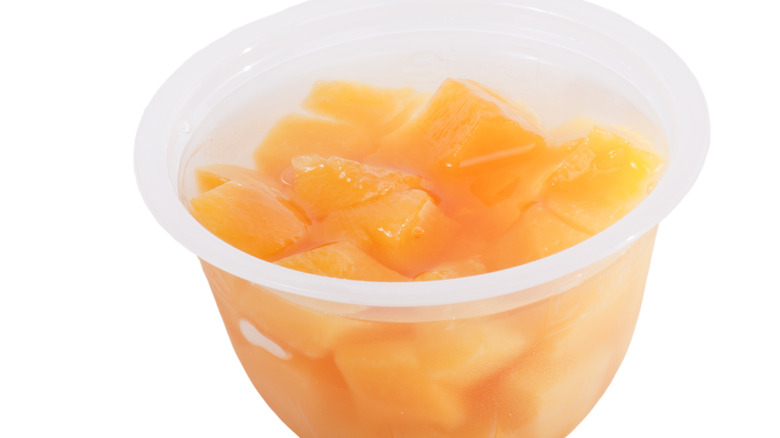
In need of fresh fruit you can take with you on the go? If so, it's usually best to buy it frozen or canned. We know — fruit cups are insanely convenient for packing in lunches or to take on trips, but the fact of the matter is that fruit cups can be overpriced compared to other fruit types, and as such, we recommend you avoid them.
In our area, Great Value Peach Fruit Cups go for around $2.23 per 16 total ounces, making them roughly 14 cents per ounce. Great Value Canned Peaches cost roughly 11 cents per ounce. By Contrast, Great Value frozen, sliced peaches go for about 18 cents per ounce, which is a bit more expensive, but worth it if you are looking for quality texture and increased nutritional value.
Of course, eating fruit without the cup will require you to grab a few storage containers if you're planning to take the food with you as you go about your day. As such, consider investing in something like this OXO Good Grips Prep and Go 2-Cup Divided Container to make things a little easier.
Broth
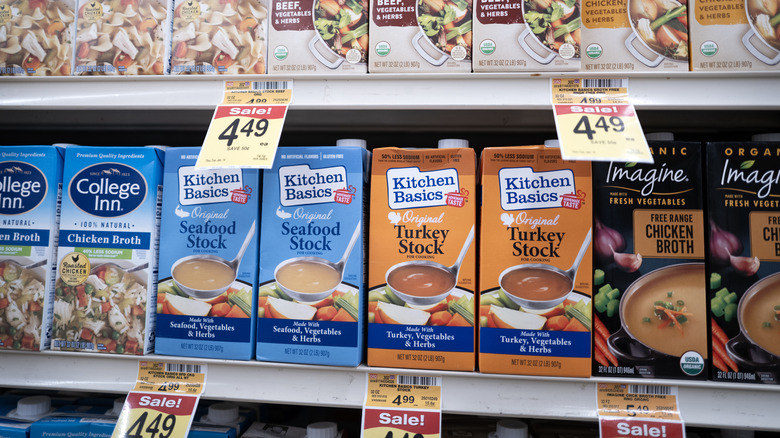
We don't know about you, but the price of broth, especially those that cost $5 or more for a tiny carton, is beyond us. Like most things on this list, convenience is certainly a factor, but considering that a good broth can be made from-scratch in just a couple of hours and can be frozen for later use, this leaves us wondering how much of our hard-earned cash actually needs to go towards store-bought versions. If store-bought stock isn't something Ina Garten can get behind, neither can we.
Making broth at home is simple. Just boil together meat bones in water with aromatics, before straining and using it for your favorite recipes. Veggie broths are made in much the same way, dumping a bunch of produce in water, adding spices and a bit of tomato paste, before boiling and straining. For something richer, don't forget bone broth. You'll likely pay a ghastly amount for it at the store. We've seen some priced as high as $6-7 per 16.9 ounces. This can also be easily made at home, even from a rotisserie chicken carcass, for next to nothing.