

14 Things To Avoid Buying At The Grocery Store If You Want To Save Money

We may receive a commission on purchases made from links.
Saving money on groceries is no small feat. Not only are grocery prices high, but when cravings come knocking, it can be hard to resist the urge to splurge on virtually every shopping trip. Or maybe you're like us and often stay stuck in a rut, buying the same grocery items week after week without taking the time to consider other, more affordable choices.
We get it. Still, it's important not only to examine your grocery list but also to discover fresh ways to revamp it to save on costs. That's why we're unveiling 14 things you should avoid buying at the grocery store if you want to save money, along with the more affordable groceries you should replace them with. From breakfast goodies to dinnertime eats, we're confident you'll find at least one grocery item to shave off your weekly shopping trip to help you save on costs. If that sounds interesting, stick around — we've got all the advice you need!
Precut fruit and vegetables
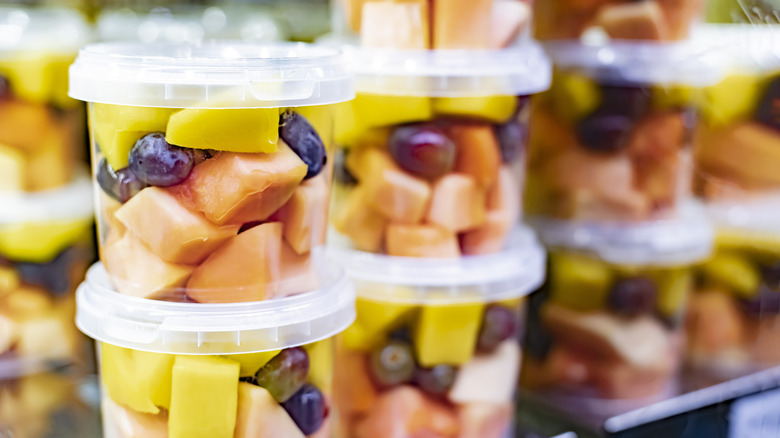
We aren't against fruits and vegetables, and yes, buying them already prepared is the epitome of convenience. Still, when trying to save money at the grocery store, it's best you avoid purchasing precut produce. Doing so will save you tons of cash while scoring you more food to enjoy in the process.
Need more convincing? Consider the humble cantaloupe. At our local market, this diced melon costs $4 to $5 for a 16-ounce tray. Meanwhile, a whole cantaloupe can cost less than $2, with the average cantaloupe weighing 3 pounds (48 ounces) apiece. The same price disparity is true of most items you'll find prepackaged. From bagged salads to pre-sliced veggies, you're essentially paying for convenience, leaving you not only with less produce to enjoy, but less money in your pocket, too.
Rather than purchasing prepackaged fruits and veggies, it may be better to invest in tools that can make the preparation of fresh, whole produce easier. Consider investing in a vegetable chopper to quickly dice your veggies at home. Search around and see what you can find. Yes, buying kitchen gadgets like these will cost you money up front, but they'll also help save on cash in the long run.
Bottled water

Bottled water is an excellent way to stay hydrated on the go, but if you find yourself hauling gigantic packs of water into your house every week, it may be time to reconsider. Depending on the brand and type of bottled water you purchase, you could be looking at paying up to $5 or $6 per case, with each case containing around 24 bottles.
Rather than spend your hard-earned dollar on water in plastic bottles, why not invest in a high-quality filter? Some models, like the Brita Water Filter Pitcher, work to reduce many of the contaminants you may encounter in tap water, including copper, mercury, zinc, and cadmium. Just remember that most water filters will require you to replace the inner filter at various intervals. Some may last as long as two months, while others may require more frequent filter changes.
Salad dressing
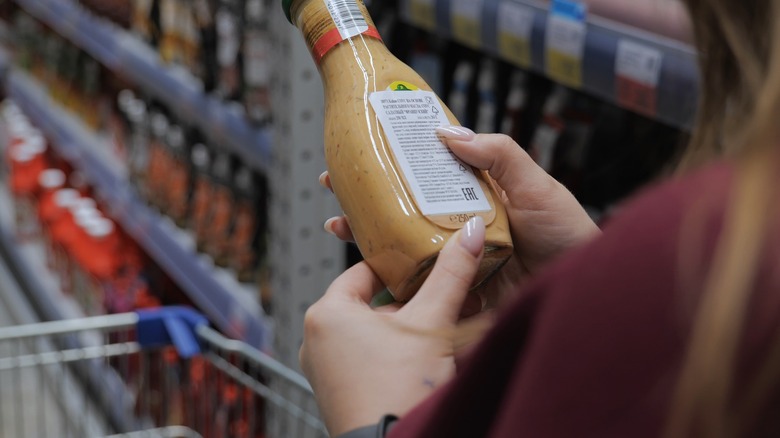
If you're the type of person who loves vinaigrette dressings, there's no reason you shouldn't be making them at home. Many salad dressings lining store shelves carry ridiculous price tags. We found one variety marked as high as nearly $7 at our local grocery store. While buying salad dressing at the grocery store is often easier and provides more selection in terms of flavor and variety, the truth is that once you nail a good homemade version of these dressing classics, you may never look back.
Making a vinegar-based dressing is often as simple as throwing together the right ratio of a few ingredients. Try combining three parts olive oil with two parts balsamic vinegar and one part maple syrup. Add a dash of salt, give it a stir, and you've got an awesome vinaigrette to use anytime you wish. More of a creamy dressing person? No problem. Try adding mayonnaise to the mix. A combination of mustard, mayo, apple cider vinegar, and a few spices yields a creamy concoction that could rival your favorite store-bought honey mustard dressing. Hey, it may not be the fancy store-bought organic dressing you're used to, but when it comes to saving money, this tip can definitely help trim your grocery bill.
Chicken stock
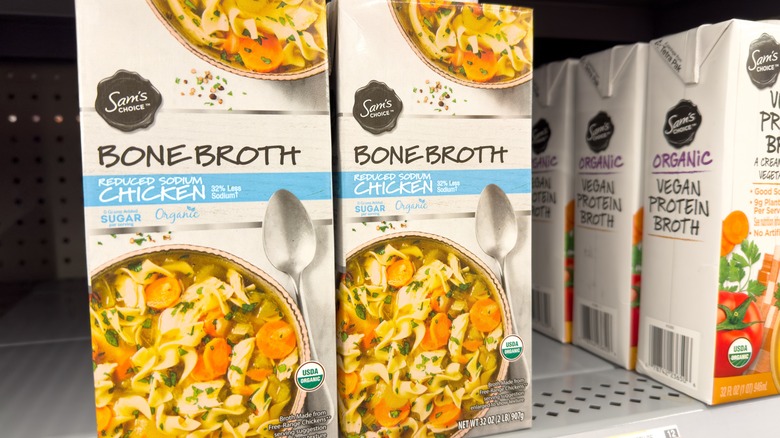
Making homemade chicken stock is just about as easy as it gets. It's for this very reason that Ina Garten can't get behind the idea of purchasing chicken stock in the store. With options costing as much as $5 or more lining store shelves, it's much more feasible and affordable to make the good stuff at home, especially if you already have chicken on hand.
Homemade chicken stock can be made with meat, bones, or both, though including the bones will add more nutrients. To pull it off, simmer your chicken pieces for an hour or more, with more time yielding a more potent flavor. Don't forget to stock your pot with lots of seasonings and veggies. Additions like carrots and onions, along with garlic, salt, pepper, and herbs, can take your stock to the next level.
If you're like us and love purchasing cheap rotisserie chickens to use as weeknight meals, be sure to hang onto the carcass. Boiling it in water for a few hours can get you a delectable chicken stock that's just as nutritious as it is delicious without having to spend the big bucks on a carton at the grocery store.
Individual packages of just about anything

You may not be able to buy everything on your shopping list in bulk, but if you can avoid smaller packages of the groceries you consume most often, it can help you save money. This tip comes down to individual pricing. You'll want to pay close attention to price per unit, which often (though not always) comes in the form of cents per ounce.
Take spices, for example. Most spices and seasoning blends that come in tiny glass vials cost a pretty penny. We found a 2.12-ounce bottle of paprika priced at $1.18 per ounce at our local Walmart. Compare that to a 16-ounce bottle of the same spice, and suddenly, the price goes down to $0.87 per ounce. The same is true for most items you'll purchase at the store. Extra-large canned veggies, mega-sized boxes of noodles, you name it, are usually sold at a lower price per ounce than the same item sold in smaller packaging.
As for how to identify unit pricing, this information is often listed on the price tag. If it isn't, simply take the price and divide it by the unit of measure (i.e., ounces, pounds, etc.). This will yield your price per unit, which you will use to compare across groceries to snag the best deal.
Hard-boiled eggs
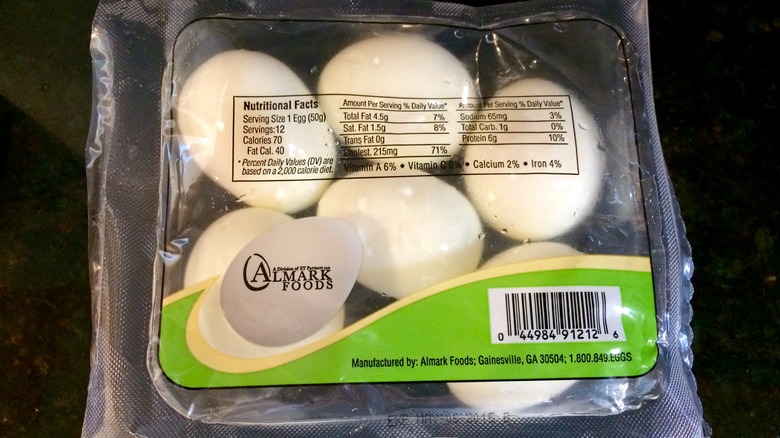
We shouldn't have to say this, but buying boiled eggs at the grocery store is one of the worst rip-offs we've come across. Yes, having boiled eggs on hand to enjoy as a quick snack or to add protein to a fresh salad is convenient, but when you consider the price you're paying for that convenience, you may begin to consider otherwise.
At our local store, six hard-boiled eggs cost around $0.63 per egg, while buying fresh eggs works out to roughly $0.22 per egg. Purchasing fresh eggs means more time spent boiling them over the stove, but there are other ways to keep cooked eggs at the ready without having to prepare a new batch every time you get a hankering.
Rather than spending your cash on pre-boiled eggs at the store, boil a bunch of fresh eggs at once before storing them, still shelled. Boiled eggs usually keep for up to a week when refrigerated, making this a great, affordable option for people who love having boiled eggs ready to use.
Parfaits

Layered with crunchy granola, fresh fruit, and creamy yogurt, we totally understand why you'd be tempted to grab a store-bought parfait, even if it's overpriced. That said, making a habit of purchasing pre-made parfaits will quickly drain your wallet. We've spotted parfaits sold at a price of nearly $4 for a measly 7 ounces. Compare that to the $4 or $5 you'd spend on a 40-ounce container of yogurt at Sam's Club, and it's easy to see how buying the ingredients to make a parfait at home is a better decision.
To make your own parfait, simply grab a tub of your favorite yogurt and top with air fryer granola and a bit of fresh fruit. If using plain yogurt, feel free to add a drizzle of honey for added sweetness. Not only is the flavor of a homemade parfait likely to be better than store-bought options, but you'll save yourself a ton of money by making it yourself.
Salmon and other seafood options
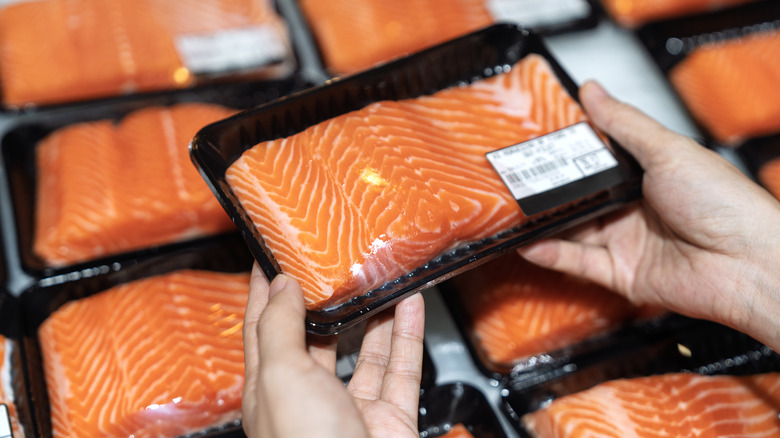
Say what you want, but seafood is pricey these days –- and though we think the occasional splurge here or there can be warranted, getting your fill of your favorite seafood options on every shopping trip might send your grocery bill up and over the edge, especially if you have a lot of mouths to feed.
Of course, the cost of the seafood you purchase will be largely dependent on its type, where you buy it, and a variety of other factors. Still, many seafood options feature sky-high prices, particularly when compared to cheaper meat types like chicken and ground beef. Great examples of this concept are store-bought salmon and crab legs. At our local store, salmon costs a little over $10 for just 1 pound, and crab legs cost over $24 for 1.5 pounds.
Compare that to the price tag of less than $7 you'd pay for a pound of ground beef from the same grocery store, and it becomes clear that the latter is usually the better option for those looking to enjoy an affordable meal. Ultimately, what you buy is up to you, but we'd recommend you avoid loading your grocery cart full of seafood if possible.
Bottled juices

We don't know about you, but we love the freshness and vitamins that juices offer, especially those that are cold-pressed. With those yummy benefits, though, comes a hefty price tag, and when you're trying to save money at the grocery store, bottled juices like these are options you might wish to avoid if your goal is to save money.
Because store-bought juice lacks the fiber found in whole fruit, you may find yourself chugging through a $4 bottle of juice a lot faster than you would a bag of apples costing the same price. The better option? Put the juice down and consume whole, fresh fruit instead. Not only will it get you more food for your buck, but it will also leave you feeling satiated for longer.
If you really can't live without juice, we'd recommend researching the best juicers for beginners. Plenty of juicers are straightforward and quick to use, meaning you can easily juice fruit you already have on hand, rather than adding a bottle to your grocery list.
Coffee pods

Coffee pods are so convenient. With their compact size and mess-free design, these neat little pods work to make coffee-covered countertops a thing of the past. While we certainly appreciate a good pod when facing the clamor of the morning rush, coffee pods tend to be quite a bit more expensive than traditional grounds, on average.
Take Starbucks Breakfast Blend Medium Roast Coffee Pods, for example. These run around $1.57 per ounce, while the same brand and flavor costs only $0.80 per ounce when purchased in their ground form. The same is true of most coffee brands and flavors. Expect the cost of the grounds to be far more affordable than pods.
Already have a Nespresso machine or something similar? No need to fret — there are some pod options out there that allow you to load regular coffee grounds into the machine through the use of a universal pod. Cool, right?
Junk food
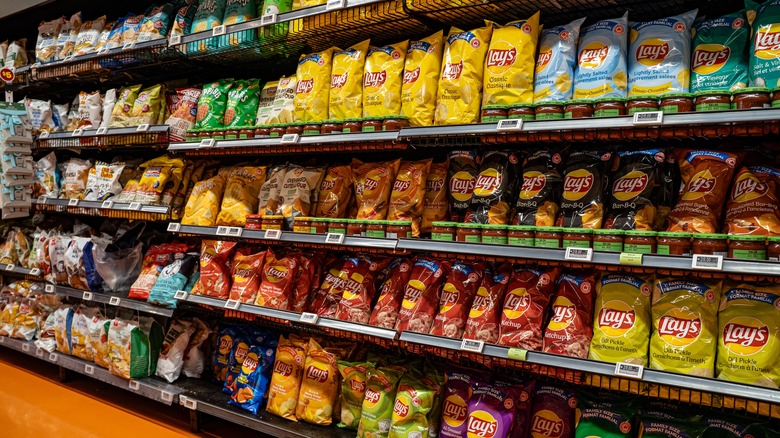
Though it's totally fine to grab a snack or two when hankerings come calling, adding too much junk food to your grocery list may leave your tummy rumbling and your bank account drained. These seemingly mundane purchases can do a number on your grocery bill, especially if you tend to buy multiple types of junk food in a single shopping trip.
A better use of the money might be to invest in grocery items that not only fill you up but also help stretch your dollar in the process. It sounds boring, but swapping out that $3 bag of candy for a bag of fresh fruit at the same price can really help. If you love the saltiness of potato chips but are in need of a more affordable option, try subbing in popcorn instead. You can buy a bag of Amazon Saver Popcorn Kernels for only $2 to $3 per 25 servings of popcorn. In comparison, a bag of Doritos costs roughly $4 for only nine servings per bag. Hey, it may not satisfy all your cravings, but once you get used to the new routine, you'll likely learn to love the new substitutions — and your wallet will, too!
Breads, pastries, pizza dough, and pie crusts
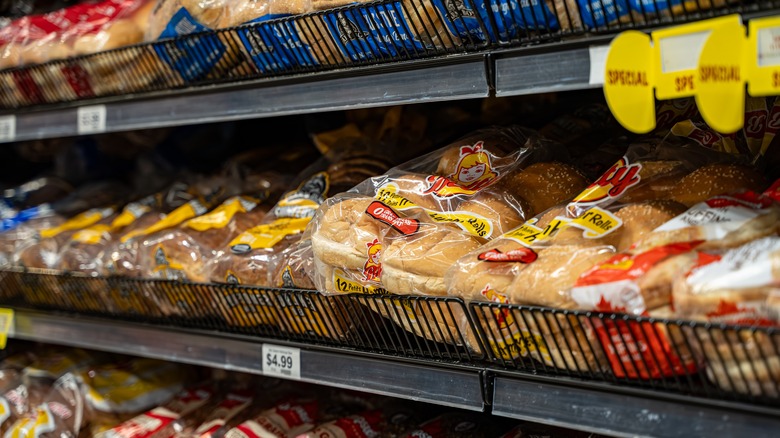
Bread, pizza crusts, and store-bought pastries are typical additions to the average shopping list, but what if we told you that none of these options are necessary to buy? We know, we know. How could you not shop for bread, right? Truth be told, plenty of people opt to make their own baked goods and save tons of money in the process. By stocking up on basic pantry essentials like flour, butter, milk, oil, salt, sugar, and yeast, you can ensure you're prepared to take on virtually any baking recipe without spending your hard-earned cash on it at the grocery store.
That said, we understand that baking goods like breads and pastries can seem daunting, especially if you've never done it before. No worries, though. Watching a few cooking videos on how to make homemade baked goods helps, and the feeling of learning something new can be rewarding. Several types of bread are also surprisingly easy and perfect for beginners. Once you get the hang of it, you'll likely find that most of these options are quite easy to whip together, meaning you can spend your time increasing your baking game rather than your grocery bill.
Cold cereal
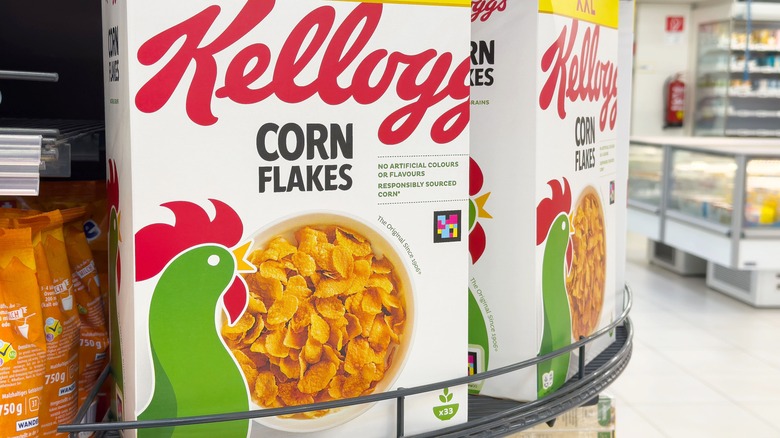
Buying cold cereal isn't a crime. We've got our cupboards stocked full of it, too. But when it's time to get serious about saving money, it might be time to give cold cereal the axe — even if it does taste really (really) good.
Why all the hate? For the average family size box, cold cereal can cost anywhere between $4 and $5 for around 13 servings, depending on the store and brand. A box of plain quick-cooking oatmeal costs roughly the same yet yields a ton more food at 30 servings per container in some cases. And while we understand that a bowl of warm oatmeal isn't quite the same as a sugary, slurpy bowl of Cap'n Crunch, oatmeal can be upgraded in so many ways to make it more satisfying. From fresh fruit toppings to creamy peanut butter, you can experiment with oatmeal flavorings until you find one that suits your taste buds best.
Certain deli meats
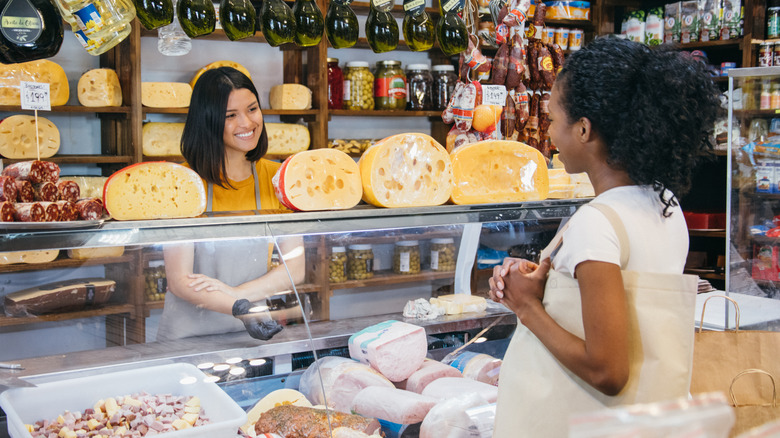
Deli meat might seem cheap at first blush, but if you take the time to compare its pricing to other meat types, you may begin to reconsider. Depending on the brand, you could find yourself paying as much as $7 or more for a pound of deli meat, not including the cost of bread. At that price, you could easily cop yourself a 2-pound rotisserie chicken priced between $4 and $6 at most retailers – including the iconic, affordable Costco rotisserie chicken — making deli meat no longer such an affordable buy.
If you love making sandwiches throughout the week but still want to save money, there are ways to do it without purchasing deli meat. Try getting creative with your sammies. Shred that rotisserie chicken we mentioned earlier to make chicken sandwiches or grab a couple of cheap cans of tuna to make a satisfying tuna panini. Even using the meat from last night's dinner will work!
All in all, the purchase of deli meat isn't always worth it. There are often other, more affordable sandwich-making options out there that can (potentially) get you more food for less.