

Beloved Dishes From Every State In The US
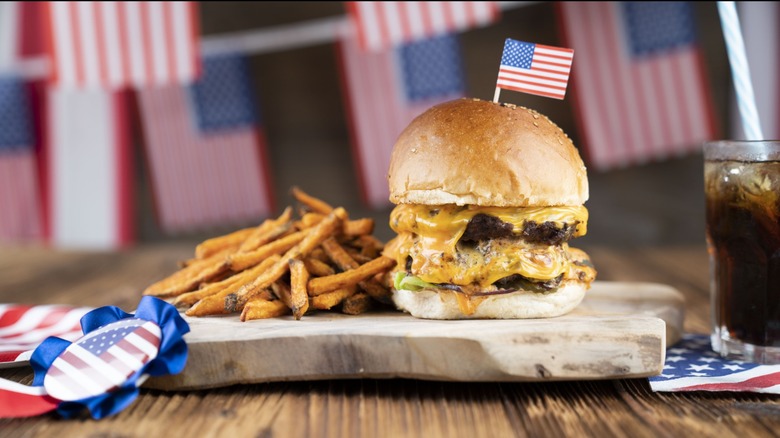
Ask Americans what food best represents their state, and you won't get a neat, single answer. Instead, you'll get stories. You'll hear about the supper someone grew up eating every Sunday after church, the snack their mom always made them after school, the potluck dishes that filled every buffet table spread, or the dish locals insist visitors must try if they really want to understand the place.
Across the country, popular state dishes are shaped by geography, migration, and history. Seafood plates are popular along the coasts, hearty comfort foods are favorites in farming states, barbecue traditions passed down for generations top the menus in cattle country, and Indigenous and immigrant cuisines lead in various regional pockets across the nation. Some cherished dishes are officially recognized, while others are unofficial but still fiercely defended. Some even spark friendly rivalries between cities, regions, or neighboring states.
These dishes reveal how Americans eat, celebrate, and remember where they come from. Rather than naming a "best" or "signature" dish per state, we chose to spotlight here the most beloved options instead. These dishes are deeply personal, and together they form a culinary map of the United States, told not by listicles, but by the actual people who live there.
Alabama: Fried Green Tomatoes
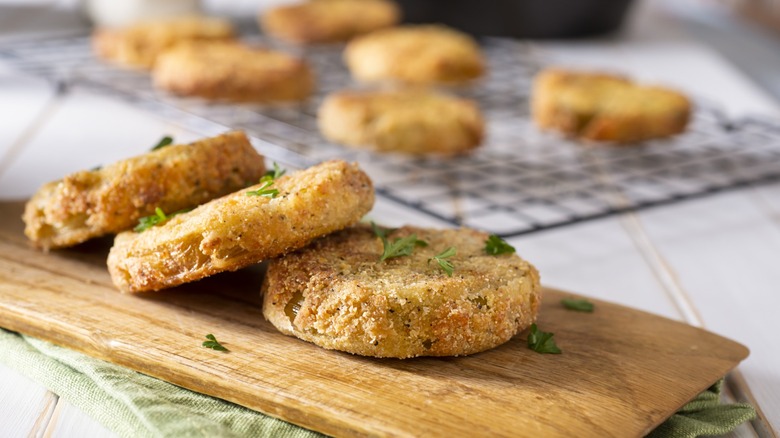
Fried green tomatoes are inseparable from Alabama thanks to the movie, "Fried Green Tomatoes," though they are not actually Southern in origin. Food historians believe these noshes actually have Jewish origins and likely emerged in the Northeast during the late 1800s before they made their way South. Today, they're a must-try across the state, appearing as sides, mains, and appetizers. Some Alabama restaurants report frying hundreds weekly, proving this dish still has a serious fanbase.
Alaska: Reindeer Sausage
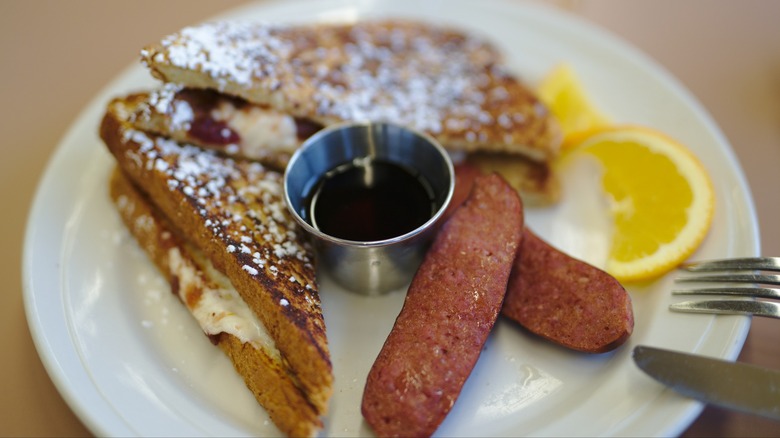
Reindeer sausage is a familiar sight in Alaska, enjoyed at dinner tables and sold year-round everywhere from local fairs to fancy restaurants. Reindeer herding still exists in the state, making the ingredient part of daily life rather than a passing novelty. Locals grill it, pan-fry it, even slice it into various soups and pastas. Much like Alaska, it is practical, hearty, and built for cold weather, and it doesn't hurt that it actually tastes good.
Arizona: Sonoran Hot Dog
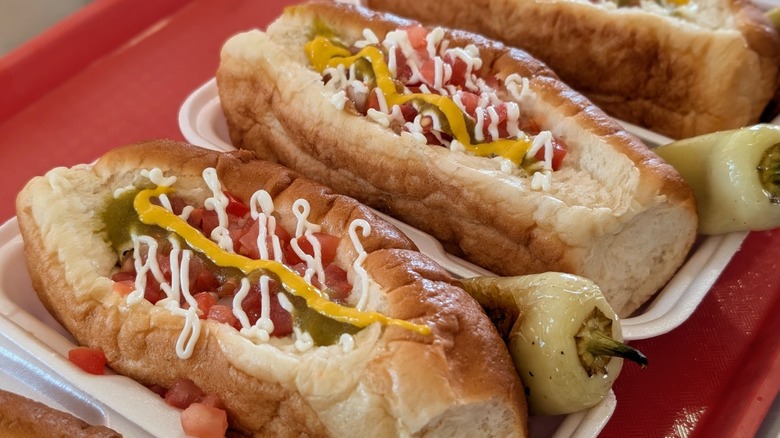
The Sonoran hot dog is quintessential Arizona street food, especially in Tucson, where it competes for signature-dish status. First seen in Hermosillo, Mexico, it features a bacon-wrapped frank tucked inside a semi-sweet bun. Pinto beans, onions, tomatoes, green salsa, mustard, and mayo are piled on high, with variations including cheese or toasted buns making appearances occasionally. This local favorite reflects Arizona's border culture, while nodding to the desert landscape with flavors that bring the heat.
Arkansas: Possum Pie
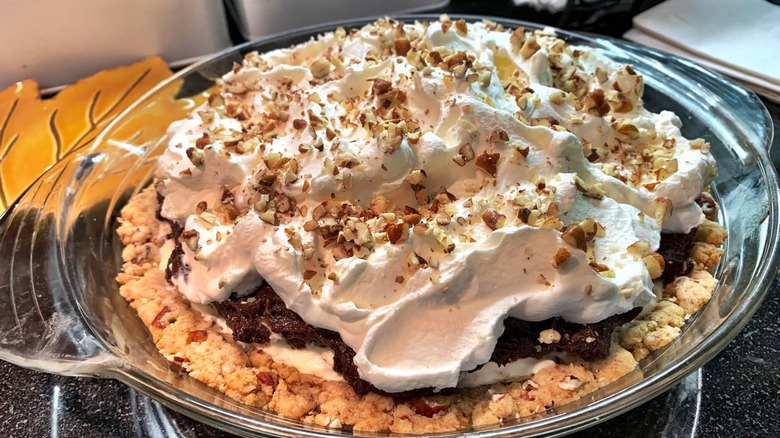
Possum pie is an Arkansas treasure that cheekily plays tricks on outsiders. Despite what its name suggests, there's no possum here. Instead, the pie "plays possum" by hiding its contents beneath a mountain of whipped cream. A pecan crust supports layers of cream cheese, chocolate custard, and vanilla pudding, with a generous sprinkling of pecans finishing it all with a flourish. First mentioned in a restaurant review in 1983, it later earned unofficial state-treat status.
California: Avocado Toast
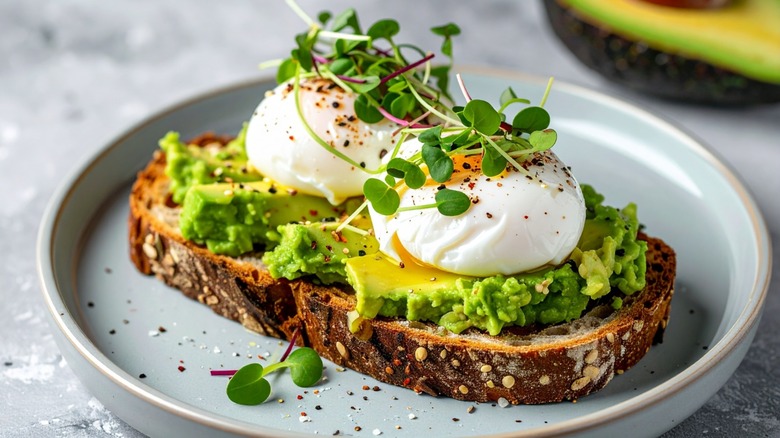
Avocado toast is synonymous with California's food culture, particularly that of Los Angeles, where avocados are woven into everyday life thanks to deep Mexican roots, global influence, and year-round sunshine. The dish itself is endlessly customizable and can range from simple to quite fancy. That said, the base for the best avocado toast remains a ripe avocado and a seasoned, toasted slice of sturdy bread. More than a passing trend, avocado toast reflects California's agricultural abundance, and visitors will see it served virtually everywhere.
Colorado: Rocky Mountain Oysters
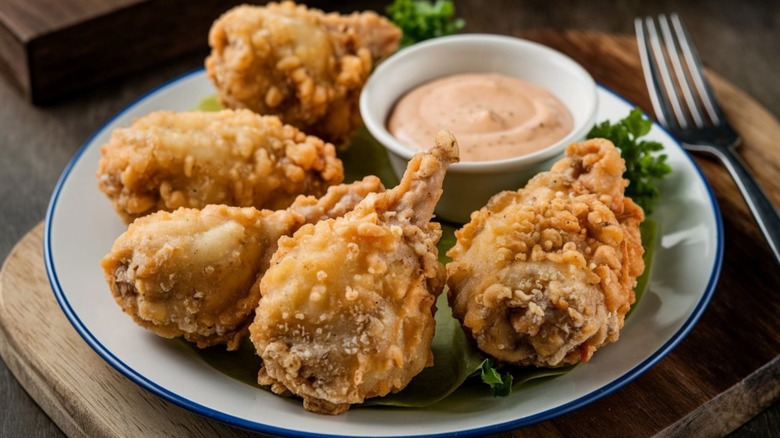
Rocky Mountain oysters are Colorado's most iconic, nervy little wink-and-nod dish. Famous for generating more jokes than false seafood comparisons, these are actually deep-fried bull testicles. A mainstay born from Old West cattle roundups and cowboy frugality, the ballsy, beloved dish is sliced, battered, fried until golden, and served with cocktail or horseradish sauce. Popular with tourists and embraced by locals, these fried delicacies still spark curiosity statewide.
Connecticut: White Clam Pizza (New Haven Pizza)
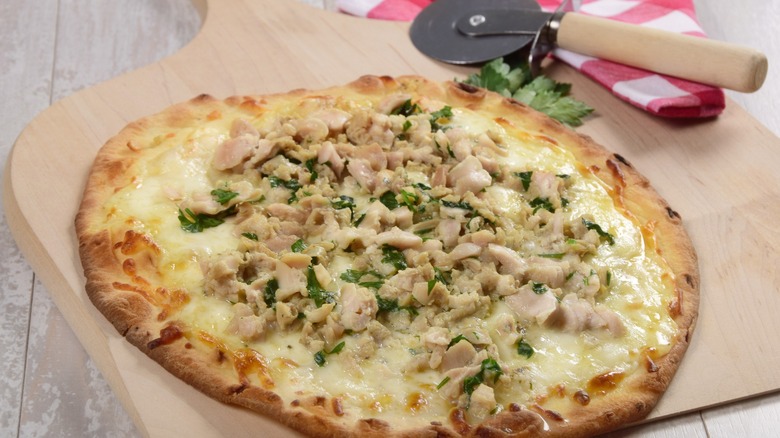
You could say white clam pizza is Connecticut's answer to Chicago's deep dish pie. Rooted in New Haven's pizza culture, it was invented at Frank Pepe Pizzeria Napoletana in the 1960s, breaking all the rules by skipping tomato sauce completely. The classic version features fresh clams, garlic, olive oil, oregano, and pecorino Romano. Variations exist, some with cheese, some without, but locals defend the original fiercely.
Delaware: Scrapple
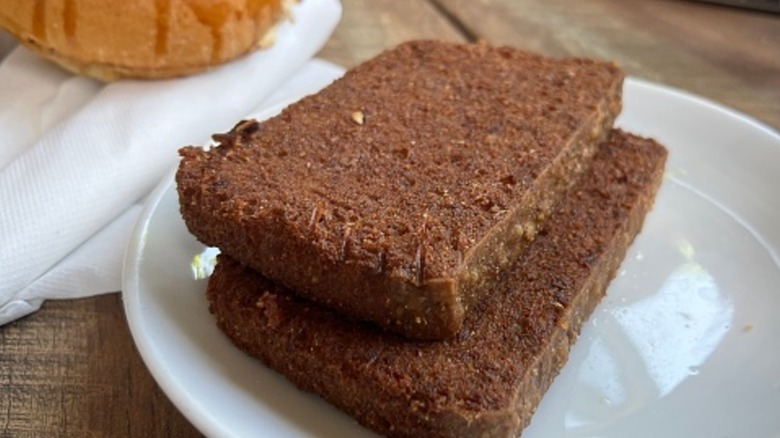
Scrapple basically defines Delaware's breakfast scene in meat-meets-mealy loaf form. Made from pork scraps, cornmeal, and flour, it's sliced and pan-fried until crisp and crackly on the outside and borderline mushy on the inside. Delaware is a major producer and proudly wears the title of scrapple capital. Often paired with eggs, pancakes, or hash browns, opinions get heated over which condiments are considered "allowed" to be applied to this statewide sweetheart, especially ketchup.
Florida: Fried Gator
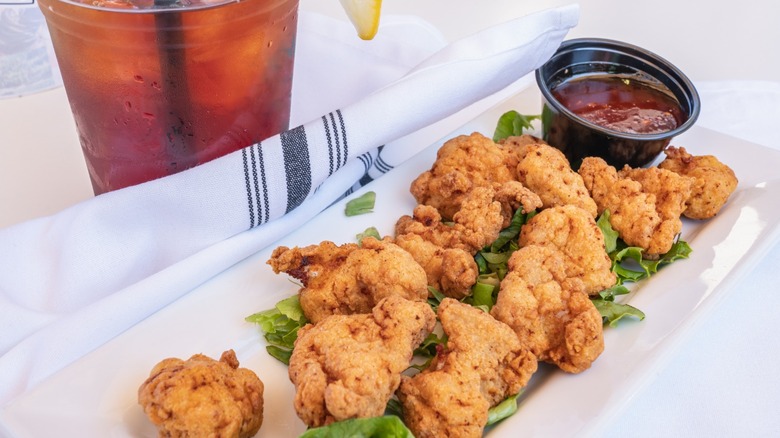
Fried gator is Florida's most distinctive local dish, pulled straight from the surrounding swampy landscape. Alligators are prevalent in the state, especially in the Everglades, and today many are farm-raised for food. Fried gator shows up at Florida fairs, tailgates, and is increasingly being seen on restaurant menus, usually served as nuggets, ribs, or wings. The meat is said to be mild, slightly chewy, and is typically served with a dipping sauce.
Georgia: Cornbread
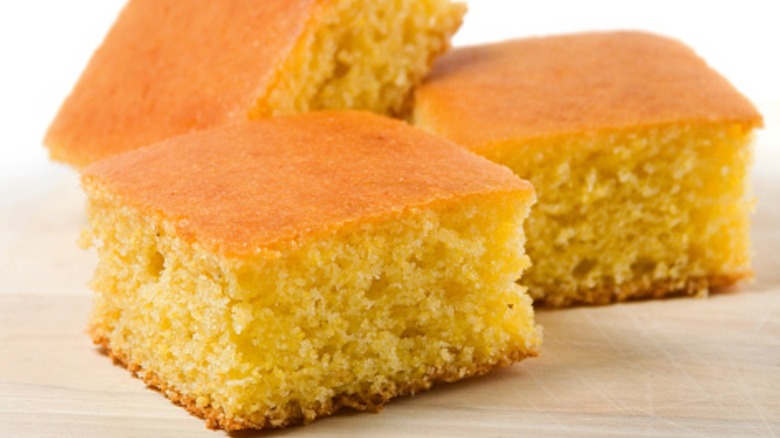
Cornbread became Georgia's official state bread in 2025, formalizing what locals had already known for years. Made from cornmeal and rooted in Indigenous cooking, it evolved over the years as settlers started to add milk, eggs, and leavening to the mix. Corn thrived where wheat struggled, making cornbread a reliable Southern mainstay. Nowadays, whether cooked in cast iron skillets and savored on its own, or served with accompaniments like greens or beans, cornbread is quintessential Georgia cuisine.
Hawaii: Poke Bowl
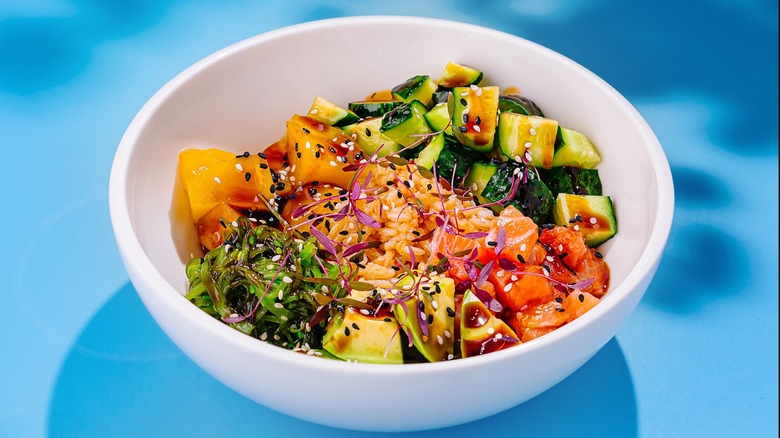
Poke bowls are an everyday affair in Hawaii, not the latest viral craze. The word "poke" means to slice, a nod to its origins as cubed reef fish seasoned simply with salt and seaweed. Immigrants arriving to the islands introduced soy sauce, sesame oil, and new ingredients to the mix. Variations exist, but Hawaiian poke is generally marinated before being served, with rice forming the base of the bowls. From supermarkets to backyard and beach celebrations, the poke bowl is a non-negotiable nosh.
Idaho: Loaded Baked Potato
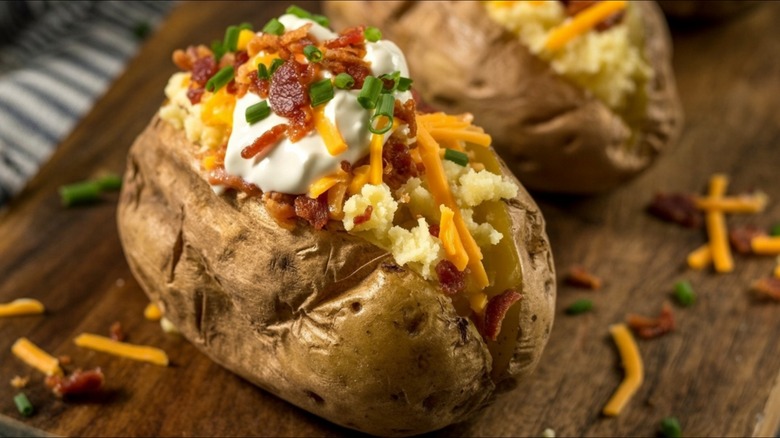
The loaded baked potato is Idaho comfort food built on unmatched raw material, the Idaho potato itself. Fully customizable, this beloved spud is much like Idahoans themselves, open and inviting, welcoming butter, cheese, sour cream, or anything else one wants to pile on. But the Idaho potato remains the star. The dish has cultural weight given that Idaho is America's potato capital, and while locals gladly dress up the superstar starch, they know those toppings are just window dressing.
Illinois: Italian Beef Sandwich
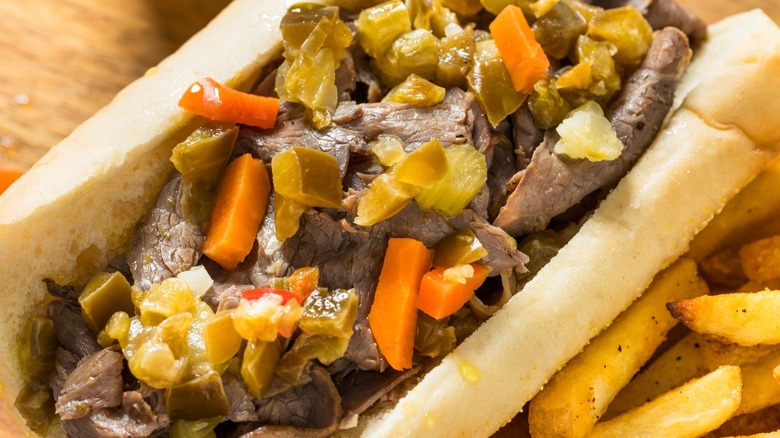
Catapulted into the spotlight by the wildly popular series "The Bear," the Italian beef sandwich is a Chicago obsession. Born from the thriftiness of Neapolitan immigrants, the sandwich fed crowds cheaply and well. Featuring thin-sliced, generously seasoned beef soaked in its own juices, the meat is piled onto a roll before being devoured. Giardiniera or sweet peppers are added like colorful confetti, topping a juicy concoction leading to many a ruined shirt.
Indiana: Pork Tenderloin Sandwich
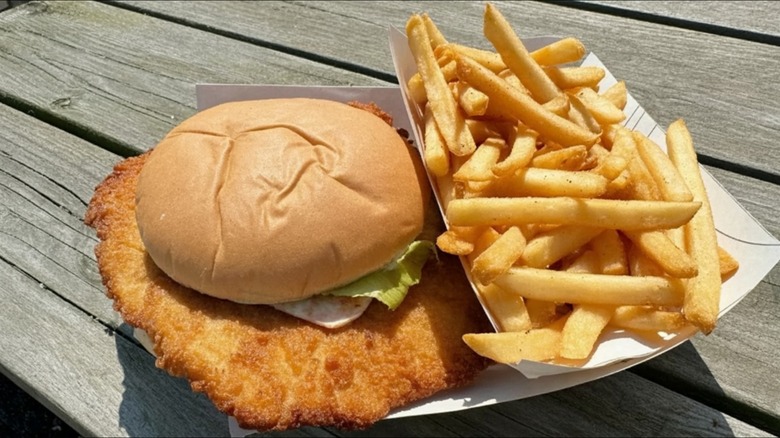
The pork tenderloin sandwich is not just the state's signature sandwich, it's basically Indiana on a bun, and many Hoosiers grow up assuming everyone knows it. Sadly, this isn't the case for this sammie that is typically hanging off the plate. Originating in Indiana, the meat is thinly pounded before being breaded and fried, and it is served atop a hamburger bun with the works. This dish has always been a tried-and-true regional food and source of local pride.
Iowa: Sweet Corn on the Cob
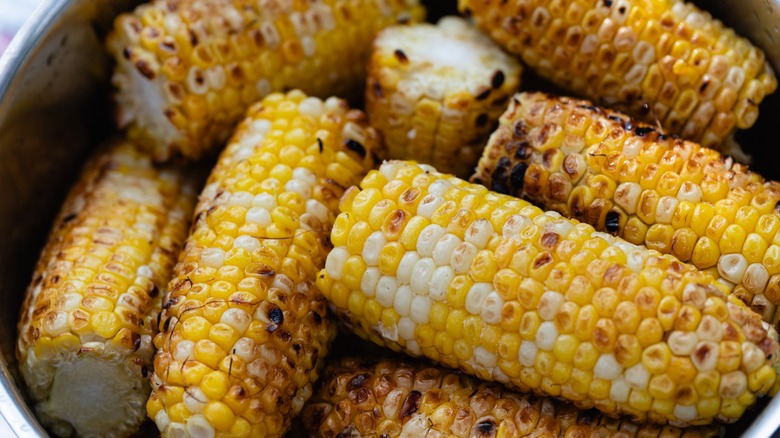
Sweet corn on the cob is essentially Iowa summer served piping hot on a skewer. When this beloved local staple is in season, meals literally revolve around it, sometimes with nothing else on the plate. It's a local delicacy gobbled up with glee by the earful, often prepared boiled, grilled, or even made in an air fryer. It is generally served slathered with butter, salted lightly, and devoured immediately.
Kansas: Brown Bread Ice Cream
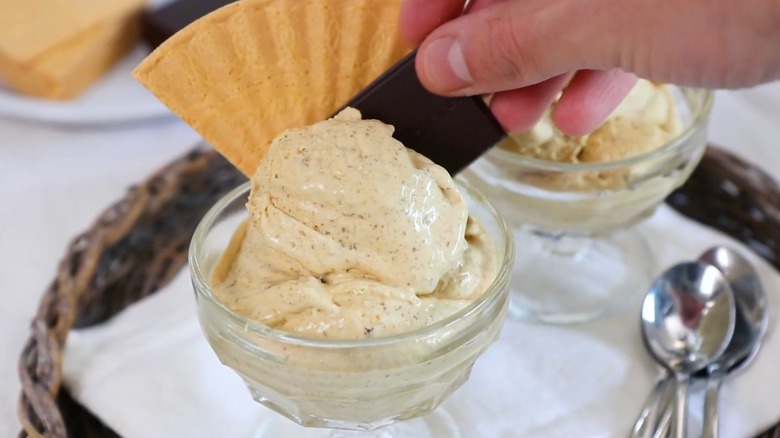
Based on a traditional British dessert, brown bread ice cream features toasted, caramelized bread crumbs folded into a vanilla ice cream foundation. In Kansas, the flavor is also enjoyed as frozen custard, with G's in Topeka perhaps best known for its version (even getting a mention on the popular HBO show "Hacks" in 2024). For many residents, the brown bread crunch brings back sweet memories of growing up in the Sunflower State.
Kentucky: Beer Cheese
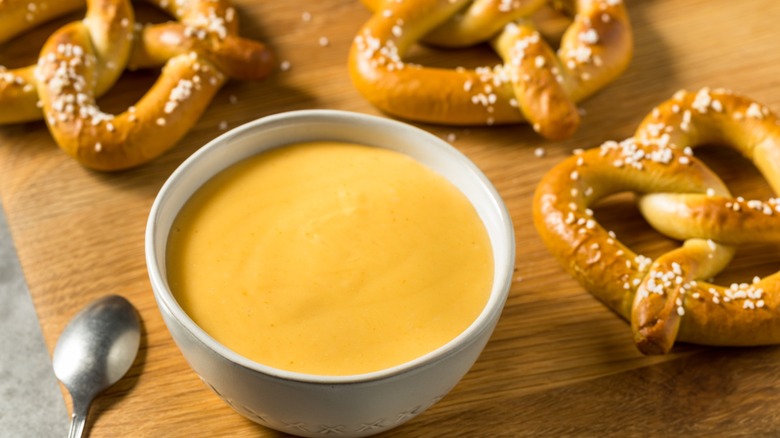
Often served with pretzels, crackers, or vegetables, beer cheese is a match made in Kentucky heaven. Born in Winchester, the spicy cheese spread likely evolved from German immigrant traditions and clever barkeeps using stale beer to boost sales. Its modern identity goes back to Johnny Allman, whose "Snappy Cheese" turned a local snack into a certified obsession. There is even an annual Beer Cheese Festival that draws massive crowds.
Louisiana: Creole Jambalaya
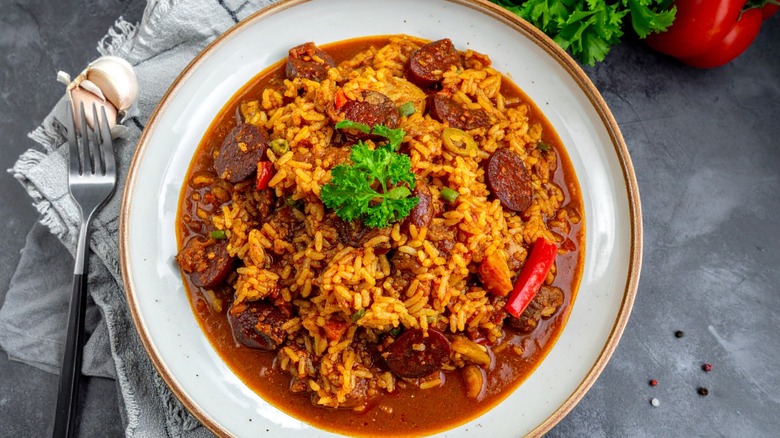
Creole jambalaya is among Louisiana's most recognized one-pot dishes. A nod to New Orleans classic cooking that was shaped by French, Spanish, and African influences, classic versions of Creole jambalaya layer spices and veggies with rice, shrimp, chicken, ham, and andouille sausage. Also known as "red jambalaya" for its use of crimson-hued tomatoes, it differs from Cajun brown versions found farther west. It's a cherished dish that reflects Louisiana as the cultural melting pot that it is.
Maine: Lobster Roll
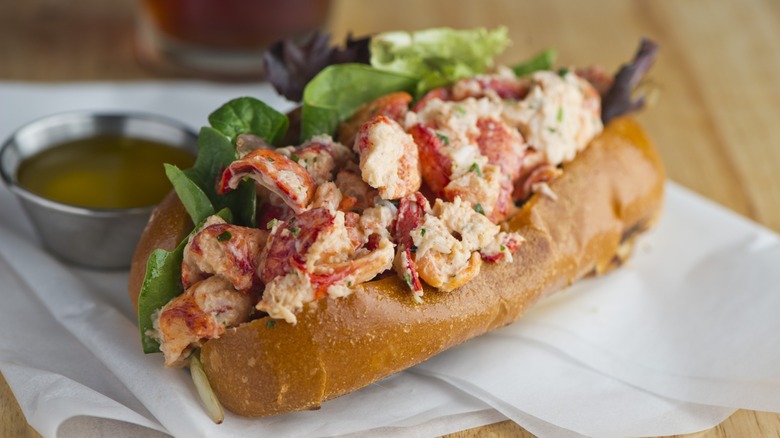
The lobster roll is a mainstay on any Maine summer day. Maine-style lobster rolls are served cold, featuring cooked lobster meat lightly kissed with mayo and sometimes celery or herbs. Purists insist the lobster should dominate the New England pseudo-sammie, not the bun or dressing. Locals argue that freshness and taste matters more than cost, and fierce debates often erupt online over technique and the proper way to serve a lobster roll.
Maryland: Crab Cakes
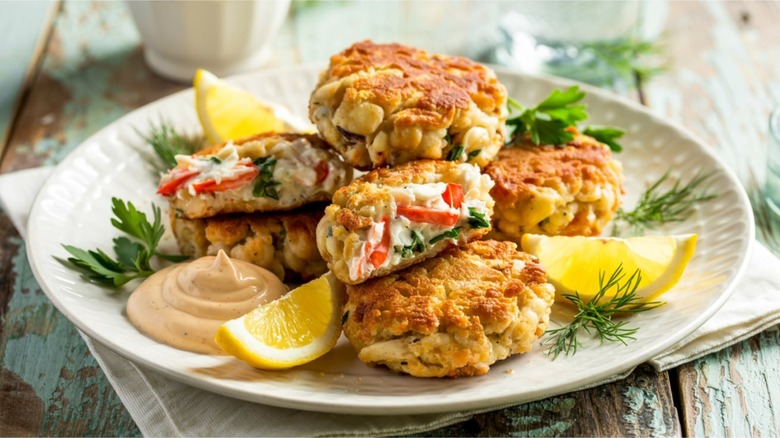
You could say crab cakes are Maryland's most revered food, tied directly to the Chesapeake Bay and its beloved blue crabs. Made to highlight lump meat with minimal filler, it is said a truly great crab cake is all about restraint and respect for the main ingredient. That being said, Maryland chefs and home cooks alike obsess over freshness, shell-free meat, and proper handling. The dish is such a mainstay, restaurants risk empty dining rooms if it's missing from the menu.
Massachusetts: Fluffernutter
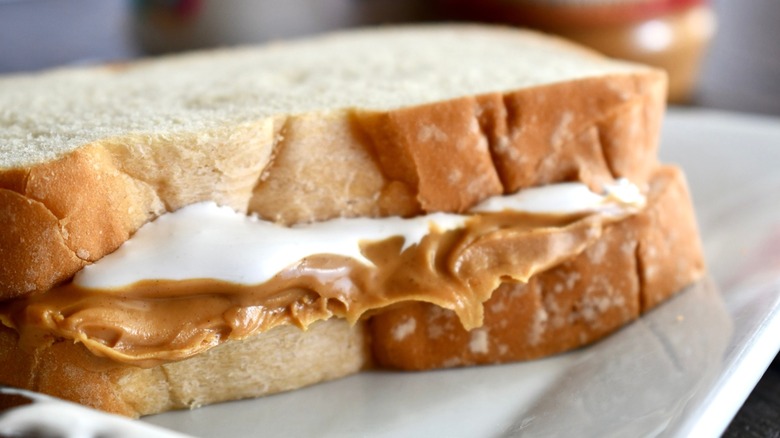
Massachusetts gave the world the Fluffernutter, a salty-sweet sandwich rooted in Somerville kitchens. In 1917, Archibald Query created marshmallow creme and began selling it door-to-door. In 1920, Lynn candy makers bought the recipe and began producing Marshmallow Fluff commercially. Pairing peanut butter with Fluff soon became a craze, leading to the now iconic regional mainstay sammie, which is essentially edible New England nostalgia tucked between two slices of bread.
Michigan: Detroit-Style Pizza
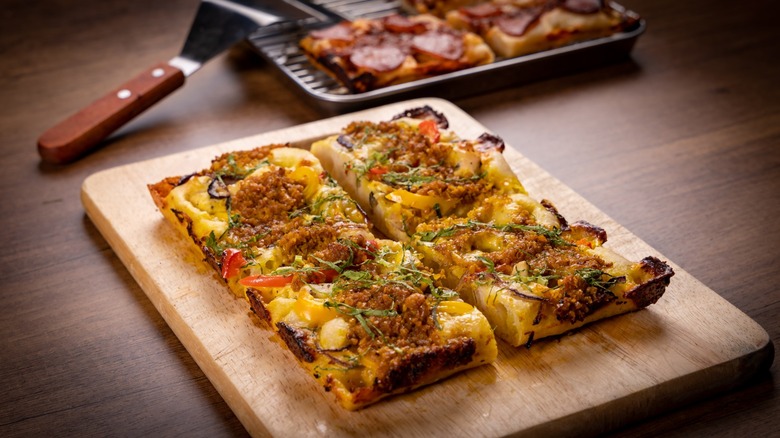
Detroit-style pizza is defined by its square shape, thick crunch, and cheesy edges. This pie style first hit the scene in 1946 at Buddy's Rendezvous, a popular eatery located in Detroit's east side. It showcases pizza dough pressed into metal pans originally made from automotive scrap, which makes sense given the history of this city. Sauce goes on top, not underneath, and Wisconsin brick cheese gives this pizza a distinctive richness.
Minnesota: Tater Tot Hotdish
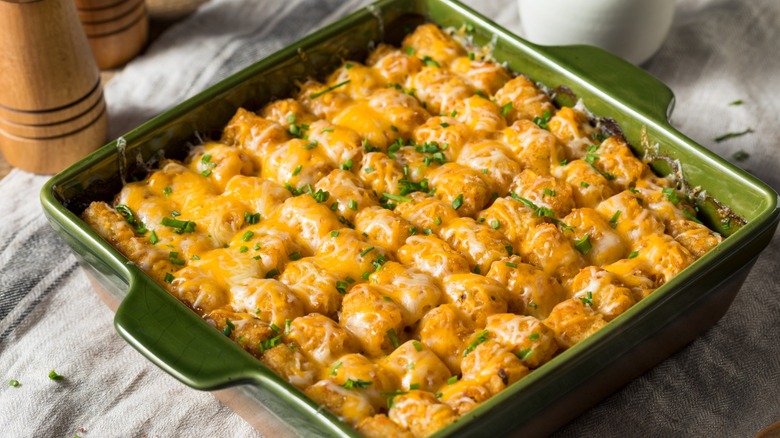
Hotdish is what Minnesotans call casseroles, and this version is considered the queen bee in Midwestern cuisine. This queen's preferred crown is tater tots. Within this beloved Minnesota mainstay is a concoction of ground beef, vegetables, and mushroom soup baked together in one dish. Found lining banquet tables at potlucks and served warm at family dinners, Minnesota is mad about this one-dish meal.
Mississippi: Mississippi Hash Brown Casserole
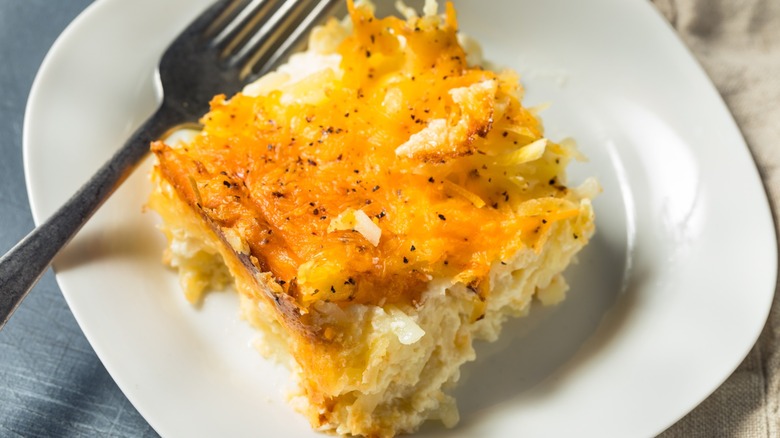
Mississippi hash brown casseroles have been a local favorite for years. Built around shredded hash browns and baked into a rich, shareable casserole, this dish is known to make a regular appearance at both breakfasts and dinners across Mississippi tabletops. Various versions exist, and community groups can't get enough of them, eagerly posting preferred recipes with glee. They're customizable and comforting, and sharing is baked in their DNA.
Missouri: Toasted Ravioli
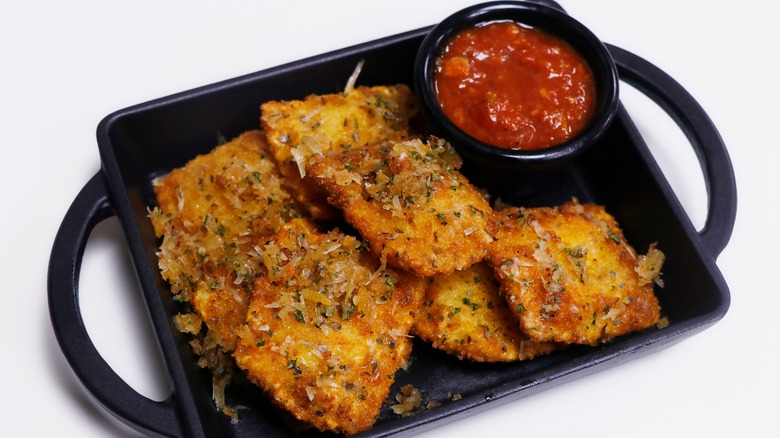
Toasted ravioli is basically St. Louis squared. A Missouri specialty that single-handedly turned pasta into an elite appetizer, toasted ravioli is what happens when traditional ravioli are breaded, seasoned, and deep-fried until crisp. Toasted ravioli traces its history back to Italian restaurants in the area known as "The Hill," where it remains a must-order menu staple today. Locals recognize them instantly, and often order them with a side of marinara and garnished with a dash of parmesan cheese.
Montana: Bison Burger
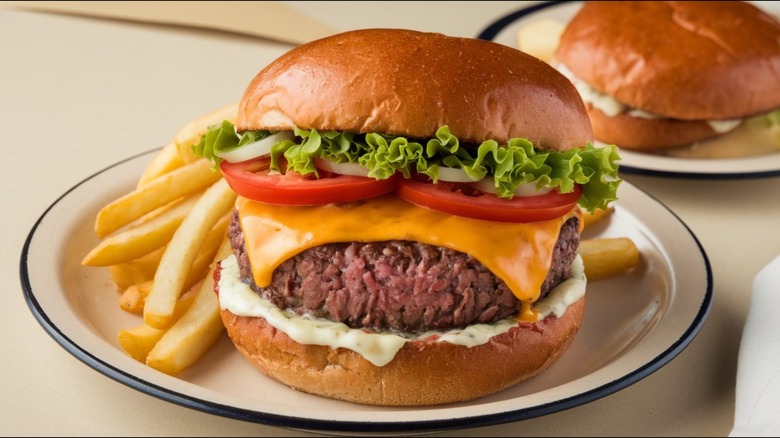
Montana's bison burger obsession reflects both the state's deep connection with bison ranching and its hunger for hearty burger meat. Frequently found on menus across Big Sky country, bison burgers are known for being more lean than beef, with less calories and fat. The meat is juicier and often appears more medium-rare, with a slightly denser texture. Tasters also note a mild sweetness and tenderness that is attributed to its more delicate intramuscular fat.
Nebraska: Runza
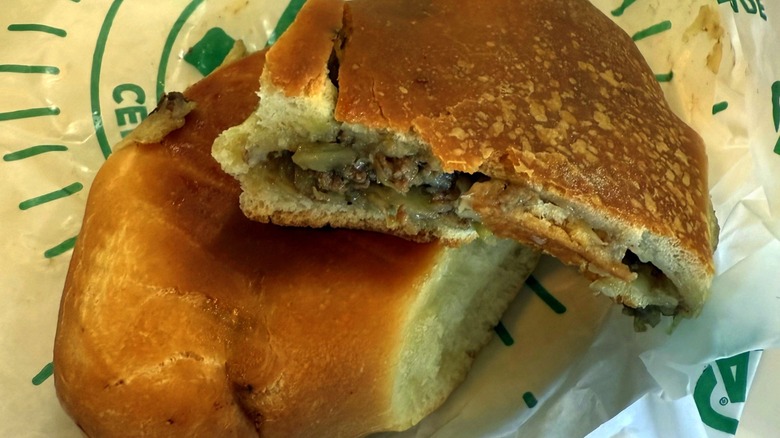
Nebraska's runza (sometimes known as a German hot pocket, or bierock) is a handheld comfort food classic that showcases yeast dough wrapped around seasoned ground beef, cabbage, and onions. Popular enough to inspire an entire fast-food chain, runzas are considered the state's unofficial food. These pocketfuls of paradise are sold piping hot at eateries, fawned over at county fairs, and are favored tailgate fare for football games at Cornhusker Stadium.
Nevada: Basque Lamb
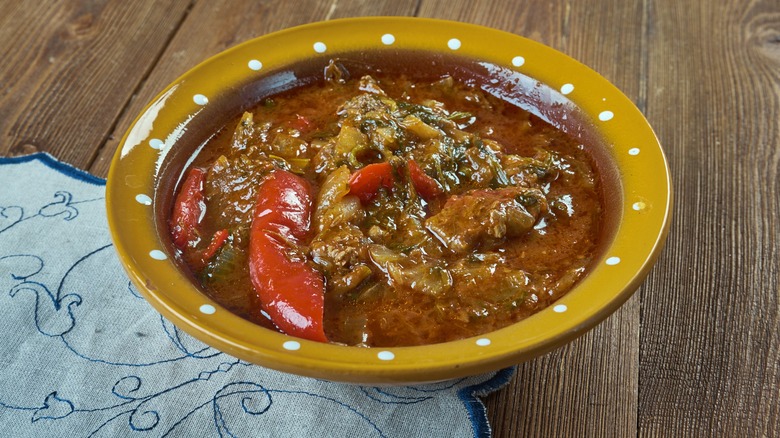
The local preference for Basque lamb dishes in Nevada reflects the state's deep respect and reverence for its Basque sheepherding history. From lamb chops to hearty lamb stews, these meals appear on menus in places like Winnemucca and other scattered state enclaves where several authentic Basque hotels and restaurants remain. Basque immigrants once played a major role in Nevada's sheep industry from the late 19th century onward, and their mouthwatering cuisine is still beloved today.
New Hampshire: Apple Cider Doughnuts
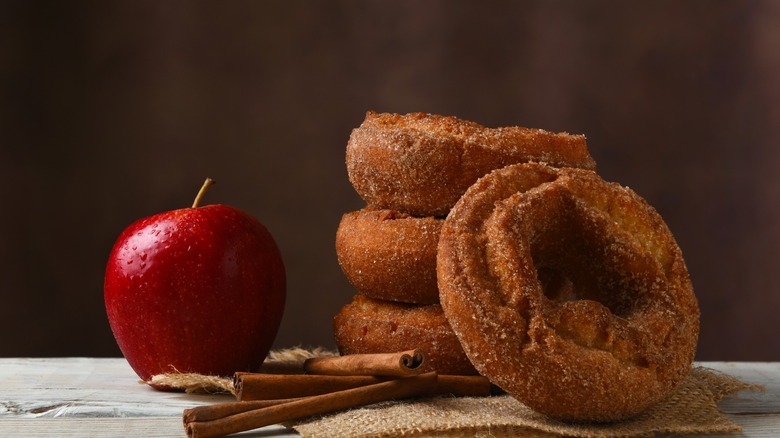
Apple cider doughnuts are a New Hampshire cool weather essential, appearing everywhere once temperatures tumble. Some locals say they never saw them before moving to the state, then suddenly couldn't escape them. Made with apple cider and coated in cinnamon sugar, these sweet, deep-fried beauties are served fresh from pastry shops to farm stands to home kitchens. That first warm, cinna-sugar ring signals to New Hampshirites that autumn has officially made its entrance.
New Jersey: Disco Fries
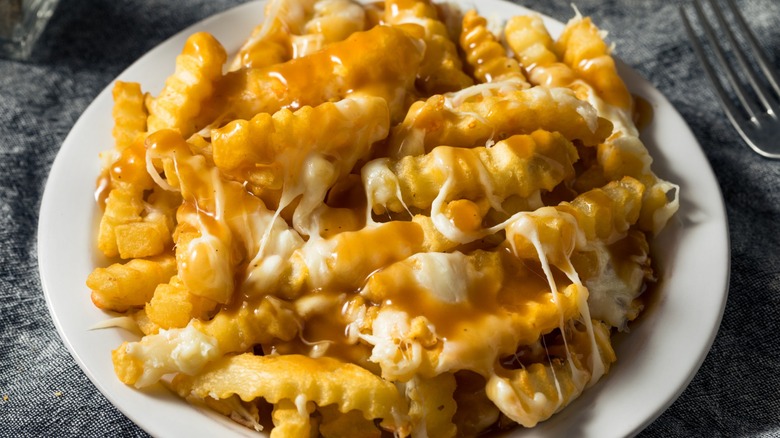
Disco fries are a New Jersey diner essential. In fact, every greasy spoon eatery in the Garden State better be familiar with this beloved dish or they might just get some complaints. Featuring French fries smothered in brown gravy and melted mozzarella, Disco Fries trace back to the Tick Tock Diner in Clifton, where they were devoured the 1970s as a late-night fix for hungry disco-goers. Similar to Canadian poutine, the Jersey version uses mozzarella in lieu of curds.
New Mexico: Frito Pie
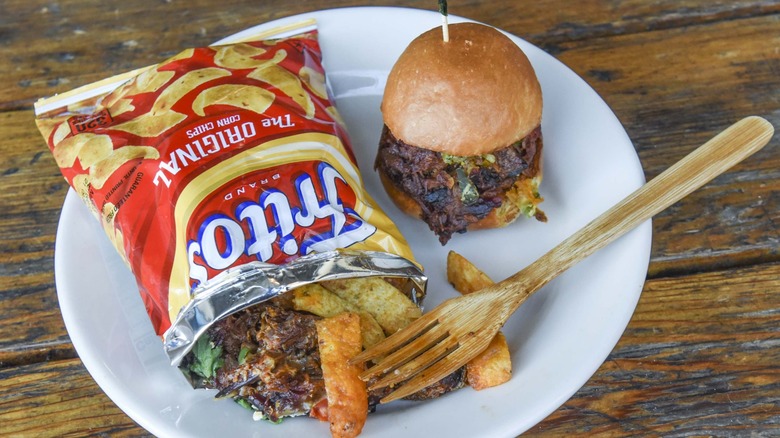
When it comes to competing for most delicious food titles, you could say New Mexico has it in the bag. Frito pie is a local favorite, featuring chili and cheese poured directly into a bag of Fritos. Ideally eaten with an old-school disposable fork, it is gloriously messy, demanding a proverbial arsenal of napkinry. Though its origins are disputed, Frito pie is a mainstay in New Mexico, appearing everywhere from school lunchrooms to local festivals.
New York: New York-Style Pizza
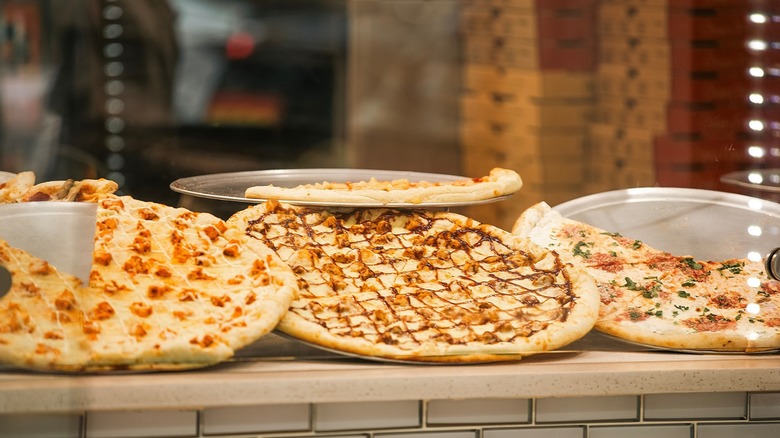
Fitting fare for the city that never sleeps, New York–style pizza is ideally built to fuel residents' bustling life on the go. These large, thin slices of pizza pie (usually served on a paper plate) are specifically designed to be folded and eaten standing up or walking at a determined clip. The classic crust is crisp, yet flexible enough to fold without too much fuss, and the sauce remains simple.
North Carolina: Pork Barbecue
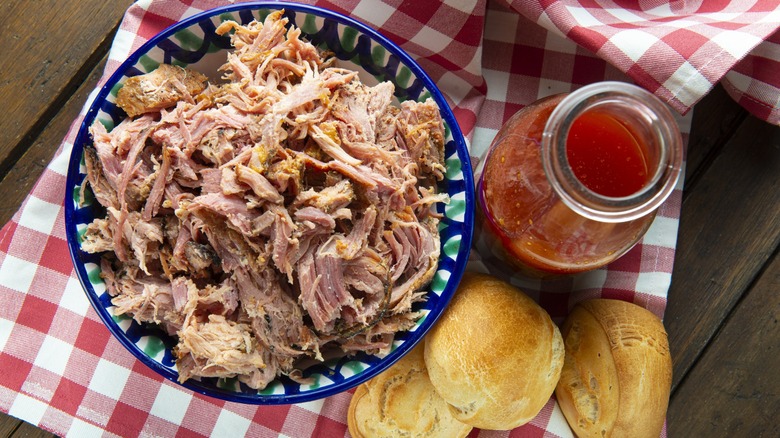
In North Carolina, barbecue means pork, especially in the eastern territories of the Tar Heel State. Eastern-style barbecue in this state is all about whole hogs cooked low-and-slow over wood, then chopped or pulled and dressed with a vinegar and chili pepper sauce. This tangy concoction is a time-honored tradition and local favorite, often served with coleslaw. While western regions may favor tomato-based sauces, you could say eastern barbecue likes to keep things a little more acidic.
North Dakota: Knoephla
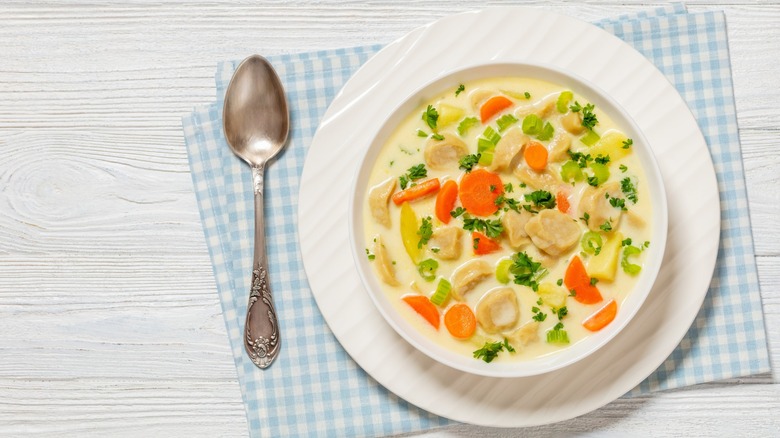
A nod to North Dakota's German heritage, knoephla soup is a local mainstay. Thicker-than-thin and oh-so-creamy, these beloved bowls are typically made with chicken, potatoes, and a heaping helping of dumplings known as knoephla. North Dakota residents often recommend seeking it out at hole-in-the-wall diners, especially authentic German-owned establishments, where the soup is taken seriously and done right. This is a dish ideally built for finding comfort in hearty fare amid cold weather during long winters.
Ohio: Polish Boy
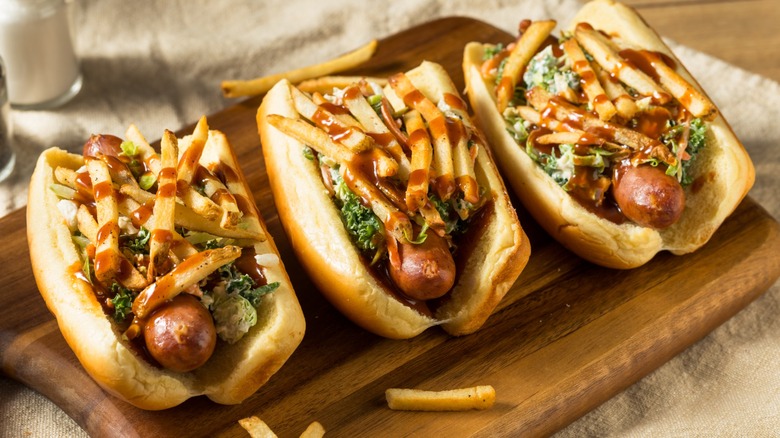
The Polish Boy is Cleveland's signature sandwich and a hearty repast relegated to the confines of a single roll. A grilled-then-fried kielbasa gets tucked into a hot dog roll and is then piled high with a proverbial mountain of French fries, creamy coleslaw, and barbecue sauce. Some versions even add hot sauce to give eaters that extra get-up-and-go kick. Messy but mouthwatering, this Polish-inspired sausage dish is distinctly salty and spicy.
Oklahoma: Fried Onion Burger
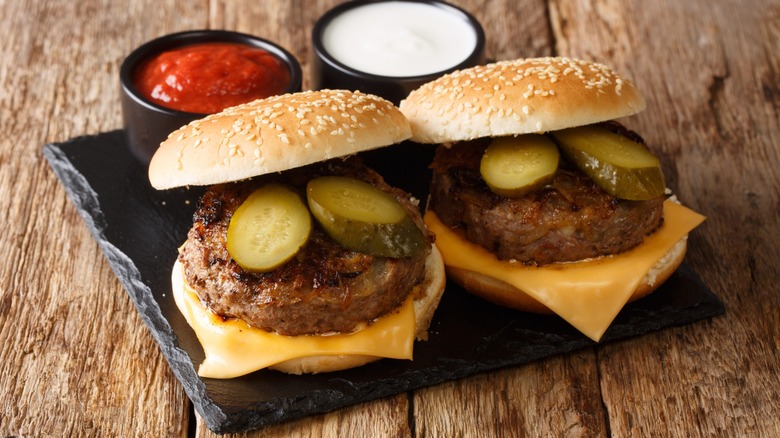
The Oklahoma fried onion burger is a Depression-era, OG smash burger first seen in El Reno. To stretch beef in lean times, cooks "smashed" thinly-sliced white onions directly into a fistful of ground meat and popped that pairing on a sizzling grill. While the patty heats up, the onions crackle and caramelize into a crispy crust melded in with the beef. Melted American cheese, then pickles and mustard are added before it's all placed on a soft bun.
Oregon: Chicken and Dumplings
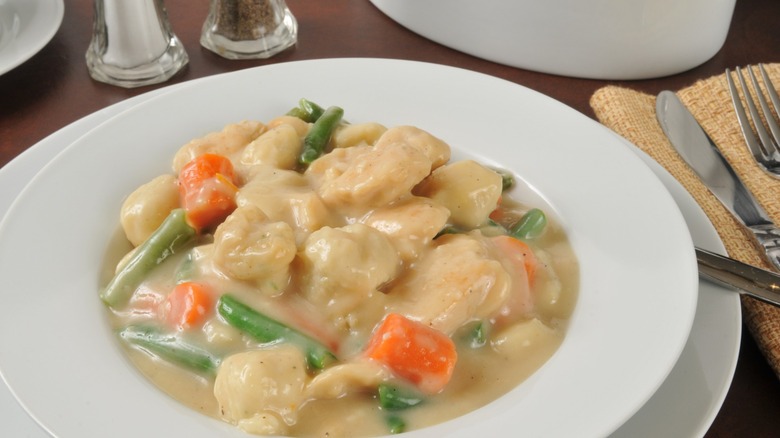
In Oregon, chicken and dumplings is regarded with reverence. A home-hearth mainstay, this Oregonian-favored meal is often served alongside made-from-scratch cornbread. Some versions of chicken and dumplings lean to the thinner side, bordering brothy, while others are decidedly more sturdy and stew-like, with dumplings ranging from fluffy spoonfuls to rolled, noodle-style dough. Regardless of the texture, Oregonians seem to love this poultry pick.
Pennsylvania: Philly Cheesesteak
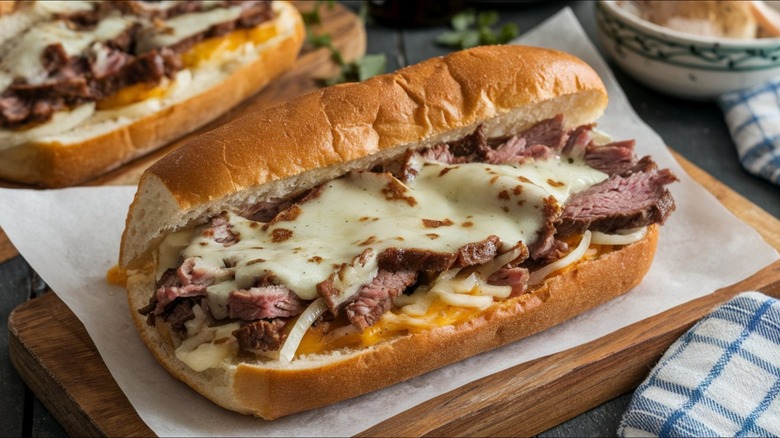
A Philly cheesesteak is specific, and Pennsylvanians will absolutely have a beef with you when it's done wrong. With true Philadelphians, thinly sliced beef gets a proper sear, onions cook all the way down until their juices transform them into a sweet and savory affair, and the cheese topping melts into the meat instead of sitting awkwardly on it. These are served on a roll that is hearty enough to withstand all the juices.
Rhode Island: Stuffies
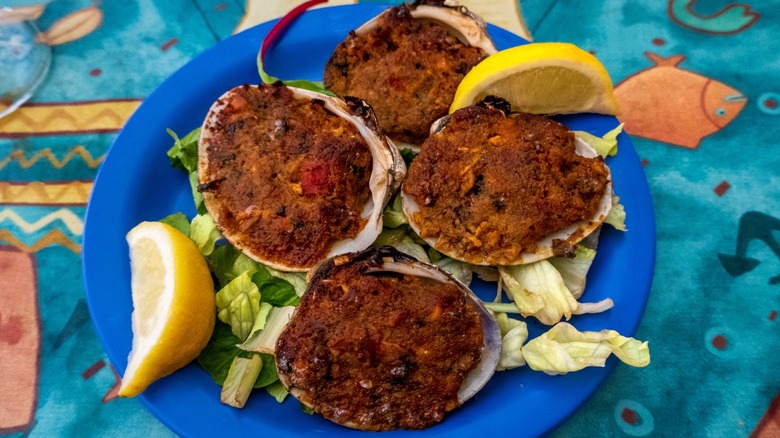
Stuffies are certified Rhode Island staples. After all, these beloved seafood treasures are built around massive quahog clams nabbed right from Narragansett Bay, then stuffed back into their shells with a magical mixture of breadcrumbs, minced clam meat, and spicy infusions of garlic, paprika, peppers, and, occasionally, smoky chouriço. Every clam shack has a version, and residents get in fiery debates over how simple or seasoned these should be.
South Carolina: Shrimp and Grits
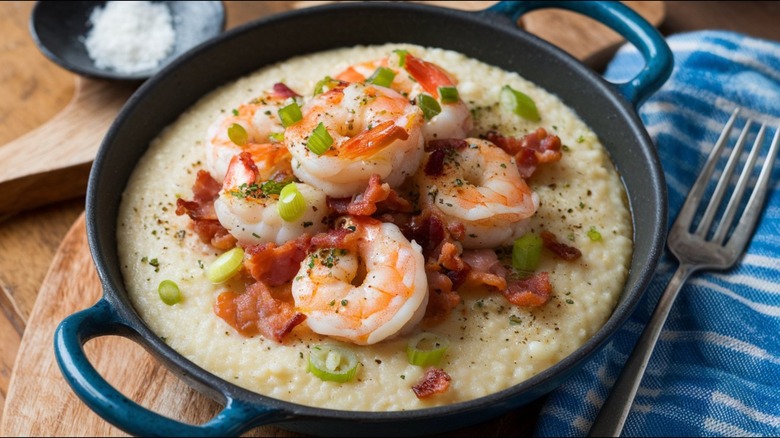
Shrimp and grits began as a Lowcountry breakfast staple served among the Gullah Geechee people. The recipe reflects the resourcefulness of chefs at the time, created using ingredients that were local and readily available. Grits form the foundation of this creamy, comforting concoction, while shrimp brings its star power from shores to the bowl. The dish has became so beloved in SC, it can be found on menus across the state at all hours of the day.
South Dakota: Chislic
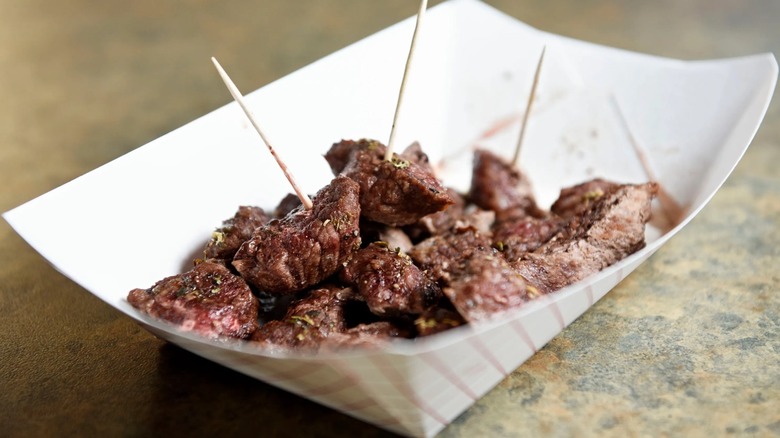
Originating in the 19th century, its name taken straight from the Turkic word shashlik, chislic was officially named South Dakota's state food in 2018. To say it is unique would be an understatement, but before you give it the side-eye, try taking a stab at this skewered staple consisting of cubed red meat (usually lamb or beef) that is deep-fried or grilled and seasoned generously. Often paired with saltine crackers and sauce, locals take this snack seriously.
Tennessee: Nashville Hot Chicken
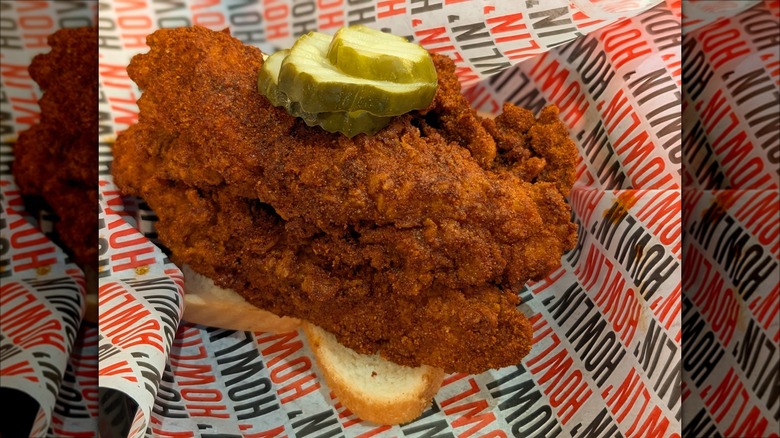
Nashville hot chicken is like classic Southern fried chicken that had a fierce glow up. What makes this Tennesseean iteration so hot is that it is marinated before being deep-fried til crisp, then slathered in a fiery spice paste. Long before this dish went viral, it was a local staple, tied to memories of family meals and neighborhood joint menus. That said, Prince's Hot Chicken turned it into a bonafide movement.
Texas: Beef Brisket
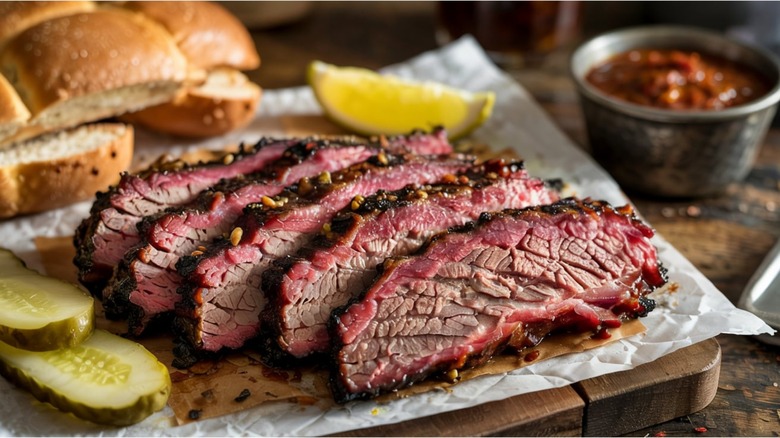
Texas beef brisket is famous for its signature low-and-slow smoke. This BBQ, which is said to have come from Czech and German immigrants, takes no prisoners when it comes to its unapologetic pursuit of perfection. The reason for its impossibly lengthy cook time, which can take up to 18 hours, is to enable the meat to become a tender masterpiece that makes mouths water and eyes marvel.
Utah: Funeral Potatoes
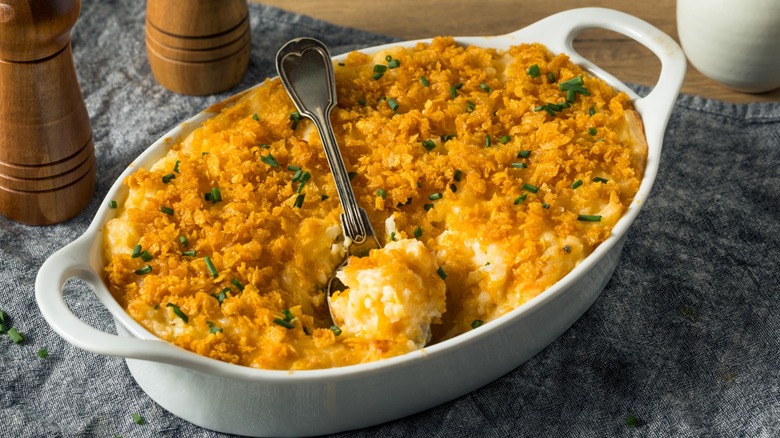
Funeral potatoes are Utah's favorite comfort food. This dish with a doleful name shows up at somber and joyful gatherings alike. While most associated with the Mormon community, it's become a statewide staple. The cheesy potato casserole made with shredded potatoes, creamy sauces, butter, sour cream, and a crunchy cornflake topping seems to be so delicious that Utahans of all backgrounds love it.
Vermont: Apple Pie with Cheddar
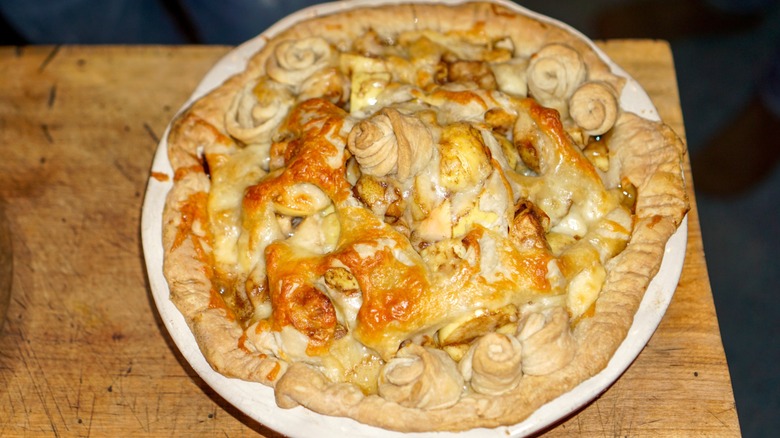
In Vermont, that slice of apple pie doesn't want your dusty old dollop of ice cream, it demands cheddar cheese. This is a sharp-meets-sweet pie pairing that traces its roots back to England and now thrives in a state that is serious about both its apples and its cheese. Each serving of warm, fresh-from-the-oven apple pie is topped with a thick slice of creamy, rich cheddar.
Virginia: Country Ham
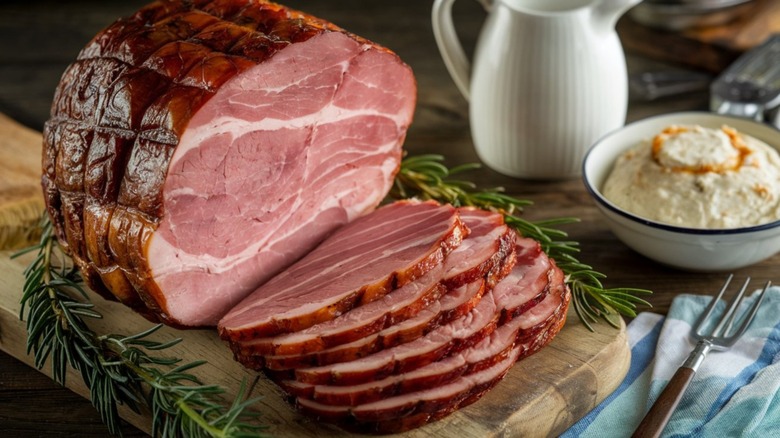
Virginia's country ham is a thing of pride, especially Smithfield ham, a brand that is globally-renowned and carries carrying centuries of history. With roots tracing back to colonial times, this ham is salt-cured, smoked, and aged patiently. The city of Smithfield, lovingly nicknamed "Hamtown," celebrates the meat with festivals and even has the world's oldest ham on display. Savory, über-salty, and very distinct, the ham is served thinly sliced, as-is, or alongside biscuits.
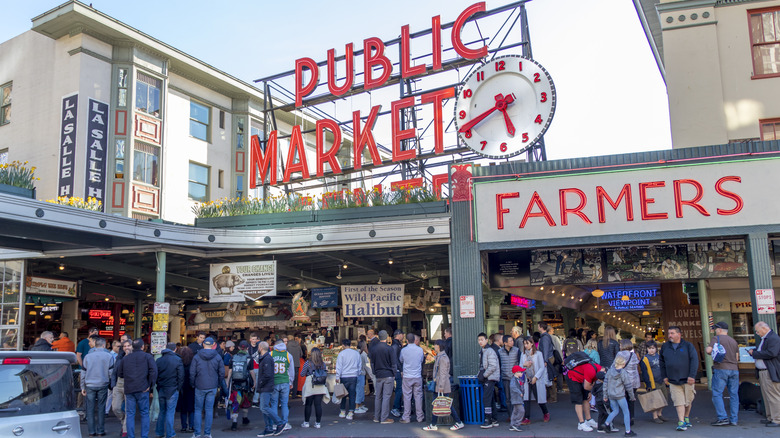
Washington: Beecher's Mac and Cheese
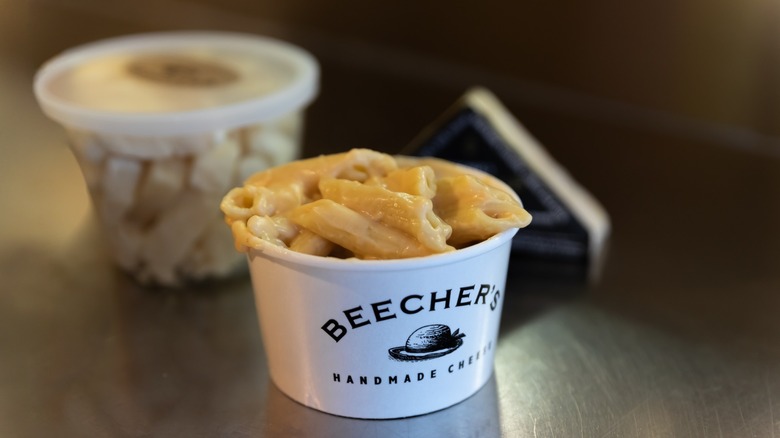
Beecher's is one brand that deals in magic. Created at Pike Place Market, the local brand mac and cheese presents penne pasta coated in a rich mornay sauce made from its Flagship and Just Jack cheeses, garlic, and an infusion of chili powder for heat. The brand became so popular that it can now be found in freezer aisles at select retailers and even on the list of "Oprah's Favorite Things Through The Years."
West Virginia: Buckwheat Cakes
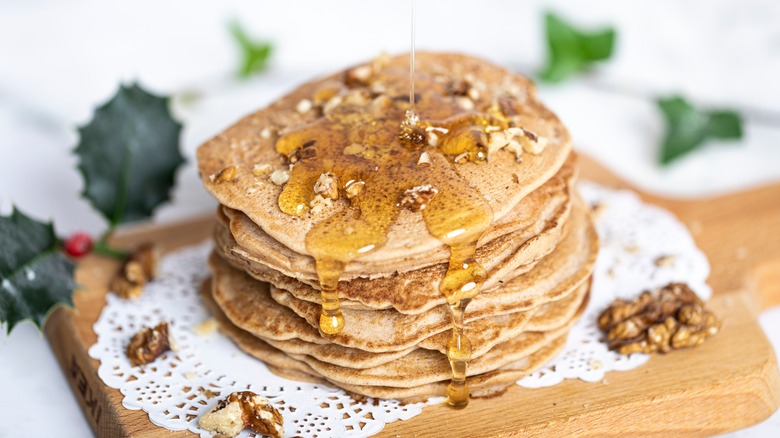
Buckwheat cakes are a direct reflection of the Appalachian region's resilience in trying times. When wheat crops in West Virginia failed, local farmers turned to buckwheat, a fast-growing, hardy, and versatile grain, as an alternative in recipes. The result was thin, more earthy stacks made from milled buckwheat flour, often served with maple syrup, fruit butters, honey, or sausage gravy. They are so beloved in the community, they inspired an annual festival, which began in 1938.
Wisconsin: Butter Burger
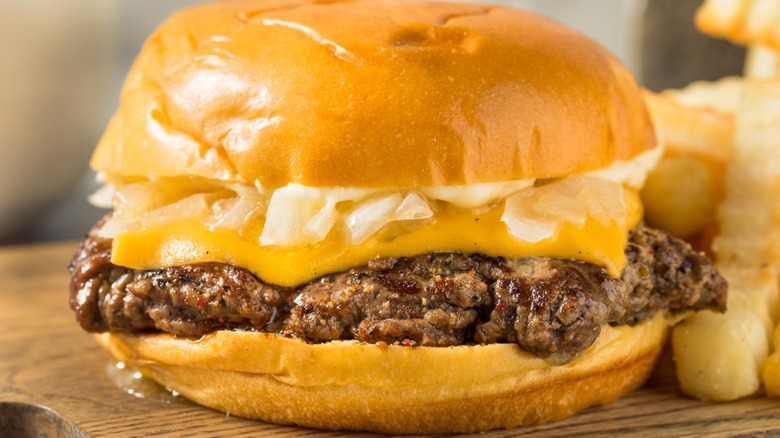
The Wisconsin butter burger is undeniably indulgent, and not one Cheesehead is apologizing for it. Sometimes the bun is toasted and covered in butter, or the patty itself melts around a hidden butter core. Popularized by Culver's, the burger embraces excess with an enthusiastic Midwestern vote of confidence. Don't let the giant pool of butter on your plate scare you off. The butter burger is pure Wisconsin at its core.
Wyoming: Bison Steak
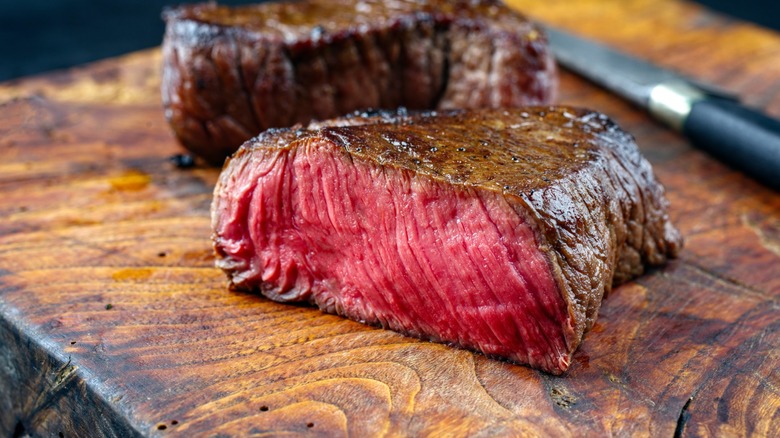
Bison steak and burgers are a delicious reflection of Wyoming's rich, rolling landscape and proud, storied history. Leaner than beef, bison appears on menus across the state in both steak and burger form. A reverent nod to Wyoming's regional heritage, ranching culture, and the wide open range, bison is often served with classic toppings or minimal seasoning, allowing the inherent flavor of the meat to shine.
Methodology
This list is a compilation of online buzz and "best of" chatter that we followed near and far. We kept our eagle eyes trained on the food discussion forums where people were actually talking about the plates they return to again and again. We also took into account coverage from local news outlets and national publications when they highlighted dishes regionally fawned over, defended, debated, and shared with pride. This isn't a list of what should represent each of the 50 stars on the flag, but what people already love and crave, state-by-state.