

11 Vegetables That Are More Nutritious When Cooked
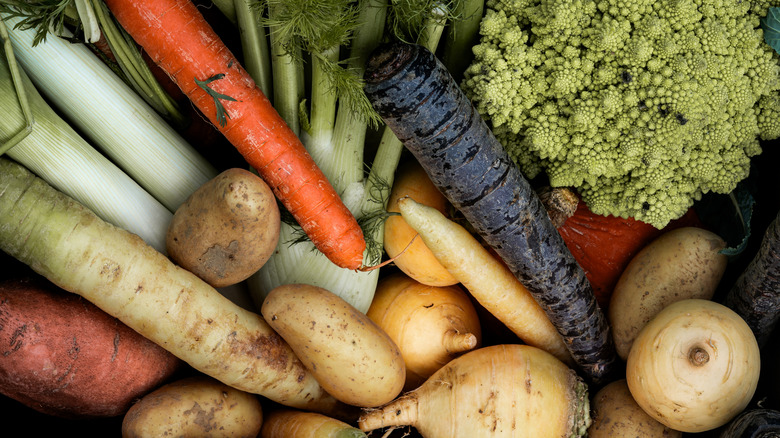
If you stay even slightly attuned to the various health and diet fads that circulate on social media, you've probably seen influencers touting the benefits of a raw food diet more than once. The raw food diet rules may differ from person to person, but in general, the diet requires that you eat foods that are kept as raw as possible — in some cases dictating that you don't eat anything that's been heated to more than 104 degrees Fahrenheit. The benefits? Some say you'll get more nutrients, enjoy better digestive health, and maybe lose some weight.
Unfortunately, though, it turns out that not all food is best eaten raw. Sure, you know that eating a raw chicken breast will come with risks, for example — but raw vegetables aren't always ideal either. Turns out, some vegetables are more nutritious and provide certain key vitamins and nutrients when they're cooked. Additionally, there are even some vegetables that could be dangerous when eaten raw. Here's what you need to know.
Tomatoes
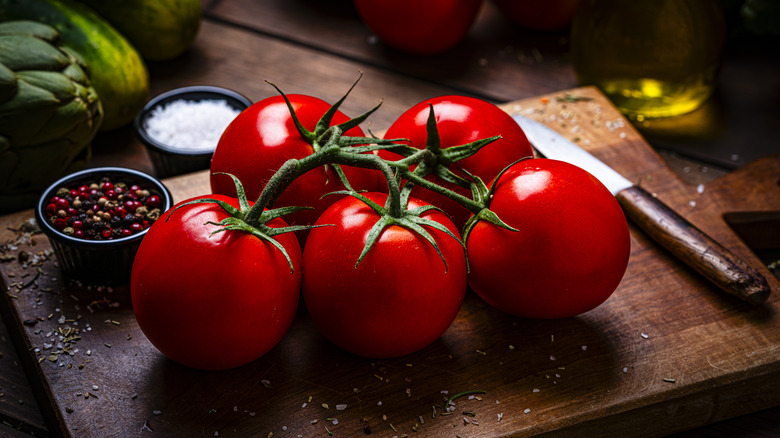
Once upon a time, tomatoes were considered poisonous due to widely spread misinformation and assumptions. We obviously know that's not the case today, and as such, you'll find tomatoes used in all sorts of cuisine, both raw and cooked. However, while eating tomatoes in general provides a boost of antioxidants and vitamins – with potential benefits including greater immunity, improved heart health, and increased bone density — eating them cooked can unlock even greater benefits.
Studies have found that cooking tomatoes increases the tomatoes' lycopene content, which is the antioxidant that turns tomatoes red. In a 2002 Cornell University study entitled "Cooking Tomatoes Boosts Disease-Fighting Power," researchers cooked tomatoes at just over 190 degrees Fahrenheit for three different time frames. After the tomatoes were cooked at that temperature for just half an hour, antioxidant levels rose by more than 60%. This came with a tradeoff, however: The vitamin C content in the tomatoes decreased by just under 30% after 30 minutes of cooking. However, you may still consider the boost in lycopene worth it. The researchers noted that lycopene is almost 10 times more efficient than vitamin E when it comes to targeting oxygenated free radicals (which create oxidative stress that can lead to chronic illnesses such as cancer, Alzheimer's, heart disease, and more).
Carrots
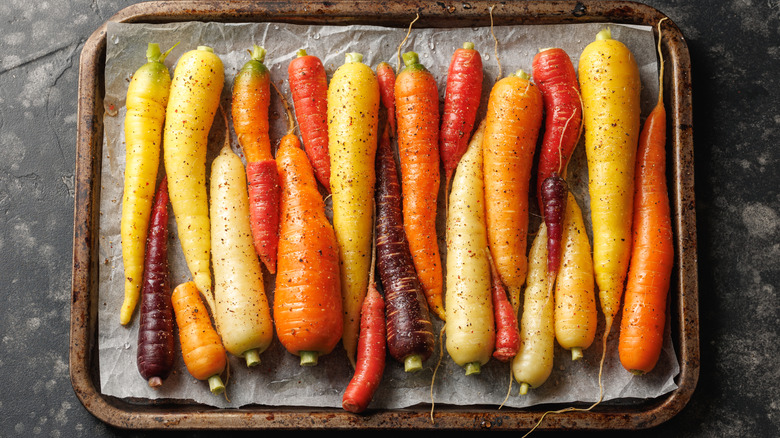
Similar to tomatoes, carrots have an interesting history of rumors regarding the vegetable's health properties. For example, you've probably heard that carrots can help improve your eyesight. While carrots do contain vitamin A – which supports healthy vision and can cause night blindness when deficient — carrots won't actually improve your existing eyesight. That was an effective piece of propaganda circulated by the British during World War II, claiming that their air force was so successful at shooting down German planes after dark because the troops ate carrots (in reality, the Brits had access to secret radar technology).
Also like tomatoes, carrots contain a high level of antioxidants, particularly carotenoids (which include both beta-carotene and the aforementioned lycopene). A 2009 study from the Institute of Food Technologists entitled "Influence of Cooking Methods on Antioxidant Activity of Vegetables" found that antioxidant levels in carrots increased after six different cooking methods, including frying, griddling, boiling, pressure-cooking, baking, and microwaving. If that's not enough reason to cook your carrots before eating them, it's also the case that eating raw carrots without any fat source means your body won't absorb the carotenoids at all. As such, if you want the full benefits from every carrot you eat, then you should not only eat them cooked, but with a type of fat as well.
Mushrooms
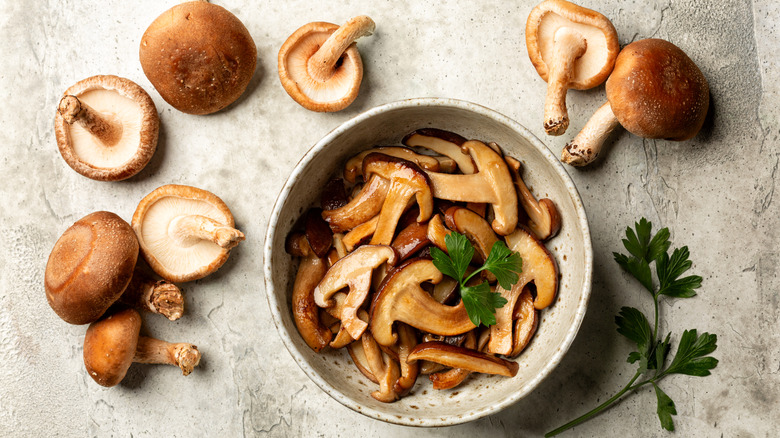
Yes, mushrooms are technically considered a vegetable, even though they're not a plant at all. Fungus is its own thing outside of the plant and animal world. Mushrooms boast various health benefits, such as B vitamins, vitamin D, phosphorus, and more. Additionally, mushrooms have been linked to brain health and gut health. However, while cooking mushrooms might not directly boost the amount of nutrients you're consuming, eating them raw could come with nutrition risks.
For one, mushrooms contain chitin. While some actively seek to eat chitin (which can be found not just in mushrooms, but also in edible insects and crustaceans) thanks to its insoluble fiber content, chitin may cause digestive issues. Additionally, white button mushrooms and other varieties contain agaritine, which has been linked to carcinogenic effects. Likewise, raw mushrooms may be a source of Salmonella and E. coli. Luckily, cooking mushrooms breaks down chitin, reduces the amount of agaritine significantly, and kills Salmonella and E. coli.
Asparagus
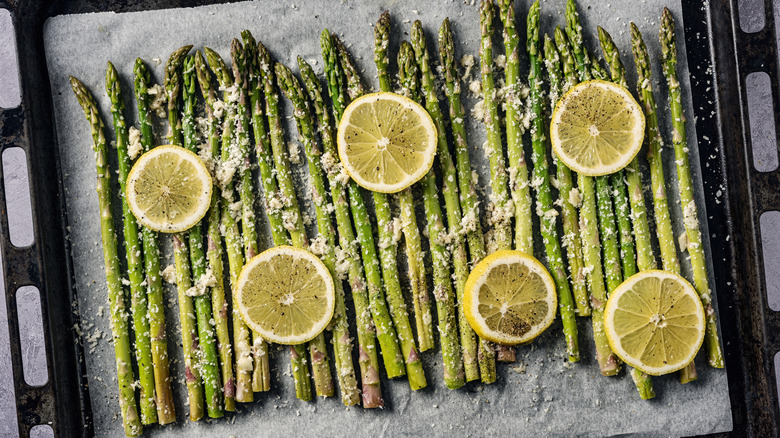
Asparagus boasts a ton of health benefits. The tasty, low-calorie vegetable contains more than half the vitamin K you need for the day, and more than a third of the recommended amount of folate. It's also high in antioxidants, and different varieties of asparagus may contain different types. For example, purple asparagus contains anthocyanin. Anthocyanin gives certain foods their purple, red, or blue hues (so you can also find anthocyanins in plums, blueberries, and black grapes, among others), and have been linked to reduced inflammation, reduced cancer risk, and reduced diabetes risk.
While you can eat asparagus raw and enjoy all of these health benefits, cooking it comes with some extra perks. For one, some may find that eating asparagus raw results in uncomfortable digestive issues. Asparagus contains a lot of fiber, and it might be a shock to the system if you're not already eating much fiber. Then, studies have found that cooking can increase the amount of nutrients and antioxidants your body absorbs from the asparagus, particularly vitamins A and E. However, you'll just want to be careful. If you cook the asparagus too long, antioxidants can leach out — but overcooking asparagus is a mistake you'll want to avoid anyway, so you can get the best-tasting asparagus with the best texture.
Spinach
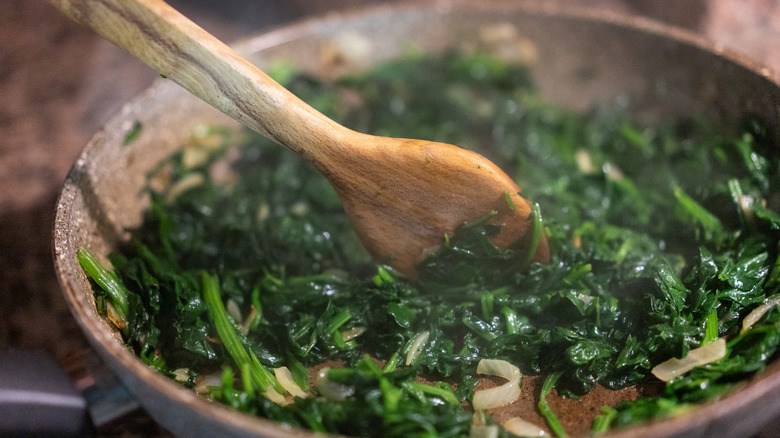
We might think of spinach as one of the healthiest foods (a certain muscular sailor may be partially to blame), and it's true that eating raw spinach provides nutrients, including vitamins, potassium, and folate. However, among these lurks a substance that you might want to keep an eye out for: oxalic acid. When you eat foods that contain oxalic acid, the acid binds with other nutrients you're consuming, making it impossible for your body to absorb them. In fact, you could experience serious nutrient deficiencies if you intake enough oxalic acid.
However, when you cook foods that contain oxalic acid, the compound breaks down. Thus, it no longer interferes with the other nutrients in your meal. As such, cooking spinach allows your body to take advantage of more vitamins and minerals than it could otherwise. You'll even absorb more protein and antioxidants.
There's one other reason you might prefer your spinach cooked. Spinach is no stranger to the foodborne illness-related produce recalls that have affected millions, and sometimes those recalls are deadly. In 2006, for example, spinach contaminated with E. coli hospitalized more than a hundred consumers and killed three. Thankfully, cooking kills E. coli. However, if a food has been formally recalled due to E. coli contamination, you still shouldn't keep it around to cook. Play it safe and toss it.
Green beans
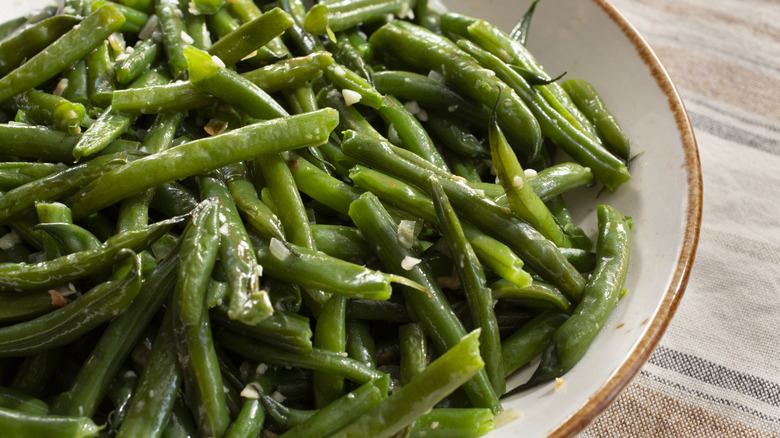
In addition to proving that eating cooked carrots was the way to go, the Institute of Food Technologists' study "Influence of Cooking Methods on Antioxidant Activity of Vegetables" also looked at green beans. It found that, similarly, the amount of antioxidants in green beans increases during cooking ... with one caveat. While green beans offer more antioxidants after microwaving, pressure-cooking, baking, griddling, or frying, the antioxidants don't hold up to boiling. So consider another cooking method rather than boiling your beans.
Beyond the extra antioxidants, there's another good reason to cook your green beans rather than eating them raw. Green beans contain lectin, a protein that not only can cause digestive issues in some individuals, but can also make it more difficult for your body to absorb minerals like calcium and iron. Lectins have also been linked to arthritis and type 1 diabetes. Cooking, however, renders most lectins inactive.
Celery
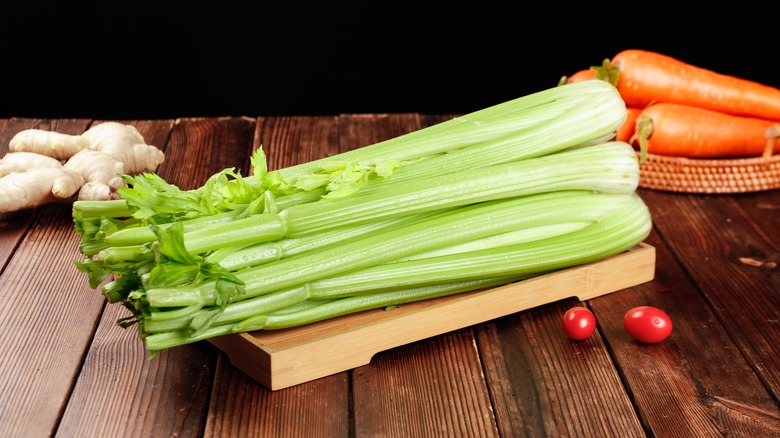
Admittedly, you've probably eaten more raw celery than cooked celery over the course of your life. From eating "ants on a log" as a kid to mixing the veggie into tuna or chicken salad, raw celery provides a nice, fresh crunch — especially compared to the texture-less cooked celery that you might find in, say, various cans of chicken noodle soup. However, if you learn to cook your celery in a more palate-pleasing way, you can enjoy some greater health benefits.
The aforementioned "Influence of Cooking Methods on Antioxidant Activity of Vegetables" study found that celery was one of the handful of vegetables that increases its antioxidant capacity through the cooking process ... except when boiled. And though celery may seem pretty simple, the antioxidants it contains are not to be overlooked. In a 2017 scholarly article, "A Review of the Antioxidant Activity of Celery," researchers linked celery to cardiovascular health, liver health, urinary health, fertility, and more.
So if you're not used to cooking your celery, how can you get the most of these antioxidants possible? Consider adding it to a stir-fry, throwing it in a casserole or gratin, or sauteing it with onion or garlic. Just don't boil your celery, and your body will absorb those increased antioxidants.
Kale
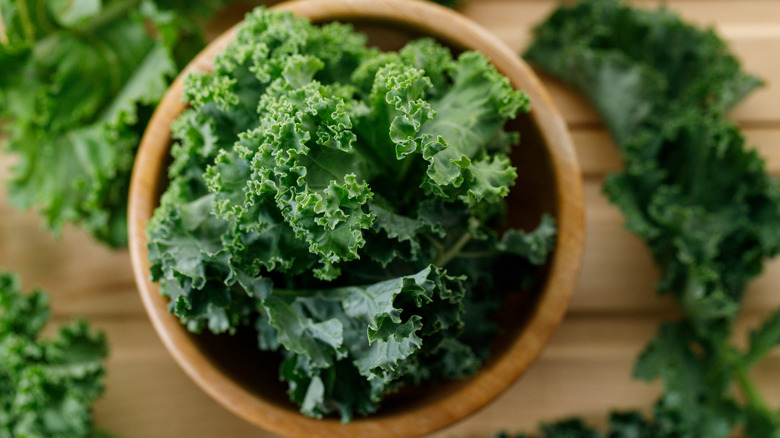
Kale was the health food on everyone's mind for a while, but even though the fad has waned a bit, don't overlook this superfood if you're trying to eat healthier. Kale contains ample vitamins, antioxidants, and fiber. Unfortunately, raw kale can be tough and fibrous, and difficult for your stomach to digest. If your body can't break down the raw kale correctly, then it won't absorb all those valuable nutrients.
Cooking kale can help fix this issue, while also making it easier to digest. Additionally, cooking lowers the amount of kale's oxalic acid, which, like the acid in spinach, can prevent your body from reaping the greens' full health benefits. Oxalic acid can also increase your likelihood of developing kidney stones.
It's worth noting that while you may absorb more nutrients from cooked kale than raw kale, the overall amount of some nutrients in the kale may decrease over the cooking process. As such, you'll want to pick a fast and gentle cooking process, like steaming. If you choose to boil your kale, consider consuming the water you boiled that kale in as well (such as by making a white bean kale soup), so that you still get any nutrients that leached out into the water during cooking.
Brussels sprouts
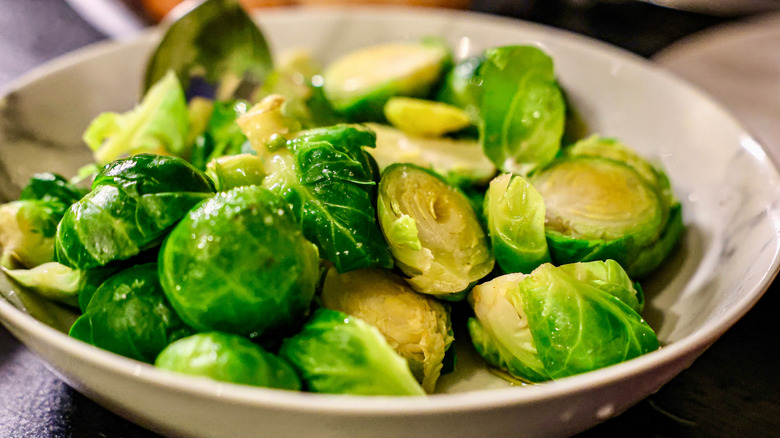
There are numerous nutrition and health-related reasons why you might choose to cook your Brussels sprouts versus eating them raw, such as in a salad or slaw. For one, Brussels sprouts contain glucosinolates, a compound that may reduce your body's ability to absorb iodine. This might be a concern for those with a thyroid condition, as iodine is crucial to thyroid function. Raw Brussels sprouts may also cause digestive upset, due to the vegetable's indigestible fiber content. On the other hand, cooking Brussels sprouts converts the glucosinolates into isothiocyanates, which have been linked to cancer prevention. Additionally, cooking Brussels sprouts may increase their overall antioxidant levels.
However, as anyone who's ever cooked Brussels sprouts knows, you can end up with a nasty, mushy mess if you're not careful. To avoid this result, consider skipping the boiling or steaming, and instead roast or air-fry your sprouts. Halve the sprouts before popping them into the oven or the air fryer, and pair the Brussels sprouts with complementary flavors and toppings – such as hot honey or maple syrup, balsamic vinegar, or sriracha.
Potatoes
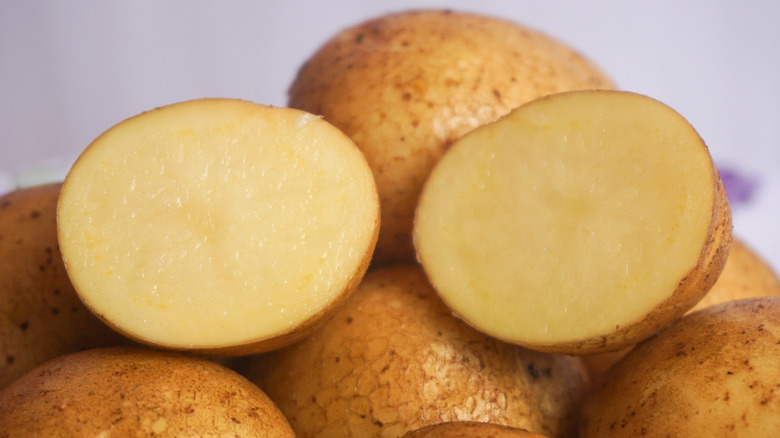
You probably haven't even thought of eating a raw potato, as it's not exactly the go-to way to eat a spud — especially when you have delicious options such as mashed, fried, and roasted. However, if you ever do find yourself curious about eating this tuber raw, stop right there. While cooked potatoes are a tasty part of a well-rounded diet, raw potatoes can prove hazardous to your health.
To start, raw potatoes contain a lot of resistant starch. This can cause digestive issues, especially if you're eating raw potatoes in large portions. Raw potatoes also contain the previously mentioned lectins, which make it difficult for your body to absorb certain nutrients and can cause gastrointestinal upset. Then there's solanine, a toxic compound that can build up in your potatoes if they've been stored incorrectly. It's more likely you'll experience acute solanine poisoning if you eat either raw or green potatoes. Note that cooking will not reduce solanine in a raw potato if it's already built up, but cooking will negate issues related to resistant starch and lectins.
Beans
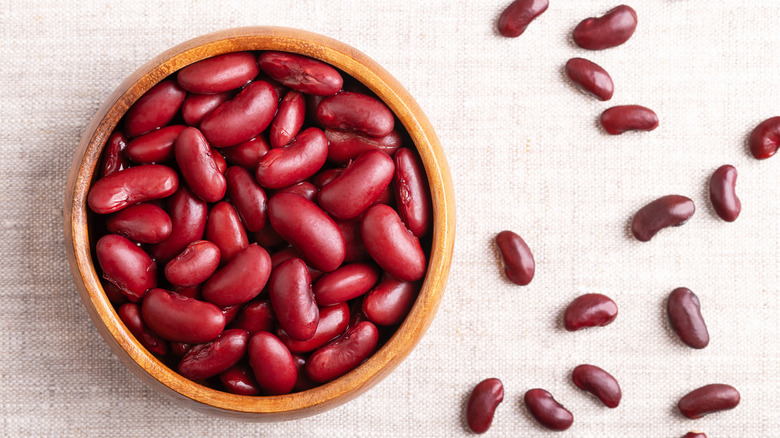
We're not talking about canned beans, which can be consumed directly from the can without heating them up at all. We're discussing raw, dried beans – the kind that come in a bag, and typically need to be soaked before cooking. While you might not necessarily get more overall health benefits from cooking beans, doing so will help you avoid some nasty health-related issues.
Beans contain lectin, like so many other foods on this list. However, though you might be able to skirt around lectin-related side effects in some of these veggies, it's unlikely you'll be able to do so with beans. Eating just four raw, dried beans will throw enough lectins into your system to cause major gastrointestinal distress. As such, it's extremely important to not just cook your beans, but to cook them thoroughly until the lectins are destroyed. Certain cooking methods — like slow cooking — won't always do the job. Your safest option is to soak the beans for about five hours, as this removes some lectins as well, and then put the rinsed beans in new, fresh water for cooking. Boiling the beans for at least half an hour should ensure they're safe.
Artichokes
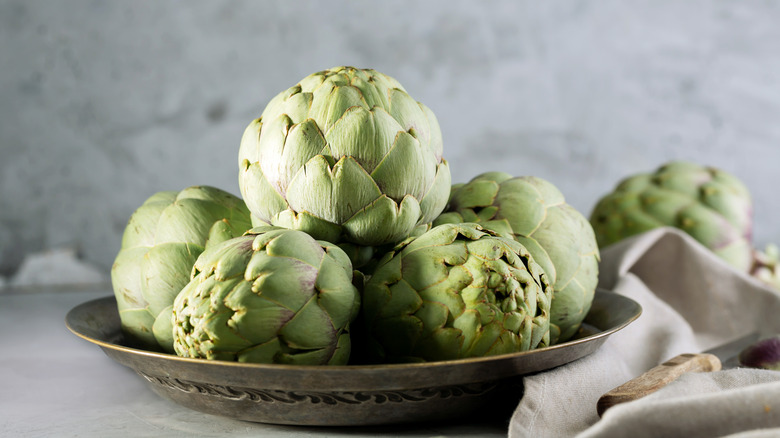
Cooking an artichoke can tremendously increase its antioxidant capacity. According to a 2008 study published in the Journal of Agricultural and Food Chemistry, boiling an artichoke can increase antioxidant capacity up to eightfold. If you steam an artichoke, the antioxidant capacity increases by up to 15 times. This is even more impressive when you take into account that artichokes contain more antioxidants overall than any other vegetable. Artichokes have been linked to reduced risk of cancer, diabetes, heart attack, and stroke.
Despite this, artichokes don't get nearly as much love as other vegetables, such as potatoes or tomatoes. Maybe it's because cleaning and prepping a whole, fresh artichoke can be somewhat intimidating. Luckily, cleaning and cooking an artichoke is surprisingly simple.
To completely extract the artichoke heart, all you need to do is remove the outer leaves to reveal the yellow center and stem. Then cut away the leaves surrounding the heart, and remove any remaining green parts around the heart. Finally, scoop out the fibrous choke in the center of the heart with an ice cream scoop or similar tool. If you're trimming multiple artichokes, let the cleaned artichoke heart soak while you work on the others.