

The 16 Biggest Mistakes To Avoid When Cooking Broccoli
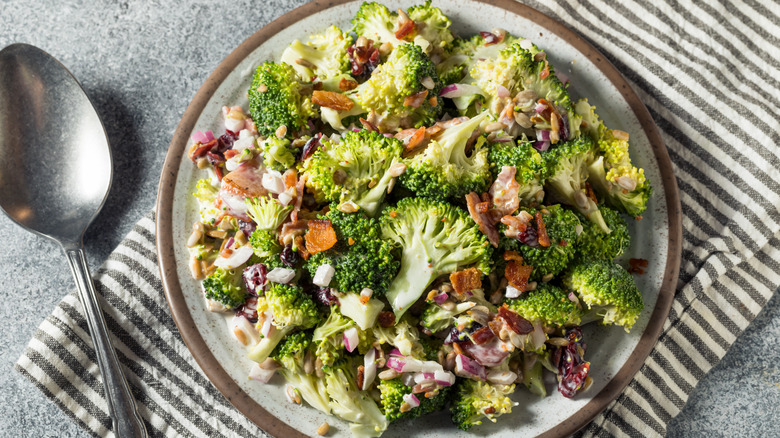
When most people, both children and adults alike, make a list of their favorite vegetables, poor broccoli often doesn't make the cut. But this isn't always the green cruciferous veggie's fault. Much of the blame can be attributed to faulty cooking techniques. When this vegetable, which is a member of the cabbage family and features a tree-like structure, is properly prepared and seasoned, it can compete with even the most popular produce (tomatoes, we're looking at you). Using the right cooking methods, such as roasting, steaming, and even grilling, will bring out the natural sweetness in broccoli and reduce the bitterness that often gives it a bad reputation.
When seasoning cooked broccoli, it's essential to incorporate a range of aromatics, acids, fats, and even umami elements. You don't want to cover up the vegetable's unique flavor, but enhance it instead. Perfectly prepared broccoli is tasty on its own as a light snack or as a side dish to a full meal. It also works well in a fresh garden salad, as it provides important vitamins and minerals such as vitamin C, potassium, calcium, magnesium, and iron. If you take the time to correctly cook broccoli and avoid these key mistakes, it may just become a vegetable you and your family crave, rather than just tolerate.
Not buying the freshest broccoli
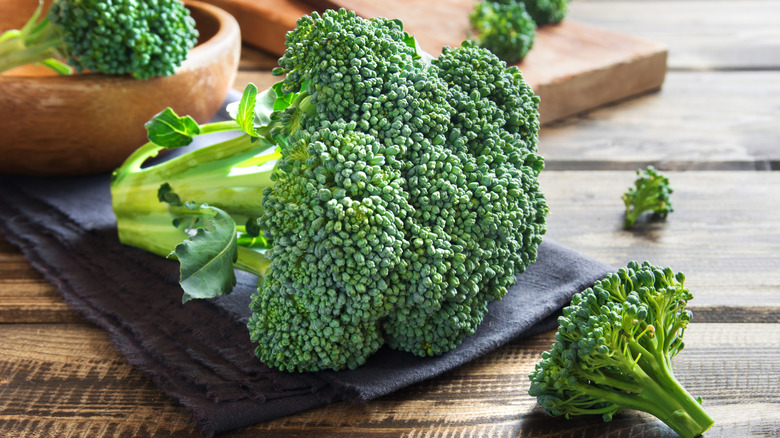
The first step in cooking delicious broccoli is buying the freshest broccoli available. While you can conveniently buy a bag of frozen broccoli florets, fresh broccoli has a different taste and texture, which many prefer. Fresh broccoli is available at most grocery stores all year long, but you can't beat the local, just-picked vegetables found at a farmers' market. If you live in a milder climate that doesn't have hard winters, the colder months are the best time to buy fresh broccoli. Broccoli harvested after a chilly period is often sweeter, as the vegetable's sugar content rises naturally to repel frost.
You can buy broccoli in the warmer spring and summer months, but it may not be as sweet. For those living in a region with super-hot summers, you most likely won't find broccoli at your farmers market, but imported versions will typically be available at your local grocers. When choosing the best florets, bigger isn't always better. Look for buds that are vibrant green and tight. Bypass any broccoli that has a yellowish tinge, which is an indication that the vegetable is past its prime.
Discarding the broccoli stems
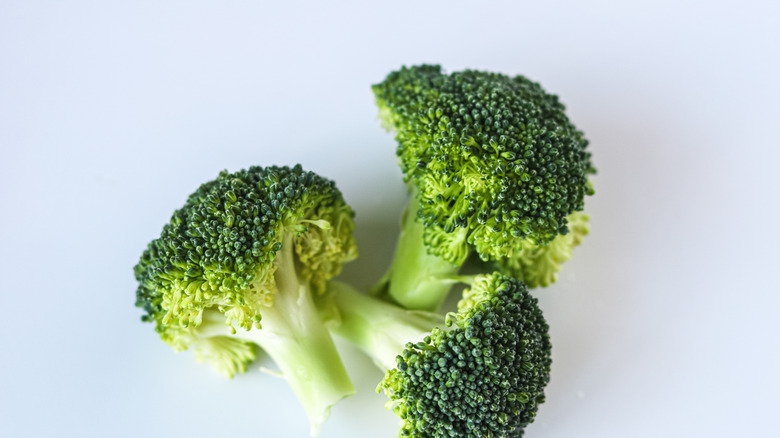
Many people cut the broccoli florets off the stalk and throw the stems away, but that's a mistake. Not only are broccoli stems nutritious, but they're also delicious when properly prepared. While they may be too thick and tough to eat raw, they become tender and tasty after they're cut and cooked. The heat brings out their mild, sweet flavor, which is similar to kohlrabi. When you toss broccoli stems in the trash, it's a mistake for both your wallet and your palate.
One way to use broccoli stems to their full potential is by first chopping off the bottom 1 or 2 inches, as that portion tends to be woody. Next, remove the head and thinly slice the stem into coin-shaped pieces using a sharp knife. As another option, julienne the stems into long, thin strips, which are ideal for stir-fries and curries. If you plan to eat the stems raw, use a peeler to remove the tough outer layer. Feel free to skip this step if you're cooking the stems, as the heat will soften the skin.
Cutting up broccoli the wrong way
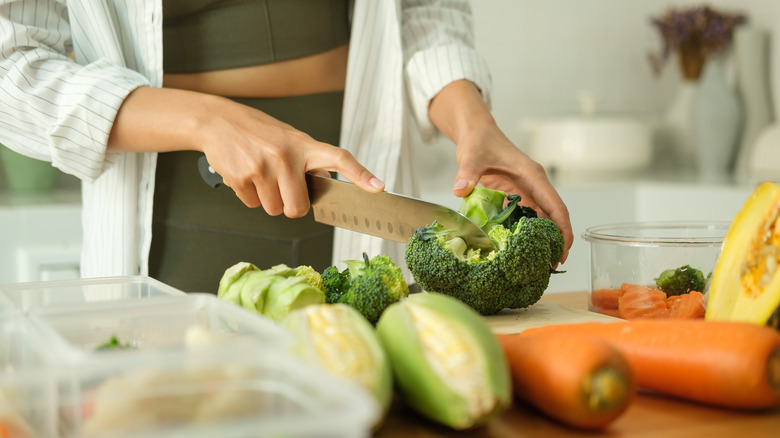
After you've selected the freshest broccoli you can find and chosen a cooking technique, it's time to cut it up. Before you get your knife out of the drawer and start chopping it up, consider the best ways to get the job done. Not only will properly cutting it save you time in the kitchen, but it will also give you the most veggies for your money. Start by cutting the very end off the stalk, as it tends to be tough. Then, cut the head off the stalk, saving the stem to cook separately from the florets.
Cutting the florets into bite-sized pieces can be a messy job, so be sure to do it on a sturdy cutting board. Consider your cooking method when choosing the size of your pieces. For example, larger pieces are best for roasting and air-frying, and smaller pieces work well in soups, such as a copycat Panera broccoli cheddar soup. After separating all of the broccoli florets, chop the stalk into coin-shaped slices or strips.
Overcooking it to a mushy mess
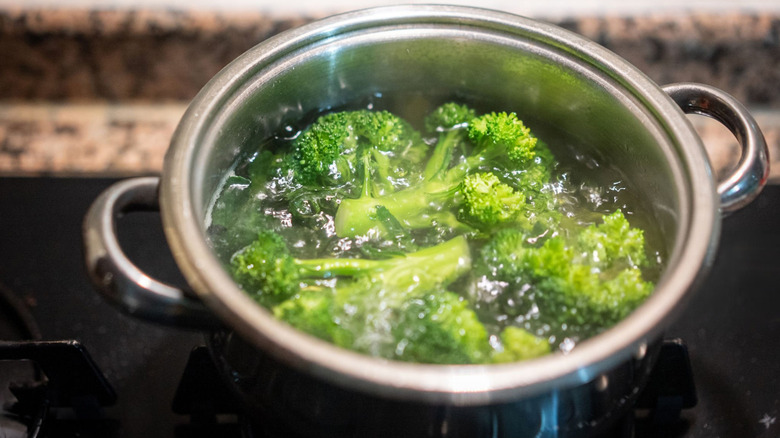
Mushy, overcooked broccoli is what has given the cruciferous vegetable its less-than-desirable reputation. Growing up being served mushy broccoli on lunch trays or dinner plates is often what turns people off the vegetable, even in their adult years. The lingering memory of bland broccoli may keep even the most hardcore veggie lovers from overlooking it.
The key to avoiding a mushy mess is to cook broccoli until it's crisp-tender. This way, it not only tastes better, but it retains more nutrients. No matter what way you choose to prepare your broccoli, it can turn from mouthwatering to mushy in a matter of minutes, so timing is key.
One of the easiest ways to cook broccoli is in a pasta cooker or a pot equipped with a steamer basket. Steam the vegetable for three to five minutes, depending on how crisp you like it. If you go over the five-minute mark, you risk ending up with a mushy mess. When roasting or air-frying the broccoli, keep it in the heat until it begins to turn a toasty brown color around the edges. If you go the grill route, keep the broccoli on the grate for between five and seven minutes. To avoid any possibility of overcooking your broccoli, enjoy it raw with a variety of dips, such as blue cheese or ranch.
Not giving broccoli an ice bath after boiling
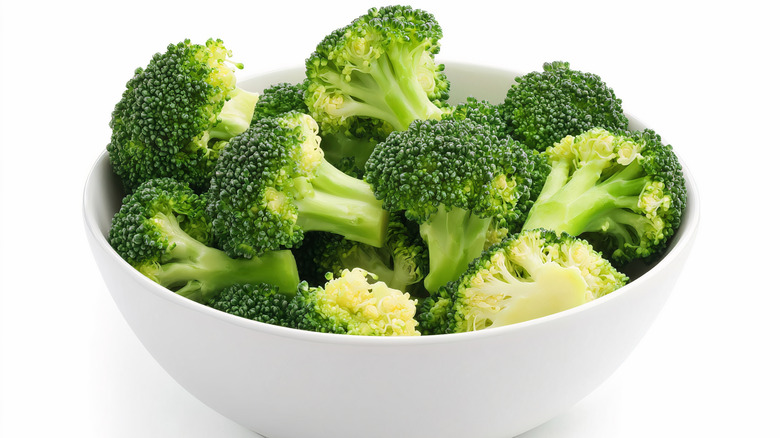
If you're opting to boil your fresh broccoli, it's critical that you don't forget one important step. Immediately after the boiling process, treat the vegetable to an icy bath. This technique is known as blanching, and helps broccoli retain its vibrant color. Blanching the broccoli will also remove any lingering bitter taste, giving it a sweeter, milder flavor. If you forget this step, you may end up with flavorless, mushy broccoli.
After cutting the broccoli florets and stalks, boil them for just one to two minutes to soften them up a bit. Next, plunge them into a bowl filled with ice water for a minute or two to ensure a tender-crisp texture. You can then eat the broccoli as is, or add it to fried rice, curries, or any other dishes you desire. You can also complete the boil and blanch process with broccoli you're serving on a vegetable platter with dip. The vegetable will retain some crunch, without the bitterness or tough texture of raw broccoli.
Forgetting to dry the broccoli before frying or roasting
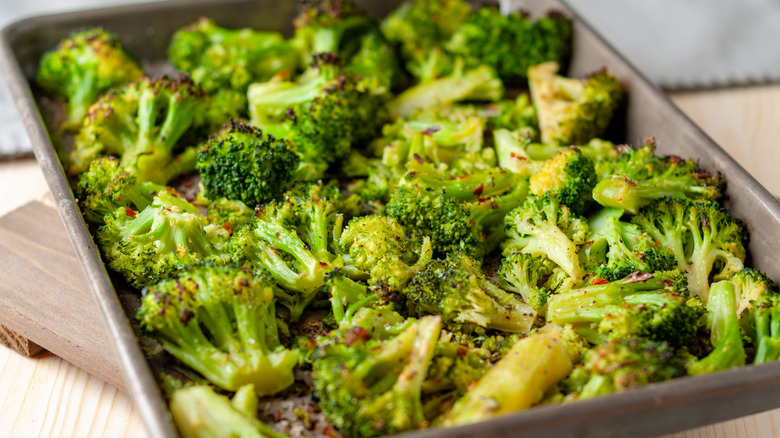
As important as it is to thoroughly wash all fresh vegetables, including broccoli, before you eat them, it's just as critical to dry them before roasting or frying. Damp broccoli can result in an unattractive appearance and limp texture. The point of roasting or frying your broccoli is to create a delectable, golden brown crust that is delightfully light and crispy. If too much moisture is trapped between the florets during the process, the oven or fryer won't be able to work its magic on the cruciferous veggie.
To prevent the mushy monster from attacking your broccoli, place the rinsed vegetable on a paper towel on your countertop to allow the water to disperse. If you don't want to wait that long, you can wrap the broccoli in a clean, absorbent kitchen towel and shake out any excess moisture. Gently pat the florets dry as well. As another option, you can dry the broccoli florets and stems in a salad spinner.
Choosing not to roast broccoli in your oven
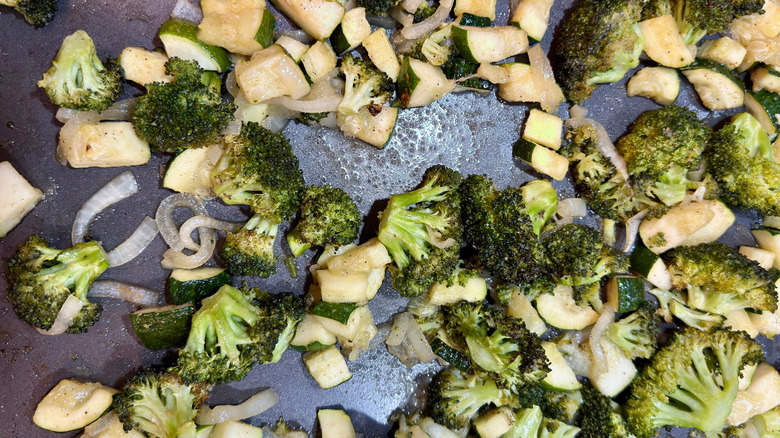
You haven't experienced the best of broccoli until you've roasted it in your oven. Sure, the other cooking methods, such as steaming, frying, and grilling, have their charms, but the roasting process allows the crucifer to shine. When roasted properly, broccoli has crisp, golden edges and a sweet, tender bite. Roasted broccoli has a crunch and flavor that rivals even the tastiest of chips, making it the ideal nutritious snack.
To make crave-worthy roasted broccoli, start by rinsing and drying the florets and stalks. Toss the vegetables with any type of oil, such as olive oil, to keep them from sticking to your pan and achieve a crispy texture. If you're feeling especially daring, use mayonnaise for flavor-packed roasted broccoli. Add your chosen seasonings, such as salt and pepper, before roasting the broccoli at around 400 degrees Fahrenheit on a lined baking sheet for roughly 20 minutes, or until they are golden brown. You can also include other types of vegetables, including cauliflower, Brussels sprouts, and carrots, in the mix. Top with Parmesan cheese, a squeeze of lemon juice, red pepper flakes, or any other flavor enhancer.
Using the wrong seasoning on the broccoli
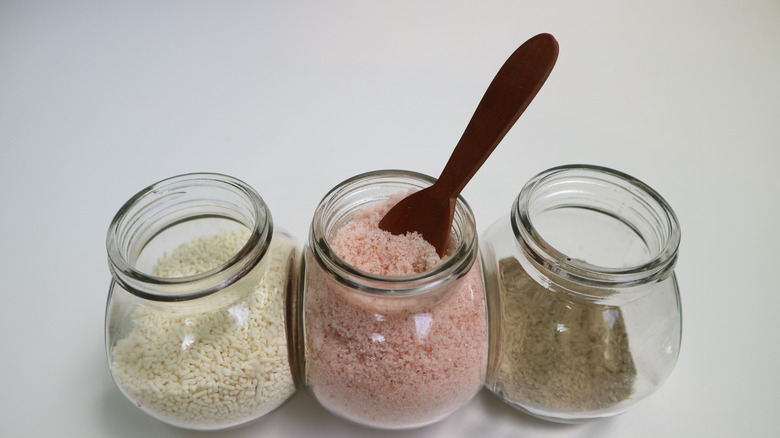
No matter what cooking technique you use to prepare your broccoli, such as roasting, frying, or steaming, it won't taste its best unless you enhance the flavor with the right seasonings. You can never go wrong with a healthy sprinkle of sea salt or cracked black pepper, but the options don't stop there. While fresh broccoli is tasty on its own, certain additions will bring out its natural sweetness and unique flavor, creating a snack or side dish that will make you crave more.
As one idea, toss roasted broccoli with lemon juice, Parmesan cheese, and garlic for a flavor explosion. Roasting and caramelizing the broccoli will result in a nutty flavor that perfectly complements the salty cheese and tangy lemon. If you're looking for a bit of earthiness, try hitting your cooked broccoli with a bit of thyme, which also pairs well with garlic and lemon. You can also never go wrong with a few shakes of a flavorful all-purpose seasoning blend, especially if it's designed specifically for vegetables.
Overlooking it as a breakfast option
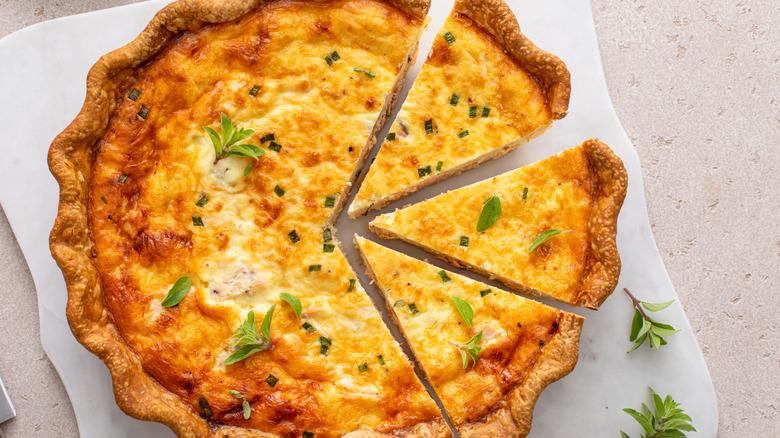
Broccoli may seem like more of a dinner or even lunch option, but it also works very well as part of a well-rounded breakfast. The vegetable provides a fresh, unexpected texture and flavor to a variety of morning dishes, including quiches, omelets, and ooey-gooey cheese bakes. You can use the vegetable on its own, or combine it with other ones, such as tomatoes, onions, spinach, and potatoes, for even more flavor and nutrition.
Before incorporating the broccoli into a breakfast dish, cook it first. For instance, sauté the broccoli along with other veggies in some oil prior to folding them into an omelet. You can also use the healthy crucifer as part of a hearty vegetable and egg scramble. Alternatively, roasted broccoli makes a delicious side dish for the likes of eggs and bacon or sausage, either with or in place of traditional hash browns.
Skipping the air fryer as a cooking method
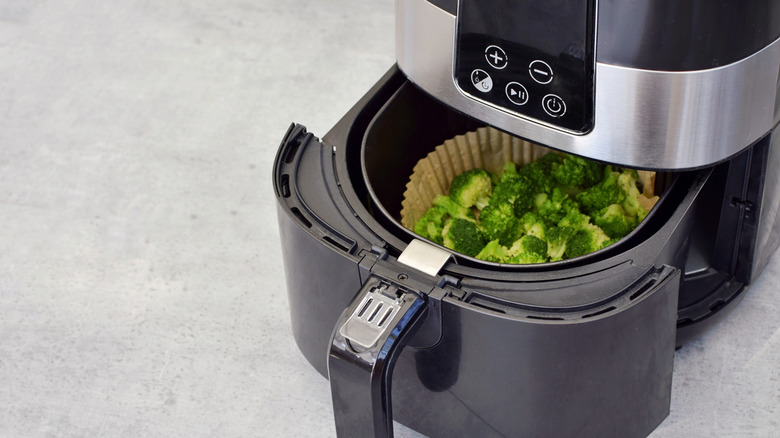
Air-frying broccoli may be the simplest — and most delicious — cooking technique on this list. While you can just pan-fry the florets and stalks in oil if you're craving a classic crispy texture, air-frying is an easier and possibly healthier option. Air-frying the broccoli gives the vegetable a similar crispy texture without the use of heavy fats and oils.
You can toss the vegetable with just a bit of olive oil, avocado oil, or another oil to lightly coat it. Add other ingredients such as fresh lemon juice, Parmesan cheese, salt, and pepper for a flavorful finish. Set the air fryer to 400 degrees Fahrenheit to initially crisp your veggies, and then lower it to 340 degrees Fahrenheit to create broccoli that is crispy on the outside but tender on the inside. Shake the basket a few times throughout the cooking process to evenly distribute the seasonings and ensure the broccoli is uniformly crunchy.
Keeping broccoli out of salads
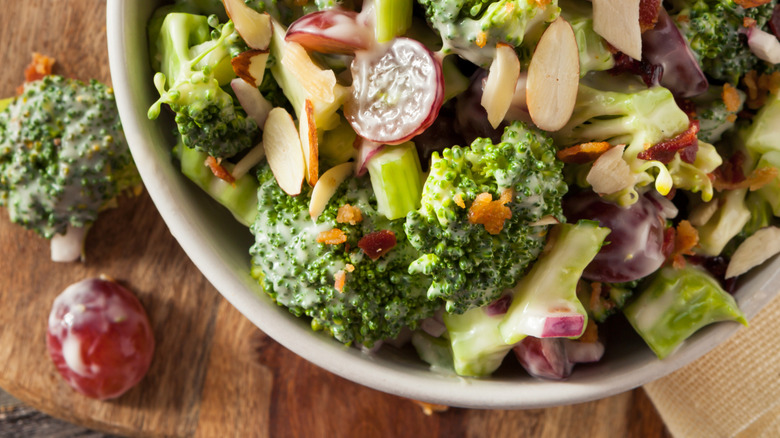
Fresh broccoli is a match made in veggie heaven with fresh garden salads. The cruciferous vegetable can either be the star of the show or act as a supporting character to lettuce, tomatoes, carrots, and other types of produce. If you prefer a crunchy bite, you can add raw broccoli or boil and blanch it for a few minutes to make it slightly more tender.
As one idea, toss broccoli, bacon, and your chosen veggies with a sweet dressing made of mayonnaise, apple cider vinegar, and sugar for a salad worthy of gourmet holiday food spreads. You can also add broccoli to a classic dinner salad featuring onions, tomatoes, lettuce, cucumbers, and a dressing such as ranch, blue cheese, or Thousand Island. There's actually a technique for picking the perfect salad dressing for your greens, with naturally bitter veggies pairing well with more acidic dressings.
Choosing not to put broccoli on pizza
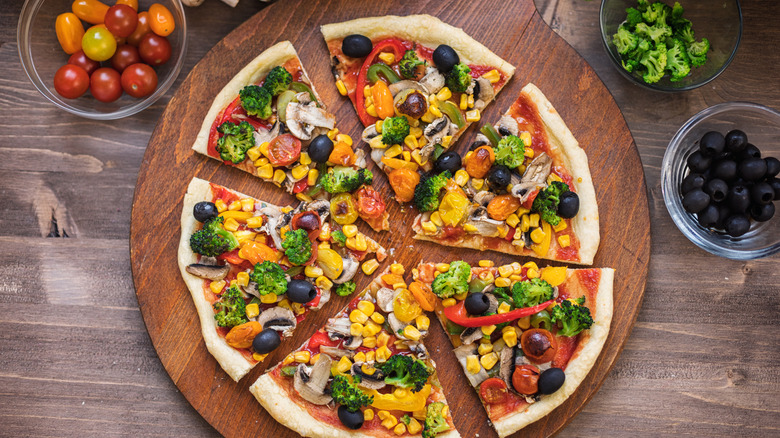
You may flinch at the thought of healthy broccoli on top of a rich, cheesy pizza, but the combination can work deliciously well. Although it's a bit unexpected, fresh broccoli is the ideal pizza topping, especially when it's prepared correctly. For instance, roasted broccoli will add a nutty, caramelized crunch to the pie, while grilled broccoli infuses it with an irresistible smoky flavor.
Broccoli is especially at home atop a white pizza made with cheese and creamy, garlicky Alfredo sauce or ricotta cheese in place of traditional marinara. The mild flavor of the roasted crucifer is the perfect match for the white sauce and other caramelized vegetables, such as onions or squash. Don't forget to season the savory pie with either fresh or dried basil and oregano for extra flavor, and don't be afraid to create the pie from scratch — after all, the best homemade pizzas are the easiest to make.
Totally avoiding frozen broccoli
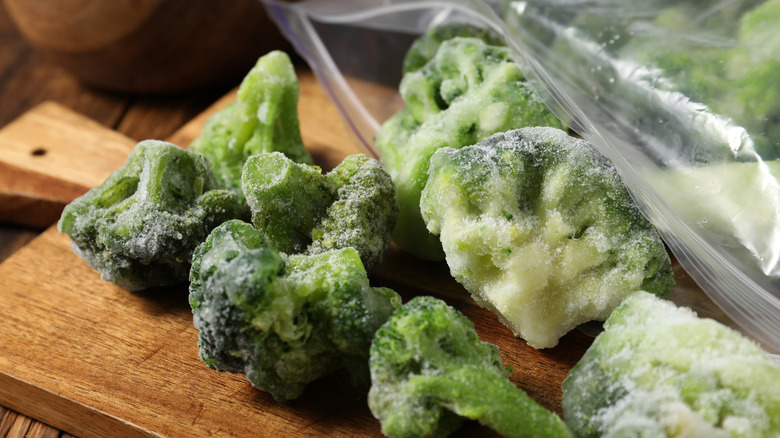
While you can't beat fresh broccoli for the best flavor, its frozen counterpart will also come through in a pinch. The only problem is that if it isn't prepared correctly, frozen broccoli can resemble mushy, mashed peas instead of the sturdy and flavorful vegetable that it is. For the best flavor and texture, choose high-quality broccoli that was frozen at the peak of freshness.
If you choose to roast the frozen vegetable, the good news is that you don't have to defrost it first. You can simply toss the frigid broccoli with the oil and seasonings of your choice, spread it onto a lined baking sheet, and roast it in the oven until it is golden brown and crispy around the edges. As an alternative cooking method, try preparing the frozen broccoli in your air fryer instead of the oven. Whether you're roasting or frying the broccoli, make sure the florets and stems are spread out as much as possible to ensure even browning.
Not storing cooked broccoli properly
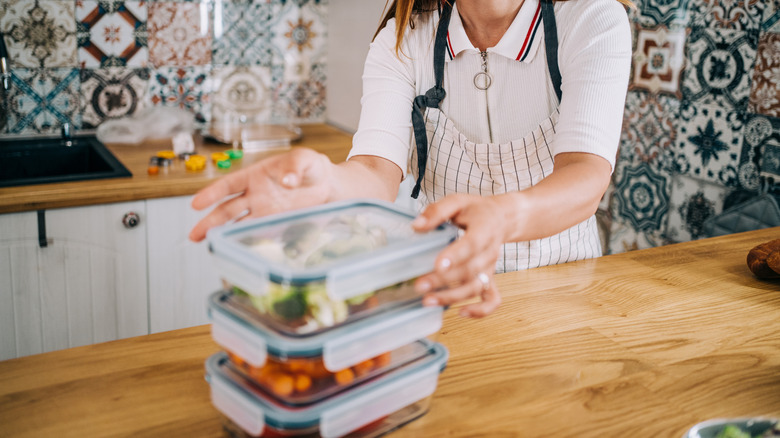
If you made too much broccoli and want to enjoy it the next day or even the next month, it's important to store it properly. Not only does this guarantee that it will taste just as good as the first time around, but it also reduces the risk of foodborne illnesses. As soon as possible, transfer the cooked broccoli to a shallow storage container with an airtight lid. You can also tightly wrap the broccoli in foil if you don't have a container. The cruciferous vegetable will then last for around three to five days in your refrigerator.
Broccoli also freezes well when it's in a proper container or a freezer bag. Blanched broccoli will stay safe and tasty in your freezer for up to a year. Be sure to label your storage containers or bags with the date, and toss the vegetables if you don't use them within the recommended amount of time.
Not realizing you can incorporate broccoli into desserts
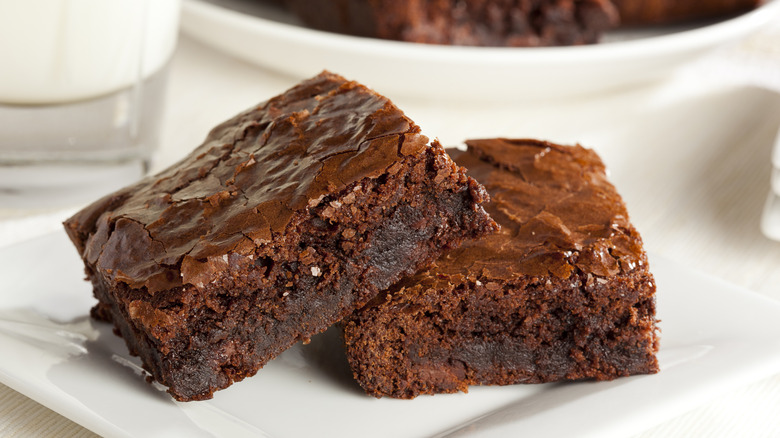
When you think of delicious, decadent desserts, the last ingredient that comes to mind is broccoli. However, you may be pleasantly surprised to learn that this healthy veggie can be incorporated into everything from brownies to lemon cake. Adding broccoli to your desserts is one way to sneak nutrients into sweet treats, while also getting your children to eat their veggies. The natural sweetness of cooked broccoli helps it blend into homemade goodies undetected. If you include broccoli in chocolate-based desserts, its dark green color will also go undercover.
Before incorporating broccoli into a dessert, boil or steam it until soft, then blend it with other wet ingredients. For instance, if you're making a chocolate cake, place the cooked broccoli, milk, and vanilla in a blender or hand mixer, and then blend until it's smooth. You can then stir the mixture in with the dry ingredients to make a nutrient-dense batter that bakes into a delicious dessert.
Thinking that there is only one type of broccoli
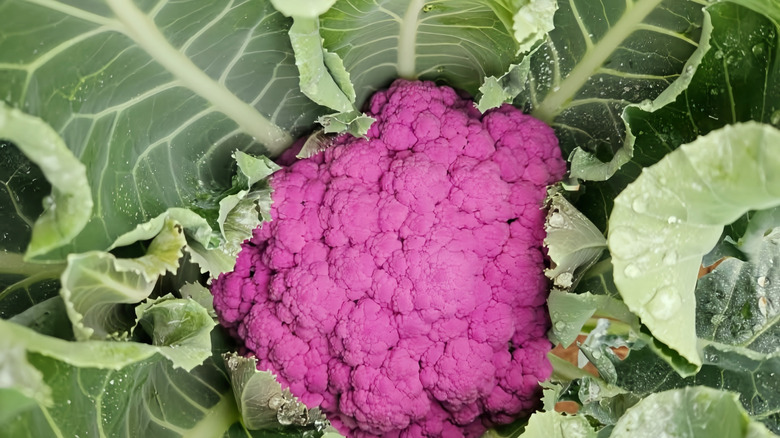
We have some big news — not all broccoli is green. After the shock of that statement has worn off, imagine a head of vibrant purple broccoli, or broccoli with long, tender stems rather than their more common short and stocky ones. All types of broccoli stem from the same family: Brassicaceae. While each has its own unique features and nuanced flavors, all broccoli is known for its antioxidant properties and abundance of vitamins and fiber.
The most striking of all the types is purple sprouting broccoli. Not only does it look prettier than other types of broccoli, but it has a sweeter flavor. Broccolini is one of the newer varieties of broccoli, as it was introduced to the culinary scene in the 1990s. It's a hybrid of broccoli and Chinese broccoli, and has elongated stems and bright green florets. Other popular types of broccoli include broccoli rabe and gai lan, also known as Chinese broccoli.