

Every Restaurant Anthony Bourdain Worked At In His Career – And Some You Can Still Visit
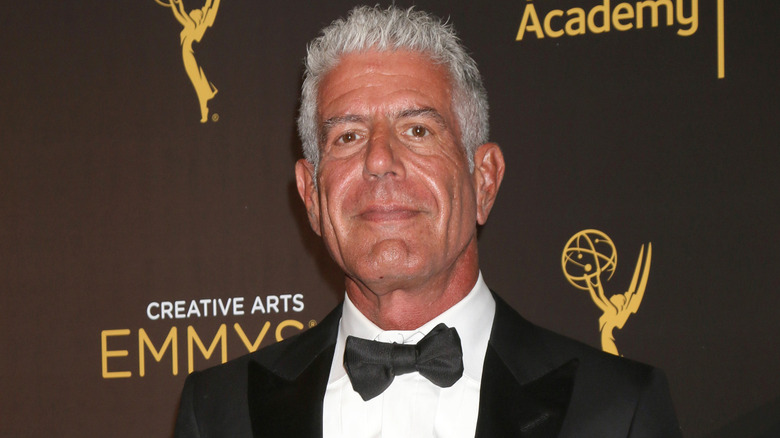
Anthony Bourdain's impression on the world is deep, vast, and unparalleled. His tragic passing was profoundly mourned and shrouded in shock. His nonchalant style of creative talent was undeniable, as was his edgy signature brand of provocative and sometimes dark storytelling. Classically trained at The Culinary Institute of America (CIA), he built an impressive resume featuring world class restaurants. His star shone brightest while indulging at hole-in-the-wall eateries in other countries, engaging with locals, and taking the world with him through every bite and sip. Bourdain's shows "Parts Unknown" and "No Reservations" were filmed with the same effortlessly cool lens through which Bourdain was seen.
Working his way through and up numerous kitchens, he unapologetically carved out his own niche in the entertainment industry. A published author many times, it was "Kitchen Confidential: Adventures in the Culinary Underbelly" that sealed his spot as a visionary. Published following his wildly popular essay for The New Yorker, it provided an unbridled peek into the kitchens that shaped him.
His chef chops are big with the James Beard awards, among countless accolades. His success in writing, producing, and filming was downright meritorious. The common thread is the hard work and passion he poured into everything. Bourdain's authenticity and temerity are what got people hooked. Most of the restaurants he worked in are closed, with just a few that you can visit today. Check out this roadmap of the restaurants that molded his culinary career and his life.
Flagship
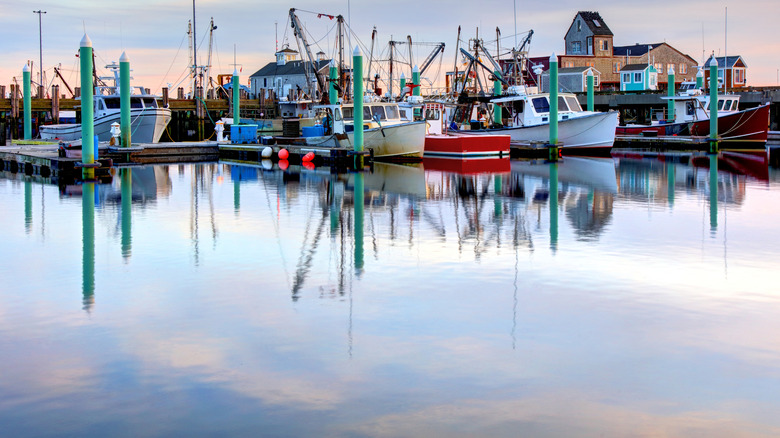
Anthony Bourdain's restaurant origin story began at Flagship in Provincetown, Massachusetts (that's P-town to regulars). The local haunt known for seafood, like fried clams and flounder, and here Bourdain was employed as a dishwasher. He credits his time at Flagship with being rich with crucial lessons that shaped his hard work ethic. It set the stage for his view on working in a kitchen, as he learned to juggle the inherent mayhem and rigid rules of being on the line, working hard, and earning respect.
Provincetown is like the mothership to hardcore Bourdainphiles. It's where he launched his restaurant career and also his addiction to the many vices that fed his demons. His kitchen career began earnestly, scouring dishes in the back of the house. Over time, he rightfully climbed his way to the top of his own culinary ladder, leaving different parts of his legacy on every rung.
One of the most shared stories about Bourdain's time at Flagship involved him watching a new bride sneak out to get up close and personal with a chef. The salaciousness of that moment fueled his hunger for a future as a chef and the lifestyle that came with it. Flagship restaurant was included in his behind-the-scenes expose, "Kitchen Confidential," and was referred to as The Dreadnaught. The restaurant is no longer around, but Bourdain's love of Provincetown was very much mutual.
Lobster Pot
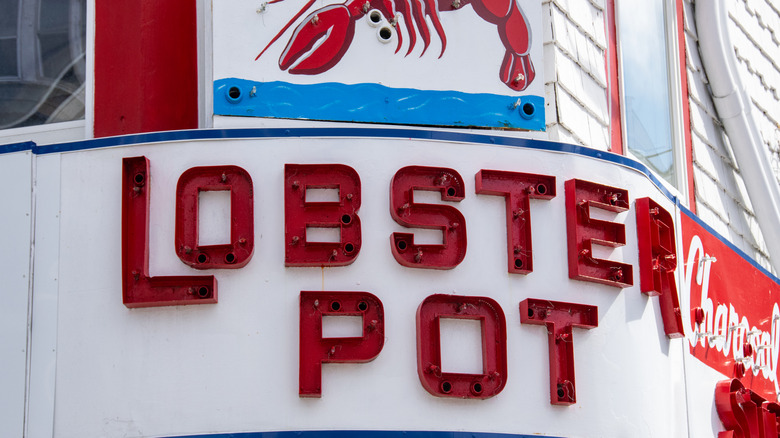
The next P-town spot Bourdain worked at was The Lobster Pot. "Tony," as coworkers and friends called him, washed dishes here, but that's not what they remember most about his time there. Bourdain operated with a robust curiosity about everything that went into plating a meal. He wanted to know the whole story, not just how to cook the dish. He felt a deep interest in everything it took before the food made its way into the kitchen. He also sought to create an evocative connection between food and the people associated with it. Bourdain went on to create an entire career based on exploring, understanding, and translating that connection.
This little seafood restaurant with a bright red neon sign, located at the tip of Cape Cod, is packed with history and diners to this day. Frequently ranked as one of the best lobster rolls on the Cape, the toughest decision you'll have to make is whether you want it served hot or cold. The Portuguese soup, another Bourdain favorite, also has a huge following.
Ciro & Sal's
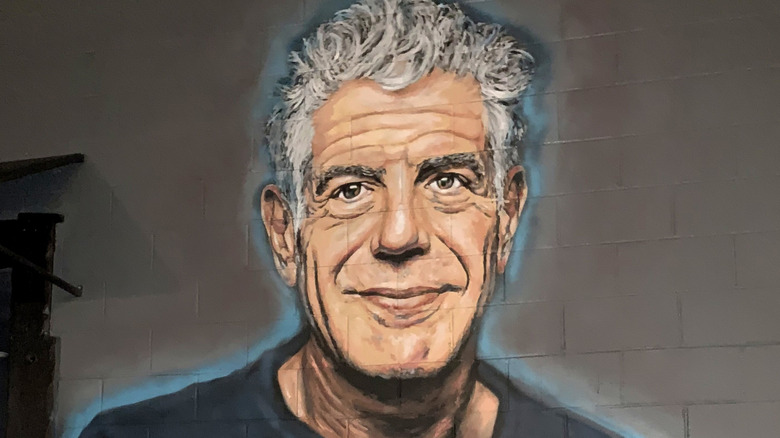
Bourdain's burgeoning kitchen presence in Cape Cod continued at the oldest restaurant in P-town, Ciro & Sal's. The Northern Italian restaurant had a vibe as classic as its place in P-town culinary history, and made an impression on Bourdain that lasted beyond his time as an employee. Depicted in "Kitchen Confidential" as an adversary to The Dreadnaught, Bourdain called the restaurant Mario's. On his first visit back to Provincetown long after his younger days in its kitchens, Bourdain went back to his old stomping ground and dined at Ciro & Sal's.
The shift from dishwasher to line cook to chef happened at Ciro & Sal's, changing the course of his career as it was. Ciro & Sal's is still open and serving up quintessential Italian fare. Ride-or-die Bourdain fans flock here for the food and the possible chance to feel a bit of his remaining energy that may still be buzzing around. If you want to have an immersive Bourdain moment, pop in and order the veal marsala, which was his go-to.
WPA
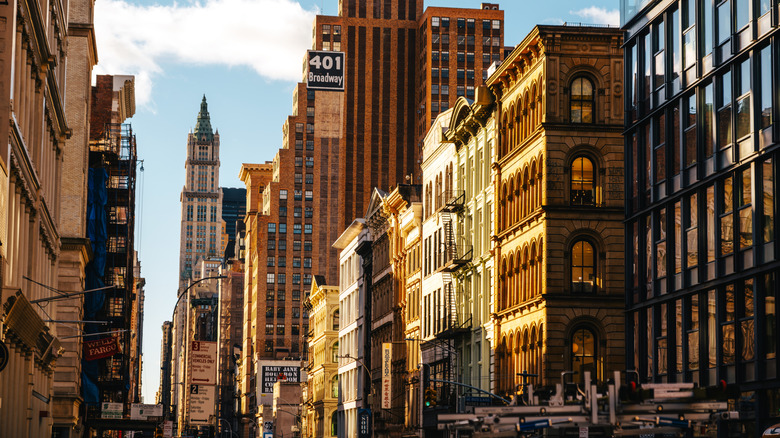
After graduating from the Culinary Institute of America, Bourdain landed at a SoHo restaurant called WPA. He quickly progressed up the kitchen line from sous chef to chef, and while a remarkable one, still made a wealth of blunders amid his success. In interviews where Bourdain spoke about missteps and stumbling blocks during his career, he always reflected on them honestly and with accountability. WPA was one of the stepping stones paved by such mistakes and the subsequent lessons learned from them.
There was no clear organizational system or defined rules behind the kitchen doors at WPA. The chefs created a menu based on what they wanted to cook instead of considering the customers and catering to their palates. The kitchen culture was more of a free-for-all and less of the chaotically structured lines where he got his start in the industry.
During his time here, Bourdain became codependent with his vices and addicted to a wild life. None of it boded well for the restaurant or its future. The fun superseded everything else. It was a far cry from the kitchen logistics he had grown accustomed to during his time in P-town. The overall lack of direction and stability eventually bankrupted WPA, which led to its closure.
Chuck Howard's
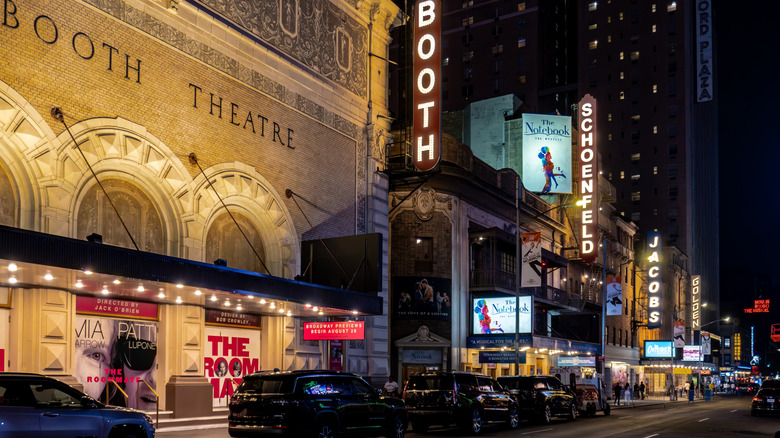
Bourdain's time working at Chuck Howard's in New York City was heavily star-studded, with tables of diners plucked from New York's elite. Bourdain masterfully whipped up humble dishes, like meatloaf and jalapeño cornbread. The Manhattan hot spot was self-named and owned by iconic fashion industry figure, Chuck Howard. Since it was located in New York's lively theater district, Chuck Howard's inevitably attracted the obligatory eclectic theater folk.
Howard also had throngs of his own friends frequenting the restaurant, who were regularly fed by Bourdain. Howard and his partner were never too far to pop into the namesake dining room, since they conveniently and purposefully lived above the restaurant. The guest list was littered with celebrities such as starlets Lauren Bacall, Angelica Huston, and many other notable names who broke bread and socialized there. Despite the legendary clientele it attracted, Chuck Howard's time as a restaurateur was short-lived. The restaurant closed, and Bourdain moved on.
Nikki and Kelly
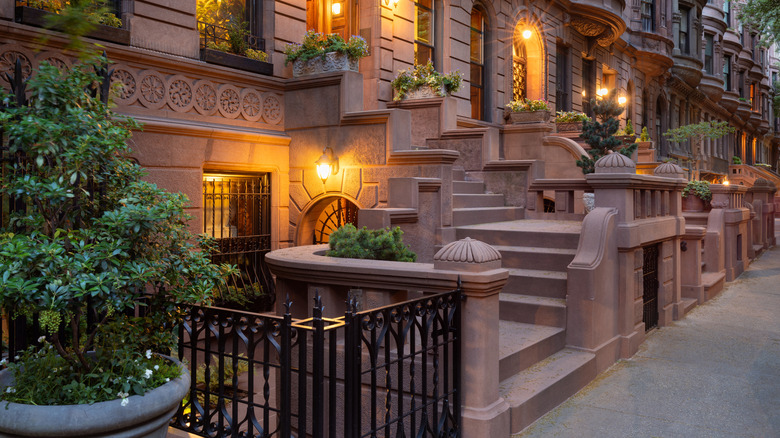
The next stop for a proud, quintessential New Yorker, Bourdain took his developing chef skills to another New York City hotspot called Nikki and Kelly. The same on-brand rebellious nature that Bourdain consistently radiated and was known for was very much at play during his time in the kitchen at Nikki and Kelly. Raucous honesty, authenticity, and direct, unsugarcoated, real talk are some of the qualities peers from that time in his life still remember.
Bourdain had a grand reputation for many things in and out of the confines of a kitchen. He didn't mince words, always spoke without abandon, and said exactly what he meant, including revealing some of the harsh systemic complexities and challenges of the restaurant world. The Upper West Side's Nikki and Kelly is no longer open, but Bourdain clearly left the people he met while cooking there with lasting impressions and lessons.
Gianni's
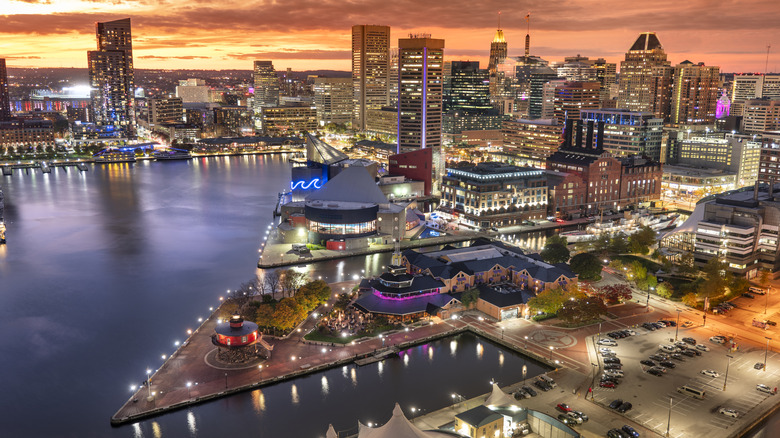
From the Upper West Side in New York City, Bourdain moved into the next phase of his career at Gianni's in Baltimore. In the early '80s, a young and driven Bourdain was brought to a new city to infuse some palpable New York energy into the kitchen of the new restaurant. It was located in a popular area called Harborplace Pavilion, and while Bourdain's time there was brief, it made enough of an impact to be part of his tell-all style stories in "Kitchen Confidential." In his book, it was referred to as Gino's.
Bourdain was not shy about his abhorrence of Baltimore. He did not hold back when he shared all of the issues with his housing situation, and the fact that Gianni's simply did not have enough customers coming through the doors to keep him busy and fulfilled. Years later, he came around and admitted that he had changed his tune about Baltimore and its locals.
Gianni's was not a sustainable business in the flailing Harborplace area and eventually closed. The area was reinvigorated and redesigned much later. We wonder what chef Tony would have thought about the revitalization of an area he admittedly hated when he was there, but eventually found affection for in retrospect.
Rainbow Room
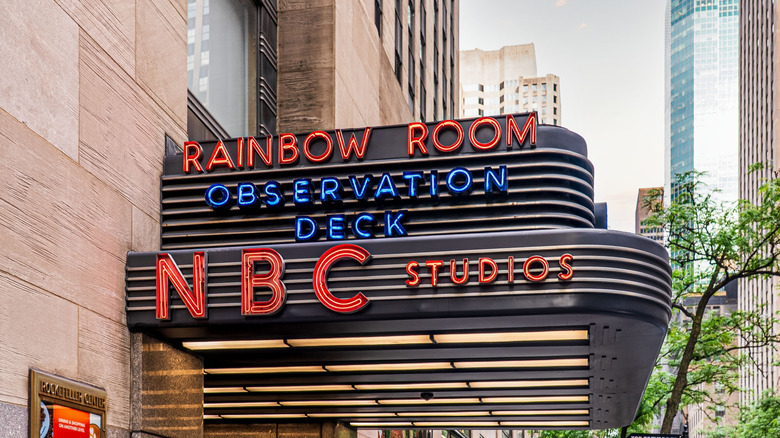
Bourdain's time at the famed Rainbow Room included laborious days being excessively overworked all week without reprieve. His first role at the restaurant was on the buffet line, slicing the roast for guests. From there, he eventually moved on to dinner service. It was his first real job as a chef after his time at the CIA, and he was more than good at it. However, like many kitchens he talked about in his infamous "Kitchen Confidential," Rainbow Room still had the stereotypical undertones of drugs, reckless behavior, bad decisions, and scandalous sexual rendezvous.
He was always known as a highly organized, hard worker, but he played even harder, especially during his stint at the Rainbow Room. It's ironic to think that he was sitting high as a chef at one of the most famous restaurants in the world, at the top of Rockefeller Center, but spending any other time going low when it came to extracurricular activities. As his progression to prolific chef continued, so did his formidable addiction to drugs and alcohol. From that first taste of chef life, watching a bride break her new vows with the chef at Flagship, he was sold on the lifestyle. Bourdain played the part of a bad boy chef like a pro. He spent less than two years at Rainbow Room, which is still open for business today and just as renowned as ever.
Supper Club
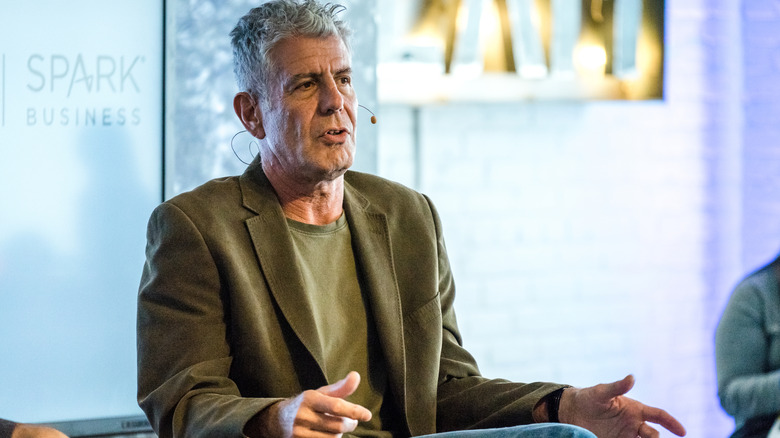
The party did not end when Bourdain began working at the esteemed Supper Club in New York City. If anything, it just got more intense. Part restaurant, part nightclub, a long-time colleague and friend described the Bourdain age at the Rainbow Room as running "a pirate ship," where the rules were nonexistent, and drugs and bad choices flowed abundantly.
Despite the party scene swirling through the restaurant, Bourdain claimed that by the time he made it to Supper Club, he had changed his ways. The shiny and sexy chef life dripping with indiscretion that once had a hold on him seemed to loosen its grip. He spent two years in that kitchen with a quelled version of his feral side, while simultaneously curating the culinary team that would become more like a work family, moving as an ensemble and tackling endeavors together. It's another New York City hot spot that provided ample and entertaining fodder for "Kitchen Confidential" and the cast of characters he shared the kitchen with. Supper Club is no longer open, but the notorious stories still live on through the personalities behind the fictitious names in the book.
One Fifth Avenue
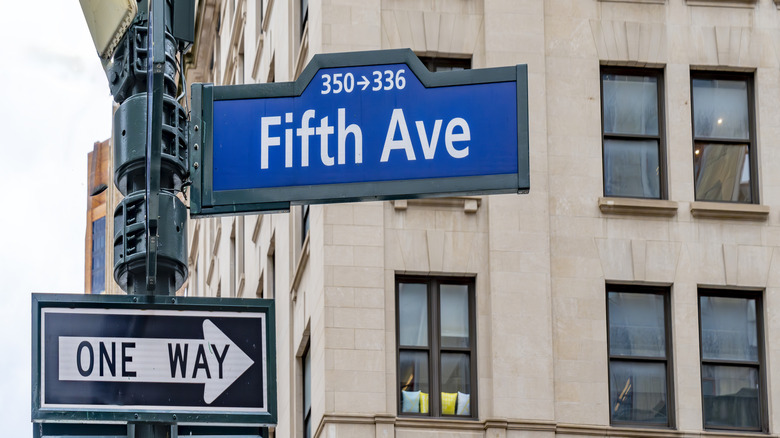
One Fifth Avenue and the building that occupied it were landmarks in midtown New York. In the mid '90s, it was also the next stop on Bourdain's journey as a tenacious chef. The chic steakhouse had a piano bar that boasted celebrity clientele like David Bowie. The address alone was enough to be enviable within the bustling restaurant industry in New York City.
In the kitchen, Bourdain married the pragmatism of the job with the deeply ingrained culinarian lore that would later light the pages of "Kitchen Confidential" on fire. One thing was clear about One Fifth Avenue: It was less about the food and much more about the scene. His year as a chef at the now-closed One Fifth Avenue unknowingly kicked off the final stretch of knocking down kitchen doors before he stepped into the big time. It was another beat closer to proving why his life and death left such a massive imprint on the world.
Sullivan's
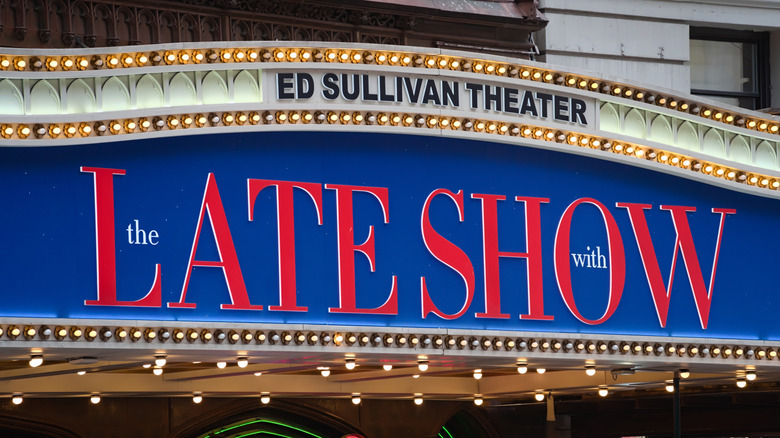
Bourdain's reign as executive chef at Sullivan's Restaurant in New York City was interesting and filled with its own challenges. After his passing, the other staff at Sullivan's shared that Bourdain was a hard worker and also hard on them. With the restaurant aiming for success and riding the coattails of Ed Sullivan's name, Bourdain brought everything he learned into the kitchen he led. He openly talked about the disparity between the dazzle of the Ed Sullivan name and the actual environment of the restaurant. The mismatch contributed to the impending languishing of Sullivan's.
All of the madness at Sullivan's, which eventually closed its doors, lent itself to further generate the backdrop for Bourdain's writing career. This is when he really leaned into his rebel persona and renegade foodie mindset. Even in a restaurant he wasn't passionate about, he never lost his fervor for kitchen life and everything it embodied. The skills, the tales, and the people became the foundation for his storytelling and led to arguably the greatest manifesto of restaurant industry lore to date.
Coco Pazzo
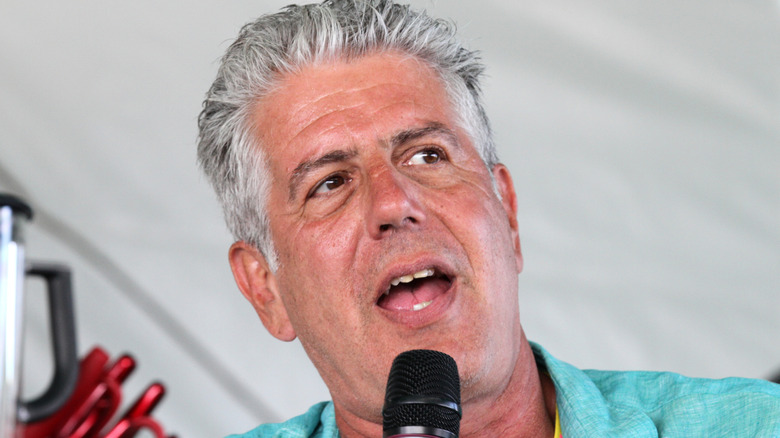
As an executive chef at the illustrious Coco Pazzo in midtown New York, everything came to a head. Bourdain pioneered the kitchen, and his former boss and mentor remembered him as witty, dark, sarcastic, and with staunch opinions he was fully committed to. His strong training in French cuisine often clashed with his boss' Italian cooking beliefs and styles, but they bonded over brandade, a type of French salted cod, of all things.
Coco Pazzo also served as an incubator for the stories that would eventually be turned into an instant bestseller and launch Bourdain into certified fame well beyond the kitchen. It was the scene for further reconciliation of his cooking prowess and natural talent for raw storytelling. Bourdain's tenure at Coco Pazzo came to a screeching halt when he was fired just two months into his role. This little blip in his career was the catalyst that set the wheels in motion for the last kitchen job of his career. Although the restaurant closed, there are still fans out there recreating the dishes that put him on the map at Coco Pazzo.
Les Halles
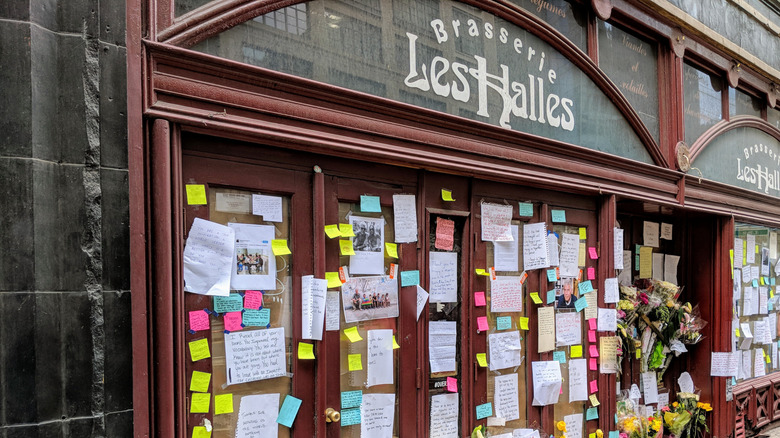
The severely unpretentious Bourdain replied to a job posting in The New York Times for an executive chef position at an equally unpretentious brasserie. Les Halles was a very cool, intriguing paradox, much like its new head chef. It was while at Les Halles that Bourdain sent shockwaves through the restaurant industry and changed everything. Years of unfiltered, behind-the-scenes kitchen content he had mentally cataloged made a public debut nobody was ready for.
When Bourdain's iconic New Yorker essay dropped, it revealed deep-seated kitchen truths. The jarring essay led to a book deal, and that's when Bourdain opened the floodgates and penned a full-fledged expose. His stories, told from his perspective as a chef, created an immediate camaraderie (and probably served as validation) among chefs everywhere.
Les Halles had a brief reopening in the form of a pop-up to honor the late Bourdain, but remains closed. It's consistently credited as the spot where "Kitchen Confidential" was fully baked and came to fruition. It was also the last kitchen Bourdain led before he stepped into his celebrity status and became a pivotal media and entertainment rockstar before his untimely death.