

14 Ways To Use Leftover Cranberry Sauce That Will Make You Want To Buy More
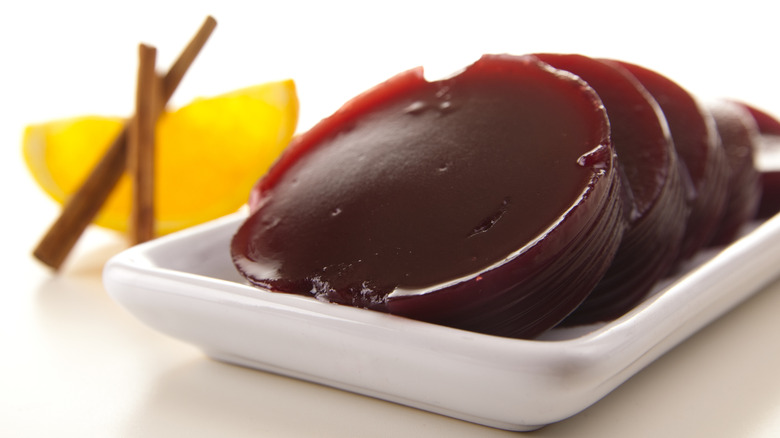
If you are only eating cranberry sauce with turkey at Thanksgiving and Christmas dinner, consider this your wake-up call. You are missing out on its tangy deliciousness the rest of the year. Whether it is canned or homemade, jellied or whole berry, cranberry sauce has the culinary chops to go way beyond a holiday sauce. Its taste, texture, and color make it a tantalizing add-in for next-level savory and sweet recipes.
The versatility of such an ingredient is nearly limitless. With their sharp, fruity tartness, cranberries naturally pair well with soft cheeses, chocolate, meats, and fruits, as well as cinnamon, cloves, black pepper, rosemary, and thyme. The sauce can be an inventive substitute for another ingredient or an untraditional addition to a dish.
We searched for creative and unusual ways to make the most of leftover cranberry sauce beyond simply spreading it on a turkey sandwich. We found recipes where no cranberry sauce has gone before, and innovative uses that might surprise you (and your taste buds). These recipes will make you want to stock up on the sauce to have it around all year long.
Update your glaze with cranberry sauce
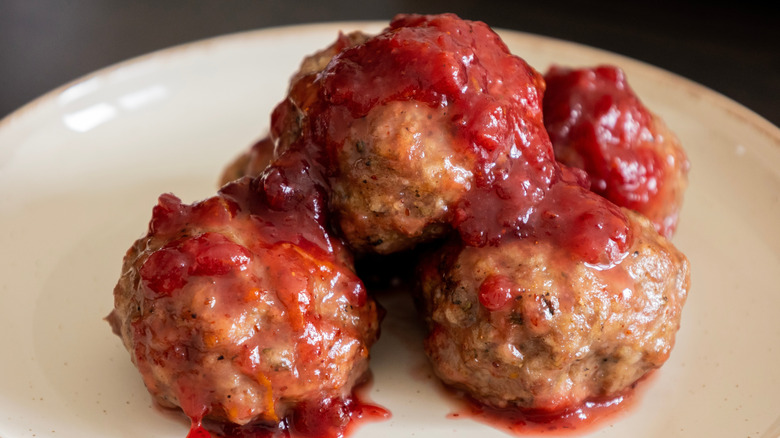
American palates love the pairing of sweet fruit sauces with savory meats. It's a fruit glaze craze that dates back to as early as 1672, when Native Americans and early settlers often cooked up a sweetened cranberry sauce to serve with their meat. In 1796, a cranberry sauce recipe appeared in a cookbook as an accompaniment for roast turkey.
Several 20th-century classic dishes featured popular pairings of fruit-glazed meat. Pineapple-glazed hams were popularized in Good Housekeeping magazines in the 1930s. Grape jelly meatballs were all the rage at cocktail parties in the '60s and '70s, and apricot chicken, featuring bittersweet apricot jam and savory onion soup mix, was a staple in American and Australian households during the '80s and '90s. Glazed meatballs resurfaced again in the early 2000s with new combinations such as mango habanero.
What all these retro dishes have in common is that they can be upgraded with some leftover cranberry sauce. Sticky, sweet cranberry sauce can replace the pineapple slices on a ham, the grape jelly in slow cooker meatballs, or the preserves on apricot chicken. To bring the classic sweet and savory pairing into this millennium, try using a cranberry sauce glaze on a meatless appetizer such as brie and crackers or baked cheese tortellini.
Add pizzazz to condiments
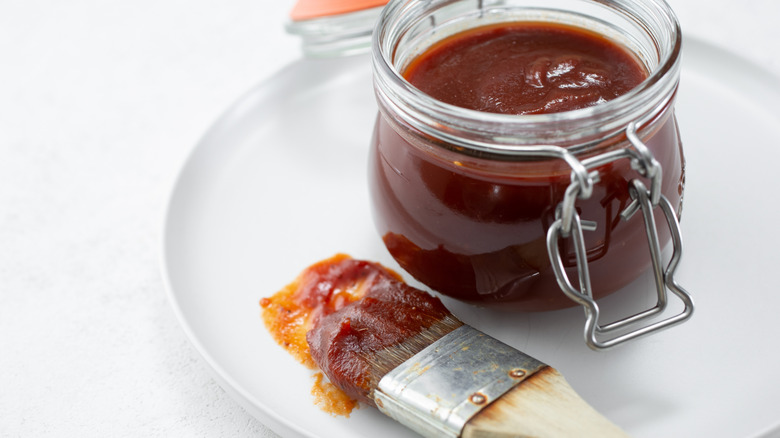
Cranberry lovers can add just a spoonful of leftover cranberry sauce to punch up the zing of common condiments like BBQ sauce, hoisin, and ketchup. In fact, cranberry ketchup was actually a common condiment before tomato ketchup ever showed up on American menus. Nowadays, New Englanders still eat cranberry ketchup on sandwiches, burgers, and with their french fries. It can be made with fresh berries, or you can easily substitute a can of cranberry sauce you already have in your pantry.
Jellied cranberry sauce is the perfect canned ingredient to enhance BBQ sauce. Smooth and sweet, it blends right into the spicy, rich BBQ flavors. It can also add a sweet touch to horseradish or hoisin dipping sauce in Asian recipes. And instead of stopping at sour cream and applesauce on latkes or honey and figs on labneh, why not mix up these condiments with a bit of cranberry sauce for added tartness?
Freeze cranberry sauce for a tart treat

Cranberry and chocolate are a classic pairing for elevated desserts and sophisticated treats. The cranberry tingles the taste buds while the sweet chocolate smooths out the sharp notes. But beyond chocolate cranberry muffins, cakes, and truffles, we discovered a truly unique and easy-to-make treat among the internet buzz: frozen chocolate-covered cranberry bites.
When cranberry sauce is frozen, it has the slushy texture of a popsicle, so if the chocolate coating is thin, these treats can be eaten straight out of the freezer without breaking a tooth. We found a handful of different versions of this treat. Some use canned jellied cranberry sauce, sliced into discs, frozen until firm, and then dipped and drizzled in chocolate, which immediately forms a snappy shell. Other versions start with whole-berry cranberry sauce, frozen in bite-sized piles and coated in white chocolate or almond bark. Taking inspiration from there, you could experiment with additional ingredients, such as stirring Greek yogurt into the cranberry sauce before freezing for a thicker, creamier dessert.
Add another layer of flavor to spaghetti sauce
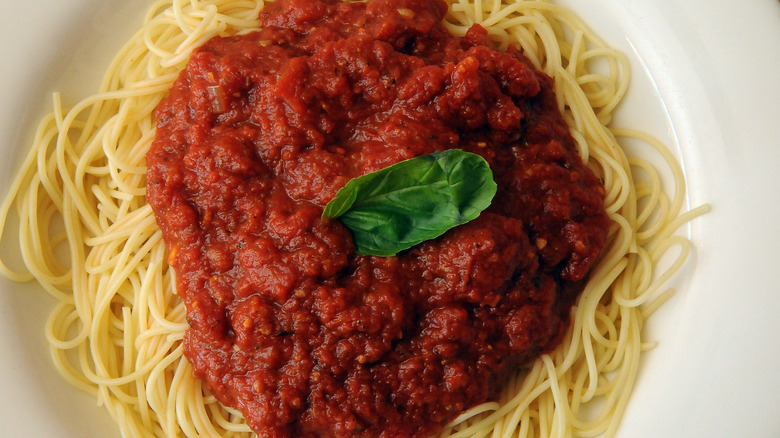
When TV personality Sabrina Burke revealed in an Instagram video that canned cranberry sauce was the secret ingredient in her spaghetti sauce, reactions ranged from unbridled enthusiasm to sheer contempt. Commenters were a bit more accepting when Burke shared another recipe with canned cranberry sauce in chili. Once you get over the initial shock, the pairing makes sense from a culinary viewpoint.
Chemically speaking, adding cranberries to a tomato-based sauce isn't that much different than adding red wine or balsamic vinegar. That's because cranberries, like wine, contain tannins, which give them bright colors and that tart, astringent taste. Like other tannic foods — grapes, blueberries, and blackberries — cranberries are often paired with sweeter fruits to balance out their tartness. We just sometimes forget that tomatoes are fruits. When combined, cranberries bring out the sweet notes of tomatoes, which in turn balances the cranberries' tartness. Cranberry sauce and tomatoes can also make a vibrant impact in recipes like chutney, tapenade, and bruschetta.
Pair it with hot sauce and spice
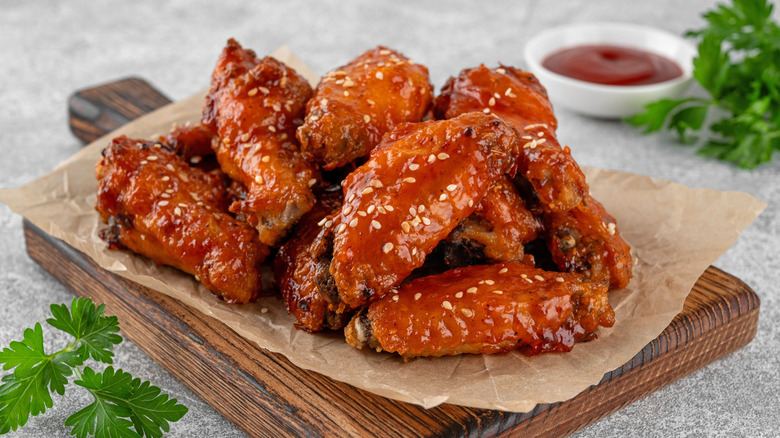
Cranberry sauce is commonly seasoned with cinnamon, cloves, or ginger, but it doesn't have to be limited to warm seasonings only. It can definitely handle the heat of cayenne pepper, chili powder,smoked paprika, or fresh peppers. Sweet and tangy cranberry sauce, with its characteristic acidity, can intensify or tame spicy dishes. Try adding it to a batch of chipotle chicken enchiladas so the cranberries can enrich the smoky creaminess of peppers. Spoon cranberry sauce into a mole to incorporate a tart layer of flavor, or stew it with habanero chiles, lime juice, and a sweetener for a bright hot sauce that hits all the notes. Mix the sweet, sticky, and tangy cranberry sauce with hot pepper sauce or sriracha to punch up the flavor of hot wings, just avoid letting your chicken wings stick to the pan.
When cranberry and hot spices are combined in salsa, taco sauce, or spicy dips, the two flavors tag-team to intensify the spiciness and tart kick. Jalapeño and cranberry are a winning combo for both cold and hot appetizers that traditionally feature a fruit compote over soft cheese, such as brie or goat cheese, served with crackers. Together, they create a sharp and refreshing taste with the acid of the pepper and the bright edge of the cranberry sauce cutting through the rich cheese, acting as a palate cleanser.
Make fruity boba tea
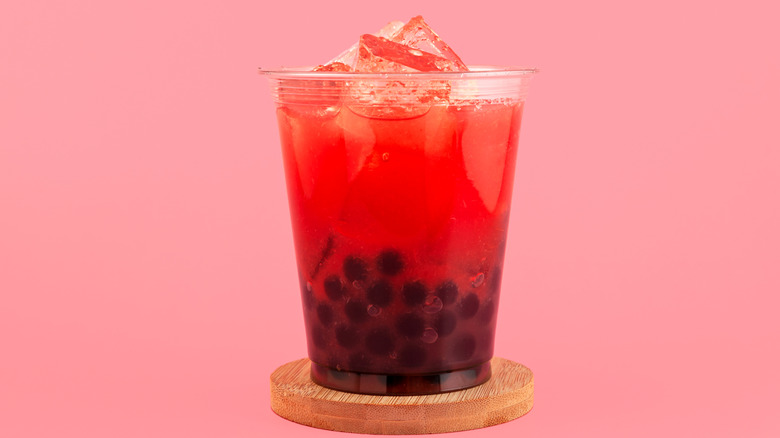
The popular boba and bubble tea trend continues to flourish outside of boba tea shops. It has inspired creative drink concoctions such as the popping pearls that showed up in Starbucks' Refreshers, and the fruity, floating boba featured in Pepsi Cherry Boba Burst as part of the company's Drips line.
Making your own boba pearls with traditional tapioca flour requires ingredients you probably don't have, and eating too many can even cause some digestive discomfort. A simple and ingenious way to make boba at home is to use leftover cranberry sauce. Using a small melon baller, carve out flavorful red pearls, cutting a straight new surface once you have harvested each layer to get the best shape. The deep red balls, which already have a similar consistency to boba pearls, add a tart twist and texture to your favorite summery drinks.
Cranberry boba can also be a delightfully sweet accent to a warm drink. This London Fog recipe uses a solitary spoonful of leftover cranberry sauce to sweeten the mixture of Earl Grey tea and steamed milk.
Enhance German red cabbage
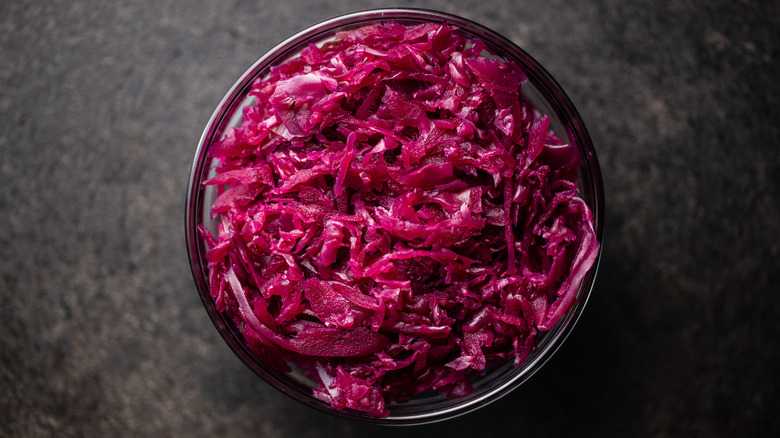
German red cabbage is popular due to its sweet and sour flavors created by braising cabbage and apples in brown sugar, vinegar, and cloves. What ingredient could take this classic side dish to the next level? Cranberry sauce, of course! Not only does the tart sweetness stand up to the robust vinegar, but the deep red color blends right in with the characteristic hue of the sauerkraut. Vinegar is an effective counterbalance to the fruit –– the acid cuts the cloying sweetness of the cranberry sauce and amplifies its natural flavor. The sugar in the cranberry sauce and apples mellows the sharp flavors of the vinegar and cabbage, making this side dish more approachable.
Now that you know about this fun flavor duo of cranberry and vinegar, look for ways to incorporate it to brighten and balance other recipes. For example, try adding sauerkraut to a slow cooker cranberry meatball recipe. Or amp up the flavor and color of pickled red onions by stirring a spoonful of cranberry sauce into red wine vinegar before pickling. Use them to top these Thanksgiving turkey nachos.
Repurpose cranberry sauce as jam and syrup
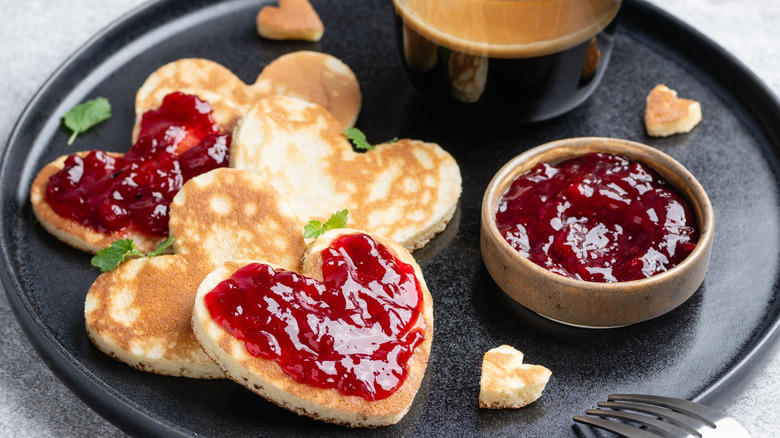
The iconic shiny, gelatinous tube of cranberry sauce that maintains the shape of its can, ridges and all, is made possible by the high content of corn syrup and fruit pectin. The corn syrup makes it sweet and smooth, and pectin keeps it jiggling. This texture means canned cranberry sauce is a no-brainer substitute for almost any fruit jam or jelly when making streusel cookie bars, trifles, or thumbprint cookies. You can also simply stir it into oatmeal or layer it in a yogurt parfait to add a tart bite and bright color.
Pectin keeps cranberry sauce thick even when it is melted, so the sauce is also an easy, sweet topping on pancakes or ice cream. To transform it from its signature tube shape to a smooth, velvety syrup, cut the cranberry sauce into chunks and mash with a wooden spoon. Bring it to a gentle boil, stirring every 30 seconds, and then simmer on low. For a thinner consistency, gradually add water or juice (orange juice is a favorite flavor complement) as needed until the syrup is smooth and glossy. Not a fan of syrup? Instead, make a tangy, sweet, and sour butter for pancakes, muffins, or rolls by stirring bits of cranberry sauce into softened butter.
Let it jiggle like Jell-O
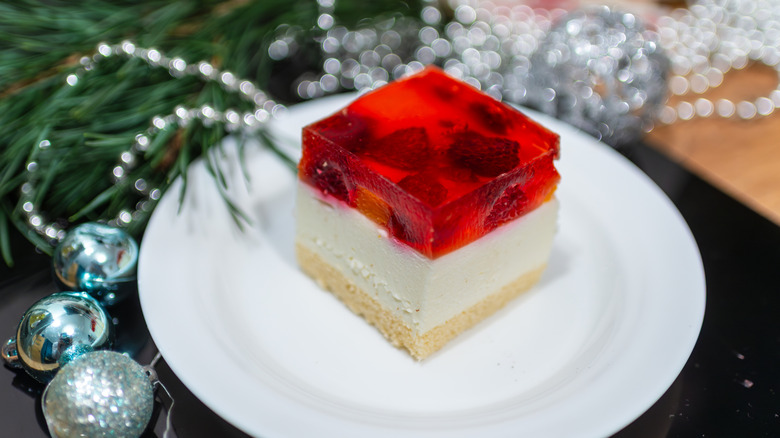
Cranberry sauce is a shoo-in for jam, but how about Jell-O? They have a lot in common. Jell-O is famous for molding to the shape of its container, and canned jellied cranberry sauce is both celebrated and shunned for its ability to retain its cylindrical and imprinted form. While Jell-O gets its jiggle from gelatin, made from animal byproducts, cranberry sauce gets its wiggle from natural fruit pectin. Pectin's role in a plant cell is to be the glue that keeps the cell walls together. The firmer the fruit, the more pectin it has, and fresh cranberries are notoriously stiff. During the cooking process for cranberry sauce, the fruit breaks down and releases pectin, which binds with water and sugar to form a gel.
The properties of cranberry sauce match the jiggly form, springy texture, and bright colors of prepared gelatin, making it a successful substitute in recipes that call for a layer of Jell-O, like this Strawberry Pretzel Jell-O Salad. With the sweet cream cheese layer and salty pretzel crust, the cranberry flavor isn't overpowering. Instead, it's just enough for this traditionally summer salad to get an invitation to holiday potlucks — right at the time when canned cranberry sauce is on sale. Win-win.
Incorporate cranberry sauce into stews and savory mushroom dishes

Cranberries are a unique fruit because they pair well with many different flavor profiles. They harmonize with other sweet ingredients but are also at home with deeper savory flavors. The piquant notes in a tart cranberry sauce can add an appealingly bright richness to earthy flavors, which is why it is often served as a complement to roasted meat. Thinking beyond a condiment for meat, add a spoonful of leftover cranberry sauce to enhance a beef stew, where it will melt into the savory flavors of Worcestershire, beef broth, and tomato sauce. Or add pizzazz to pulled pork by combining cranberry sauce with chipotle peppers in adobo.
The versatile fruity sauce also melds well with umami flavors, such as a cranberry-soy sauce marinade to flavor tofu steaks or mushrooms. Mushrooms can taste one-note without a counterbalance, and cranberry sauce is a pro at brightening earthy flavors. Consider adding a spoonful to a mushroom tart or stuffed mushrooms. Alternatively, mix some into an herby stuffing or rice pilaf.
Roll it up with cream cheese

Sweet rolls made with cranberry sauce instead of jam are a simple way to use up leftover cranberry sauce from the holidays. Make the sweet roll dough and roll it out as usual. Then add the same amount of cranberry sauce as the jam the recipe calls for. Be sure to stir it in a bowl (with a little orange juice or zest if you like that combo) until smooth to make it easier to spread. Remember to leave a ½-inch border on the edges of the dough. This prevents making a mess when it's time to roll it into a log and slice it into individual rolls. Bake according to the original recipe.
If you stop there, you'll have a rich and tasty breakfast treat. But if you want a lick-your-fingers and come-back-for-more cranberry sweet roll, then top it with cream cheese frosting. Cream cheese gets its familiar tang from lactic acid, while cranberries' tartness comes from malic and citric acid. Paired together, they're a match made in heaven. The brightness from both ingredients shines in similar recipes such as swirled cake, French toast casserole, and homemade Pop-Tarts.
Create sweet and sour with cranberry power
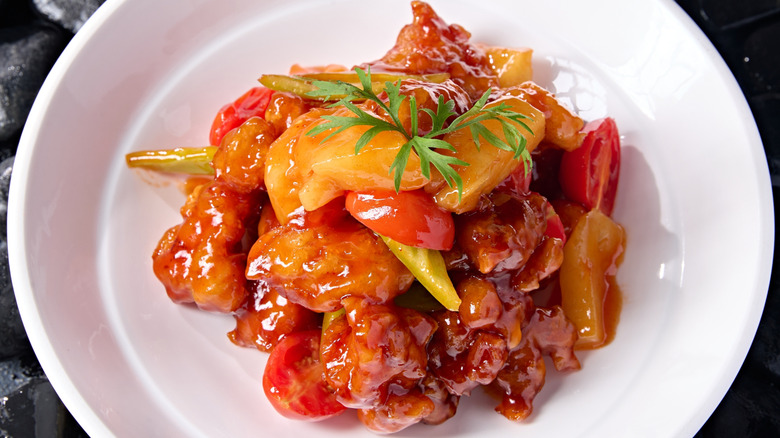
Cranberries pair well with many ingredients that either balance or enhance their natural flavors. When eaten with other sweet fruits, like oranges and pineapples, cranberries' tartness can help balance the sweetness. Orange brings a fresh complement to the berries' tart notes in something like orange cranberry muffins, while lemons take the bitter flavors up a notch in a recipe like cranberry lemon bars. The creamy, tropical flavor of mango literally pops when paired with cranberries in smoothies and salsas.
Tart duos are also at home in fruity main dishes. When combined with pomegranates and blueberries, cranberries yield to their savory side. But citrus and tropical fruits tend to lean to the sweet side. To add depth to a recipe like orange chicken or to brighten up the taste and color of sweet and sour pineapple pork, just add a cup of leftover cranberry sauce to the recipe.
Stir it into vinaigrette for a fruity salad dressing
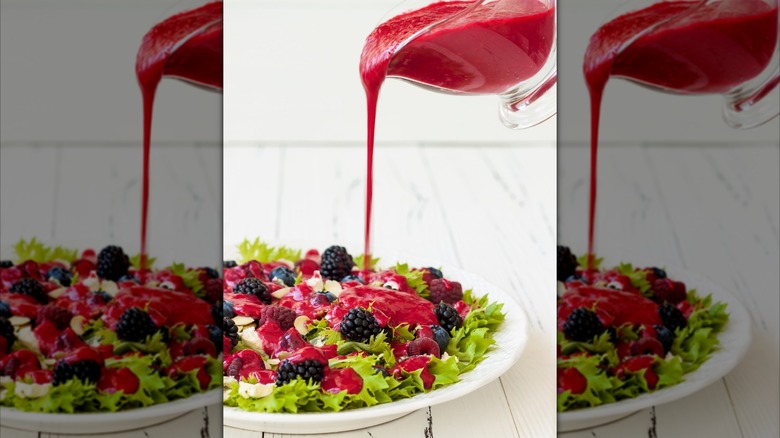
Just like making vinaigrette from the last bits of jam in the jar, leftover cranberry sauce can be used to create a simple and flavorful salad dressing. The fruit is at home in a vinaigrette because it pairs so well with vinegary, sweet, and savory flavors due to its high acid, low sugar chemical makeup. Sweet pairings tone down cranberries' bitter tannins, while savory flavors highlight their fruity notes. Cranberries can also hold their own when mixed with black pepper and earthy herbs like thyme and rosemary.
Cranberry vinaigrette pairs beautifully with fresh fruit salads, such as the potluck staple spinach fruit salad. If you dress it up with summer fruits like peaches and strawberries, they'll add sweet floral notes to the cranberry dressing's sharp taste. Tart raspberries will take the tang up a notch, and earthy blueberries will balance out the acidic bite. Cherries will harmonize with cranberries' vibrant notes, and oranges will sing when bathed in a bright cranberry dressing. It's easy to customize flavors by experimenting with different vinegar and seasoning combinations. Plus, it's also healthier to make vinaigrette yourself. You control the amount of sugar and salt and skip the unnecessary additives and preservatives that store-bought dressings often contain.
Make an All-American PB&J
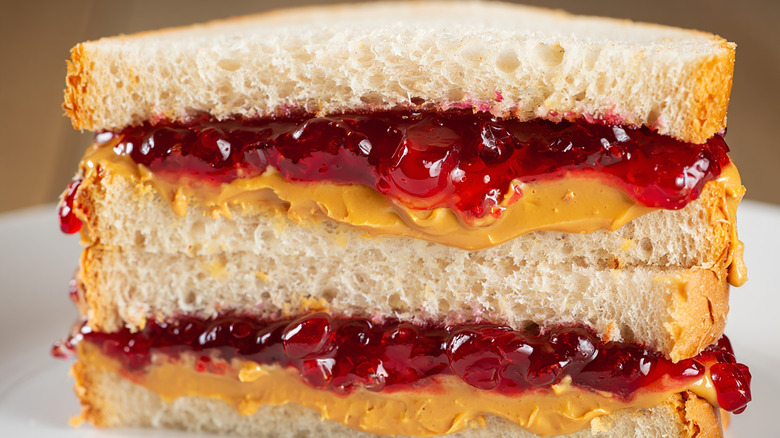
The easiest way to use up leftover cranberry sauce is a simple switcheroo, replacing the jelly on a PB&J sandwich with smooth, spreadable, sweet, and sticky cranberry sauce. The kids may not even recognize it as the same thing they refused to eat at Thanksgiving dinner. The use of cranberry sauce in this sandwich takes the American classic to its roots. Cranberries are a true American ingredient, one of the few fruits indigenous to North America, which were surely on the menu at the very first Thanksgiving.
Of course, cranberry sauce is no stranger to sandwiches. It is a favorite topping for turkey sandwiches and can replace the jam layer of a Monte Cristo or upgrade a grilled cheese. Another unique cranberry sandwich, which exemplifies the adaptability of canned cranberry sauce, is a Thanksgiving turkey take on a Hot Brown sandwich. In the recipe, the Hot Brown's tomato slices are replaced by jellied cranberry sauce. Bon appétit!