

12 Asian Kitchen Staples You Shouldn't Pass Up At The Grocery Store
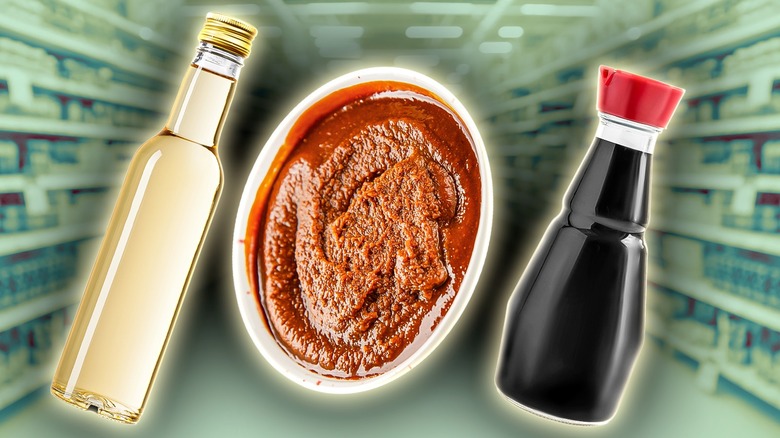
Even for the confident cook, an Asian grocery store can feel overwhelming. Faced with rows of sauces, pastes, powders, and oils, it's easy to either stick with what you know or skip the aisle altogether. The mistake lies in believing that Asian pantry ingredients are niche or recipe-specific. This could not be further from the truth, and in fact, a thoughtful selection of Asian kitchen staples can transform your everyday cooking, no matter what's on the menu.
To show us how, we turned to three chefs whose careers span tradition, innovation, and real-world practicality. Chef Yasu Kisaki, co-owner and chef of Sushi Den, Izakaya Den, and Ototo Den in Denver, brings over four decades of experience to the table. Sushi Den is celebrating its 41st year this month, and chef Kisaki is widely respected for both his craft and his teaching. Chef Yuhi Fujinaga, Director of Culinary for Patina Restaurant Group in Orlando, oversees a diverse portfolio of high-profile venues across Disney Springs and EPCOT, including Morimoto Asia, Maria & Enzo's, and The Edison. Rounding out the group is chef Seadon Shouse, whose 15-plus years of experience span hotels and restaurants across the U.S.
Together, these chefs explain how best to use their favorite Asian ingredients and why they use them, so that the next time you check your kitchen cupboard, there will be a whole new range of exciting options awaiting you.
1. Japanese soy sauce
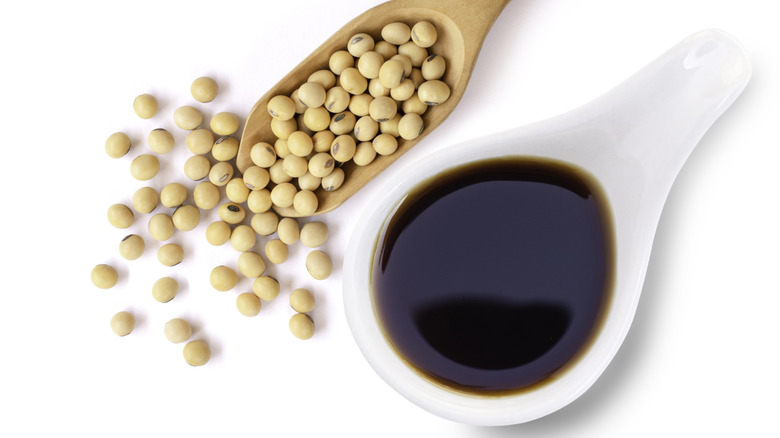
When asked about the one Asian ingredient they could not live without, the replies were unanimous. Across the board, Japanese soy sauce was the first choice. According to Chef Yasu Kisaki, "It immediately adds a dimension to the flavor of the dish." Pay attention to the word "dimension," as it implies multitudes. In Japan, soy sauce is so much more than just a salty seasoning. In fact, it is a layered, fermented ingredient that brings umami and a subtle sweetness to any dish, something that plain salt would struggle to replicate. Chef Kisaki puts it plainly, "Since it deepens the flavor, it can be used instead of salt and pepper for seafood."
That idea alone should change how any home cook treats soy sauce. Instead of using it only for stir-fries or Asian recipes, it's time to think of it as an enhancing tool. Once you choose between light or dark soy sauce (each with its own advantages), go ahead and dribble a few drops over a simple grilled fish or brush it lightly over roasted vegetables, and observe how the food seems to come alive. From deepening soup flavors and balancing fats to sharpening sweetness and moderating a sour streak, do not hesitate to experiment with this Asian staple. Asian cuisine expert, chef Yuhi Fujinaga, asserts, "I cannot live without it as a Japanese Chef. #1 used ingredient for all Japanese households."
2. White soy sauce

White soy sauce is one of those ingredients chefs love precisely because it doesn't dominate. Executive chef Seadon Shouse explains his preference for this condiment, noting, "It adds a slight smokiness to dishes while also seasoning with a milder flavor than regular soy sauce." That softer profile means it enhances without darkening or overpowering a dish, allowing you to use it more generously. This works especially well in dishes where color and delicacy matter, such as broths, tofu, seafood, light grains, vegetables, and even eggs.
In fact, several professional chefs (let alone home cooks) often overlook this sauce, but chef Shouse encourages experimentation. Its simplicity and clarity solve problems most cooks don't realize they have, such as over-salting and overwhelming flavors. In practical terms, white soy sauce works where regular soy sauce might feel too assertive. It adds a complex layer to dishes without masking the natural flavors, so go ahead and use it to season poaching liquids or whisk it into vinaigrettes. White soy sauce is proof that not all soy sauces behave the same, and that sometimes, it's worth opting for a more nuanced way of cooking rather than charging in all flavors blazing.
3. Miso paste
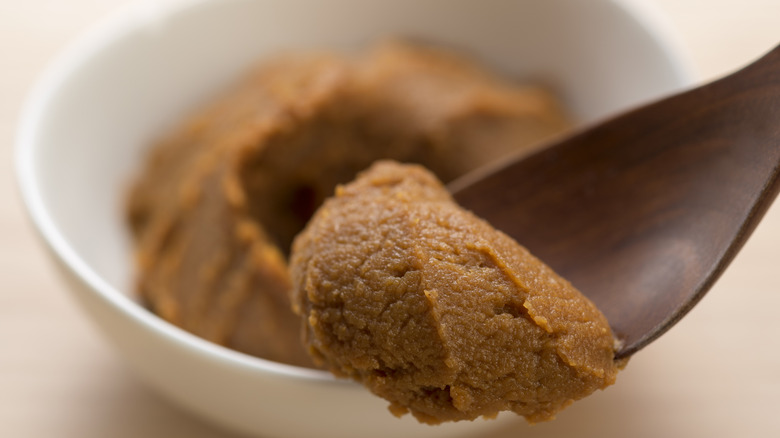
At its core, miso consists of fermented soybeans, salt, and koji, but it is also so much more. For chef Seadon Shouse, miso isn't just a pantry staple; it's a foundational flavor. But good quality miso, according to him, is non-negotiable. He shares, "We ferment our own soy beans with salt and koji for six months and then use that miso in the miso mayonnaise for the mini lobster rolls on the menu."
When it comes to miso, the fermentation time matters. The longer the duration, the richer and more rounded the umami flavors it delivers. As a home cook, you may think of miso only in terms of soup, but its usefulness stretches far beyond that. That said, chef Shouse encourages beginners to start with "A good quality miso, and then use it to make a miso soup with kombu and bonito in the base stock." It's a simple technique that immediately shows how miso interacts with other ingredients.
For a regular home kitchen, it would be easier to think of miso as a seasoning rather than a recipe-specific ingredient. You could add a spoon into mashed potatoes for a kick or whisk a bit with butter and use it as a flavorful glaze for veggies or fish. Or do as chef Shouse does and mix it into mayonnaise to create a rich, savory spread that elevates sandwiches or grills effortlessly. Just make sure you keep it refrigerated, and it will instantly enhance a dish that feels flat or unfinished.
4. Dashi
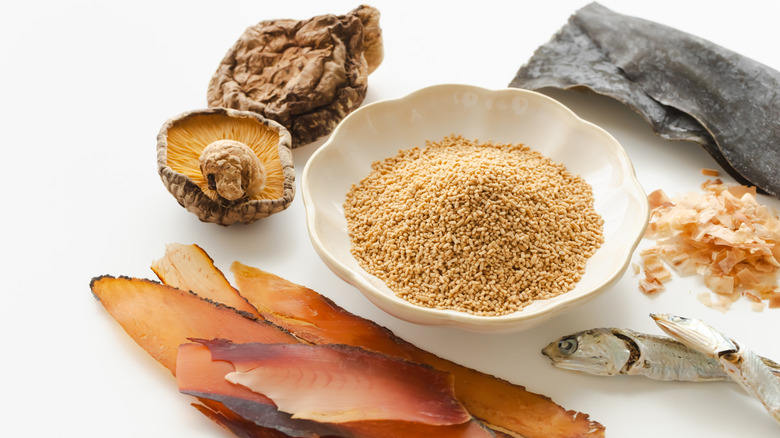
What exactly is dashi, you might ask? Well, to put it simply, dashi is a traditional Japanese soup stock made from kombu, bonito flakes, dried mushrooms and anchovies (though this can vary). Dashi is also the quiet hero behind several Japanese recipes and provides a deep complex flavor profile without any heaviness. For chef Yasu Kisaki, its value lies in its adaptability. He keeps the advice simple: "Just experiment with it as it's very versatile."
For a regular home kitchen, dashi is the ideal base for soups, stews, sauces, and dishes that are slow-cooked and simmered. Even a small amount in your usual weekday meal will help add zing to the palate. A foolproof way to ease into using dashi is to opt for the instant or granulated varieties. These offer consistency and speed without sacrificing much flavor. You could then build up your confidence by using it to cook rice or loosen sauces. Chef Kisaki's encouragement to experiment matters; dashi doesn't require strict rules. Add it to pan sauces where you'd normally use stock or use it as a poaching liquid for fish or tofu. Once it's in your pantry, you'll start noticing how often you reach for it, and it will soon become the backbone of your staples cupboard.
5. Seaweed (Kombu, Nori, Wakame)
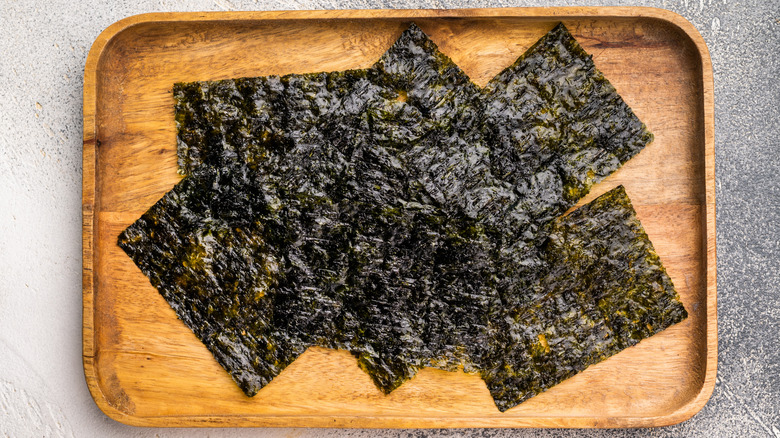
Seaweed is one of the most underrated ingredients in an Asian pantry. Largely restricted to being used in sushi rolls or as an easy snack, in reality, seaweed is a category of ingredients with very different roles and textures. For chef Seadon Shouse, dried kelp, also known as kombu, is a favorite staple. He explains, "Dried kelp or kombu is one of my go-to Asian pantry ingredients as it helps bring depth to sauces and stocks."
Kombu contains natural glutamates that create a savory base. It's why kombu is so often used to build stocks, including dashi, but our experts urge you to think outside the box here. Shouse emphasizes the range of seaweed beyond stock-making, noting, "It can be used as a base for sauces/stocks, as a vegetable in a broth soup or entrée, a garnish in a salad, or a crispy element to a dish."
Wakame can be rehydrated in minutes and then simply added to soups or salads for texture. Nori can be torn and sprinkled over rice, eggs, or vegetables as a delicious finishing touch, while kombu can be simmered with beans or grains. What also makes seaweed a smart staple is how little effort it requires for such noticeable payoff, plus it's shelf-stable and long-lasting — magic words when it comes to stocking a kitchen pantry.
6. Sesame oil
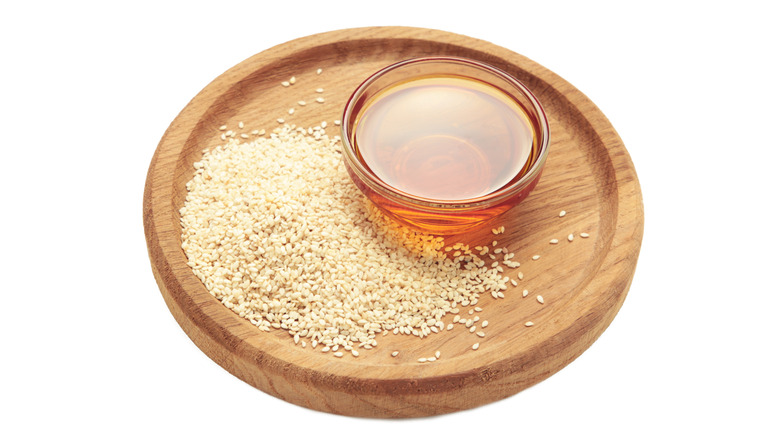
When chefs talk about "secret ingredients," what they are usually referring to are the staples or foundations of a recipe that work behind the scenes. For chef Yasu Kisaki, that pairing is simple and telling: "Japanese soy sauce and sesame oil." Chef Kisaki's inclusion of sesame oil alongside soy sauce speaks to how naturally they complement each other. Salt and umami meet richness and fragrance. Together, they form a shortcut to depth with the layers of saltiness, fermented funkiness, and aromas all working in balance to create something magical.
Sesame oil deserves a place in any home kitchen because it does something few other ingredients can do so quickly — just a small amount adds warmth, nuttiness, and a toasty finish to even the simplest of dishes. But, be warned, unlike neutral oils, sesame oil isn't meant for volume or frying. This is a flavor-packed oil, best used sparingly and strategically. Our experts suggest you think of sesame oil as a finishing touch. Use it to drizzle over steamed vegetables or stir it into rice just before serving. A few drops over a bowl of soup rounds out the aroma beautifully, and when combined with soy sauce, vinegar, or citrus, it creates an instant dressing for salads.
7. Crunchy chili oil / Taberu Rayu

Some grocery store staples need to be on your shopping list because of their utility and versatility. Others are about joy. Crunchy chili oil — in this case the Japanese taberu rayu — falls firmly into the second category. From the get-go, our experts make it clear that this is not a cooking base or foundation ingredient. Rather, it should be treated as a delicious finishing touch that instantly makes food more interesting.
Chef Yuhi Fujinaga explains, "One thing I have been hooked on for quite some time is the taberu rayu. It's a topping that you can use on top of pretty much anything." And when he says pretty much anything, he means it. Taberu rayu isn't just about heat for heat's sake. Every bite of this crunchy, spicy, unctuous oil creates a contrast in dishes that might otherwise feel flat, all the while adding some pretty intense textural and aromatic hits.
And because it's a topping, not a sauce, it gives you more control. Spoon it over eggs, noodles, rice bowls, dumplings, or roasted vegetables. Add it to soups just before serving, or swirl it into yogurt or mayonnaise for a quick dip or sandwich spread. Hell, add it to your next batch of cocktails! Even a neutral dish like plain rice or grilled chicken will benefit from that hit of crunch and warmth.
8. Yuzu Kosho

When asked which underrated ingredient in Asian cuisines deserves more love in Western home kitchens, chef Yasu Kisaki keeps it simple: "Yuzu kosho."That brevity belies the punch this Japanese condiment delivers. Made from yuzu citrus zest, chili peppers, and salt, it's bright, spicy, and instantly elevates a dish.
Try it out yourself — a tiny dab can liven grilled fish or meat, add zing to soups, or spice up dressings and dipping sauces. Unlike most hot sauces that only bring the heat, yuzu kosho adds layers of citrus aroma alongside the spice with an additional note of subtle fermentation. Even in small quantities, it can transform the blandest of meals.
Yuzu kosho's compact flavor profile also makes it a smart pantry addition because it works across cuisines. It pairs with seafood, poultry, tofu, or simple grilled vegetables, making it a modern, cross-functional seasoning.
9. Japanese Rice (Koshihikari, Haiga)
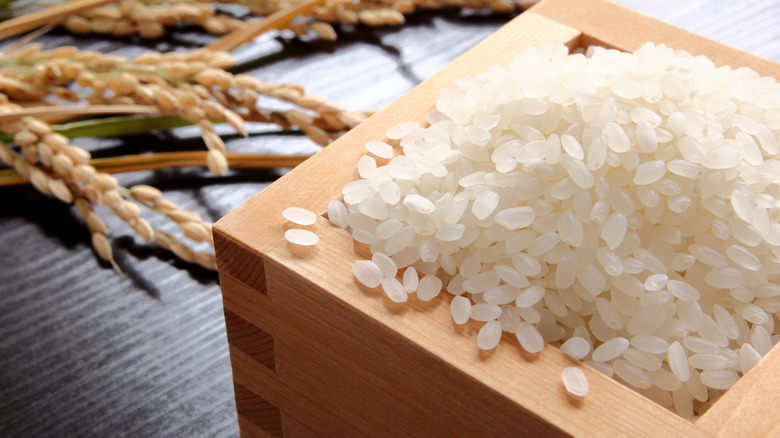
In Japanese cooking, rice is so much more than just a neutral backdrop for curries and stir-fries. In Japan, like in most of Asia, rice remains the foundation that everything else rests on. Therefore, it's no surprise that the variety you choose and how you use it matters.
Chef Yasu Kisaki points to haiga rice as a staple worth seeking out, noting, "Haiga rice is nutritious and has great flavor." This is the kind of rice that cooks up light and fluffy while still retaining its rich nutrients. Koshihikari rice, on the other hand, is prized for its texture and freshness. Chef Seadon Shouse highlights why sourcing matters here: "Koshihikari rice from California is amazing. It is so much fresher than a lot of the rice varieties that commercially come from overseas. It is nutty and creamy with a great texture." The creamy texture is prized, and when properly cooked, it has a gentle stickiness that holds together without turning heavy or gummy.
For a home cook, a simple upgrade to the type of rice you use can elevate a boring meal. All you need to do is pay attention to the correct levels of water and attention needed, and you will be rewarded with an ideal palate for everything from grilled meats to steamed veggies, along with toppings like eggs or even leftovers. When the rice itself tastes good, the entire dish feels more intentional.
10. Rice vinegar

Rice vinegar is milder, cleaner tasting, and far less aggressive than most Western vinegars, which makes it uniquely suited to everyday cooking. Whereas white, red wine, or malt vinegar can dominate a dish, rice vinegar adds a subtle brightness and balance without stealing the show. And our experts are here to tell you that rice vinegar is not just for sushi rice.
A splash can wake up stodgy soups, elevate even simple boiled rice, and bring balance to those rich or fatty meat dishes. Another easy pro-chef hack to keep in mind — if a dish tastes flat and you can't pinpoint why, stay away from the salt and add a dash of rice vinegar instead. More often than not, what's missing is the tang of an acidic ingredient. In Asian cooking, rice vinegar plays a crucial structural role, balancing sweetness and umami. That same logic can be applied to your home kitchen. And because it's gentler, you can use it more freely, tasting as you go without fear of overdoing it. You can add it at the end of cooking or earlier in the process, and it adapts. Keep an unseasoned version on hand so you can control sweetness and salt yourself.
11. Mirin
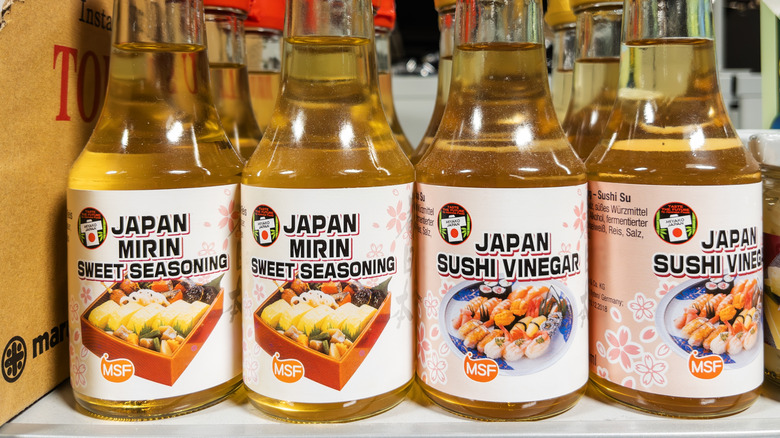
If rice vinegar is about balance through acidity, mirin is about balance through sweetness. But you would be mistaken in thinking that adding sweetness is all mirin is good for. This syrupy Japanese rice wine is made by fermenting mochi rice, koji rice, and rice liquor for anywhere between two months to a couple of years. And while mirin does have a distinctly higher sugar content than regular rice vinegar, it has complex layers that help soften more robust recipes.
A small amount can transform sauces and marinades, giving them a wonderful depth and umami character. Add it to pan sauces for fish or chicken, use it to pep up your breakfast scrambled eggs, or stir it into broths and stews to round out the flavor. Mirin also contributes to the texture of a dish. When cooked, it adds sheen, helping sauces cling lightly rather than slide off. For home cooks, the key to using mirin properly is moderation. Keep in mind that just because it's sweeter, mirin is not meant to replace sugar or honey. Choose a bottle with real ingredients and avoid overly sweet substitutes when possible. Once you understand how mirin works, it becomes an instinctive addition you'll wonder how you ever went without.
12. Japanese mayonnaise
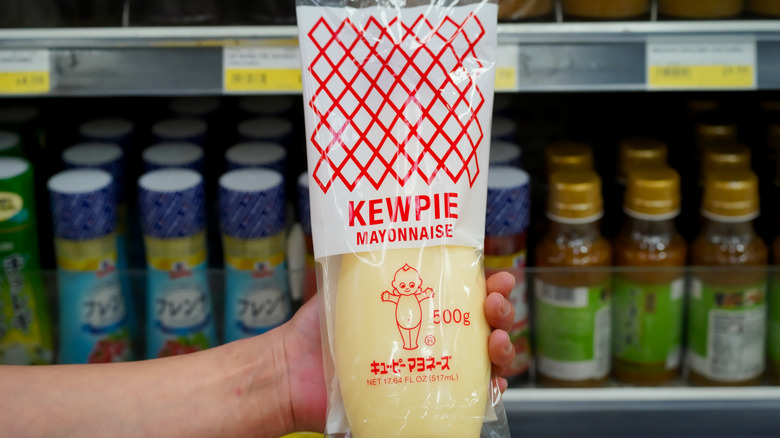
If you are one of those people who think mayo is just mayo, let us introduce you to Japanese mayonnaise. Richer, fluffier, and with a more rounded taste than most Western versions, Japanese mayonnaise is more an ingredient in its own right than just a condiment. Chef Seadon Shouse offers a glimpse into how it shows up in a professional kitchen, mentioning that mayonnaise and miso make for an enticing combination for the restaurant's mini lobster rolls. While he doesn't specify the brand, it's fair to assume he's referring to Japanese-style mayonnaise, the kind that emulsifies beautifully and carries other flavors without dulling them.
And in most kitchens, that means Kewpie. Made with egg yolks instead of whole eggs and seasoned with rice or cider vinegar, it has a deeper, silkier texture and an irresistible tang. Mix it with miso, as Shouse does, or stir in chili oil, yuzu kosho, or even a little soy sauce for an instant spread or dip. In everyday cooking, Japanese mayonnaise also works well with grilled vegetables or as a binder for salads and slaws. It browns beautifully, too — just brush it lightly on bread or proteins before baking to add color and flavor.