

Every Plant-Based Milk And The Best Ways To Use Them
We may receive a commission on purchases made from links.
To whoever came up with the idea of plant-based milk: thank you ... thank you very much. Though dairy-free alternatives to cow's milk may come off as pretentious to some, those of us with milk allergies, specific dietary needs, or who simply enjoy exploring culinary novelties know the beauty encompassed in these plant-based creations. And with so many modern-day milk options on the market, it truly is exciting to see what new varieties will be pumped out next.
Still, we'd be lying if we said choosing the best option for your needs isn't sometimes a challenge. From worries about nutrition to apprehensions pertaining to taste and texture, choosing the best plant-based milk can prove tricky.
Starting to feel a little stressed by it all? Don't worry — we're here to help. In the upcoming post, we're analyzing every plant-based milk option in an effort to shine a light on its pros, cons, and best uses. Be aware that the data, nutritional information, and opinions expressed in this article may vary; since plant-based milks differ dramatically between brands, you may have experiences with the upcoming plant-based milk options that are different than what we describe. With that out of the way, join us as we explore every plant-based milk and how best to use them.
Oat milk
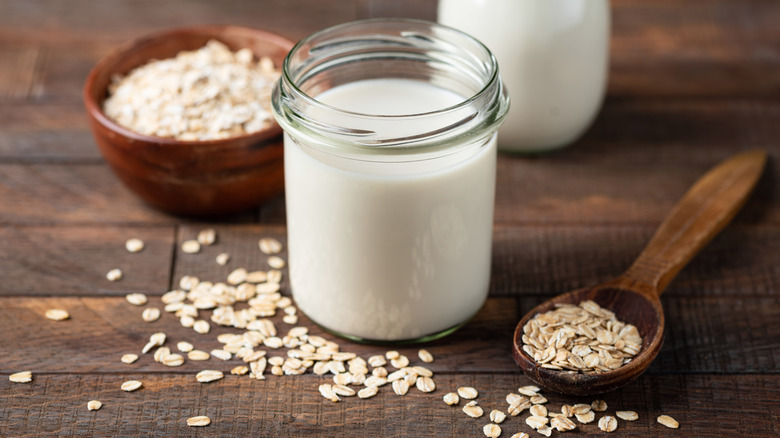
Many herald oat milk as one of the best plant-based milk options on the market, and it's no wonder why. This simple blend of oats and water is often smooth and creamy and tends to contain more fiber than other milk varieties, like cow and almond, though it should be noted that this beneficial quality often depends on the brand. Oat milk also tends to be heavier in the calorie and carbohydrate department than a few other plant-based options on the list — this means that if you're looking for a keto-friendly or low-calorie sip, you may wish to look to other non-dairy alternatives to get your fix.
Besides being delicious, oat milk has many uses; its neutral, creamy flavor make it a wonderful addition to virtually anything. That said, fans of oat milk are particularly fond of adding it to oatmeal and smoothies — its naturally rich consistency makes it a go-to when paired with fruit, peanut butter, and other delicious add-ins. Another common use for oat milk is as a replacement for dairy-containing cream in coffee — the texture of oat milk works to convert lattes and cappuccinos into a lusciously delicious treat.
Don't forget, it's totally possible to make oat milk at home if you're willing to put forth the extra effort. Simply blend oats in water for use in your favorite recipes, from baked goods to soups, and much, much more.
Potato milk
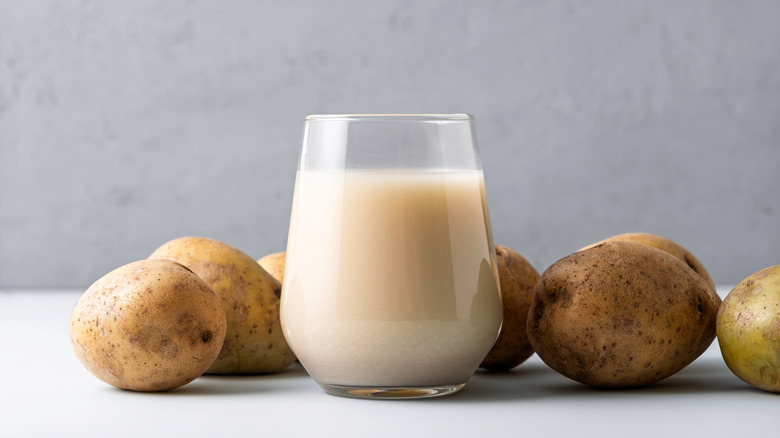
Potato milk? Yep, you read that correctly. Though not nearly as popular a plant-based milk option as some of the other non-dairy milk types on this list, potato milk is making a splash among some dairy-free fans, with a few noting specific health benefits that may make giving it a sample worthwhile.
Potato milk tends to be low in fat, calories, and sugar, making it an ideal pick for some with specific dietary needs. Like most plant-based milk options on this list, store-bought potato milk tends to be fortified, meaning it may contain vitamins and minerals such as calcium, vitamin D, and vitamin B12. Of course, how much of these nutrients you'll get will depend on the brand you purchase — as always, scan the label of your potato milk to ensure you're getting the nourishment you need. Don't feel like adding another item to your grocery list? No problem – potato milk can be made at home using just a few ingredients in addition to potatoes and water.
So, what do fans of plant-based milk really think of this hot new trend? According to what we read online, many are skeptical, but some claim it to have a pleasant full-bodied, creamy flavor. And while it's possible to use potato milk for white sauces, flatbreads, and mashed potatoes (duh), there are a few who claim it's best used in coffee. Interesting, right?
Hazelnut milk

You've likely heard of Nutella (and many other types of Nutella alternatives out there), but if you haven't yet heard of hazelnut milk, you're kinda late to the party. Though not as trendy as options like oat milk, fans of hazelnut milk insist it's worth sipping. This plant-based option tends to contain a good dose of healthy fats alongside a decent amount of vitamin D. Be aware that though some brands only contain hazelnuts and water, others may contain additives and/or gums. As always, be sure to read the label if these additions bother you.
Given its strong association with sweets, people often enjoy hazelnut milk in coffee and baked treats. Others like dousing it over crunchy granola, or have used it as a terrifically unique way to make hot chocolate even better. Just bear in mind that hazelnut milk, though delicious and versatile, may not offer as much calcium or other nutrients when compared against other fortified plant-based milk options — for that reason, you might need to be careful when choosing to consume hazelnut milk in place of cow milk on a consistent basis.
Macadamia nut milk

Like many other plant-based milks on the list, macadamia nut milk is made simply by blending the nuts with water. And though this dairy-free alternative may be a bit trickier to find in your local market, we've spotted a carton or two at our nearby grocer. Thankfully, there are certain varieties, like milkadamia Macadamia Milk, that are sold on Amazon as well.
Interestingly, macadamia nut milk tends to be lower in fat, calories, and protein than a few other milk types, especially when compared against whole dairy milk varieties. Nevertheless, we've found several fans of macadamia nut milk online pledging unwavering devotion to this low-fat plant-based milk; in fact, some are wondering how they ever went without it. We found one commentor on Reddit gushing over the milk, stating, "I'm going to guess I'm about ten years late to this party, but I tried macadamia milk today for the first time, and it was amazing. Closest to real milk taste, sweet and low on overpowering nut flavor. "
As for how to use it, its neutral yet subtly sweet taste is perfect for baking and even works brilliantly as a base for an utterly delicious macadamia-infused ice cream. Yes, please.
Coconut Milk

For many of you plant-based milk lovers, coconut milk needs no introduction — but we'll give one anyway, ya know, for the sake of consistency. Noted for its tropical flavor accentuated by its gorgeously rich and creamy texture, coconut milk is the go-to for full-bodied taste combined with full-fat qualities. Thai Kitchen Canned Coconut Milk which you can buy on Amazon, for example, has as much as 36 grams of fat, 33 grams of saturated fat, 360 calories, and under 3 grams of protein per cup. Some varieties sold in a carton feature stats that are much lower; one popular brand, SoDelicious Original Coconut Milk, contains only 70 calories and 4 ½ grams of fat per cup compared to whole milk's 150 calories and 8 grams of fat per cup.
Needless to say, the type of coconut milk you use, whether carton or canned, will make a difference in how you utilize it. Varieties featuring a lot of fat and calories are often best featured in dishes like rich coconut curry and coconut ice cream, while thinner, less fatty coconut milk options sold in cartons make for awesome alternatives to enjoy in piña coladas, lattes, or even on their own.
Of course, this is all assuming you enjoy the flavor of coconuts. Unlike other options on the list, coconut milk's taste is quite potent, so keep that in mind before purchasing.
Soy milk

Soy milk is another dairy-free milk alternative in high demand among plant-based milk fans, though there's no shortage of controversy surrounding it. From talk of it affecting hormones to potentially increasing the risk of cancer, it's understandable why some may wish to avoid it. Even so, soy milk tends to be low in fat, rich in riboflavin, and boast sundry nutrients when purchased fortified. It also may help reduce cholesterol levels, improve bone health, and even boost heart health.
So how is soy milk best used? Though its neutral flavor lends itself to use in a variety of recipes from baked goods to oatmeal, some have had the best success using it in Asian cuisine. Freshly-made tofu, soy milk hot pot – the world is your oyster.
Just keep in mind that different brands will produce soy milk that tastes different from one another. There are also various types you can purchase, including sweetened vanilla (like this 365 by Whole Foods Market Organic Vanilla Soy Beverage found on Amazon) and unsweetened plain. The type you purchase will of course affect what you use it for — for example, we wouldn't recommend using sweetened vanilla soy milk to whip up your next batch of dairy-free mashed potatoes. Just sayin'.
Cashew milk

If you love cashews as much as we do, you're probably intrigued by the idea of making these tasty little nuts into milk. We've found several online claims confirming that cashew milk is, in fact, the real deal — some fans on Reddit deem it one best plant-based milk options out there. In addition to its great taste, cashew milk possesses several nutritional benefits, including decent amounts of calcium and vitamin D found in fortified varieties.
As for the best uses for cashew milk, most folks state that it's best utilized in smoothies, soups, and baked goods. "I like to freeze bananas and strawberries, [and] throw them in the blender with cashew milk for ice cream," one Redditor states. Still, there are some who insist that cashew milk is more of an acquired taste with its thin texture and somewhat bland flavor — guess you'll need to try it for yourself to see which side you land on.
Hemp milk
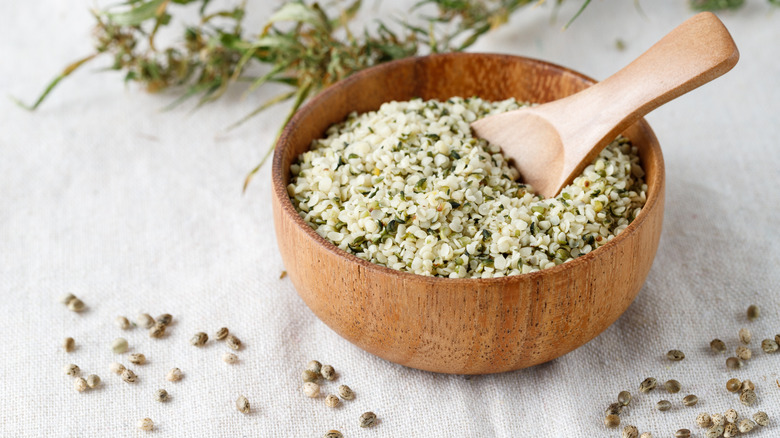
Never heard of hemp milk? Allow us to introduce you. Unsurprisingly, hemp milk is made by combining hemp seeds with water and yields a creamy consistency and earthy flavor. It serves as a good source of certain nutrients and provides a good dose of healthy fats, generally at around 4 to 5 grams per 1 cup serving.
In terms of how hemp milk can be utilized in the kitchen, let's just say, its flavor is such that it lends itself to fewer culinary options than some of the other plant-based milk grabs. Though many dairy-free milk alternatives mentioned thus far tend to fare well in coffees and teas, there are some who say hemp milk isn't the ideal choice for either. Instead, fans of the milk recommend hiding or blending it in with other dishes to help mask its taste, with soups and sauces, curries, and of course, smoothies, being your best bet.
Oh, and in case you're wondering, no, you cannot get "high" from consuming hemp milk. Though hemp does come from the same plant as marijuana, it's the flowers of the Cannabis sativa plant that tend to cause the high, not so much the seeds. Good to know, right?
Rice milk
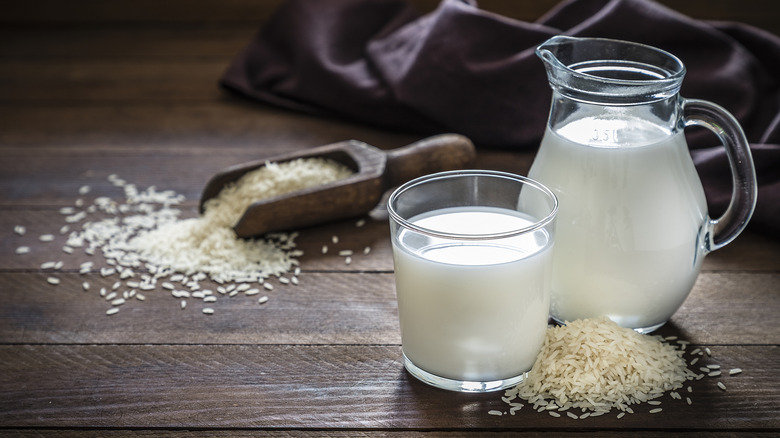
Rice milk has been around for ages — from use in hair to food, people have been enjoying the benefits of rice milk for centuries. Even so, rice milk still isn't as popular a milk option as cow's milk, at least not in the U.S., and for that reason, may remain unfamiliar to some.
In case you've never heard of it, rice milk is yet another dairy-free alternative that provides less fat and calories when compared to 1 cup of whole milk. Having said that, even fortified rice milk varieties will contain little to no protein yet may be chock full of carbohydrates, especially if you choose to enjoy the milk sweetened. As far as calcium goes, expect about 25% of your daily recommended value in 1 cup of fortified store-bought rice milk options like Rice Dream – but that, of course, can vary depending on the brand.
Though rice milk is totally usable in nearly any recipe that calls for milk — although it's not a good milk for frothy lattes – some find it to perform particularly well in rice pudding as well as for use in French toast. Overnight oats are another prime recipe that can benefit from the natural sweetness of rice milk – simply pour it over top of your oats and let it sit overnight for incredible taste without the use of dairy. Yum!
Pea milk
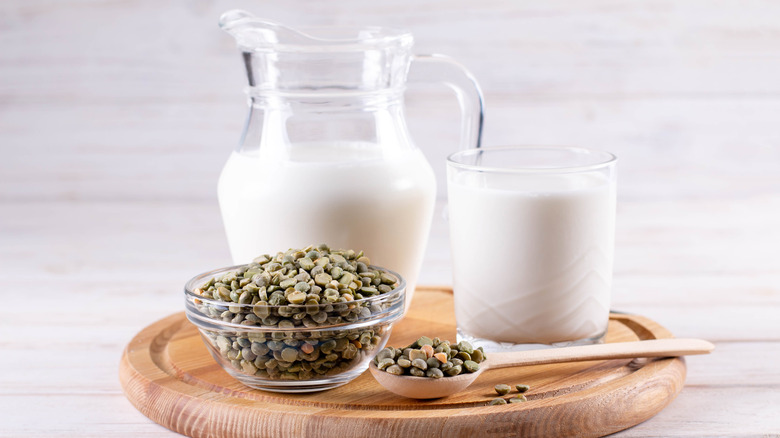
Strange as it sounds, pea milk is a totally viable way to achieve sustenance outside of traditional dairy milk –- unlike some options on the list, pea milk contains plenty of protein, with some varieties, like Ripple Original Pea Milk, containing as much as 8 grams of protein per cup. What's more is that fortified pea milk also comes stacked with an ample supply of nutrients, including 30% of your daily recommended value for calcium in some brands. It's also relatively low in fat and calories, making it an optimal choice in nearly every category.
In terms of flavor, most people agree that though the texture of pea milk can be chalky, the brand you go with can make all the difference. Because of its high protein content, pea milk makes for a great pre- or post-workout snack, especially when combined with other satisfying, protein-containing ingredients in a supercharged workout smoothie. Looking for even more ideas? According to fans, pea milk performs well in rice pudding and more, and produces no ill effects when heated.
Despite all of its benefits, you may or may not enjoy its flavor when consumed plain — though some don't seem to mind it; others claim it's gross when sipped on its own.
Almond milk
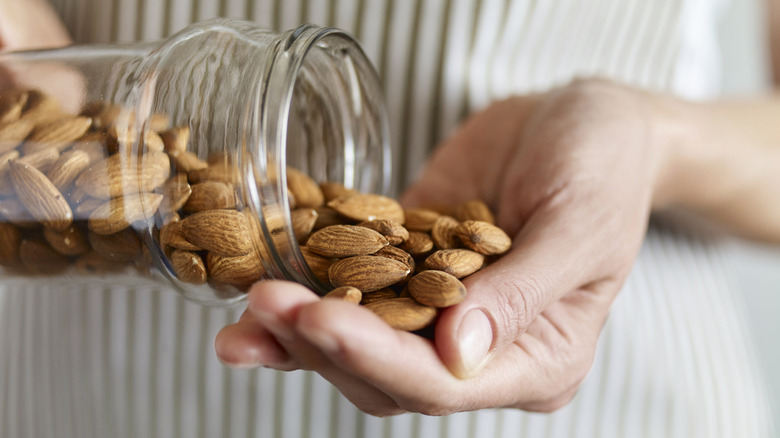
Almond milk is one of the most popular non-dairy plant-based milks on the market — even our fridge is chock full of it. Almond milk is often noted for its nutty flavor, though certain brands differ in terms of how potent that nutty taste will be. In our experience, your thicker, creamier almond milk varieties come in refrigerated cartons — shelf-stable options found in the dry goods section of most markets (or even on Amazon, like this Silk Unsweetened Vanilla Almond Milk) tend to be waterier and more potent-tasting.
As far as almond milk's nutritional profile goes, expect higher amounts of vitamin E — it's usually also low in carbohydrates and fat, and is often fortified with calcium at up to 35% of your daily recommended value in some cases. That said, what almond milk is best used for will depend on your tolerance for the flavor of the drink; though some may think it neutral enough to use in soups, sauces, and mashed potatoes, others may balk at its nutty taste, especially when using shelf-stable almond milk varieties.
Our recommendation? Use almond milk in recipes that you wouldn't mind adding natural almond flavor — oatmeal, cold cereal, and coffee are great places to start. Actually, one of our favorite favorite store-bought vanilla creamers features almond milk as its base, proving how useful this plant-based milk can be when used as a dairy-free milk alternative.
Flax milk

Unlike almond milk, flax milk, made of flax seeds and water, isn't as readily available in most markets. Don't underestimate it, though — despite not being as popular as other plant-based milks, flax milk has specific benefits that make it worth a try. Starting with its most obvious benefit, flax seeds are known for being a great source of omega-3 fatty acids. These acids support the cells in your body and can be very beneficial to heart health. The benefits of flax milk don't stop there — some store-bought varieties, such as Good Karma Unsweetened Flax Milk, are fortified to contain protein, usually in the form of pea protein.
One of the best attributes of flax milk is that it has a neutral flavor compared to other stronger-tasting plant-based milk options; because of this, many report being able to use it in both sweet and savory dishes. The addition of omega-3 fatty acids in the milk add to its appeal — just know that when heating or adding flax milk to coffee it may separate, leading to an unappetizing appearance. Instead, aim to use flax milk when baking or in other dishes where its separation might not matter as much — if you care.
Pistachio milk

If you're a fan of pistachios, you have to try pistachio milk. No, it isn't as easily found in local supermarkets (at least not those near us), but if you're able to purchase a carton of Táche Unsweetened Barista Pistachio Milk or something similar online, do it.
Pistachio milk that has been fortified often contains a good amount of calcium (around 20%) along with a small amount of other nutrients, depending on the brand. It's a popular pick among pistachio-loving fans – people insist this milk actually tastes like the nut, making it a prime choice for anyone who truly loves the flavor of pistachios.
Another pistachio milk perk? Apparently, it holds up well in coffee, making it a go-to when it comes to flavoring and creaming brews. Similar to almond milk, you'll want to keep the flavor of pistachio milk in mind before adding it to certain foods and beverages — oatmeal, hot chocolate, cereal, and pudding are prime candidates for infusing with its delicious nutty flavor.