

12 Signs You Are In A Good Bakery
Everyone wants to be the next internet sensation, but few are willing to do the unglamorous, deeply technical work that will actually get them there. Lines out the door, and earned accolades come down to dozens of moving parts working together: baking schedules that run all day, fermentation that refuses to be rushed, well-trained staff who care, coffee brewed properly, fair pricing, spotless spaces, and relentless quality control.
For this piece, I spoke with two chefs who truly understand how to create this magic: Chef Inês Neves of MiBa Bakery in Porto, Portugal, and Chef Odette D'Aniello, founder and CEO of Celebrity Gourmet Ventures Inc., home to Celebrity Cake Studio and Dragonfly Cakes. As a former café owner and baker myself, these conversations felt very close to home.
What these two women share goes beyond aesthetics or trends. They offer a clear-eyed look at the discipline and intention required to run not just a successful bakery, but a genuinely great one — the kind of space that earns loyalty, admiration, and repeat customers. We've seen these same patterns across our roundup of the best bakeries in every U.S. state — places that consistently get the fundamentals right, day after day. Let their insights be your checklist as you work out why some bakeries linger in your memory long after the last crumb is over.
Freshly baked goods never look tired
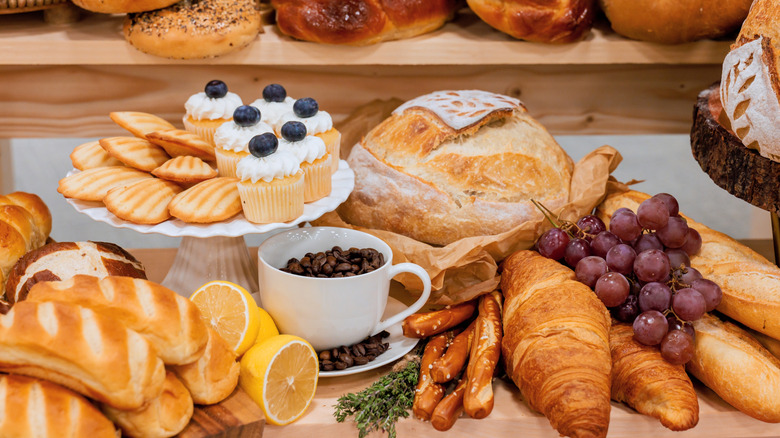
Your eyes will be the first to tell you that you're in a good bakery. Have a glance at the display, and you will see if the baked goods look tired. Whether it's a croissant or a loaf of bread, it shouldn't look slumped or defeated or, worse still, sweaty or shrunken. As Chef Inês puts it, "If the crust still crackles a bit, the inside feels bouncy, and nothing looks tired or soggy, you're probably holding something fresh. Fresh pastries look alive — flaky, crisp, not sad."
The word "alive" comes up often when our experts discuss freshness in a bakery. "When you get really familiar with baked goods, the fresh ones you'll recognize as looking alive," says Chef Odette. Fresh pastries hold their shape. Their layers are visible and distinct, not flattened by condensation or time. "Color tells you a lot, too: The caramelization on the surface should be even and golden, not pale or grey." The edges of a fresh pastry should be sharp and defined, and if there is a fruit filling, it should not be bleeding color or seeping from the center, as that's definitely a sign of a stale item. As Chef Odette explains it, even a day-old pastry will slowly pull inward, losing that clean outline.
Here's the reassuring part: Small imperfections are a good sign. Real bakeries don't produce clones. Slight variations in shape, height, or browning signal human hands, not factory settings.
There's a line out the door
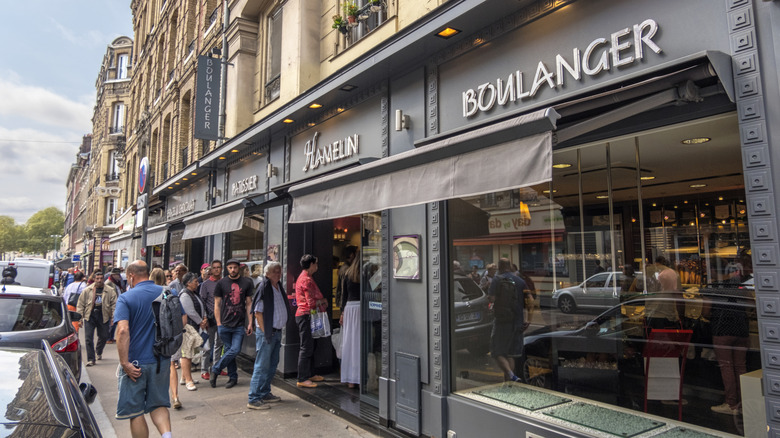
Sure, some bakeries are overhyped, and have become social media stars, but don't be put off by the buzz. A line outside a bakery might just be the most glaring sign of excellence. People don't queue for pastries, day after day, unless what's inside is worth waiting for. Regulars return because they appreciate the freshly baked bread or the authentic ingredients used to create products that look and taste like they were made with care.
That attention is visible long before the first bite. As Chef Odette explains, "Artisanal goods show the human hand. You'll see imperfectly perfect shapes, natural variations in color, and clear signs that real butter and real fruit were used." Compare that to factory baking, where dozens of a single item look exactly the same. "Mass-produced items tend to look uniform to the point of sterility," Chef Odette notes. That kind of precision doesn't signal skill, but is rather a sign of automation. And customers recognize the difference.
When something is made from scratch, fruit looks like fruit, and chocolate smells like chocolate. These are the little things that keep people returning to satisfy their cravings. Once a bakery has captivated its audience with authenticity, and commitment, its work does the talking, and fans respond with a line out the door.
The bakery smells inviting
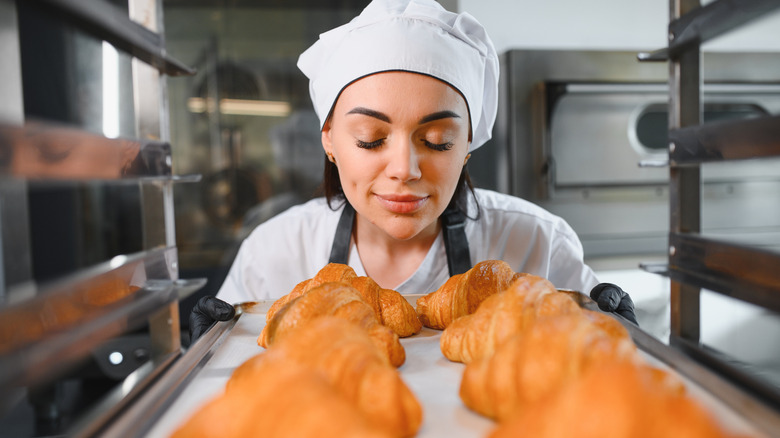
You've finally made it past the line, and you're stepping into the bakery. What's the first thing you notice? Odds are, if it's a good bakery, it's the warm, comforting fragrance that makes you pause. Whether it's the nostalgic scent of freshly baked cookies or the intoxicating aroma of warm bread, you instinctively take a deeper breath.
As Chef Odette describes it: "You should smell butter, toasted flour, vanilla, maybe caramelized sugar or fresh fruit cooking down — no overwhelming, perfume-like sweetness." Great bakeries let real ingredients speak at their natural volume, even if it's quiet. There's no lingering staleness, no clash of old and new aromas — just clean air carrying the fresh scent of baking. What's more, a bakery that smells clean usually is clean. "External presentation hints at the workings in production," Chef Odette points out. When the front of house is tidy and calm, it's often because the back of house is organized, too.
Chef Inês echoes this desire for sensory honesty, saying that a great bakery smells "like warm bread, butter, freshly cooked mushrooms, and a bit of fermentation magic. Just that cozy, honest bakery smell that makes you hungry instantly, and wondering what's cooking."
The breads are baked throughout the day
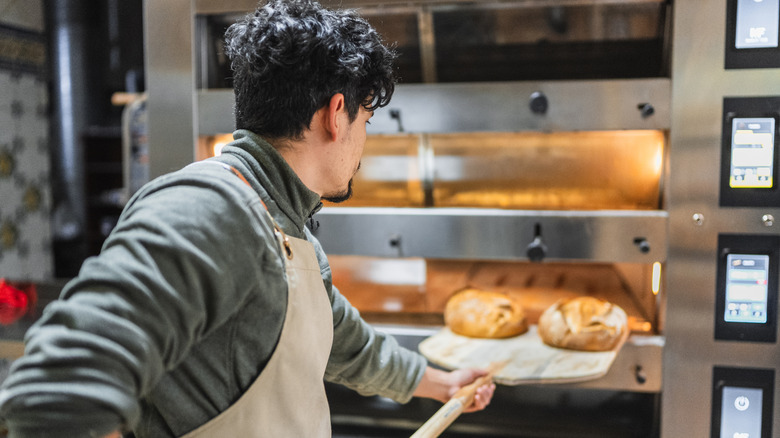
At any bakery, bread is often the main attraction. But at any good bakery, bread isn't just a one-and-done event. Fresh loaves appear in cycles throughout the day, rather than all at once. This rhythm is the result of a mastered workflow, and a deep respect for the fermentation process.
Chef Odette says she always looks for signs of this workflow. "You'll see cooling racks used properly, doughs resting instead of being rushed, and bakers who move with calm, practiced rhythms." In busy bakeries, this matters even more, with the practiced dance rooted in understanding how dough behaves. Chef Odette explains, properly fermented dough sits in a sweet spot. "The dough should feel pillowy, hold its shape without collapsing, and show a smooth, slightly domed surface." Press it gently, and "it should spring back slowly — not snap back tight or deflate."
Chef Inês describes the same compelling creation in simpler terms: "It's puffy, bouncy, and smells pleasantly tangy. It holds its shape but feels alive, not dense or collapsed." Baking throughout the day allows bread to be sold at its peak, not hours past it. It also tells you something about the bakery's priorities, and maybe hints at the reason why homemade breads is never as fluffy as a bakery's. A good bakery is primed for quality rather than speed or shelf life, which allows you to be part of a system that respects an age-old craft.
The croissants are layered and light
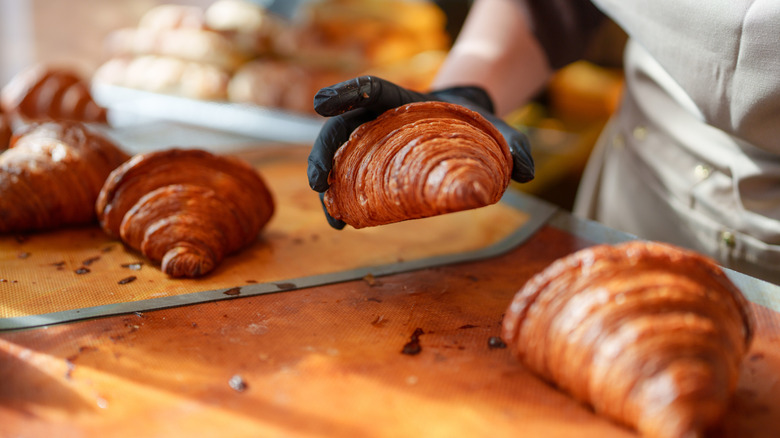
What's the next crowd pleaser at a bakery? Apart from bread, people usually gravitate toward croissants. A quality croissant tells the truth the moment you pick it up — and even before that, you can see its greatness in its definition. "You should see clean, distinct layers," Chef Odette explains. Tear one open, and "the inside should reveal a honeycomb structure with air pockets that look intentional, not random." This honeycomb isn't decorative, but the result of precise lamination, proper fermentation, and a whole lot of patience.
As Chef Inês describes the final result, "It looks like a human made it. Not perfectly identical clones, but beautifully imperfect. You can usually see and smell the better ingredients." She goes on to reference the payoff more viscerally: "Light, flaky, crispy, and full of layers. When you break it, it showers crumbs everywhere." In fact, she jokes that "we have to keep constantly cleaning the tables and floor due to this kind of freshness." The mess is a good sign. A croissant that doesn't shed crumbs is usually one that's been compressed or overworked. Put more simply, a croissant without flaky layers isn't even a real croissant, and we don't want that sort of trickery in our lives.
The display is clean and organized

If you are looking for an outward sign of a bakery's standards, look no further than its display case. As Chef Odette puts it, "You can tell a lot by how the bakery treats its display case; it's the equivalent of a chef's whites." As the bakery's primary presentation, the glass case reveals how seriously the team takes its craft.
In a good bakery, every detail feels intentional, as cleanliness shows up in the small things. Chef Odette states, "Everything should be tidy and well organized ... arranged in a way that maximizes efficiency for the team behind the counter, and all the glass should be clean." She emphasizes, "Any crumb piles or dirt build up shows a lack of care about the details, and the details matter greatly in anything related to baking." This kind of organization isn't about impressing customers with neatness; it's about creating a system that allows staff to move smoothly, serve quickly, and keep products at their best during busy hours.
Chef Inês notices the same discipline in action, listing "clean tools, staff using tongs, constantly cleaning counters," as priorities, along with "pastries well organized and not piled like firewood." Good bakeries respect their products enough to give them space. Nothing is squashed, stacked haphazardly, or handled carelessly. Ultimately, a clean, organized display means the production behind the scenes is in control as well.
Cakes that hold their own
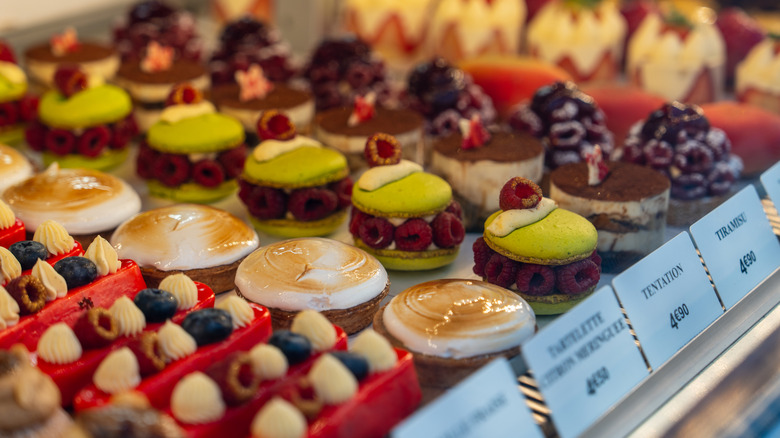
When it comes to cakes in a bakery, we stand by Chef Inês, who believes the goal isn't perfection, but intention. When asked to describe the signs of a well-crafted cake, she lists, "Even layers, smooth frosting, no dry edges. Even though some cakes can look a bit uneven, the cake should look like someone cared, and made it with love." That care can show up in little things like frosting that doesn't hide flaws or smother the cake, or color that is used intentionally yet sparingly.
Cakes are where any lack of technique or attention are hardest to hide. A good cake stands confidently on its own, ready to pass the test that comes when it's cut into. As Chef Odette puts it, "It should stand tall without leaning or bulging. Cut slices reveal the truth: tight, moist crumb; consistent layering; and a frosting that's smooth, stable, and not overloaded with food dyes." Well-made cakes also age honestly. They don't weep at the edges, crack under their own weight, or dry out prematurely. That stability comes from good ingredients, correct ratios, and proper cooling, and storage.
Staff who know and love the products on offer
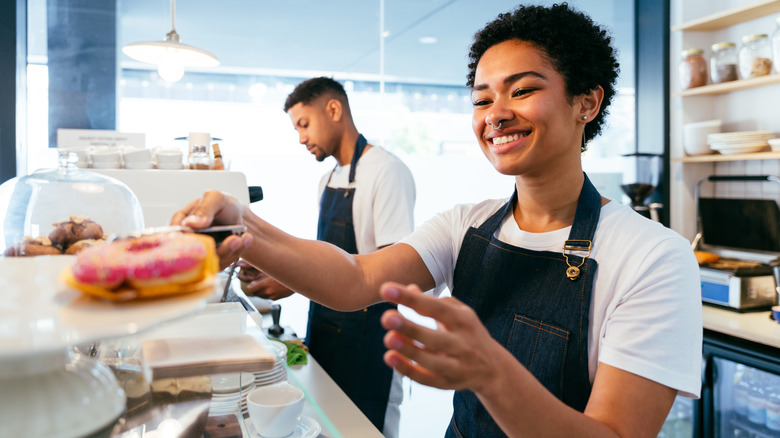
The place smells amazing, the breads look divine, and the floor looks clean enough to eat off of, but what about the staff? Don't discount the way in which employees talk about their bakery's offerings. In a good bakery, the people behind the counter don't just recite the menu. Instead, they stand by what they're selling. Chef Odette elaborates, "Well-trained staff don't just conceptually know the products made and sold in a bakery. They have a deep understanding of the products, how they taste, their application, and how they're made."
She goes on to say that, when comparing staff who are good at what they do to employees who are merely going through the motions, the telltale signs are how well they know the products, and how they speak to the quality of those products. She recommends looking for a bakery whose team members "are comfortable enough to form their own opinions about what they like, and can make informed recommendations based on a customer's wants and needs." This educated confidence doesn't occur by accident. Chef Odette makes it a priority to have everyone on her team taste the products they create, in order to describe them honestly.
Chef Inês also notices the service at a great bakery, adding, "They actually know what they're talking about. They can tell you what's new, what's fresh out of the oven, what has sourdough, what's nut-free. And they serve things gently, and with a smile."
Drinks prepared with as much care and attention as the pastries

The beverages are an important component of the entire bakery experience, and are often the most noticeable red flags at a bad coffee shop. At Miba Bakery, Chef Inês emphasizes the need for "Freshly ground coffee, decent espresso shots, milk steamed properly, and drinks that taste balanced instead of burnt or watery. Nothing too fancy, just done right."
As Chef Odette puts it, "A good bakery treats drinks as part of the craft, not an afterthought." Coffee is usually the clearest signal; it should be freshly ground, never burnt, and enhanced by — not overpowered by — additions like cream or flavored syrup. Premium teas can be loose leaf or in sachets from trusted sources, and hot chocolate must taste like real ingredients, not powder from a packet. In general, while the drinks might not be a bakery's primary draw, their quality tends to reflect how the establishment approaches everything else. In my experience, bakeries that care about its drinks tend to care about the overall ecosystem of excellence. They are scrupulous about the small elements that add up to the overall experience. From cleaning their machines to training their staff, consistency is impressed upon — and it shows.
Popular items frequently sell out
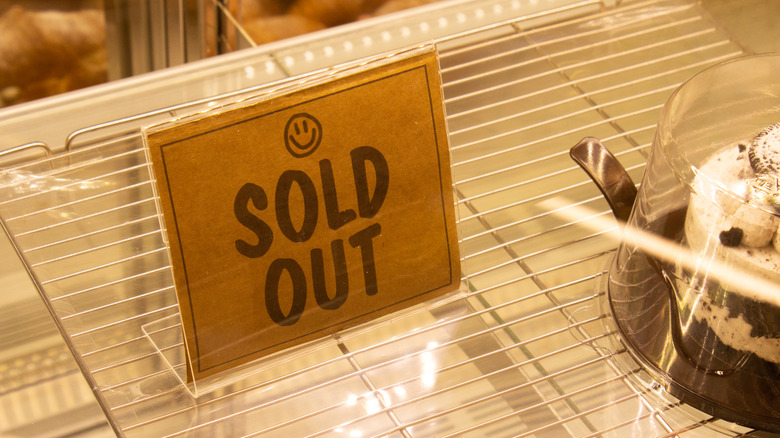
Great bakeries bake for quality, not to excess. Instead of overproducing, and hoping everything moves, they make thoughtful amounts, let fermentation run its course, and accept that when something's gone, it's gone. And it often works out because, as Chef Inês points out, "They bake throughout the day, not just once. You see a small but solid selection."
You can generally trust that a limited range is intentional. Fewer items translates to better focus, tighter execution, and fresher results. It's also why the bread has personality, Chef Inês says, versus mass-market neutrality designed to last all day on a shelf. You'll often notice that staff speak about dough with a kind of respect. "They talk about dough like it's a living creature, because it is," she explains. Fermentation dictates the schedule, not the clock. That mindset makes shortcuts impossible. Good bakeries don't rush production just to keep shelves full. Instead, they allow things to take the time they need to.
Of course, this can result in a bakery selling out before the day is done. While this may be frustrating for eager customers, it can also be a sign that you are onto something good. In my experience, the best bakeries take empty trays in stride. And as they start on the next baking cycle, their savvy customers learn to arrive earlier to make sure they get a share of what they know is worth waiting for.
Prices that make sense for the quality
Price is often the most misunderstood signal in a bakery. Many people equate good value with low cost, but in baking, unusually low prices almost always come at a cost — just not one you see on the menu. Chef Odette breaks it down for us: "Pricing that reflects the true cost of ingredients and labor is actually a good sign. If something costs surprisingly little, it almost always means cheaper fats, artificial flavors, stabilizers, or automated production."
Chef Inês puts it even more plainly: "If a croissant is super cheap, something's missing, usually butter." Real butter is expensive, and so is good chocolate, peak-season fruit, high-quality dairy, and the labor required to turn those ingredients into something worth eating. When you consider all of that, it's easy to agree with Chef Inês' opinion that "slightly higher prices often mean they're not cutting corners."
Chef Odette adds, "A bakery that's committed to craftsmanship charges fairly so they can pay staff well, and source mindfully in line with their quality and ethics." When higher prices support higher standards, and skill, they're worth every penny.
Seasonal specials and creative rotations
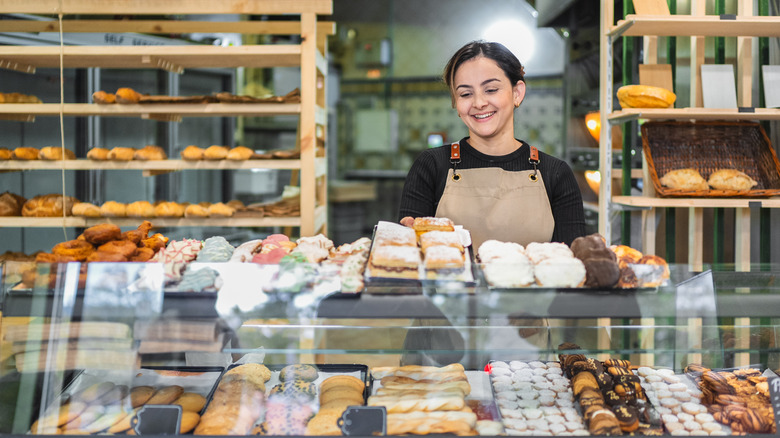
One last, clear sign that you're in a truly good bakery is that the menu changes — not constantly, and not without focus, but in response to the seasons. Great bakeries rarely cling to the same flavors year-round; they rotate menus and specials with intention, in order to highlight the ingredients that are at their best right at any given moment.
Chef Odette says that one of her insider tips is to look at a bakery's fruit, as fresh fruit tells the truth quickly. It demands care. "The best bakers use fresh fruit that hasn't been drowned in syrup or dye. When you spot real berries, citrus zest, or fruit cooked down in-house, you know you're in the right place! Fresh fruit has to be bought frequently, and observed carefully for imperfection." Adding syrup or another sweetener to preserve it will prolong the shelf life, but it just won't taste the same.
Seasonal rotation also reveals ingredient values. When you see curds made from scratch, or an obvious understanding of when fruit is in season, it tells you that the bakery in question is prioritizing flavor over convenience. Creative rotations also give bakers room to experiment, and customers a reason to return. It's good business, and the result is immediate. As Chef Inês says, when a baker has taken the time to learn these things, and really care about the ingredients, "You will taste the difference right away."