

The Biggest Mistakes People Make With Plastic Wrap
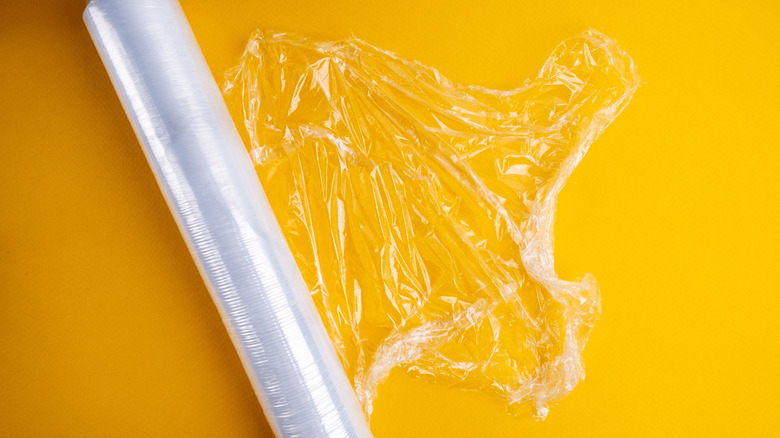
Ah, plastic wrap, the item light as air, which the slightest, unfortunately timed breeze can cause to cling together into a clear, crinkled ball. It sits waiting to be used in countless kitchens across the world, ready to spring into action whenever an air-tight seal is needed. It's used for keeping baked goods safe during travel, for storing leftovers after mealtimes, or for protecting your cake from freezer burn. Even Ina Garten uses plastic wrap, in conjunction with a handy plastic wrap dispenser. So it might surprise you to know that this invention, which has so many clever uses, was not only stumbled upon by accident, but was first meant for a completely different purpose.
Plastic wrap was created by accident in 1933, when Ralph Wiley, a worker at the Dow Chemical laboratory, was struggling to clean out used beakers. The stubborn substance found inside the beaker was eventually turned into a spray by the company, used to keep fighter planes protected against sea salt when flying over oceans, and to help preserve the upholstery of cars. In 1949, the product was dubbed Saran Wrap and sold commercially.
It wasn't until 1953 that Saran Wrap was finally marketed for household kitchen use, the first of many plastic wraps available to the public, and the start of the relationship with the silent kitchen companion known in the current day. As common as plastic wrap is in the kitchen nowadays, the mistakes made with this tool are just as popular — and some might surprise even the most familiar users.
Popping it into the microwave before checking if it's safe
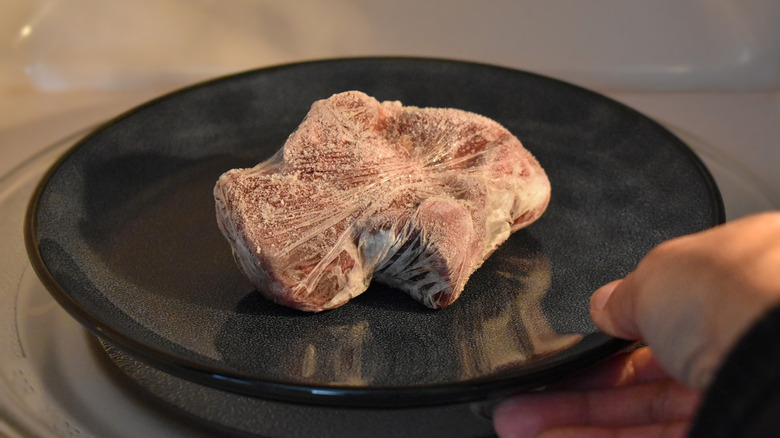
No one wants a giant spray of food splatter running along the walls of their microwave, which is why it's common to cover the top of food when preheating. Plastic wrap can seem like a great option for this since it's already hanging around the kitchen, right up there along with paper towels. Before you grab that nifty roll, though, you might want to pause and check the side of the box for any mention of being microwavable. Not all plastic wrap can be safely used in the microwave, and if unsafe plastic wrap is tossed in without a second thought, it could cause unpleasant results.
Understanding how both microwaves work and the chemical properties of plastic wrap will help consumers understand why not all plastic wrap is considered microwave safe. Microwaves heat food by producing electromagnetic waves, which work with the water content of a food to create heat, a process that often creates steam. Although this does not directly affect the plastic wrap, the steam that is created within this process is what can cause the plastic wrap to malfunction by melting or even releasing chemicals into the food. When cookware is marked as safe for the microwave, it means it has been tested and meets the requirements laid out by the U.S. Food and Drug Administration for withstanding the temperatures of a microwave without melting, losing form, or releasing chemicals into the food underneath.
Forgetting to follow microwave food guidelines
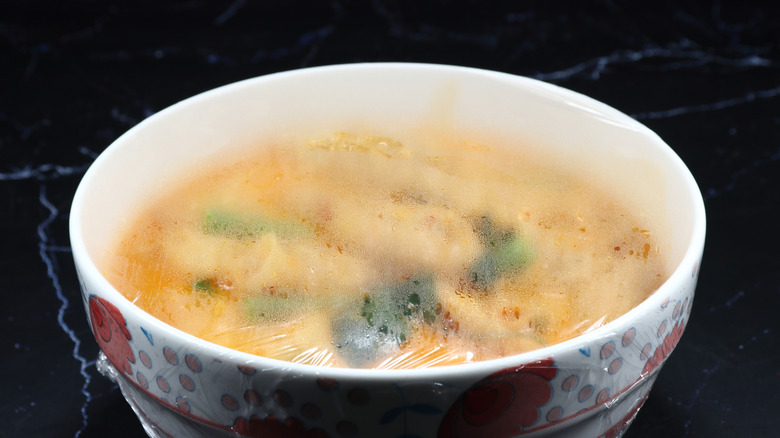
Even if the box has been checked, and that little symbol of an icon of a microwave or wavy lines is found, it's not quite time to chuck that bowl of plastic-wrapped food into the microwave just yet. There are still some guidelines that you will want to follow to ensure food safety, and some of them may not be as obvious as others. The last thing you want to watch when you're hungry is the delicious meal you've been saving explode all over your microwave, simply because you got a little too hasty.
The first consideration is that creating ventilation in the airtight seal will help avoid any issues with pressure buildup. A vent can be created by either poking a hole into the top of the plastic, or by rolling black the plastic on one side slightly, to release the steam which will be created within the sealed container from the heat.
The space between the food and the plastic should also be checked, as direct contact between the two is not recommended. Instead, there should be 2 to 3 inches of space between them, which is easily achieved when using a bowl with the right depth. A couple of other safety considerations are keeping the microwave power setting medium or medium-high, and caution when heating food high in sugars or fats, as they often heat faster than other foods.
Using plastic wrap in the oven

Although it might make some people flinch as the topic is controversial, plastic wrap can actually go in the oven, but only at very low temperatures; in fact, food-grade plastic wrap is often used when heating dishes in restaurants. The problem with this, though, is that typically people cook at oven temperatures much higher than this, and high temperatures and plastic wrap do not mix.
Plastic wrap typically melts between the temperatures of 220 degrees Fahrenheit and 250 degrees Fahrenheit, and even using plastic wrap in conjunction with aluminum foil at high temperatures does not guarantee that it will be oven safe. The fallout from placing the wrap in the oven at temperatures higher than specified can range from having it melt into your food to releasing harmful chemicals. It could even catch on fire at high temperatures, which would definitely put some kinks into your dinner plans.
As opposed to taking your chances with mixing plastic wrap and high heat, there are several oven-safe alternatives to try. Oven bags are a common option, which are made from either nylon or food-grade plastic. They are designed specially for this situation and have the ability to handle high levels of heat without issue. Some other options are aluminum foil or parchment paper, which are both considered oven-safe.
Tossing plastic wrap into the blue bin
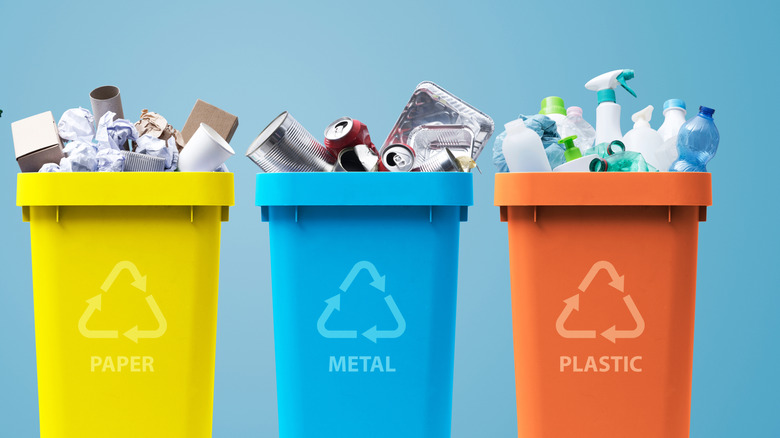
Yes, plastic wrap, as the name would lead one to believe, is created from a type of plastic. And yes, plastic is generally considered recyclable. However, most plastic bags, wraps, and films are not accepted in the U.S. by curbside pickup and so should not be thrown into the recycling bin. Checking the rules of your state will help clarify how to dispose of your plastic wrap. Some states have something called Store Drop-Off Recycling, where certain retail stores have specific collection bins for these items. There are several websites that provide lists of the drop-off locations within the country, making this process straightforward.
The reason why plastic wrap cannot be recycled is not simply because the curbside recycling program is being picky. It's because the physical properties of plastic wrap, the same ones that make it so great as a kitchen product, can actually bring the recycling production line to a stop because it is so incompatible with the process. The clinginess and stretchiness of the plastic wrap cause it to get tangled within recycling machines, creating blockages at times. For this reason, specialized equipment is needed to effectively recycle plastic wrap. So do your local recycling program a favor, and before tossing it into the blue bin, check the requirements for recycling plastic in your city.
Selecting the wrong plastic wrap for the food
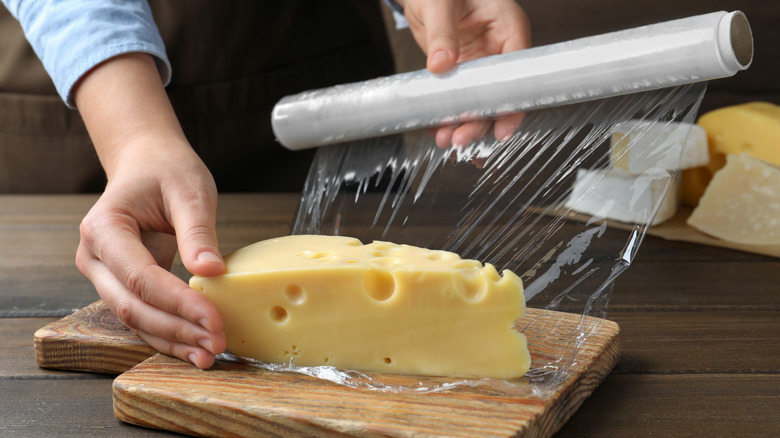
Different plastic wrap types might look and feel the same, but not all plastic wraps have the same capabilities. Some plastic wraps are made with PVC, which makes them unsuitable for storing fatty or oily foods, similar to how there are types of food to avoid storing in plastic containers. If used, this can cause chemicals by the name of plasticizers to seep into the food, which you would potentially then ingest, a mistake which no one wants to make health-wise. This can then cause concerning health effects, such as interference with hormone levels, an outcome that few people would expect from something as simple as wrapping up a block of cheese. Foods high in oil can decrease the effectiveness of the air-tight seal around the plastic wrap, shortening the life of the product.
With these factors in mind, there are a few tricks that can be used to still effectively store these foods. If a plastic wrap is the only option on hand, parchment paper can be placed as a layer between the food and the plastic wrap to avoid direct contact. Other ways of preservation can also be considered, such as glass containers. When shopping for plastic wrap with the intention of storing these foods, the best way to avoid this issue is to search for a product that specifies it can be used in this way on the box.
Storing plastic wrap in the drawer

Many households store plastic wrap in the kitchen drawer, alongside other useful tools for cooking and baking, such as parchment paper and aluminum foil. While this method of storage makes perfect sense, it turns out that there is actually a better way to store your plastic wrap. It solves the widespread dilemma of when the clinginess of plastic wrap starts to work against you, sticking together right in the middle of trying to cover your food. You could copy how Gordon Ramsay keeps plastic wrap from sticking, by adding water to the plastic to neutralize it momentarily. Or you could try another easy solution to this problem: putting it into the freezer.
This method works for two reasons. The first relates to plastic wrap created from polythylene specifically, which features sticky polymer molecules that add to the plastic wrap's clingy abilities. When these molecules meet cold temperatures, they do not interact the same way, which causes the stickiness to fade while cold. The second reason is due to the cold air lowering the amount of static electricity. After taking the roll out of the freezer, these effects will make it far easier to wrap that bowl of leftover pasta without fighting with the plastic as it tries to stick or cling to itself, making for a smoother wrapping process. If you're low on freezer space, never fear! Just put the plastic wrap in the freezer approximately 15 minutes before using it, which should do the trick.
Struggling to find the beginning of the plastic wrap

This is something that most people can identify with. Similar to when using a roll of see-through tape, finding the end of the roll of plastic wrap can sometimes feel akin to getting a root canal. The clearness of the plastic certainly has its perks, but it can feel like it's working against you when trying to find the end of the roll. Never fear, you won't be doomed to struggling with this forever. There is actually a very easy trick that can be used to make this process quick and painless and avoid this frustrating mistake.
All you need to do is twist the end of the plastic wrap after enough has been unrolled before cutting the end from the roll. Leaving it twisted makes finding the end of the roll pop out easily, as you can immediately see the rolled portion pop out. Now, let's address the other problem with this. If you've forgotten to twist it and need to find the end of the wrap in a pinch, cutting a piece of scotch tape and placing it around the wrap, then pulling it off can save some frustration. It will pull the end of the roll enough for you to see it and grab onto.
Not using a slide cutter
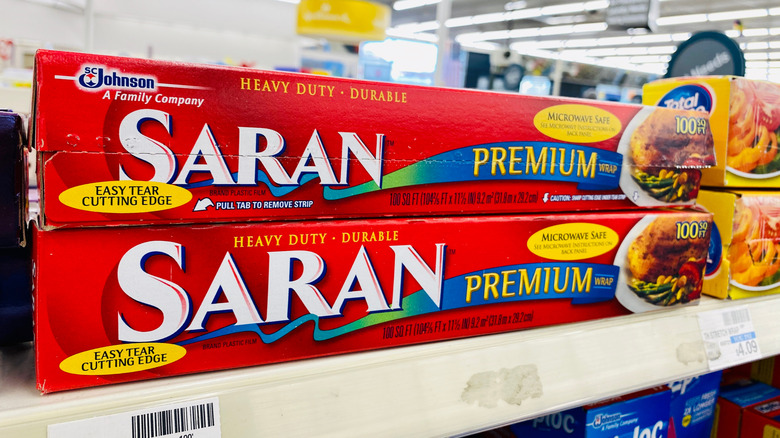
Nearly everyone has been through one variation of this nightmare or another. You're standing in your kitchen, attempting to use the small blade on the side of the box to cut your plastic wrap. Disaster strikes, and the serrated blade is not cooperating. Suddenly, the plastic wrap is torn into a misshapen mess, the end in tatters similar to your plastic wrapping dreams. Or perhaps your hand has slipped, and now there is a small cut on your finger from the blade. There is a tool that can help you avoid both of these mistakes, and it is called a slide cutter.
The slide cutter has a safety covering over the blade, which is pushed across the wrap, effectively cutting the plastic without bunching or skipping a portion, and comes in many forms. Some of them actually come on the side of the box already, ready and waiting for you to use. But if you have purchased a box of plastic wrap and it did not come with a slide cutter, there is no need to run out in search of a box with one on the side. Slide cutters can also be purchased individually, usually coming with multiple in a pack. They are then stuck onto the plastic wrap box with adhesive, working in the same way as the ones already attached.
Not using enough plastic wrap to properly seal the food
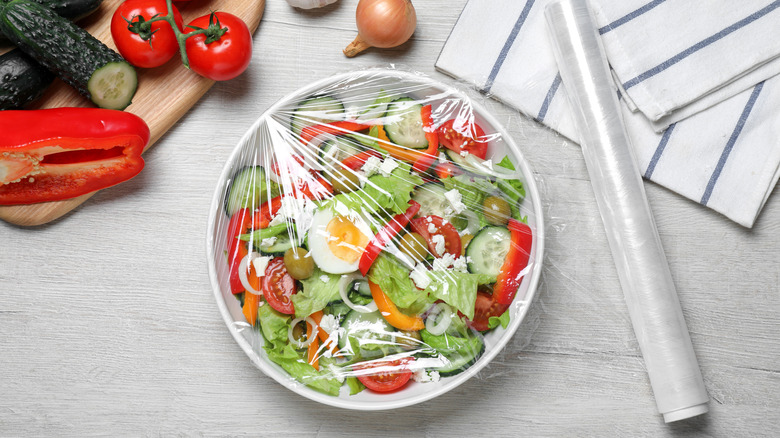
The reason why plastic wrap is so effective is that it can be used to create an airtight seal around food items, delaying air and moisture from causing them to spoil. Now, saying this, plastic wrap only works in this way if the food is wrapped properly. Often, people just wrap the plastic around the top of the food, which sometimes does not provide a true seal and can lead to spoiled food if left for long periods. There are several methods of wrapping which are sure to provide the proper seal, one being a technique called cater wrapping, which is even taught as a technique in some cooking schools.
Cater wrapping involves pulling double the amount of plastic wrap from the spool, placing the bowl or plate on top, and then wrapping the plastic wrap over the top tightly, tucking the end either underneath the dishware, and then pulling the other side tight over the top. This method ensures an air-tight seal, but also has added benefits. The wrap is so tight that other dishware or items can be stacked on it without affecting the plastic wrap, and this technique also bypasses any opportunity for spillage, which the flimsy seal created by just placing it around the top would pose.
Assuming all plastic wraps perform the same
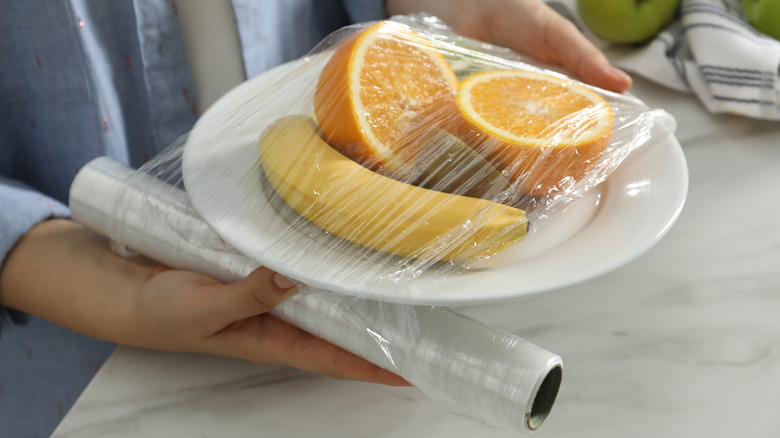
Plastic wraps from different brands may all look very similar, with them all being clear and sold in similar packaging, but it might surprise you to know that not all plastic wrap performs the same. When plastic wrap is created from certain ingredients, it affects the features of the product, like the stickiness and stretch. Of the three ingredients that plastic wrap can be made out of, those created from plastics such as polyvinyl chloride (PVC) or polyvinylidene chloride (PVdC) tend to outshine those created with low-density polyethylene (LDPE) in these two departments.
Wrap created from PVC or PVdC is considered to be the more clingy when compared, becoming a stronger barrier between air and moisture, though plastic wrap created from LDPE does have this capability as well. They are also noted to have a higher stretch capacity, which means they are the better option for wrapping abnormal-shaped items, or for stretching over the top of dishware such as a salad bowl. When taking these differences into account, the next time you're out and about shopping for plastic wrap, it doesn't hurt to take a quick moment to look at the ingredients section on the box to determine what the wrap is made out of.
Picking up the plastic wrap when tearing it

It may seem like the only way to tear the plastic wrap properly because the roll rarely stays inside the flimsy box when unrolling the plastic wrap, but picking up the roll and holding it during this process is a mistake. The roll of plastic wrap is actually intended to be used without being held. Many brands have discrete cardboard tabs on either side of the plastic wrap box, which can be pushed in. The tabs insert into the ends of the roll, effectively holding the plastic wrap inside the box, even with the pulling on the roll as it unravels.
If this revelation has made you feel a bit silly for not realizing this sooner, you're not the only one. Even experienced baker and pastry chef Matt Adlard only realized this was a feature of the box a few years ago, mentioning on social media that he hadn't known for 25 years.