

14 Mistakes To Avoid When Making Pumpkin Pie
We may receive a commission on purchases made from links.
If you've been tasked with making the annual pumpkin pie — that most classic of Thanksgiving desserts and one that many look forward to all year long — consider it an honor. Your family and-or friends are placing their Thanksgiving fate in your hands. As such, you don't want to mess it up. That pie may seem simple, but there are plenty of pitfalls and challenges that you might come across, starting from the time you pick up your ingredients from the store and lasting all the way through serving a slice up on a plate.
To help you avoid the biggest, cringiest mistakes, we spoke with a range of experts — nine bakers, cookbook authors, recipe developers, and more! Our experts include: Heather Thomas, bread and baking expert, creator of That Bread Lady, and author of "The Baker's Bucket List;" Jess Rice, senior test kitchen editor at Budget Bytes; Katherine Sprung, award-winning pastry chef and the founder of Squish Marshmallows; Ricky Webster, chef, baker, and author of the weekly newsletter My Portuguese Kitchen; Rachel Ballinger, creator of My Everyday Ordinary Life and author of the "My Everyday Ordinary Life Cookbook;" Amy Casey, personal chef and food blogger at Amy Casey Cooks; Amanda Haubrock, chef and culinary advisor at Cargill; Tara Royer Steele, founder of Royers Pie Haven in Round Top, Texas; and Sara Brook, chef and founder of Dessert Gallery in Houston, Texas. Here's what they had to say.
Not par-baking the crust
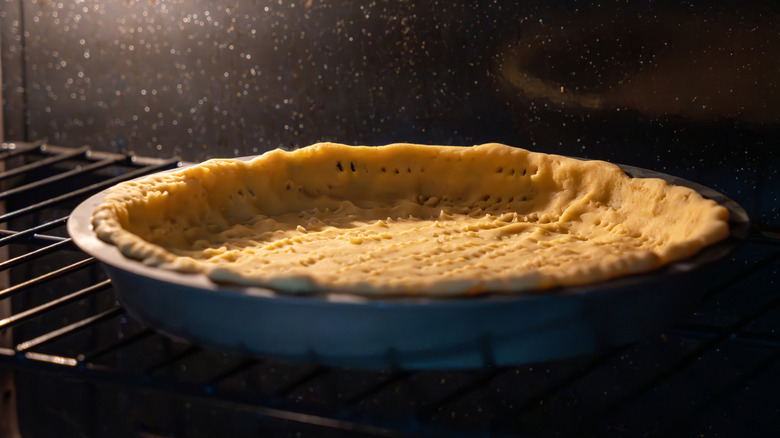
If you're unfamiliar with the practice of par-baking and aren't really sure what the term even means (which is totally expected for anyone who's not spent a good deal of time baking), the concept is easy enough. "Par-baking" just means "partial baking." Essentially, you partially bake a pie crust so that it's better equipped to hold a filling once you later bake the fully assembled dessert. It's a process necessary for a top-tier pumpkin pie.
As Heather Thomas explained, if you just pour your pumpkin pie's wet, custardy filling straight into a completely raw pie crust and then toss it into the oven, that crust may not bake properly — meaning each slice is going to have the dreaded soggy bottom of "Great British Bake Off" lore. Luckily, though, according to Thomas, par-baking your crust (or blind baking as it's sometimes called) before adding your filling is nothing to fear. She said, "Line your crust with parchment paper, fill it with pie weights, and bake until the edges are set and the bottom is beginning to dry out. This gives your crust a head start and helps you achieve a flaky, crisp bottom that holds up to the creamy pumpkin filling."
Mistaking canned pumpkin pie filling with pumpkin puree
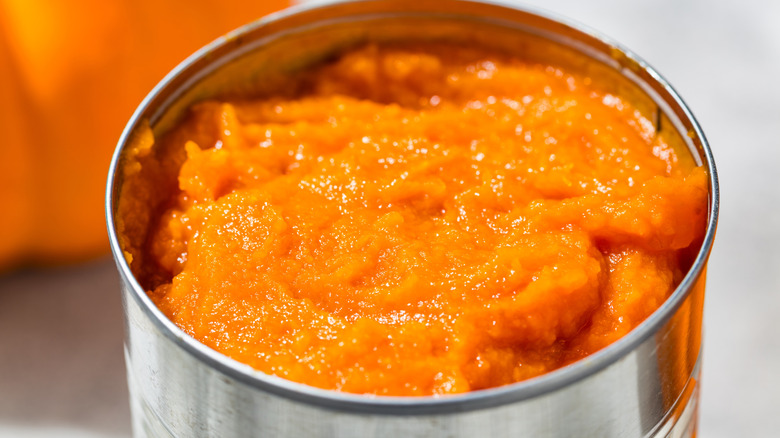
The large majority of our experts told us that one of the biggest mistakes you can make when baking a pumpkin pie is confusing canned pumpkin puree with a can of pumpkin pie filling. The two are not one and the same. So which is better?
Ideally, Jess Rice said, you want to look for pumpkin puree — not pumpkin pie filling. It all comes down to texture. She explained: "The amount of water in the can [of pumpkin pie filling] never yields a silky, creamy pie filling. I recommend getting straight pumpkin puree and adding the spices yourself. You still may need to strain a little liquid from the pumpkin puree, or blot the filling with a clean paper towel if you notice it's too wet, but 9/10 the results are great!"
Overworking the pie dough
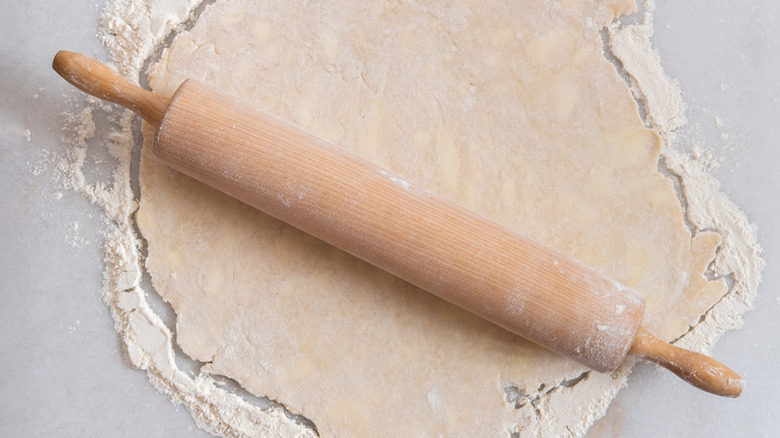
You could, of course, opt for a pre-made pie crust for your pumpkin pie. However, if you're making pie crust from scratch (and truly, it's not that difficult), you want to be very careful not to overwork the dough. This can lead to a crust that's too tough, according to Chef Amanda Haubrock, who said, "The more you work the dough, the more gluten is developed — and that's what makes the dough tough. Overworking the dough also makes it warm and sticky, resulting in a battle to roll out."
Along these lines, she noted that choosing the right salt for your dough — one that will blend and dissolve easily — can reduce your chances of a tough texture (she recommended Diamond Crystal baking salt). She also said it's important to keep your dough cold. If it's chilled when you start to roll it out, your job will be all the easier and the dough will retain its shape better during the baking process.
Using the wrong kind of milk
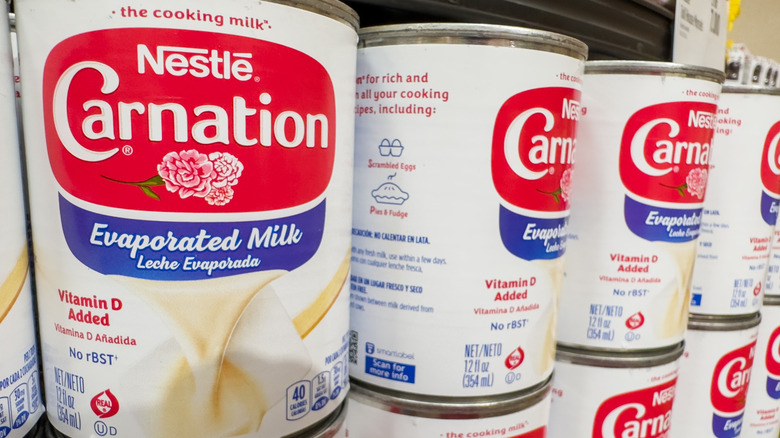
A lot of pumpkin pie recipes call for some sort of canned milk, but don't just blindly grab whatever you have in the pantry. Picking the right kind of canned milk is crucial, according to Heather Thomas. Evaporated milk and sweetened condensed milk produce different results, with the former being popular for pumpkin pies because it provides richness and creaminess without additional sugar, while the latter definitely adds on the sugar in spades.
"Accidentally substituting one for the other can throw off your recipe, resulting in a pie that's overly sweet or doesn't set as expected," said Thomas. "Both can make delicious pumpkin pies, but the recipes are formulated differently to account for their sugar and moisture content. My advice is to always double-check your recipe and the label on the can before mixing your filling!"
If you would prefer not to use either evaporated or sweetened condensed milk, you do have other options. Some recipes only call for your typical milk from the fridge, but the remainder of the recipe may be adjusted to compensate.
Not properly blending homemade pumpkin puree
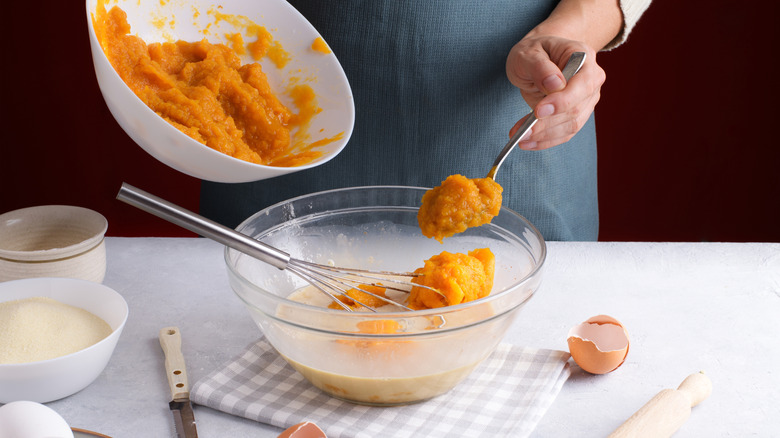
If you're getting really adventurous with your pumpkin pie baking this holiday season, you may decide to forgo the canned stuff all together and make the puree from scratch. It's a choice that's celebrated by some and frowned upon by others. In fact, there are a good handful of celebrity chefs, including Ina Garten, that say canned puree is the way to go and not to bother cooking your own pumpkin for pie. Whatever your feelings, though, if this is the choice you decide to make, you'll want to be careful because potential mistakes abound.
According to Jess Rice, if you decide to make your own pumpkin puree, it's vital that you get the texture right. As she said, "No one wants a slice of pie with too much texture in it — the beauty of pumpkin pie is when it's so creamy you can't even believe it's a squash!"
After you initially cook the pumpkin, it's important to squeeze most of the moisture from the squash. Otherwise, your puree will be watery. Then, thoroughly blend the pumpkin before you use it in the pie. It only takes a few minutes in the food processor or blender and, after pureeing, you can further prevent any undesirable chunks or stringiness by running the pumpkin through a sieve.
You're not considering swapping out corn syrup

For avid holiday bakers, corn syrup is one of those pantry staples to keep on hand because you know you'll need it; you might not like it as an ingredient per se, but there are a lot of classic holiday recipes that require it. Think of your typical pecan pie or peanut brittle. However, if your pumpkin pie recipe calls for corn syrup, Rachel Ballinger says to skip it. "I recommend switching out the corn syrup for maple syrup," she told us. "It's a healthier option and it adds amazing flavor to your pumpkin pie!"
While some prefer corn syrup for its more neutral flavor profile and texture-enhancing benefits in certain recipes (such as for homemade candies), as Ballinger notes, maple syrup is going to provide overall more flavor to your pie; the only flavor note that corn syrup carries is "sweet." Additionally, maple syrup contains vitamins, nutrients, and antioxidants, whereas corn syrup does not.
Love the combo of pumpkin and maple? You can extend these flavors into other seasonal desserts. For instance, our recipe for pie pudding parfaits blends pumpkin, dark maple syrup, cinnamon, nutmeg, and allspice into a treat that's oh-so-easy and looks pretty impressive at your next holiday party too (and there are apple and pecan pie variants as well).
Not toasting your spices
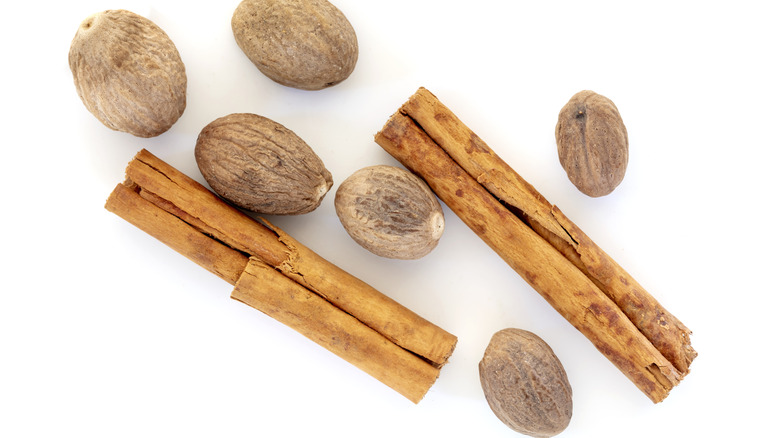
Pumpkin pie is filled with delicious, warming spices — cinnamon, nutmeg, allspice, and-or ginger, depending on your unique recipe. However, while you could just reach for these ingredients in your spice rack and sprinkle a bit out into your pie filling, you can really amp up the flavors by taking one simple, extra step. As Ricky Webster advised, toast your spices.
Make sure the spices are fresh, he said, then add the combo that your recipe calls for to a cold skillet. Set the heat to medium-low, stir constantly, and wait for the fragrant aroma to fill the air. Then, remove the pan from the heat and add the spices to your pumpkin pie filling (or another bowl — so long as you get them to stop cooking). "It takes only a few minutes, and make sure you don't darken or burn the spice mixture," he said. "This adds depth and complexity to the finished pie."
Using the wrong type of pie pan
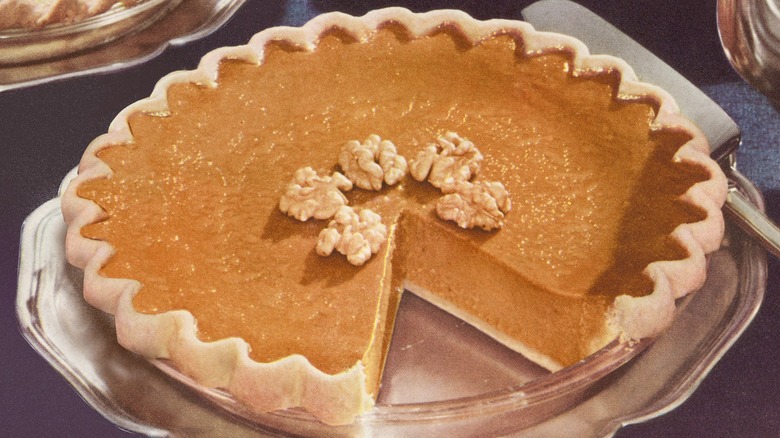
You have your homemade crust. You didn't overwork it and it's not too tough. It's been properly chilled so that the dough is easy to roll out and add to your pie pan. Your pumpkin filling is ready to go, but you know that you have to par-bake the pie crust before you combine the two. You're set up for easy success, right? Well ... not quite. There's still one big mistake you could make: choosing the wrong type of pie pan.
According to Amy Casey, you should skip any metal or ceramic pie dishes. The best pan for pumpkin pie, she said, is a glass pie plate. "The custard filling of a pumpkin pie is best baked slowly and gently. A glass pie plate heats more evenly and gradually. Because the filling bakes gently, you get a smooth, creamy pie, not a rubbery one with a cracked top and overbaked edges," she explained.
Transferring the unbaked pie by hand to the oven
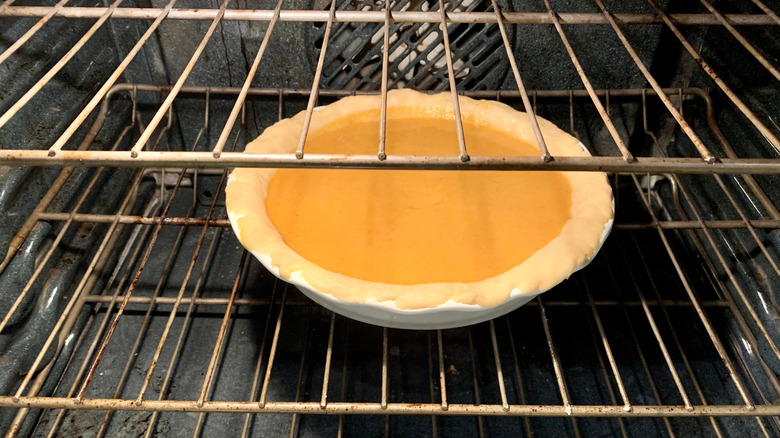
It's something that you probably haven't even thought about — how you're actually going to get your pie into the oven. Wouldn't you just open the door and slide it inside onto the middle rack? Turns out there's a potential pitfall in this part of the process as well.
As Amy Casey said (and as you'll know if you've ever made the dessert, or you will once you make your first one), pumpkin pie filling is basically a sloshy, sloppy liquid. As such, if you're transferring a pie plate with a filled crust across the kitchen, there's a good chance you could spill your filling all over the sides, your oven mitts, the floor, etc.
"Unfortunately, I learned this one the hard way," said Casey. "To avoid a mess on your floor or the bottom of your oven, pull the center rack partway out and set the empty pie crust on it. Carefully pour the filling into the crust, then gently slide the rack back into place. To catch any drips, put a foil-lined baking sheet on the bottom rack."
Overbaking the filling
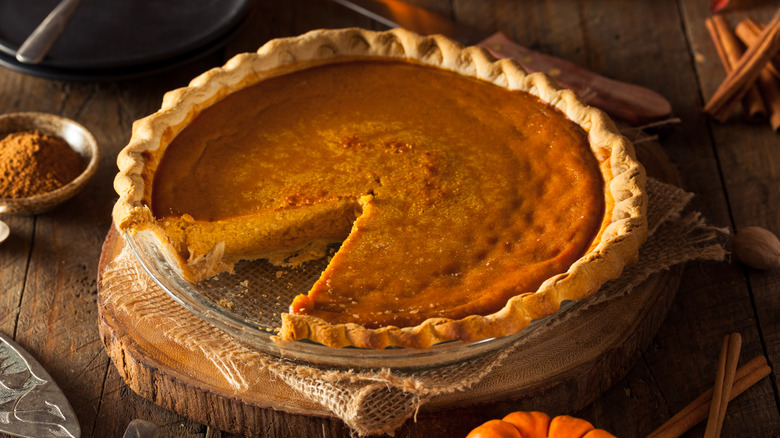
Just about every single one of our experts mentioned overbaking the pie filling as a major potential mistake. Some even called it THE biggest mistake that you could make, as was the case with Tara Royer Steele, who said, "Pumpkin pie is a custard, so the eggs continue to cook after the pie comes out of the oven. If you wait until the entire filling is completely firm, you've probably overbaked it. The center should still have a slight jiggle." Sara Brook concurred, noting that if you have cracks in your pie, that's a clear sign it's been overbaked.
Unfortunately, once the dessert is overbaked, you don't have too many options. If you need a last-minute fix to save the pie before Thanksgiving dinner, you could just eat it anyway, cracks and all. You could also turn the pie into something else entirely, like a parfait or milkshake.
Not using a pie shield
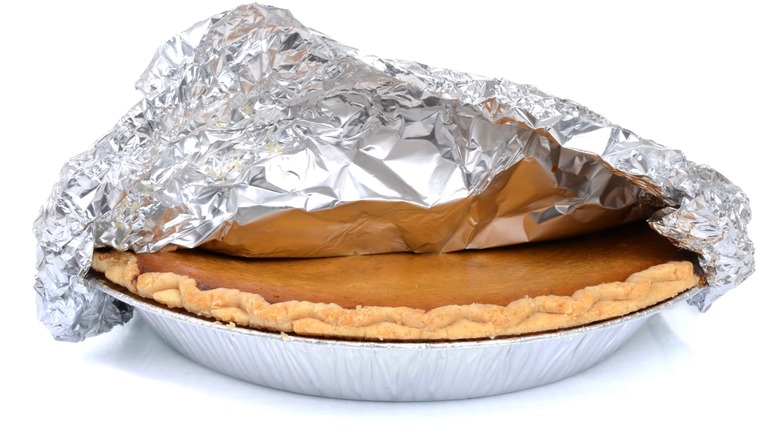
So you look into the oven to check on your pumpkin pie. You've done everything perfectly so far. But now you see that your pie is far from done, but the crust is beginning to brown up far, far sooner than you anticipated. Your first instinct is to panic, but not so fast. Katherine Sprung has a tip for you.
"If you see that the crust is starting to get too brown, you can use a pie shield," she said. "You can also just take aluminum foil and either shape it into a ring that can gently wrap around the edges of the crust, or, you can take a sheet of it and cut a hole in the center so that the pie filling is still exposed." Ideally, she said, you'd make your shield before you put the pie in the oven. That way, it's ready when you need it, and you'll be able to make it according to your pie plate's size before it's in the oven.
Baking at too high a temperature
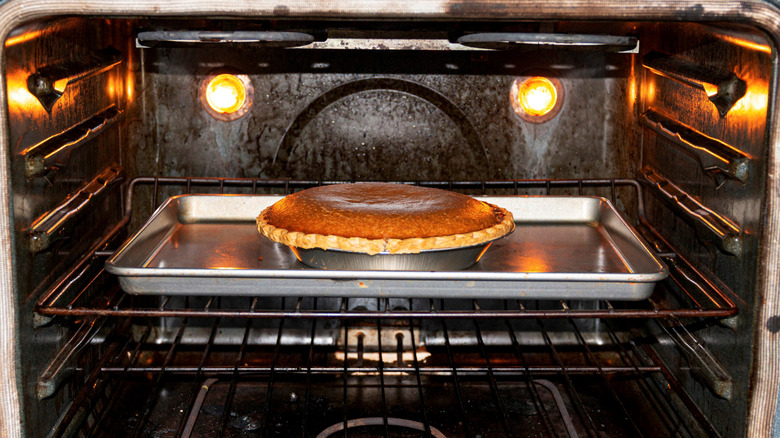
You have to watch your oven's temp when you're prepping this important part of the holiday feast. Per Rachel Ballinger, baking your pumpkin pie at too high of a temperature can negatively affect its texture, leaving you with a grainy mouthfeel that nobody wants at Thanksgiving. She said, "For best results, bake in a 425-degree-Fahrenheit oven for 15 minutes and then turn it down to 350 degrees and bake for another 30 minutes or until the center is set."
It's not just Ballinger that says you should bake your pumpkin pie by starting out at a high heat and then quickly reducing the heat after just a few minutes. This was Julia Child's method as well, with the famed chef turning her oven up to 450 degrees Fahrenheit for a mere 15 minutes before lowering the temp over time, little by little, as the pie cooked.
Over-sweetening your homemade whipped cream
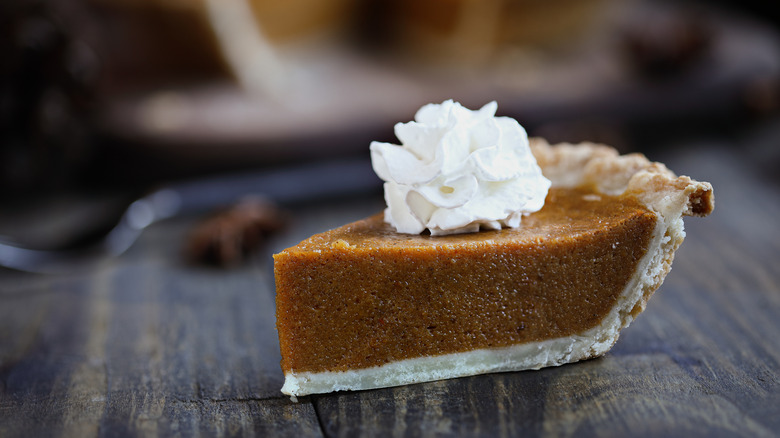
Many chefs recommend making your own whipped cream at home versus relying on the canned stuff that you might be accustomed to. Making whipped cream with the right texture is pretty easy and only requires minimal ingredients and equipment, but you still want to avoid one significant mistake: over-sweetening it. Ricky Webster said this is one of the main pitfalls he sees when home cooks make their own, but he provided some advice.
"Pumpkin pie is already a pretty sweet dessert," he said, "so I either don't sweeten my whipped cream, or I sweeten 8 ounces of heavy whipping cream with 2 to 3 teaspoons of honey or maple syrup. That's all it takes. I also add a small pinch of salt and, depending on the other desserts I want to top with whipped cream, a couple of fresh grates of nutmeg or a scrape of vanilla bean."
Cutting the pie too soon
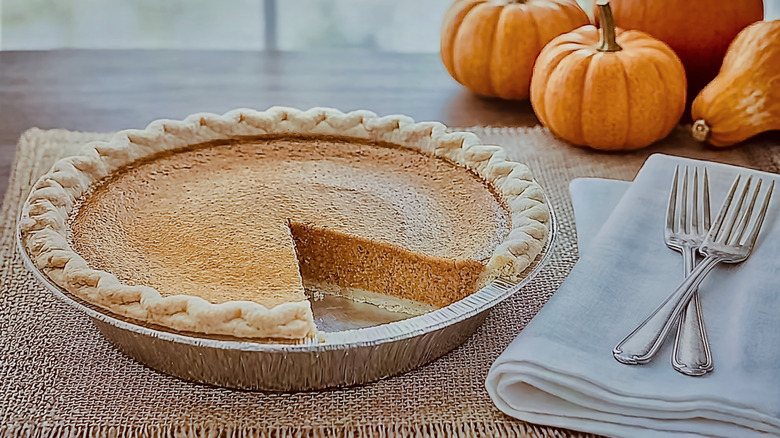
You've followed all of the tips and trick suggested above. You've made your whipped cream from scratch and made sure to not overbake the pie filling nor the crust. You've removed the pie from the oven at exactly the right time and temp. Don't assume you're in the clear just yet, though. If you cut that dessert too soon, all your labors could be for naught.
As Tara Royer Steele said, "I know it's so hard to wait for the pie to chill; I get it. It smells glorious, but this one needs to get to room temperature or be refrigerated to set." Amy Casey agreed, saying your pumpkin pie needs time to cool. If you just go at it with a knife while it's still too warm, each slice will be messy, uneven, and sloppy. She recommended allowing the pie to at least cool for two hours, or even overnight, in the fridge.