

11 Reasons Why You Should Visit A Brazilian Steakhouse Chain At Least Once
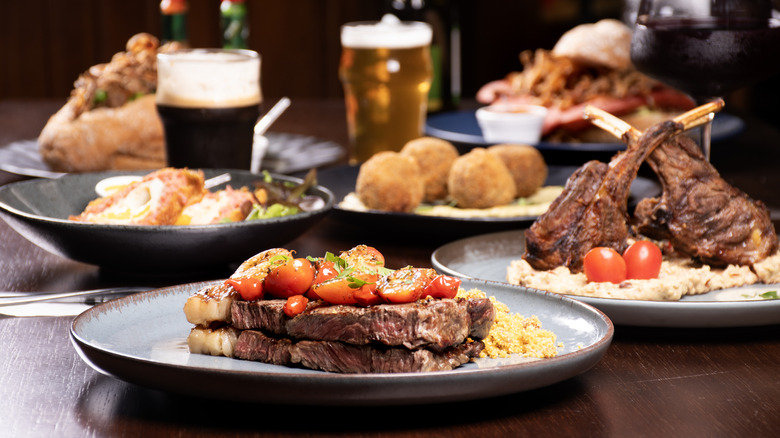
It's easy to see how many differences there are between a chain restaurant steak and one you'd order at a high-quality steakhouse, including a focus on providing top notch-meat and the atmosphere. But, what you might not have thought of is that not everything with the steakhouse label in its name provides the same experience. A Brazilian steakhouse and a regular steakhouse, for example, have completely different features.
The history of the Brazilian steakhouse first began over in (you guessed it), Brazil, between the 1950s and 1960s. This type of eatery provided stops along highways aimed at feeding passersby. These restaurants used an old cooking method that began with the Brazilian cowboys (also known as gauchos). They dug pits in which they started a fire, and then roasted meat over the top. Eventually, in the late 90s, the first Brazilian steakhouse opened in the U.S.
Today, its popularity has spread far and wide, leaving those who would like to try this type of dining many options. However, if you are still on the fence about if the experience is worth a try, it can certainly help to learn what to expect when visiting a Brazilian steakhouse for the first time. Though the focus on high-quality meat that you would get with a regular steakhouse certainly remains, this type of dining is a completely different venture, and one you should try at least once.
True churrasco
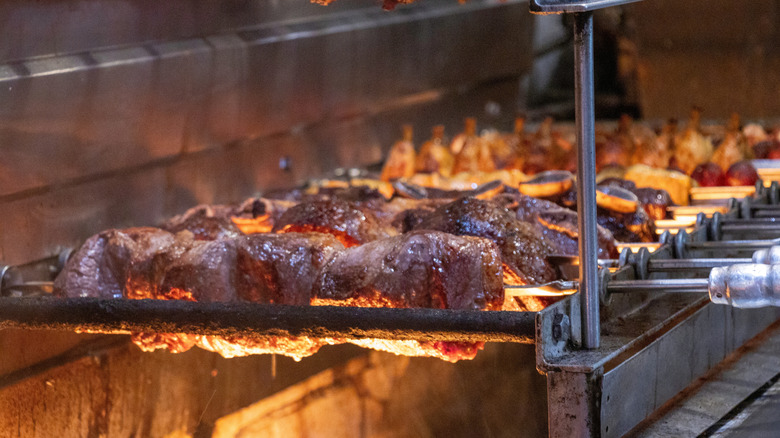
You'll likely remember the story in the introduction about the gauchos back in Brazil who used to dig holes for their fires, cooking their meat over the top. Well, there is a term associated with this type of cooking which also originates from Brazil, called churrasco. This term encompasses any meat type that is cooked on an open flame as the gauchos did back in the olden days, and both the term and method are still incorporated into Brazilian steakhouses to this day. Similarly, the term for restaurants which offer this style of cooking is called churrascaria.
Although the steakhouses within the U.S. have certainly evolved beyond these more primitive takes on the technique (there is no designated churrasco pit out back, we promise), authentic Brazilian steakhouses still employ the method in general. While the average steakhouse will typically use a broiler or flat-top grill to cook your order, the Brazilian variety uses skewers, which they rest over an open flame or over charcoal. This method of cooking is very focused on allowing the natural meat flavor to shine through, and so often uses only very basic spices on the meat before cooking. Typically, there will be a bit of smoky flavoring (a simple byproduct of there being fire involved), but this is just part of the unique experience.
They offer all-you-can-eat dining
At your average American steakhouse, you would be provided a menu where you would then choose which meal to be served. At a Brazilian steakhouse, this simple process is turned on its head. First off, the experience charges one fee per person to participate in the meal. Diners are then allowed free range of the variety of meats available. This means that technically you could eat a whole skewer of meat if you wanted to without paying extra, though it would likely raise some eyebrows from the other patrons.
Additionally, there are servers, interestingly also referred to as gauchos, constantly rotating the room with fresh skewers of meat. When a customer indicates they would like some, the server then shaves pieces for them. While they certainly do not perform the same functions (herding wild livestock is evidently not part of the job description), this is intended as a way to honor the cultural history of the churrasco cooking style.
If this information has you a bit antsy, as you picture gauchos constantly swooping in with skewers of meat, rest easy, as there is a simple method put in place to signify when you are full or would like a break. You are given a card with a red side and a green side. As with stoplights signaling drivers, these cards signal the gauchos to either give some space to a table when the red side faces up, or approach when the green side is up.
There is a broad selection of meat
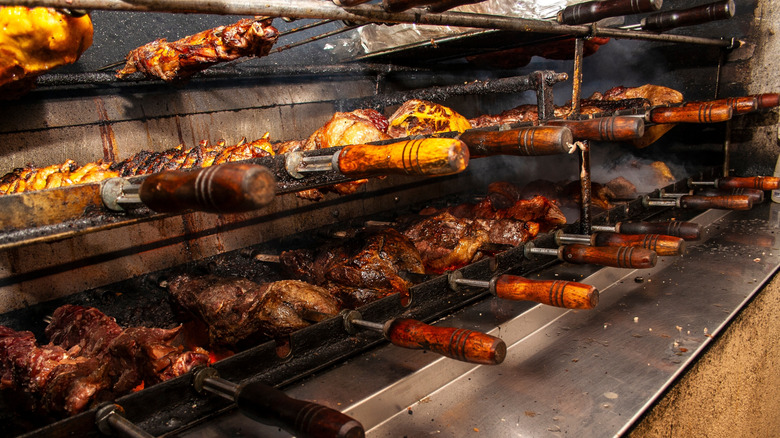
At your typical steakhouse experience, a patron would select one cut of meat which would essentially amount to the bulk of their meal (give or take a few side dishes or appetizers). A part of the beauty of a Brazilian steakhouse is that you don't need to commit to one cut of steak, or even one type of meat in general. These types of steakhouses have several different meat options constantly circling the dining room with gauchos. They have beef, pork, chicken, lamb ... you name it, which they deliver right to your plate.
The perks of having access to such a broad range don't stop there either. The Brazilian steakhouse offers customers access to several different cuts of these meats, some of which you would be hard-pressed to find elsewhere. One option, for example, is picanha. In the U.S., a specific guideline is followed when butchering cows that ends up splitting the muscle from which this cut is taken into separate cuts and removing the strip of fat. Over in Brazil, on the other hand, this is a very popular cut, for which the fat is essential, as it locks in the natural meat flavoring to the cut during the cooking process. That means you won't only have issues finding the cut at your typical restaurant, but even at a butcher shop. This makes the picanha truly a cut of beef that you shouldn't pass up during your Brazilian steakhouse experience.
Great for group dinners
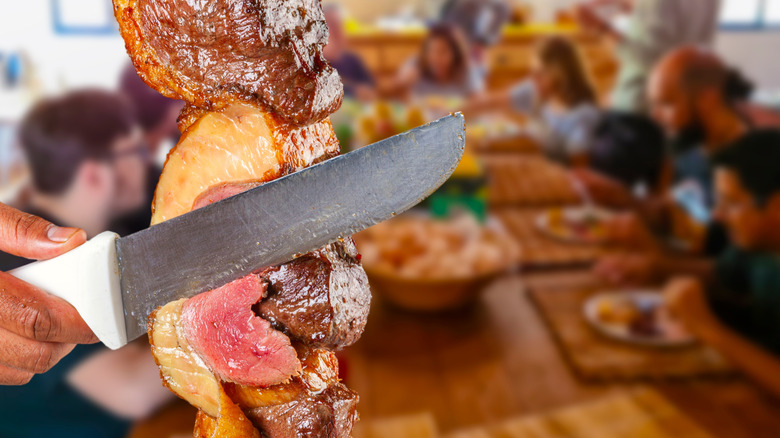
Dining in a group at a restaurant, although a great social experience, has the makings of being a hassle. When you think about it, especially if you are dining in a rather large group of people, having that many orders placed at one time could easily cause a backlog. Add in all the other customers who are also ordering their food during your stay, and it suddenly seems like the wait time could be substantial. Though chatting with the others in your group will keep you occupied for at least some of the wait time, hanger is a real thing, and your grumbling belly will get to you eventually.
Brazilian steakhouses, though, seem to be made for this type of experience. When dining at one, there is no prefixed menu, and the food is already ready and waiting for you to devour. Not only does this remove the unpleasant wait time that you might experience at a regular restaurant or steakhouse, but it gives you more time to chat with those around you instead of frantically scanning a menu. An added bonus here is that thanks to the variety of meats circulating, there is something for everyone. Even if you have someone with strict dietary restrictions or a picky eater in the group, thanks to the salad bar and side dishes, there are still a range of exciting options for them.
You do not need to dress up
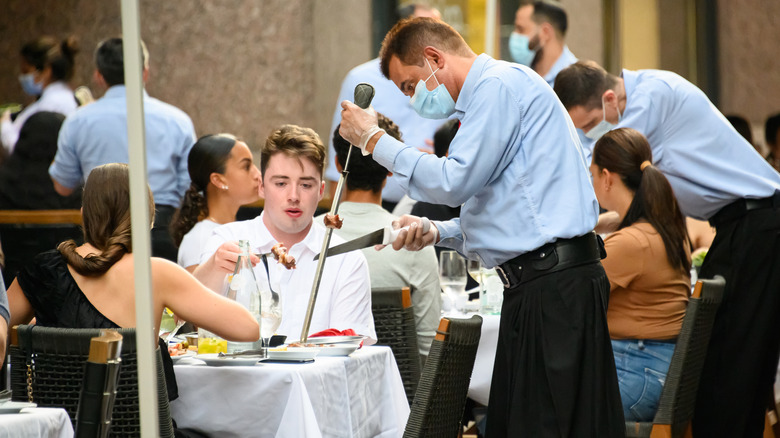
Depending on what type of steakhouse you're headed to for dinner, the occasion might require a little extra oomph. If you're planning to visit a fine dining option, the kind that has different kinds of forks and more zeros on the end of most prices than you're normally comfortable with, you might get the urge to dress up. However, for some people, dressing up can, frankly, be a pain in the butt. From listening to your partner ask you 100 times if you're ready yet, to needing to coordinate your dress with your shoes, just the thought might have you sighing in exasperation. At a Brazilian steakhouse, though, there is no need for all this fuss.
The dress code at a Brazilian steakhouse is pretty relaxed, even if the thought of people serving you meat at your table for several hours gives you fine dining vibes. Considering that many Brazilian steakhouses mention not having a specific dress code, you can essentially wear anything you want, barring that it's not your birthday suit or anything else that would cause people to run screaming from the restaurant. You also wouldn't want to wear anything that causes offense, or would make anyone gasp or huff as they storm away from you. As for what you should wear, sources suggest dressing smart or smart-casual, which is essentially the stop in-between between couch potato and wedding-worthy. Yes, friends, this means you can wear jeans.
Unique Brazilian sides
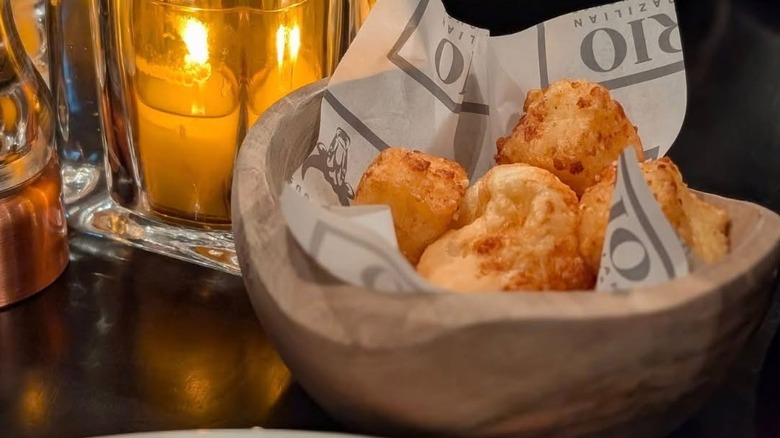
If you're visiting a restaurant utilizing authentic centuries-old Brazilian cooking techniques, you should probably also take advantage of having access to the unique Brazilian side dishes available. As with the meat, side dishes are normally brought to your table (though occasionally they appear to be located at a hot bar), and are included in your dining fee. With this addition to the mass amount of food that is available to patrons at this type of restaurant, it's no wonder that one of the pieces of advice for beginners just starting on their Brazilian BBQ journey is to pace yourself.
As to what specific side dishes you can expect to find in this setting, one of the most popular appears to be the pão de queijo. If you are feeling unsure as to what exactly that could be, the translation of the name from Portuguese to English will give you a strong hint. The name literally translates to cheese bread. These warm balls of copious cheese are often delivered to your table as a starter at this type of steakhouse.
Another popular side dish is banana frita, which is created by glazing banana slices. Now, banana and steak might seem like a strange combination, but just put your faith in the Brazilians for this one. The goal of the dish is to add a little sweetness to your palate after being bombarded by all the umami meat flavors.
The dessert menu
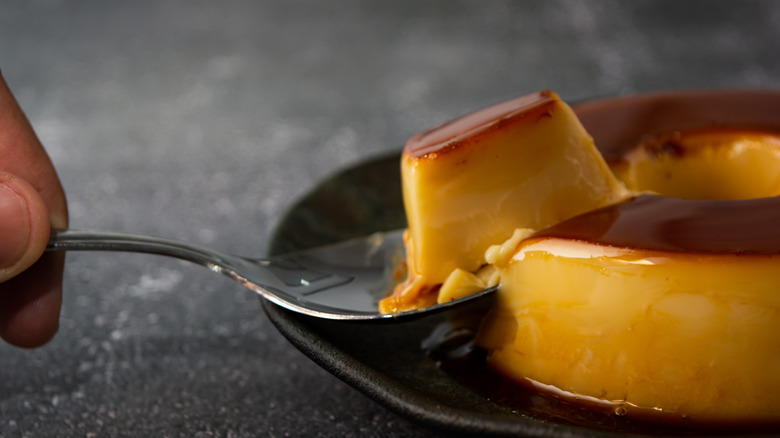
With the constant options of meat circulating, the optional side dishes ferried to you're table, and finally the salad bar, by the end of the meal, it seems that all roads at the Brazilian steakhouse lead to feeling outrageously full by the end of the meal. However, if you have defied all odds and happen to still have some real-estate left over in your belly at the end of your meal, the steakhouse has a dessert menu that should not be forgotten. From popular Brazilian options to those that are U.S. favorites, there are all sorts of goodies hidden on this side of the menu.
One of the more traditional Brazilian dessert options is Brazilian flan (or Pudim, as it is also often referred to). This type of flan actually differs from other varieties through the use of sweetened condensed milk, instead of regular milk or cream. Even if the final product looks similar to other flans, try not to be fooled by appearances. This type of flan is actually thicker, with a sweeter taste thanks to the effects of the condensed milk. If your trying-new-things juices are lagging out at this point of the meal, and your looking for something more familiar, many of the dessert menus have favorites, like crème brûlée, or even cake options, like chocolate or carrot.
It's not just a meal; it's a whole experience
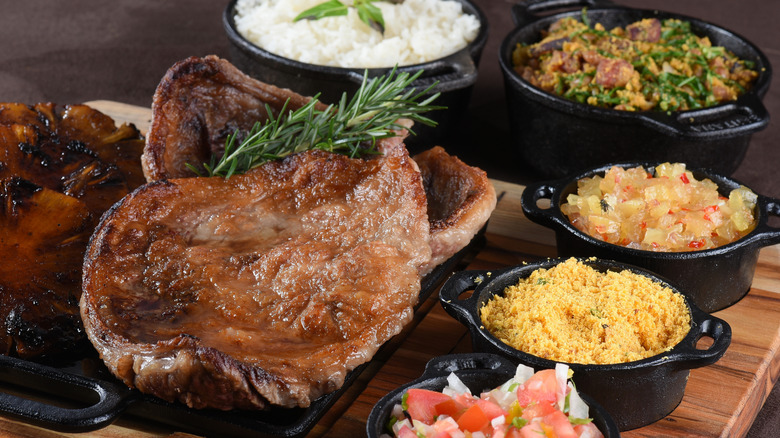
It has to be pretty obvious by now that visiting a Brazilian steakhouse is no average sit-down dining experience. But, what you should also take into consideration is that the atmosphere is also a bit different than the hustle and bustle of a normal restaurant. This is not a dining option for one of those nights where you just want a quick bite before heading home. The sheer variety of fresh meats and foods delivered to your table differentiates it from most experiences out there (including other all-you-can-eat ones). You shouldn't be shooting it down, like a Jell-O shot; you should be sipping and savoring it, like a glass of fine wine. Not to mention allowing yourself some time to recover between courses, to get the full scope of the experience.
With this in mind, combined with the fact that sadly the human body can only hold so much food inside of it, most sources recommend that you plan to spend between 75 minutes and two hours inside of the restaurant. While this might seem to be a long time at first, when you factor in the time you will spend chatting with those in your party, along with the breaks in between courses, it starts to make sense. Especially if you aim to eat slowly to avoid the meat sweats (for all you meat-sweat naysayers, science says it's real, so there).
The salad bar
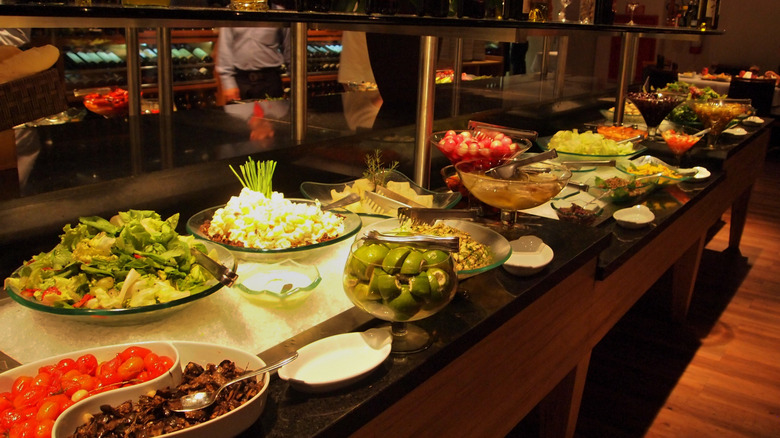
The salad bar is a bit of a dying concept in today's society. Many grocery store chains which once proudly offered salad bars are now switching to pre-packaged options which customers may find more convenient. Additionally, there are several beloved chain restaurants where salad bars have been axed for good (may the legendary Pizza Hut salad bar rest in peace). Wherever you look, it seems that the concept of the salad bar is slowly being phased out, much to the devastation of salad lovers everywhere. Except for one place where it remains, a hidden gem among a long rotation of meats: The Brazilian steakhouse.
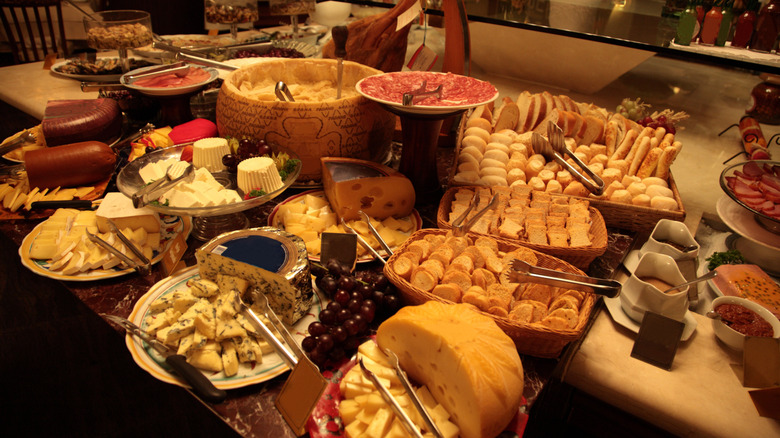
You see, where others have foregone the joy of the salad bar, the Brazilian Steakhouse holds it in high esteem, offering it as a highlight of the experience. This is no sad pile of wilting lettuce. Instead, there is a vast collection of unique cheeses and exotic meat options for customers to choose from, including Brazilian sausage, Monte Caputo (a popular cheese from Brazil made with sheep's milk), and even candied bacon. To go along with this, there are often unique foods included, such as shiitake mushrooms and heart of palm (a veggie that comes from the core of the palm plant). Along with these more uncommon selections, there are the fresh vegetables and greens you would expect, for those who prefer not to branch out ingredient-wise.
The cocktail menu
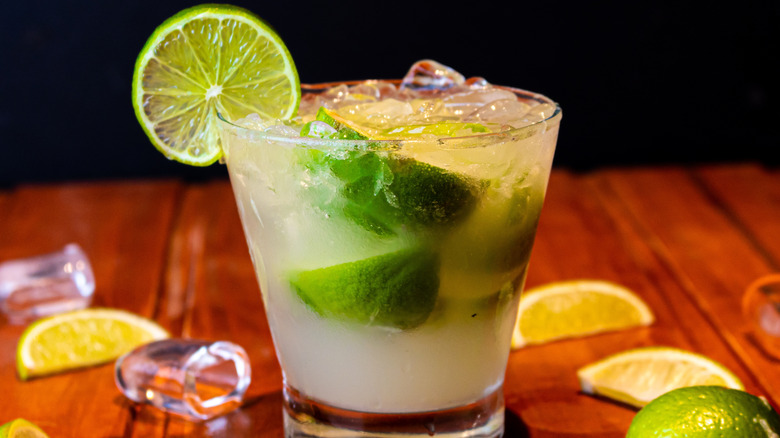
The cocktail is the true sidekick on a night out on the town, and at a Brazilian steakhouse this is no different. After all, with the salty meats and cheeses you're likely to indulge in, you will want to wet your whistle at some point. A forewarning, though: Unlike with most of the other foods covered, cocktails are not normally included in the price of the meal. If you choose to indulge (and especially if you choose to order a few more after that), just keep in mind your bill will be higher than originally planned.
As for what Brazilian cocktails there are to choose from, try not to just go for your usual (incidentally, this is one of the common mistakes people make when visiting Fogo De Chão Brazilian Steakhouse). Instead, try a caipirinha, which is a traditional Brazilian favorite. The ingredients are fairly simple: Muddled lime and sugar combined with two ounces of cachaca (which is a Brazilian rum made from sugar cane juice instead of molasses). Alternatively, some Brazilian steakhouses may offer a caipiroska, which has most of the same ingredients but swaps out the rum for tequila. While the two do have the same ingredients, save for the spirit used, if both are on offer, keep in mind that the flavor differs. The caipirinha features a more earthy tone, whereas the sugar and lime are more easily noted in the caipiroska.
Many gluten-free options
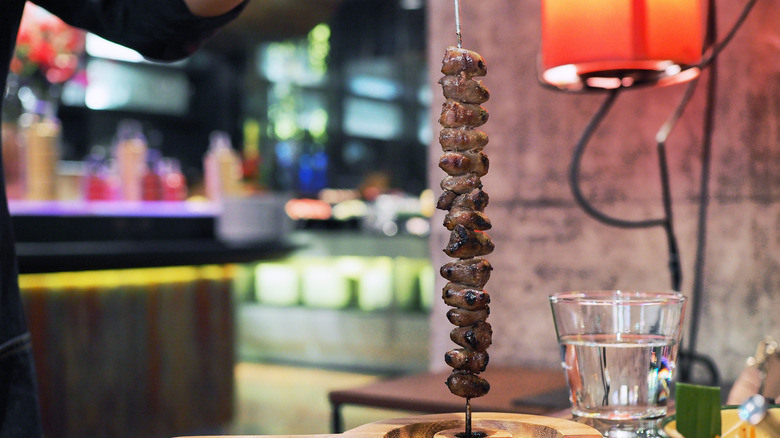
Those trying to avoid gluten, whether a personal choice or due to an allergy, are often (sadly) heavily restricted in the foods they can order at restaurants. There are the more obvious culprits, like pasta and bread, but there are also more covert items the pesky ingredient is hidden inside of. Couscous, rice mixes, meat substitutes, and even hot dogs, to name a few. However, if you know someone who eats a gluten-free diet, taking them to experience a Brazilian steakhouse is a great way to sidestep this issue. That's right, most items at these types of restaurants are gluten-free.
Now, that's not to say that you shouldn't inform your server about your food preferences so that they can still warn you about anything that is. As you'll likely remember, the majority of the meats at Brazilian steakhouses are very lightly spiced before being cooked. This significantly lowers the chance that you will encounter any hidden sources of gluten, as the meat itself is just fine for the gluten-free seekers. Over in the salad area, you will want to avoid things like sausages or cold cuts, but the majority of the items there should be safe as well. Even the pão de queijo (the delicious-sounding warm cheese bread starter) is gluten-free, as it's made with yuca or tapioca flour.