

Skip Smelly Vinegar: Descale Your Coffee Maker With This Liquid You Probably Already Own
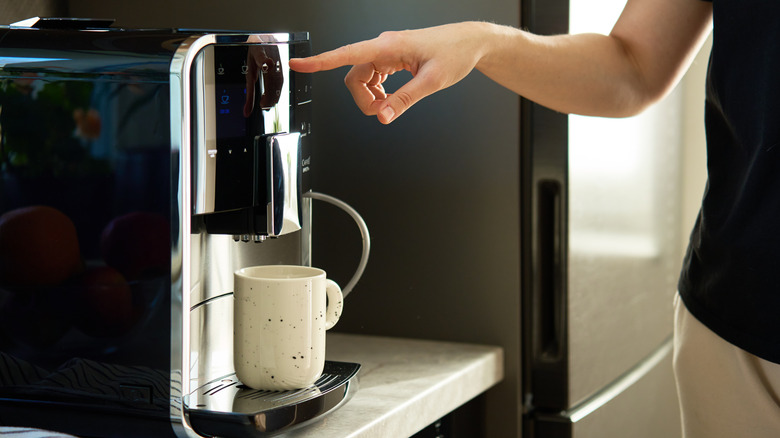
Cleanliness is something you should consider prior to splurging on an expensive coffee maker, but if you already have one (even if it isn't expensive) you should know how to give it a proper cleanse. There are a variety of harsh chemicals on the market for cleaning coffee makers and even more blogs telling you to use vinegar instead. One alternative to smelly vinegar and harsh chemicals is to clean your coffee maker with hydrogen peroxide instead. For this process to work, mix one part hydrogen peroxide with two parts water, pour the mixture into the empty water reservoir of your machine, then run a brew cycle.
After the initial brew cycle, run a few more cycles with just plain water to thoroughly rinse out the hydrogen peroxide as well as any lingering debris. Hydrogen peroxide makes for a good cleaning solution here because it's an oxidizing agent that kills off bacteria and mold. The antibacterial, antifungal nature of hydrogen peroxide is particularly effective on non-porous surfaces like glass and metal, but it can also handle any plastic elements found in coffee machines. This quick clean will keep your coffee tasting as it should, but kitchen appliances don't run as well when they aren't cleaned regularly, so it's really two birds with one stone. Of course, there are a few things to keep in mind and some extra steps you can take to make the process as effective as possible.
Things to keep in mind when cleaning a coffee maker with hydrogen peroxide
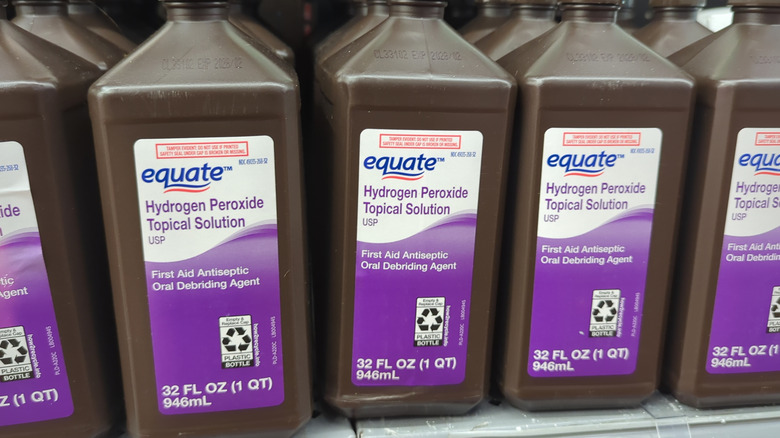
Before you go pouring yourself a cup of ambition, make sure your coffee maker is squeaky clean by running hydrogen peroxide through it on a brew cycle once a month. You can take this a step further if your appliance has an option to pause the brew cycle. If it does, pause the brew cycle halfway through and let the mixture soak for 15 minutes. This will help remove any residue that's hanging on more tightly than the rest.
Another thing to keep in mind is that whenever you clean the inside of your coffee maker you should also clean the outside and any removable parts. Give your machine a good wipe down to remove dust and grime, then clean removable or accessible parts gently to keep them free of build-up. Ideally, your coffee carafe should be cleaned after each pot of coffee, but odds are you aren't cleaning your coffee maker as often as you should. Like we said, deep cleans like this should be done at least once per month (or more if you're a heavy coffee drinker), but before you start a monthly ritual of cleaning with hydrogen peroxide you may want to double check your coffee machine's user manual to make sure you aren't voiding the warranty by using this method.