

Store-Bought Peanut Butter Red Flags Everyone Just Ignores (But Really Shouldn't)
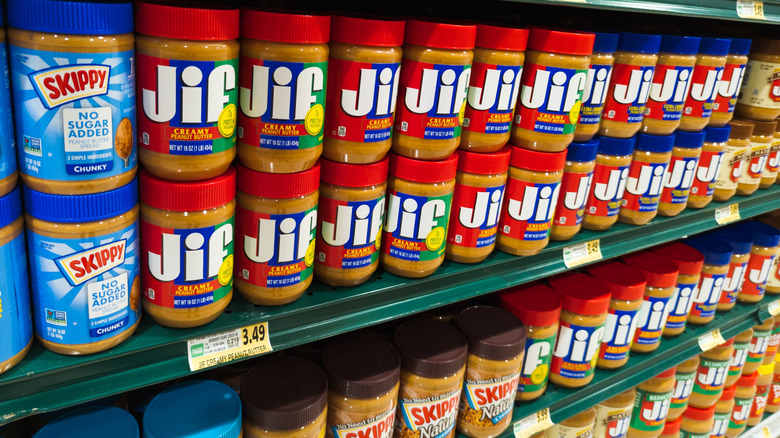
When choosing the most nutritious and delicious store-bought peanut butter, it helps to know what to look for. Sure, the marketing on the front of the jar isn't lying — claims about protein usually mean that there's a decent amount in it. However, don't let that distract you from also noticing added sugar and sodium, along with any oils or other ultra-processed ingredients listed on the label. These are some of the biggest red flags that are easily overlooked when scanning a jar of peanut butter.
Added sugar may be one of the sneakiest ingredients found in some store-bought peanut butters, especially flavored varieties or those sweetened with honey. Though natural, honey still contributes to a product's sugar content and can even deliver more grams of added sugar than peanut butter varieties made with regular sugar. Amounts can vary by brand, so it's important to check the nutrition facts label rather than assuming honey-sweetened peanut butter automatically contains less sugar.
Salt brings out the best in most foods, and peanuts are no exception. But the amount of sodium in some store-bought peanut butters can be surprisingly high. Depending on the brand, a 2-tablespoon serving can contain around 150 milligrams of sodium or more.
Many popular store-bought peanut butters also have added refined oils to improve texture, extend shelf life, and prevent normal separation. Questionable seed oils or fully hydrogenated oils are sometimes used, but aren't necessary for peanut butter to be delicious or smooth.
The green flags to look for on a peanut butter label
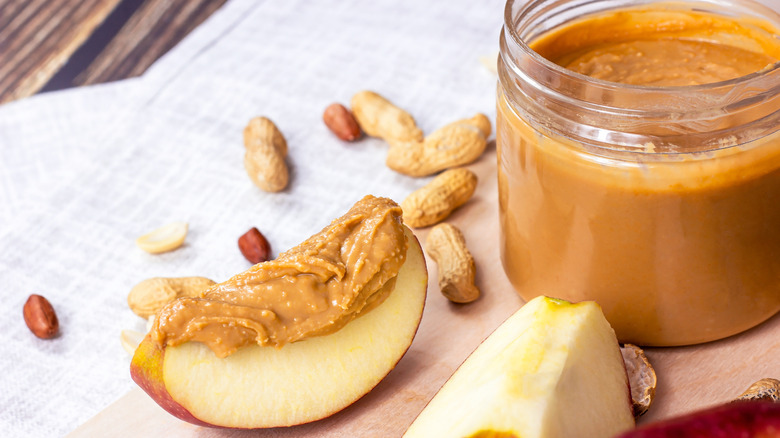
According to health experts, a good rule of thumb when choosing a jar of quality peanut butter is to look for a simple ingredient list containing just a few recognizable ingredients, such as peanuts and salt. This can oftentimes be found in more natural brands of peanut butter.
Look for brands with little to no added sugar. The ideal amount would be around 5 grams or less per serving. If you're used to or prefer sweeter peanut butters, you can also try enjoying it with natural sources, like fruit or a small drizzle of honey or maple syrup for added flavor.
Some brands of peanut butters also offer varieties without salt or added oils. However, when choosing salted options, consider looking for varieties with under 100 milligrams of sodium per serving. And while more natural peanut butters may not have as silky-smooth of a texture and may separate in the jar without the use of oils, they're just as tasty. Also, there's a simple storage method to prevent peanut butter from separating.
If you don't eat peanut butter every day or regularly enjoy large servings at a time, there's likely a little more wiggle room to choose varieties solely based on taste, like some of the top brands from our peanut butter ranking. But if peanut butter is a part of your daily diet, keeping an eye on the label can help you find a brand that still lets you enjoy one of the most beloved pantry staples while also limiting your intake of added sugar, sodium, oils and other ultra-processed ingredients over time.