

Sick Of Cottage Cheese? This Overlooked Swap Has Just As Much Protein

After rightfully bringing cottage cheese back from the dead as a protein-obsessed nation, it's time for its cool European cousin with just as much protein to have a moment — say hello to farmer cheese. It is made similarly to cottage cheese, which is why both have about the same amount of protein per ½-cup serving — around 13 grams give or take, depending on the brand. Both are made into curds, but farmer cheese curds aren't then mixed with salt and cream as cottage cheese curds are. Instead, they're pressed together, creating a thicker, drier consistency.
While there's no shortage of dishes cottage cheese can offer a protein boost to, the smooth, thick texture of farmer cheese may actually offer more versatility. Similar to how cottage cheese can replace creamy elements in dishes for extra protein, farmer cheese can do the same. However, since farmer cheese curds are pressed, they don't require blending like store-bought cottage cheese does to make it creamy.
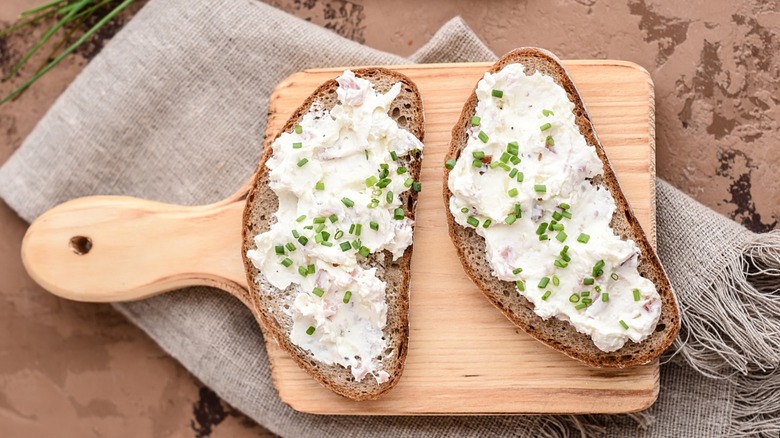
Because farmer cheese isn't lumpy like cottage cheese is, it's ideal for replacing ricotta in lasagna, adding to macaroni and cheese or potato salad, or turning into a creamy dip. Since farmer cheese also has significantly less moisture than cottage cheese, it has a more spreadable consistency, perfect for toast or sandwiches. It can also be enjoyed by the bowlful with toppings, such as fresh fruit and granola.
Comparing farmer cheese's nutrient content to cottage cheese
Similar to a number of brands of store-bought cottage cheese, some farmer cheeses contain live and active probiotic cultures. However, they differ when it comes to calcium content. In a ½-cup serving, you'll find about 120 milligrams of calcium in farmer cheese compared to cottage cheese's approximately 70 milligrams.
Farmer cheese can also be a great cottage cheese swap for those watching their sodium intake. The amount of sodium in regular varieties of cottage cheese typically averages around 300 to 400 milligrams per ½-cup serving. Since salt is not traditionally added to farmer cheese during processing, its sodium content is considerably lower: about 45 to 55 milligrams.
The fat content is another area where the two cheeses differ. Cottage cheese is available in everything from fat-free to 6% milk fat varieties, with a ½-cup serving ranging from 0 to 7 grams of fat. On the other hand, farmer cheese is typically made from whole milk or reduced-fat milk and has more fat per serving, ranging from around 6 to 13 grams. The higher fat content of farmer cheese paired with the significant amount of protein it contains can make it a more substantial and satiating option.