

4 Beef Cuts For Cheesesteak We Recommend And 3 We Don't
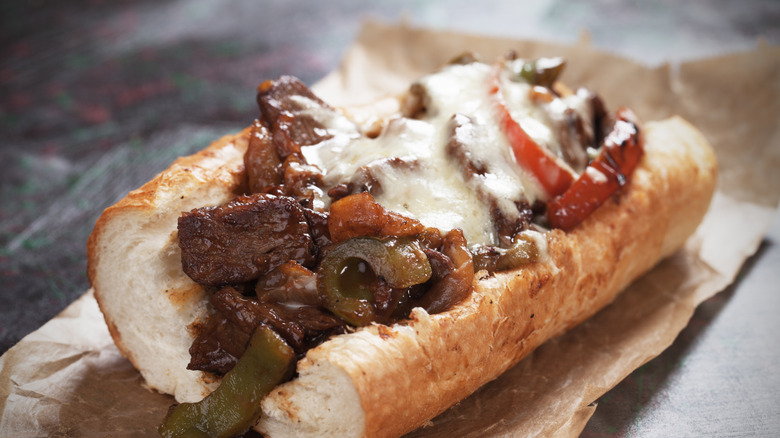
The cheesesteak is a beloved sandwich in Philadelphia (the city where the original cheesesteak sandwich was created) and beyond, being a favorite of those who love tasty, beef-centric entrees. However, you can arguably make an even better version of the sandwich from scratch at home if you use the right type of beef. We recently spoke to Dagan Lynn, the executive chef over at Beef. It's What's For Dinner, who revealed there are four ideal cuts of beef to choose from when making cheesesteak. "Choose a cut that is naturally tender and easy to slice thinly, such as top sirloin, ribeye, flat iron, or flank steak," Lynn advises. "These cuts offer the tenderness, flavor, and texture needed for the quick, high-heat cooking method traditionally used for cheesesteaks."
There are also a few cuts you should outright avoid as they won't take well to getting shaved down and grilled. "Cuts such as brisket, short ribs, and stew meat are generally better suited for low-and-slow cooking methods that allow the beef to break down and become tender over time," notes Lynn. Nevertheless, while there's a clear group of beef cuts worth using and a group that isn't, the details regarding why that's the case depends on which type of beef you're talking about.
Ribeye
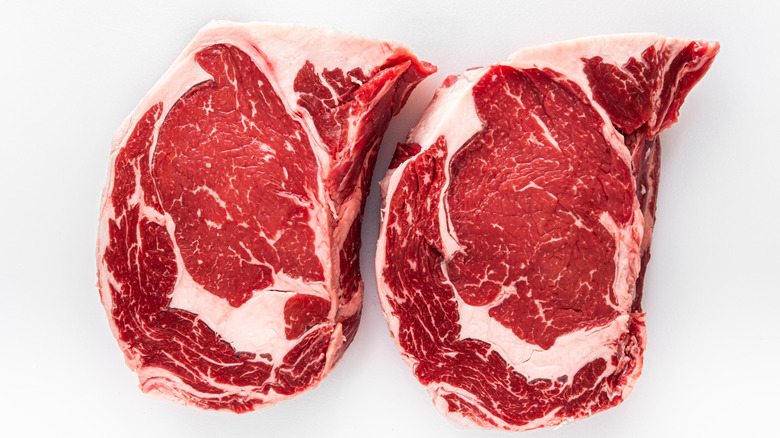
Considered by many to be the gold standard of beef, ribeye is the ideal choice for this dish according to both homemade cheesesteak lovers and professional cheesesteak restaurants. This beef cut stands out for many reasons, but its strong marbling (especially if you opt for USDA Prime beef over Choice) is likely the most impactful. This marbling results in flavorful meat that's both juicy and tender, checking several boxes when it comes to making a great cheesesteak. Two iconic cheesesteak eateries in Philadelphia – Geno's Steaks and Uncle Gus' Steaks – have proudly used ribeye for their sandwiches for decades.
Top sirloin
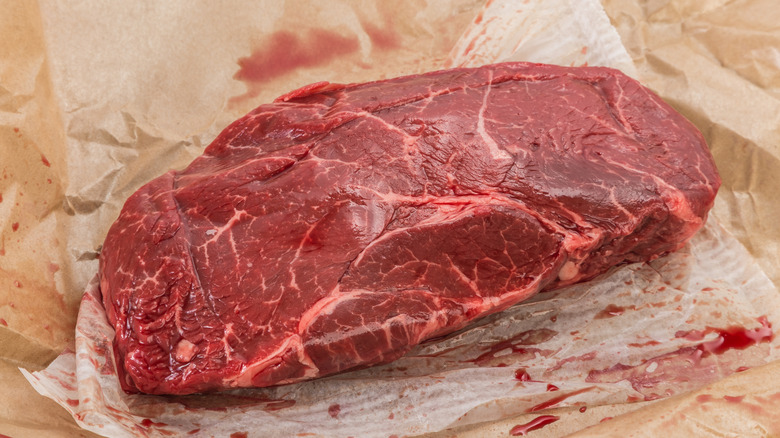
Despite being a cheaper, leaner cut of meat compared to ribeye, top sirloin is still a strong option for homemade cheesesteak. While it won't be quite as rich (and it needs to be cooked more carefully to ensure it doesn't dry out), top sirloin provides a great taste without relying on marbling, making it a healthier alternative. Plus, its lean, firm texture lends itself well to the sandwich. Lynn notes that top sirloin is what his team uses in their Philly cheesesteak recipe. "It delivers excellent flavor while holding up well to quick cooking alongside peppers, onions, and melted cheese," he says.
Flank steak
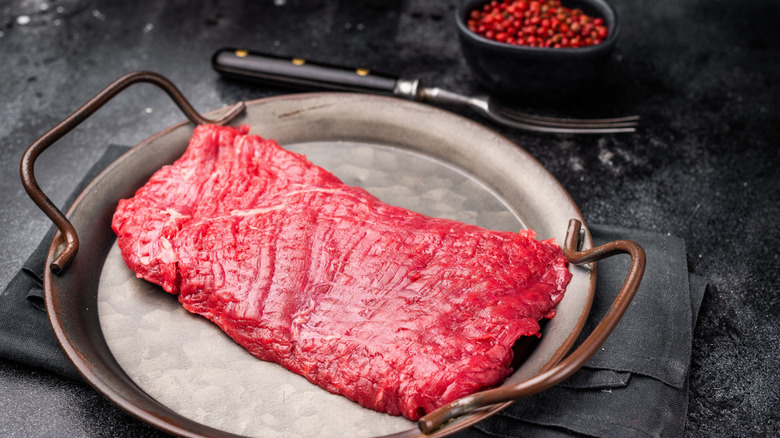
Another affordable alternative to ribeye is flank steak, which is a solid choice for similar reasons to top sirloin. Flank steak differs in that it's slightly tougher but it compensates by also being more flavorful, which translates to a more intense beefiness which some people will find quite enticing in a cheesesteak. To make up for the lack of tenderness, some people recommend marinating the flank steak after slicing it but before grilling it; something that can be done using a simple, 3-ingredient beef marinade. However, the most important step in preparing flank steak is to slice against the grain. This will cut through the meat's muscle fibers to give you a less chewy, more satisfying bite when you've grilled and served it on your cheesesteak.
Flat iron
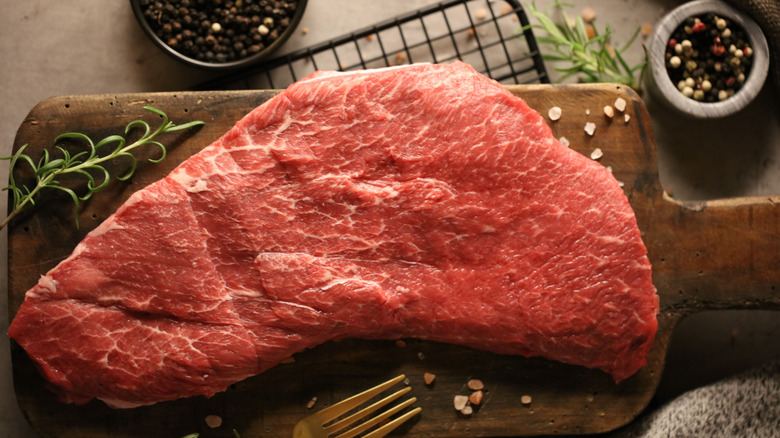
Known for being nearly as tender as filet mignon but with a meaty flavor on par with a New York strip, the flat iron steak is another viable cut of beef for homemade cheesesteak. Because flat iron steak cooks quickly even when grilled or sautéed whole, people tend to cut this steak in slices after it's done cooking. However, using the traditional method of shaving the steak beforehand to achieve an ultra-thin slice is still a valid approach. You'll just need to keep an eye out to ensure it doesn't overcook.
Brisket
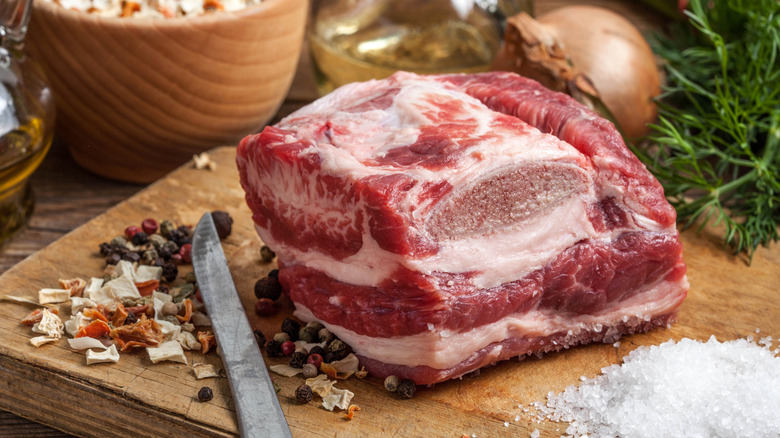
Moving on to cuts that don't work so well for cheesesteak, we'll start with brisket, which isn't a good choice primarily for logistical reasons. Because brisket requires several hours in the oven or smoker to cook properly, it doesn't really align with the fast-paced grilling methods that make cheesesteak so special. That doesn't mean brisket is outright incapable of being used for cheesesteak; by smoking brisket overnight to 165 degrees Fahrenheit, chilling it in the refrigerator, slicing it thin, then sautéing it with onions and cheese, you can certainly create a tasty sandwich. However, considering the time and effort this takes relative to simply using a ribeye or top sirloin, it isn't a cut we recommend for the job.
Short ribs
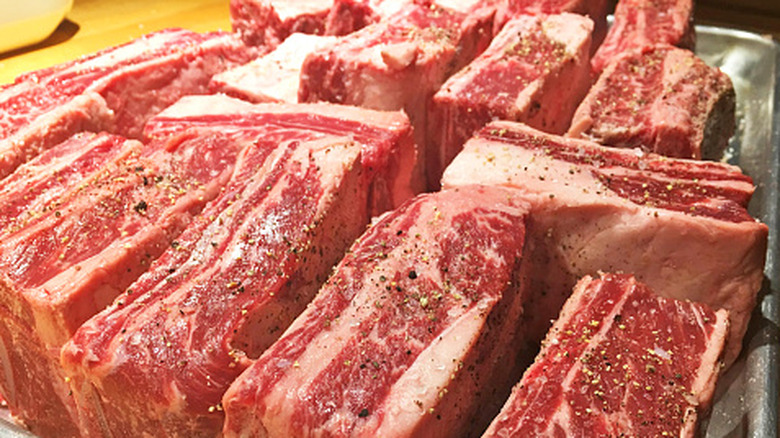
Short ribs are another cut of beef that technically could be used for cheesesteak but ultimately isn't worth the hassle. Short ribs are at their best when they're braised for at least a few hours — a cooking method that produces meat that falls apart into a deliciously stringy consistency but which doesn't take well to being sliced and grilled. So, while short ribs can be used alongside classic cheesesteak ingredients to make a sandwich, the taste and texture wouldn't live up to the classic cheesesteak profile you're likely hoping for.
Stew meat
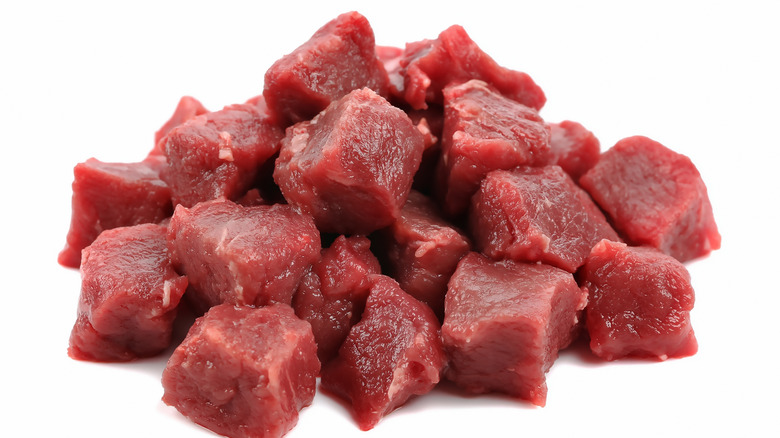
The least viable choice for cheesesteak would have to be stew meat, which should be avoided here for a multitude of reasons. Stew meat isn't just one cut of beef but rather a variety of cuts that are cubed and intended for soups and stews. These cubes are typically tough, lean, and (similar to braised short ribs) boast a texture that simply isn't a good fit for cheesesteak. So, unless you're planning to make cheesesteak stew, you'd be better off trying your hand at any other beef on this list.