

The 13 Best Compound Butters To Pair With Steak
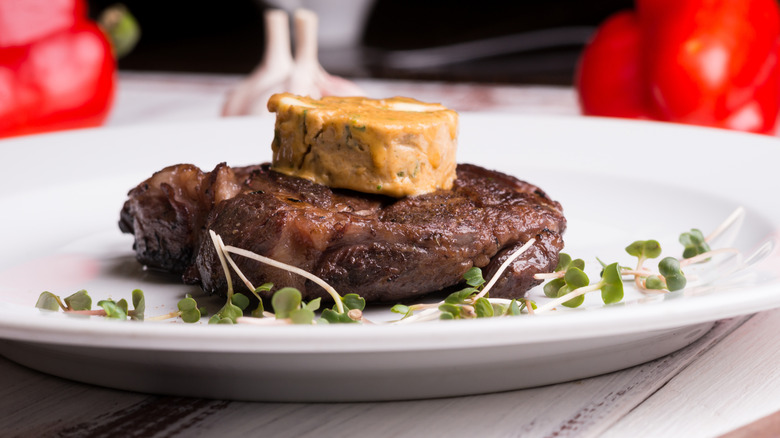
Whether using compound butter to elevate pasta dishes or as an easy flavoring option for a great cut of steak, the tasty addition is a secret sauce for many chefs. It's simple to make compound butter, it keeps well in the freezer, and it turns any meal just that little more special. We asked three chefs who know steak inside and out to share their go-to flavors, and the range of answers proves just how far this one technique can stretch.
Joseph Cadina, executive chef at StripSteak in Mandalay Bay, Las Vegas, brings a fine-dining eye to the technique while Steve Samson, chef and owner of Rossoblu in LA's Fashion District, leans into umami-heavy Italian influences. Samson is taking part in Dine LA Restaurant Week, which runs August 14 to August 28, 2026 and showcases Los Angeles as a premier dining destination while highlighting the diversity of culinary experiences LA has to offer. Finally, chef David Fricaud of La Monique in Santa Monica, draws from French and Mediterranean roots.
Between the three chefs, one thing becomes clear, fast: Compound butter isn't just a finishing touch — it's a chance to experiment. Whether that means sticking close to the classics or trying something unconventional, your next steak dinner is a good excuse to keep a few flavors on hand and see what works for your own table.
Red wine maître d' butter
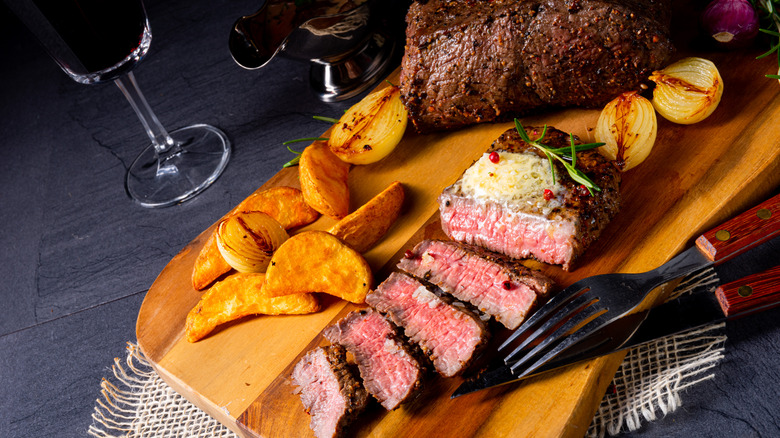
Let's start things off with a flavor that all our experts refer to as the classic that never fails. Built on fine herbs and aromatics such as parsley and lemon juice, maître d' butter is mixed — along with reduced red wine, in chef Joseph Cadina's version — into an harmonious flavor bomb. Cadina calls it tried and true. "The sweetness of the red wine balances the rich, deep flavors of the red meat perfectly," he says. "You still want to taste the fine cut of beef, but the compound butter is there to elevate and enhance the dining experience."
Chef Steve Samson takes a classic maître d' butter base and pushes it further, adding umami with either anchovies or dried mushroom powder. It's a small move that deepens the butter without changing its identity. Part of what makes maître d' butter such a staple is how amenable it is. It works as well on a ribeye as it does with a strip or a filet.
Chef David Fricaud names fragrant maître d' butter as his go-to for filet mignon. "With a good steak, I don't want the butter to hide the flavor of the beef," he says. "It should melt into the meat, mix with the resting juices, and enhance what is already there." The classic French-style compound butter he recommends leans on shallot, garlic, parsley, and thyme with a little lemon zest and Dijon mustard for brightness.
Roasted garlic butter
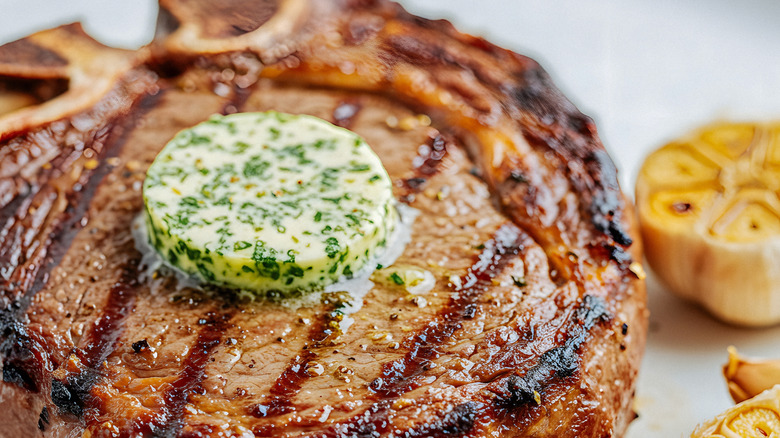
If you had to choose one flavor pairing for steak, odds are garlic would come up among the top three choices. Roasted garlic butter takes that natural chemistry of this beloved flavor combination and turns it into something ever so slightly magical. It's the first thing executive chef Joseph Cadina reaches for. "A great roasted garlic butter. Nothing says umami and invites you to dig into a steak quite like a beautifully roasted garlic butter," chef Cadina says. "The roasting process adds incredible depth of flavor and the aromatics instantly open up your senses and awaken your palate." Chef Cadina names it, alongside a red wine maître d' butter, as one of the two staples every home cook should always have on hand.
When roasted, raw garlic's sharp taste and pungent odor is mellowed out into something sweeter and rounder, closer to caramel than raw allium. Another advantage is that roasted garlic plays with just about anything else you might want to add, whether that's fresh herbs, a squeeze of lemon, or a bit of chili for heat. Melt it over a grilled ribeye, a pan-seared strip, or a reverse-seared filet, and it does exactly what a good compound butter should: It deepens the flavor already there without trying to steal the show.
Anchovy butter
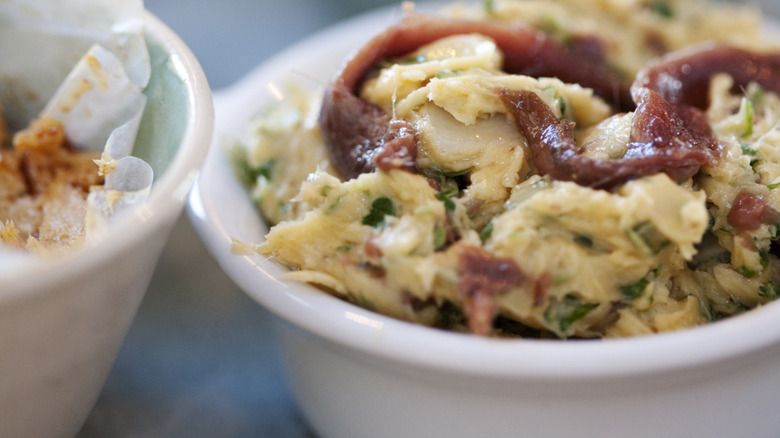
You may raise an eyebrow at the thought of anchovy butter but our experts guarantee that once you taste it, that initial skepticism will disappear fast. Chef Steve Samson builds the technique around hanger steak, and it's become one of his restaurant's signature moves. "We confit anchovies with garlic, blend them, then whip the mixture with butter, lemon juice, and chili flakes for a little kick," Samson says. "It's a real umami bomb, and goes perfectly with grilled meats."
Chef David Fricaud understands the hesitation. "People sometimes hear anchovy and immediately think it will taste fishy, but used correctly, it almost disappears," he says. "What remains is incredible depth and umami." His own version pairs anchovy with lemon, a combination he counts among his go-to swear-by ingredients alongside preserved lemon.
Slow-cooking anchovies (which are different from sardines) in oil softens their sharp, briny edge and turns them silky. After blending this into softened butter, what you end up with is pure savory depth rather than an overpowering fishiness. Lemon juice and chili flakes round the whole thing out. Without that spark of citrus, there is a tendency for anchovy butter to feel over-rich while the chili keeps it from settling into one-note territory. For steaks, anchovy butter works best on cuts that can stand up to this assertive addition. A well-marbled ribeye or a hanger steak gives the anchovy room to shine, while a delicate filet risks getting overwhelmed by it.
Whipped brown butter and sage
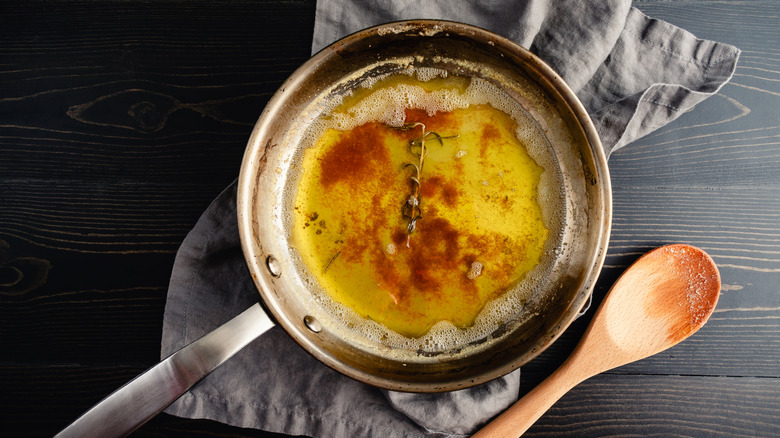
Next up is a butter that chef Steve Samson treats as one of his go-to pairings alongside a classic maître d' butter. "I love whipped brown butter and sage," Samson says. "You brown the butter, add sage after it's cooled a bit, and then whip it when it's completely cool. It's delicious."
We agree. There's something about the smell of butter browning in a pan that makes any kitchen feel instantly more accomplished. Browning butter means cooking it past the melting point until the milk solids toast and turn golden brown, giving off a nutty, almost caramelized aroma along the way. And while brown butter is great for baking, add an aromatic to the mix and you end up with a wonderfully savory addition to any meal.
Timing is of essence here, as any herbs added (sage is what chef Samson turns to) while the butter is still hot risks frying and dulling the herb. This is why Samson waits until it cools before stirring it in, then whips the whole thing only once it's fully cooled and starts to firm back up. When compared to red wine or anchovy butter, brown butter brings a different kind of richness with the flavor profile leaning into warmth and depth.
Truffle bone marrow butter
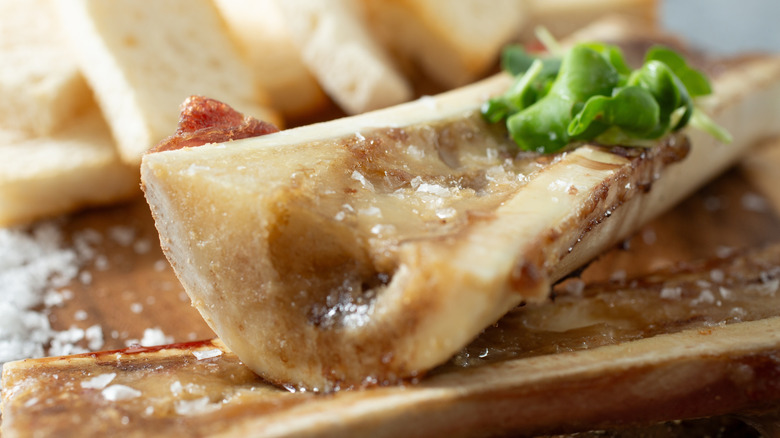
Some compound butters are built for everyday cooking, and then there are those that should be reserved for when you want steak night to feel like a full-on celebration. This extravagant idea comes from executive chef Joseph Cadina, who calls it his personal favorite even among a lineup of more classic options. "My chef's secret is luxurious and over the top: a truffle bone marrow butter," he shares. "For a palate that likes to be excited and stimulated, the umami-rich truffle paired with the beef-saturated bone marrow, all folded into smooth, whipped butter, truly takes a steak to the next level." Chef Cadina describes the way the two ingredients come together as something that happens gradually rather than all at once. "The way the marrow and butter meld together, heightened by the luxury of the truffle, makes the dining experience feel out of this world," he says.
Bone marrow gives butter a deep, almost meaty richness. Roasted until soft and scoopable, the bone marrow (which you can also cook in the air fryer) gets folded into whipped butter, where it melts seamlessly and adds a welcome savory weight — one that most standard compound butters could rarely match. Truffle then layers an earthy, aromatic intensity on top, the kind of flavor that fills a room before it even hits the plate.
Coffee, black pepper, and brown sugar butter
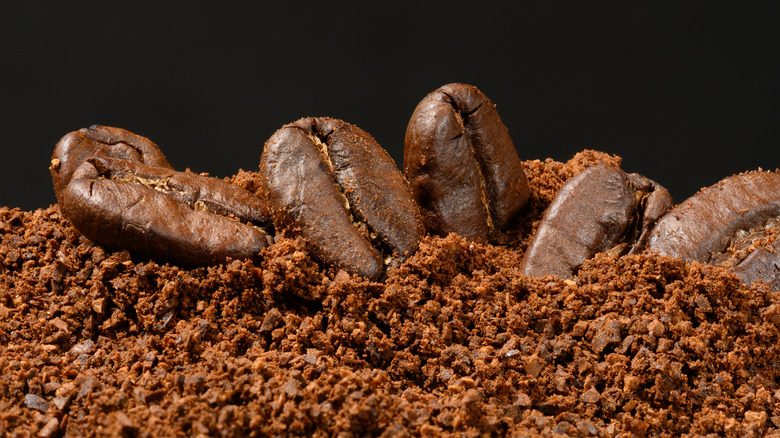
Chef David Fricaud stumbled upon this unique combination during an experimentative phase. And while he hadn't set out to reinvent compound butter, he realized that coffee was a flavor that instinctively complemented the sear on a steak. "One combination I really like is butter with coffee, black pepper, and a touch of brown sugar," he says. "You have to be very careful with the coffee, it should be subtle, but with a heavily grilled ribeye, it works surprisingly well. The bitterness of the coffee connects with the char from the grill, while a tiny amount of sweetness rounds everything out."
Adding black pepper to the mix brings with it the familiar sharpness that steak already knows well. In the background, a touch of brown sugar softens the coffee's natural bitterness just enough to keep the butter balanced — extremely important or you might just end up with some very dessert-heavy flavors. Keep in mind that this compound butter works best with a heavily grilled, well-crusted ribeye, where there's enough char and fat on the plate for the coffee to have something to connect with.
Black garlic butter
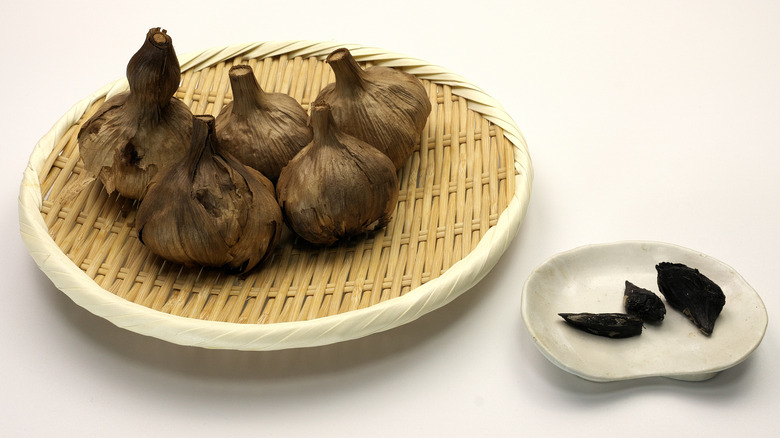
If you think you know what garlic butter tastes like (and are slightly bored of this combination), executive chef Joseph Cadina invites you to try black garlic instead. "I once created a black garlic compound butter and it really caught me by surprise," he says. "I wanted something different, approachable, yet slightly off the beaten path. The black garlic deepened the complexity of the butter and added subtle, spectacular flavors I wasn't quite ready for. It was earthy, slightly sweet, and intensely garlicky in the best way."
Chef David Fricaud pushes this further by pairing black garlic with miso for one of his go-to combinations on a well-crusted, grilled steak. "Miso brings salt and umami, while black garlic has this beautiful sweet, almost balsamic character," he says. "On a grilled steak, especially one with a strong crust, it becomes very interesting without losing the identity of the beef."
Black garlic is made by cooking whole heads of garlic slowly over weeks at a low, controlled temperature. The process turns the cloves black, soft, and sticky, and completely transforms the flavor along the way. You would be hard pressed to find the familiar sharp bite of raw garlic here. In its place is something closer to balsamic vinegar mixed with molasses, deeply savory with a natural sweetness that raw or even roasted garlic never quite reaches.
Latin American-style butter
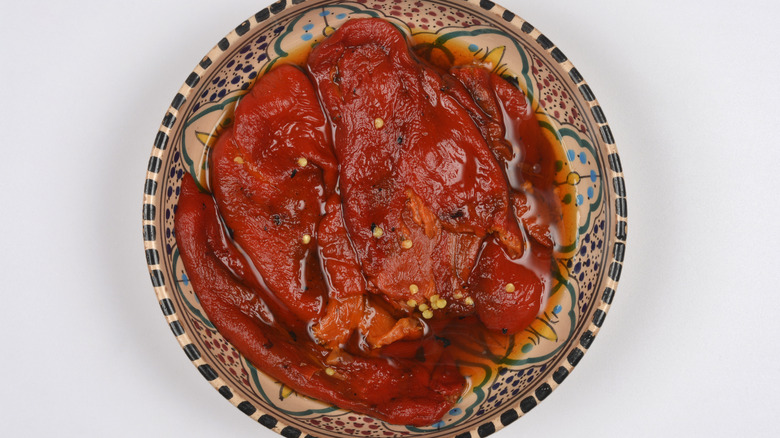
Executive chef Joseph Cadina treats the very concept of compound butter like a blank canvas that can take on whatever cuisine he's working with. Asked whether he leans into any regional flavor profiles, Cadina says he lets "the dish, the cut of meat, or the overall style of the meal set the tone." For a Latin American-inspired version, his approach is roasted peppers, lime juice, cilantro, and a touch of mezcal folded into whipped butter.
With this combination, each ingredient plays a specific role. There are the roasted peppers that add a smoky sweetness with their charred skins and soft juicy flesh. The lime juice adds the hint of acidity every rich compound butter needs to keep it from tasting flat. Cilantro, in turn, contributes freshness and a slightly herbal brightness. Finally, the surprise addition — mezcal, used in a small amount — helps adds a smoky, slightly vegetal depth that enhances rather than overpowers the butter.
Because the flavors lean bright, smoky, and a little bit sharp, don't expect this butter to behave the same was as a red wine or truffle butter. Where these would melt into a rich, glossy pool when served atop a steak, chef Cadina's version adds pops of contrast, a little heat, a touch of smoke, and a hint of citrus, cutting through the richness of the meat rather than doubling down on it.
Date butter
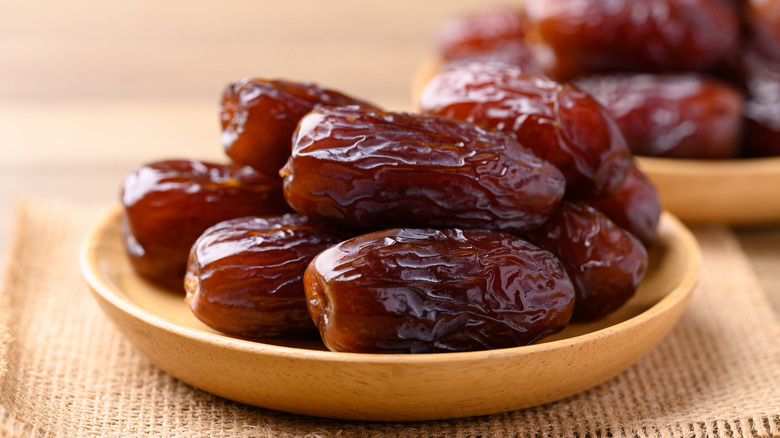
Steve Samson adds a wild card addition to his dream starter kit of compound butters. Chef Samson names a "savory sweet one, like a date butter" alongside a basic herb and a roasted garlic butter, treating it as one of the fundamentals every kitchen should have on hand. It's also one of the easier compound butters to make at home.
If you consider what dates naturally bring to the table, it's no surprise they work so well. They're deeply sweet with a caramel-like richness, and their sticky texture helps a compound butter cling to a hot steak rather than sliding straight off the sides. All you need to do is mash up or blend softened dates into a smooth paste before whipping into room-temperature butter. A pinch of salt or a splash of something acidic like balsamic vinegar helps keep the sweetness balanced rather than tipping into dessert territory.
Sweetness, when used carefully, has a way of making rich, savory meat taste even more savory by contrast. Because dates are rich rather than sharp or acidic, date butter tends to work best with leaner cuts like filet, where the beef itself doesn't have as much fat or flavor to compete with.
Tomato butter
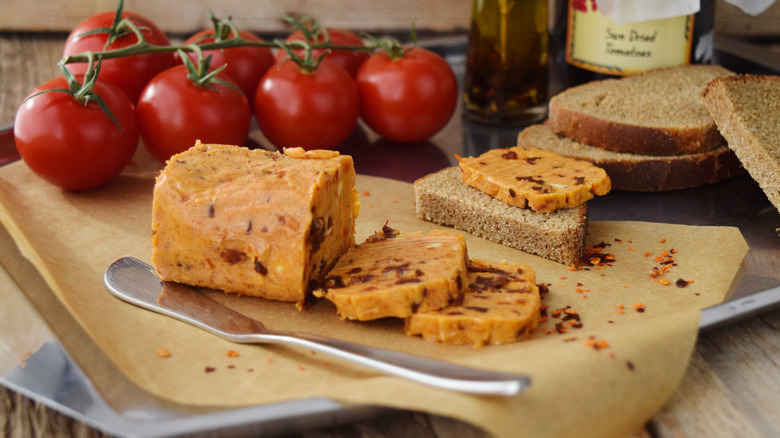
Compound butter usually gets built around rich ingredients — think red wine, garlic, or bone marrow. With our next addition, our chefs head in a different direction. Tomato butter leans into the bright acidity of late-summer produce instead.
"Tomatoes and butter are a great combo," chef Steve Samson says, part of a broader answer about leaning into whatever's in season. Executive chef Joseph Cadina takes a similar approach, but pushes the tomatoes further before they hit the butter. Rather than using them fresh, he roasts or confits leftover tomatoes first, concentrating their sweetness and softening their acidity, then folds them into the compound butter so their flavor carries something closer to sun-dried richness than raw brightness.
A word of caution if you plan to try this version: Fresh tomatoes contain a fair amount of water and this can thin out butter, or worse still, cause it to separate. Roasted or confited tomato, on the other hand, loses much of that moisture while its natural sugars caramelize, leaving behind a concentrated, almost jammy base. Use this as your foundation for a butter that bursts with flavor and holds it own structurally as well.
Green garlic and ramp butter
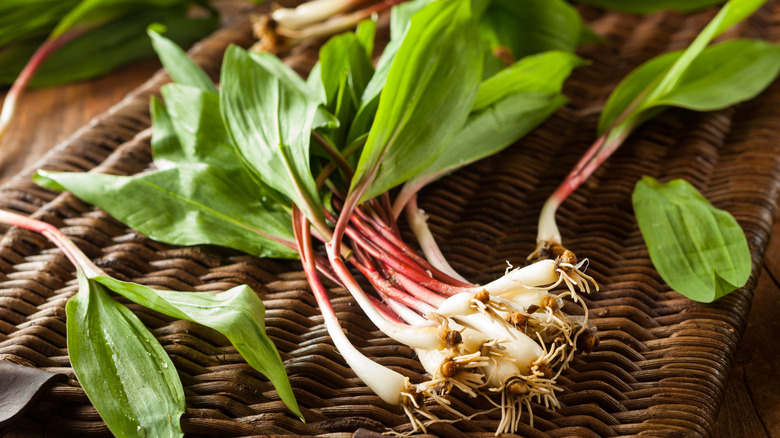
Some compound butters exist because a chef didn't want a fleeting seasonal ingredient to disappear the moment its window closed. That's exactly how this next version of compound butter came about for executive chef Joseph Cadina. Talking about how he handles seasonal ingredients, executive chef Cadina says that "toward the end of spring, we blanch leftover green garlic and ramps to preserve them well past the season." Folding this preserved batch into butter is one way to stretch a short window into something that lasts.
Green garlic is essentially young, immature garlic. This is a milder and more vegetal version than the fully formed bulb. Ramps are a wild onion relative with a complementary sharp, garlicky bite of their own. Ideally both should be blanched briefly in boiling water before blending into softened butter. Shocking them in ice water locks in their color and mellows their rawness without cooking away what makes them distinct. Once blanched, they can be chopped and folded into softened butter, or blended into a smoother paste first depending on the texture a cook wants. The result is a delicious way to extend the shelf life of an ingredient by being pulled out of the freezer months later.
Fennel pollen butter
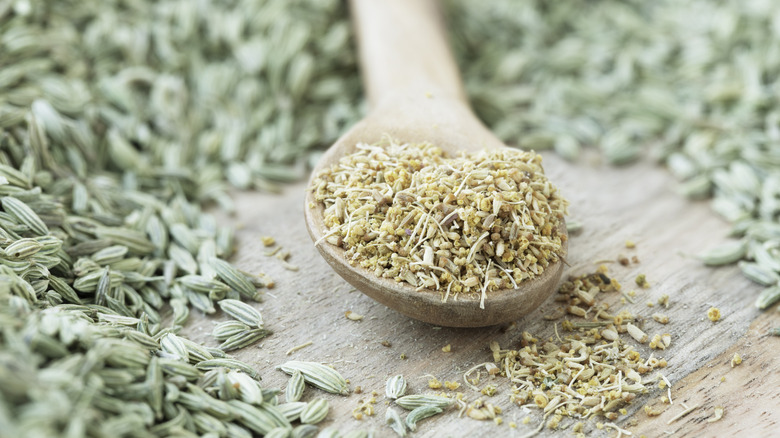
Asked what ingredient people don't think to put in compound butter, chef Steve Samson named anchovies first, then flagged fennel pollen as another favorite worth swearing by. Fennel pollen comes from the flowers of the fennel plant. These are harvested and dried before they turn to seed and carry a concentrated version of fennel's anise-like flavor. What's even better is that just a small amount goes a long way . This makes it a natural fit for compound butter, where a small amount can shift the entire flavor profile without changing the texture. It's also an easy one to make at home since there's no roasting, confiting, or reducing involved. Just whip fennel pollen into room-temperature butter with a pinch of salt, and let the ingredient itself do the work.
Worked into softened butter, fennel pollen adds a warm, slightly sweet, licorice-adjacent note that's less about heat or richness and more about aromatics. This is definitely a more subtle flavor profile than people might expect to be paired with steak so it's important to choose cuts that won't overwhelm it. A leaner cut like filet, or a thinner-cut sirloin, gives the fennel pollen room to come through rather than getting buried under heavy marbling or char.
Preserved lemon butter
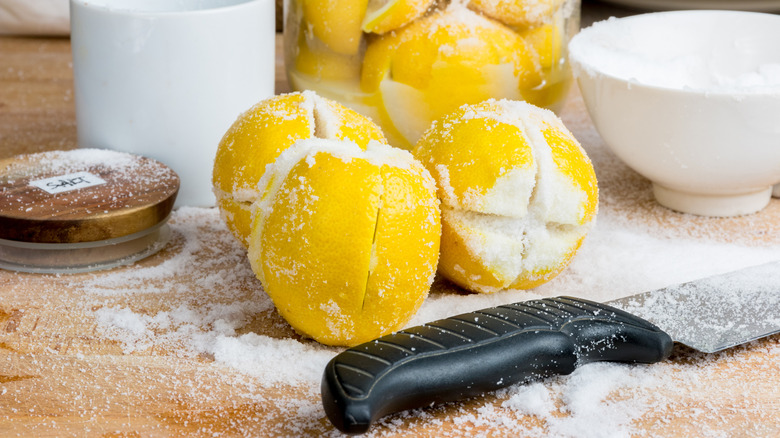
Preserved lemon doesn't get nearly the attention it deserves, and chef David Fricaud is ready to change your mind about it. It's one of two ingredients he names as swear-by additions to compound butter, right alongside anchovy. "Finely chopped into butter with herbs, [preserved lemon] gives you acidity, saltiness, and a slightly fermented citrus character that is fantastic with grilled meat," he says. It shows up again in his Mediterranean starter-kit butter, paired with parsley, anchovy, garlic, and Espelette pepper — a combination he describes as "bright, savory, and slightly spicy."
Remember, we are not just talking a squeeze of fresh lemon juice here. Preserved lemons are whole or quartered lemons that are packed in salt and left to ferment for weeks, sometimes even months. This process softens the rinds, mellows sharpness, and helps develops a deeper, almost briny complexity along the way. What you end up with is something salty and sour with a fermented edge that fresh lemon simply doesn't have. On steak, it's this very brightness and zesty flavor that makes it a strong match for richer cuts, where the fat needs something to cut through it.