

11 Pioneer-Age Desserts That We Actually Still Eat Today
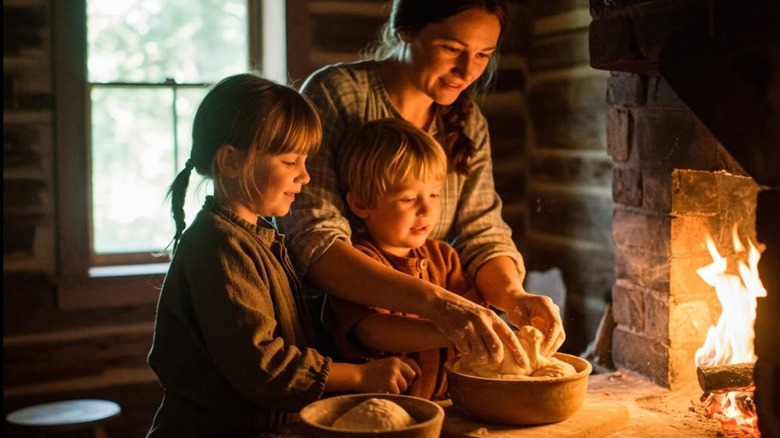
We've written about some of what pioneers cooked up to eat while out on the Oregon Trail. And while hearty stews, simple biscuits, and preserved mainstays kept hopeful homesteaders going one dust-riddled mile after another, there was still room for something sweet to grace the makeshift tables (whenever the ingredients allowed, of course).
As this will be an article focused solely on pioneer desserts, we won't be highlighting any recipes of that wild frontier staple the Pioneer Woman Ree Drumond herself hates baking: bread. But, back to those early sweet feasts on the frontier. It's safe to say life back in pioneer days wasn't exactly flush with heaps of luxuries (think sugar, butter, or any of those fancy baking accouterments you can swing by and scoop up at Sur La Table the second a craving hits).
Pioneer cooks were hardcore, hardened to life on the trail, and seasoned experts at making every ingredient available count. These early-day, trailblazing bakers were masters at stretching flour like canvas on a prairie schooner, weaving dried fruit into stellar skillet cobblers, making molasses magic in myriad ways, and essentially utilizing whatever fresh elements the seasons brought in inventive recipes that kept the entire wagon train moving forward (or log cabin bellies full and satisfied). What might be most surprising is how many of the humble sweets prepared on the prairies never really disappeared. Here are 11 pioneer-age desserts still rocking plates and bowls today.
1. Fruit cobblers and crumbles
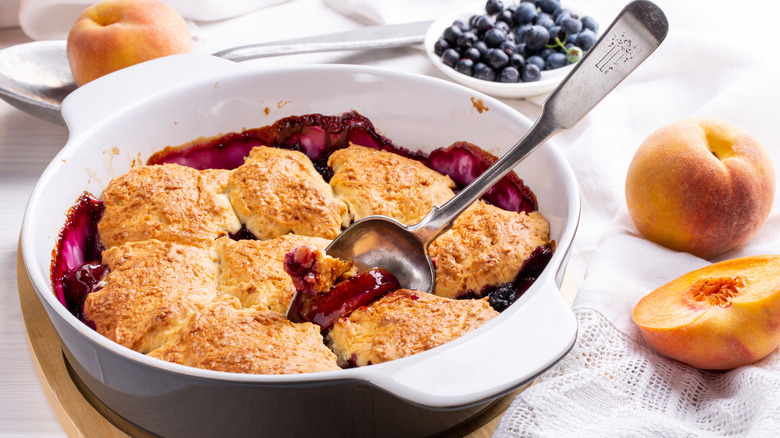
You may feel you've cornered the market on the recipe for the perfect fruit crumble, but what you may not realize is that long before your hungry eyes ever got a gander at an ingredients list or step-by-step instructions to make this pastry sing, pioneers were whipping up their own versions of fruit crumbles, cobblers, and more. And before you ask, yes, there are key differences between crisps, crumbles, and a plethora of other pastry pies. But back to those fruit crumbles and cobblers settlers back in the day were dishing out ...
Before precisely measured pie pans and modern, temp-controlled ovens were a thing, early American settlers had to get inventive. Unsurprisingly, European pies most-known in that time weren't exactly easy to produce when attempted over an open fire (go figure). For this reason, pioneer cooks had to make do with what they had. Enter berries picked fresh from the prairie, fruits plucked right from the orchard, or fruit dried to be utilized at a later day ... all simmered within Dutch ovens (most often made of cast iron). Then? These pioneer pie imposters were topped with a rustic covering of biscuit dough or simple crumble created from pantry staples.
Fancy pastry techniques? No. Practical resourcefulness with delicious results? Absolutely. These spins on pies tasted so good, they soon made their own migrations onto mainstream American dessert menus everywhere. Today, fruit cobblers and crumbles are common features at many a family dinner or social gathering.
2. Shoofly pie
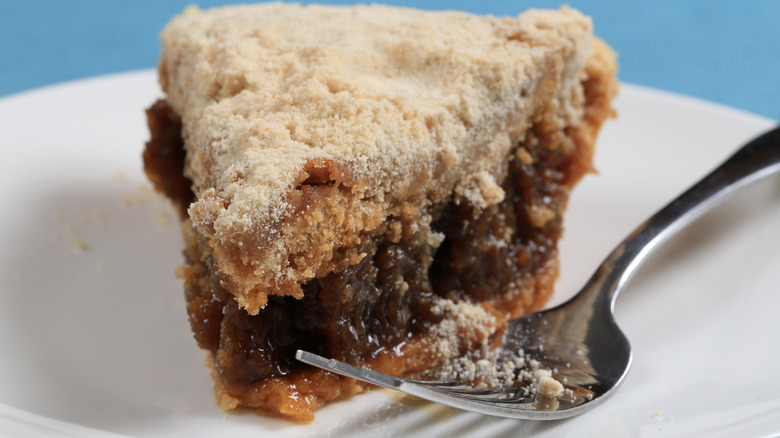
Perhaps one of the most iconic Pennsylvania foods out there today, shoofly pie can actually trace its origin way back to pioneer days. Far before becoming a beloved regional specialty, shoofly pie was brought to life by German-speaking immigrants who settled in The Quaker State in the latter part of the 1600s. Not only did these travelers carry their hopes and dreams for building a new life along with them, but they also brought their tried-and-true baking traditions (and mouthwatering recipes) along, too. It was those tasty traditional dishes that would become the core base of what we now know today as classic Pennsylvania Dutch fare.
So where does shoofly pie fit into all of this? Glad you asked. It was nearing the latter portion of the 1800s when bakers were cited as creating the molasses-infused treasure that's so well-known and beloved today. Specifically, many historians connect its creation to America's 1876 Centennial celebration.
Its basic, no-frills ingredient list made shoofly pie particularly preferred in pioneer kitchens. The simple filling of molasses, flour, sugar, and water needed no fresh eggs or milk, allowing the pie to keep much longer than other baked goods. That more lengthy shelf life was a real lifesaver in those days (Frigidaires were not a thing on homesteads, you know). And now? The pie's unmistakable, and delicious, flavor has ensured its preservation in the taste category, and shoofly can be seen everywhere, especially in the Pennsylvania Dutch communities.
3. Mock apple pie
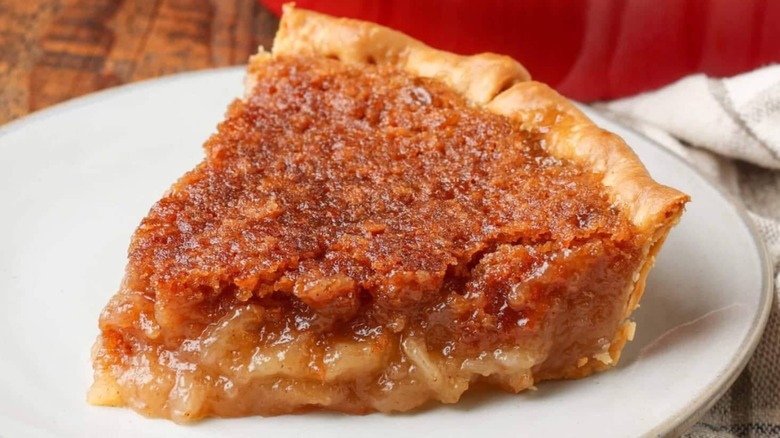
For those unfamiliar with this next pioneer dessert, mock apple pie, you may be totally in the dark as to what in the world we are referring to. Like, scratching your head and mumbling beneath your breath: "What exactly is mock apple pie anyway?" The answer surprises almost everyone upon first hearing it, because there aren't any apples in this pioneer-age pastry at all. Instead, resourceful cooks stumbled across the fact that the delicious dupe of using crackers soaked in a mixture of lemon juice or vinegar, sugar, cinnamon, and other spices could actually mimic near identically the texture and taste of cooked apples. It proved an ingenious alternative for when fresh fruit just wasn't anywhere to be found (no grocery stores with year-round produce for pioneers, remember).
The recipe for the mock apple pie traces back to west-bound pioneers, who often found themselves traveling through places where apples were scarce to find, or impossible to store. Instead of throwing up their hands and relinquishing all hope of enjoying their favorite apple pie dessert, ever the trailblazers, pioneers adapting with impressive creativity, using whatever they had in the pantry to pinch-hit.
What continues to fascinate people is how convincing the finished pie is. Modern home bakers express disbelief (nearing shock) after tasting it, especially once realizing the filling contains zero fruit. Food historians have even explored the science behind why the combination fools so many mouths. Whatever the faux-pastry magic is, people then, and now, seem to embrace it.
4. Vinegar pie
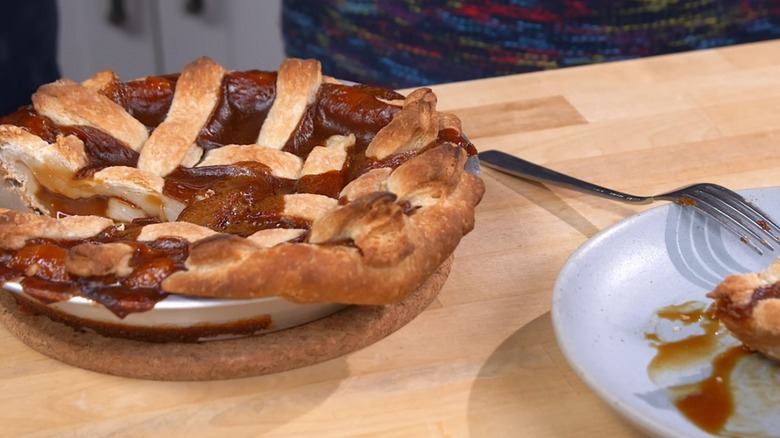
Upon first hearing its name, this next pie strikes a bit of a sour note to the ear. We're talking about vinegar pie, which admittedly doesn't sound like something anybody would be excited to bake (much less consume). But don't be so hasty to come to such a conclusion, as this old-fashioned dessert has been delighting taste buds far before the Great Depression, despite often being mistakenly categorized as a Depression-era invention.
The facts? Vinegar pie's real origin story points back to the pioneer days, when settlers often found themselves without supplies of fruits or fresh dairy (you know, the staple ingredients of pies). But rather than abandoning the idea of enjoying dessert altogether, cooks in the olden days reached for whatever they could get their hands on — essentially whatever could sustain long stretches of time on the shelf. Baddabing, baddaboom, the unlikely heroine of vinegar enters the stage. Once mixed into a basic custard filling and baked, the vinegar's acidity is surprisingly subdued, leaving a taste many liken to lemon, and thus creating a radically new spin (and shockingly delicious) pie ... without a single piece of the usual star of the show, fruit.
Understandably, this dessert was a perfect fit for the frontier lifestyle — ingredients were cheap, shelf-stable, and easy to transport being just a few reasons why. Historical evidence suggests the recipe was already circulating by the the mid-1800s, and still today, vinegar pie continues to pleasantly surprise first-time tasters.
5. Rice pudding (pioneering version known as Spotted Pup)
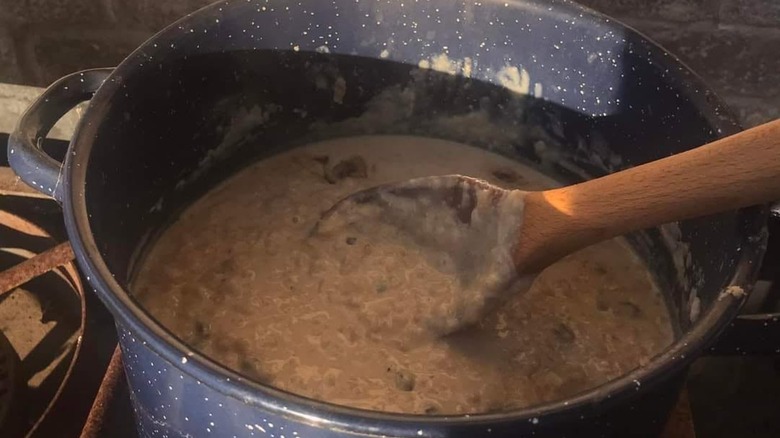
Believe it or not, there was a time before Jell-O pre-packaged pudding cups, when folks actually had to make the dessert on their own, relying solely on whatever ingredients were had available to them. The earliest of these clever pinch-hitting home chefs? None other than pioneer folk, who were turning their stores of humble rice into one of the most comforting (still favored) desserts around.
Back then, it was actually known as "Spotted Pup," and the fact that rice was the main core ingredient comes as no real surprise. After all, rice became more and more of a must-have essential as settlement expanded across the frontier: It was easy and sturdy to store, easy to transport, and was a wealth of nutrients for energy pioneers relied upon to fuel physically demanding days.
But at the end of the long days, when meals for fortitude and sustenance had been consumed, ingredients left over (rice included) could then be used to crown the end of the day with a rare sweet treat. Enter Spotted Pup, or as most know it today, rice pudding (made with a little more than sugar or molasses, milk when available, and whatever raisins or spices were already on-hand). And the name? Apparently, the dish was nicknamed "Spotted Pup," due to the appearance of the raisins often scattered throughout the pudding.
6. Chess pie
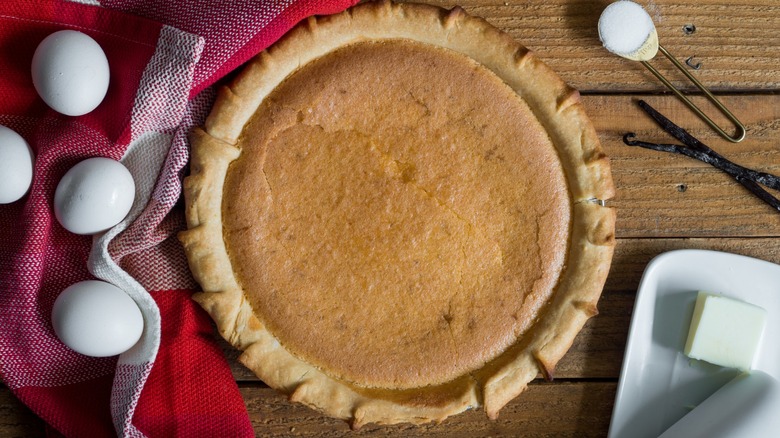
Another dessert that showcases the pioneer use-whatever-you-have mentality is chess pie. With fresh fruit unavailable year-round back in those days, this custardy pie consisted almost entirely of ingredient staples that most homesteads already had within reach. The original creation of the pie points to Colonial America, when bakers gleaned inspiration from British recipes brought across the pond. Eventually, these were tweaked and became what's now most closely linked with the South.
So, what is chess pie exactly? Basically, it's eggs, butter, sugar, and just a bit of either cornmeal or flour, coming together to produce a pretty yummy, smooth and rich filling that's baked into a pie that boasts a lightly crisped top. Due to the fact seasonal fruit was not required, chess pie was an instant, no-brainer pick for pioneers whenever they wanted something sweet, but couldn't rely on apples, peaches, or the like to sweeten each slice.
Food historians have likened chess pie as kind of a pantry pie, an apt description due to the fact that almost every ingredient could be stored for lengthy amounts of time in, you guessed it, the pantry (aka without refrigeration). The unusual name has inspired countless other explanations over the years, though. Some believe it stemmed from "cheese pie," while others point to old pie chests used for storage, or even the phrase "just pie" (when spoken with a drawn out Southern twinge only, of course). Whatever the true story, the dessert has elated diners for centuries.
7. Sugar cream pie
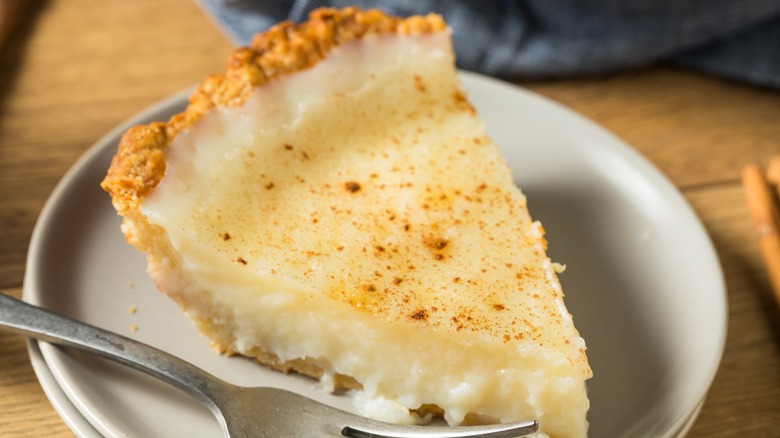
Looking for a delicious dessert with an impressively short ingredient list? Feast your eyes on sugar cream pie, affectionately known as Hoosier pie. This simple pastry became a favorite on the frontier thanks to how it magically transformed what most pioneer kitchens boasted (a nearly empty pantry) into a dessert option that tasted wonderfully decadent. The pie is widely associated with Indiana, which happens to be where Shaker and Amish communities are given credit for popularize it after they settled in the area in the 1800s.
Instead of depending on sometimes scarce seasonal fruit, these folks whipped up cream, sugar, and some kind of grab-and-go thickener (often flour, though some later recipes used cornstarch or eggs), then placed this mix right inside a pie shell and baked it all up. The result? A smooth-as-silk pie filling that took surprisingly little effort, yet tasted like something one could have been toiling over all day.
Like other yummy options in this pioneer-age dessert list, since the recipe relied mostly on pantry products and fresh cream from the farm, it effortlessly fit life on the frontier. Like many so-called "desperation pies," the hard, frugal life of bare necessities birthed the need for creativity. This produced a dessert that eventually became beloved (and has remained as such, especially in Indiana). In fact, food writers still recognize it as the state's signature pie.
8. Applesauce cake
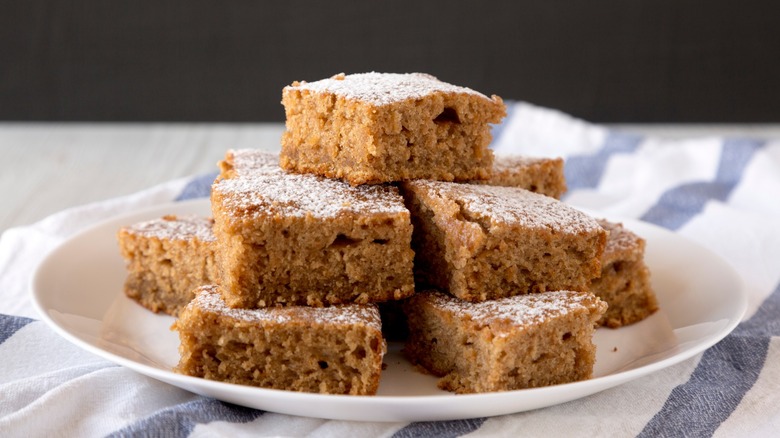
You, a modern human living in a world of convenience, may think of applesauce and instantly envision pre-made jars sold at the local grocer. And fair. But long ago, the pioneers made that golden goodness from scratch, pulverizing fresh-picked apples into a silky, lightly spiced and spoonable dessert. So, it makes perfect sense that utilizing this homespun sauce in a similarly made-from-scratch, simple cake (hello applesauce cake) was the logical next step.
It was actually European settlers who first introduced apple seeds to the American colonies, and from there, orchards sprouted up. Ever the practical people, to ensure none of the apples were wasted, pioneer chefs cooked the fruits into sauce, which could then be used in baking recipes. Discovering that applesauce was a moisture-rich ingredient that naturally mirrored the qualities of butter, eggs, and fats (for a fraction of the effort or cost to procure), pioneers added a sprinkle or two of spice and had the basic recipe for applesauce cake.
The cake's popularity grew even more when World War I broke out, as rationing forced home cooks to stretch to the limit whatever ingredients they had (even substituting items, like applesauce for other baking staples, whenever possible). Today, applesauce cake remains closely linked to America's early food traditions, with historic museums even preparing it as part of colonial cooking demonstrations, giving visitors a literal taste of how resourceful early families baked to make each season's harvest sublime, and stretch.
9. Bread pudding
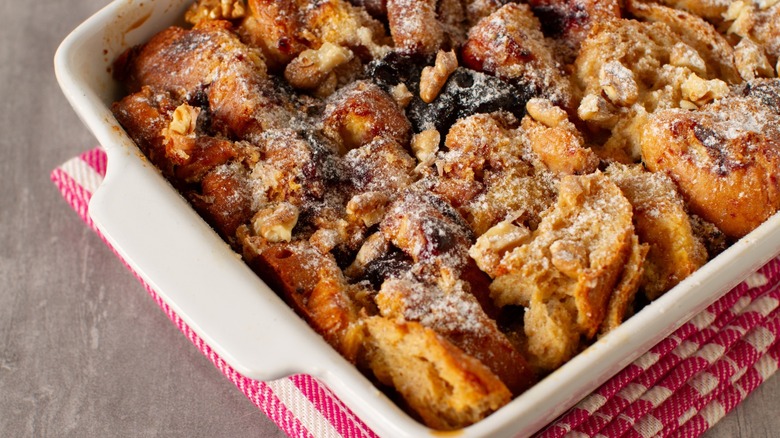
As you've surely gathered by now, in pioneer life, waste simply wasn't an option. A dessert that showed this frugal mindset was bread pudding. It began as a smart way to save stale bread from being rendered entirely unusable. Yet what was designed as an afterthought to reduce waste, ended up becoming a signature (and scrumptious) dessert.
Before you are tempted to give the credit to pioneers entirely, we should share that the recycling-adjacent idea actually was taken from medieval Britain, when cooks were known to salvage old bread by softening it, rather than tossing it out. These very early iterations were definitely more simple (not the custardy and decadent affairs we now know and enjoy today). It wasn't until the 1700s that cookbooks started showing bread pudding recipes incorporating such seemingly luxury ingredients alongside the bread — think cream, eggs, butter, dried fruit, even spices, too. Then, when settlers sailed to America, they carried those bread pudding baking traditions with them, soon becoming pioneer women who would further tweak the recipes using whatever bread leftovers they had within reach.
For example, on the frontier, it was mostly dried bread, biscuits, or even leftover Johnnycakes that would be torn into pieces and soaked in a mixture of milk, eggs, sugar, and spices before being baked. It was really the ideal dessert, as it needed no more than the bare basics, and left literally nothing to go to waste when all was said and done.
10. Johnnycakes with maple syrup or molasses
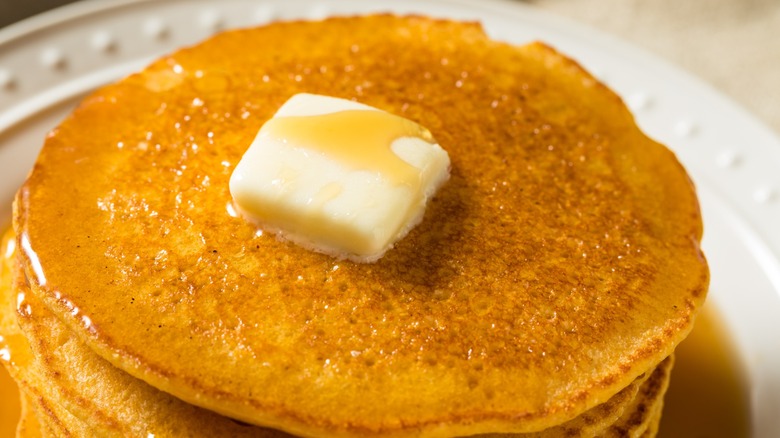
You could think of Johnnycakes as the practical, pioneer-age predecessor to modern boxed pancake mixes. Way before those pre-packaged affairs, even pre-dating a time when flour was readily available in abundance, early settlers relied on cornmeal to do the heavy lifting when it came to their breakfast stacks.
Cornmeal was an excellent option as a core component, since it traveled easily and could be stored for lengthy amounts of time. It also was a cheap choice for filling hungry bellies when the more rare wheat flour just wasn't around. Whether Johnnycakes were cooked right alongside a wagon trail, or whipped up within a no-frills frontier cabin, these humble cornmeal cakes were a common sighting around the breakfast table, and could moonlight as a pretty dazzling dessert, especially when doused with a tiny trickle of something sweet (looking at you, maple syrup or molasses). The earliest iterations consisted of cornmeal stirred in water, either skillet-fried or cooked over an open fire.
If butter, salt, sugar, or milk was available, pioneer cooks would assuredly add them, but those ingredients were often rare, indulgent extras, not common components. As for the name, many historians believe it may have stemmed from "journey cake," referring to how easily portable the cornmeal cakes were, even during lengthy treks. Others trace the recipe even further back to Native American communities, who were said to have first taught European settlers how to grind corn and prepare simple recipes with it.
11. Horehound and honey candy
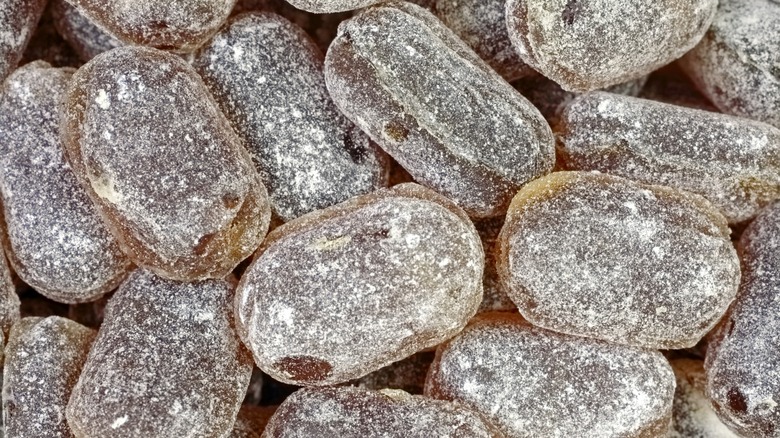
While candy aisles are now filled with rows of chocolate bars, gummies, and much more, pioneers looking to calm their cravings reached for homemade hard candies. This choice had as much to do with practicality as it did with taste (although they were delicious). This meant hard candies that could handle lengthy journeys, as well as survive months in storage.
Ingredients like honey and molasses lent the candies their sweetness, while wild herbs growing nearby often brought even more flavor to each natural sugar-infused disc. One of the most recognizable of these scratch-made hard candies was horehound, an old-fashioned herb that is known for its distinct, bittersweet flavoring. Not only was the taste of horehound a bit divisive, but it also pulled surprising double-duty (as both a candy treat and unexpected remedy).
You see, before it became a hit as a hard candy, horehound was already being used in traditional herbal cures. Eventually, once the herb became a common staple on the frontier, folks discovered they could boil it down until it melted and was able to form hard enough exteriors to keep for quite some time. And since frontier communities seldom had access to chocolate (a real luxury back then), creating hard candies like these was a win-win. To this day, candy makers still produce similar confections.