

11 Tricks To Pick The Freshest Fruit At The Grocery Store Every Time
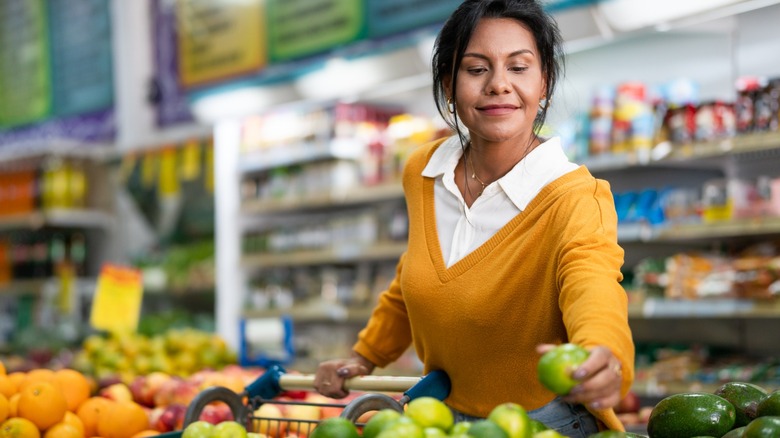
It's just a fact that, sometimes, even the most experienced shoppers find themselves falling into the dreaded pitfall of bringing home produce that looked promising at the store, but failed to deliver the great taste they were hoping for once sliced open and sampled. Many fruits tend to trip up customers when they're searching for the best pick of the pile. While we've written about when each summer fruit tastes best, what specifically to look for is a different matter, and is exactly what we wanted to focus on.
Many fruits provide us with some pretty telltale signs as to what's happening beneath the skin. From texture to weight, and even distinct details (like that field spot on a watermelon), shoppers can determine whether a fruit was picked at the right time, stored properly, or is ready to enjoy immediately. Knowing exactly what to look for can make all the difference between a beautiful bite and a real bummer.
Experts, growers, and fruit connoisseurs have uncovered some simple techniques to improve the odds of selecting a winner when browsing through the produce section at the grocery store. So, before your next trip, take a few moments to familiarize yourself with these fruit-selection tricks. They may help you skip over the duds and head home with fruit that's sweeter, juicier, and fresher.
1. Look for a creamy yellow field spot on watermelon
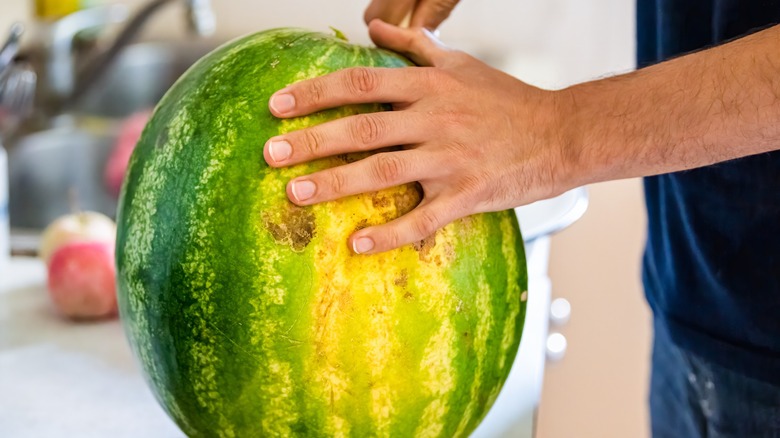
When looking to nab the ideal tasting watermelon, there is a can't miss clue that can turn what would've otherwise been a real "Is it ripe yet?" guessing game into a near surefire way of picking a sweet fruit. Located on the underside of the melon, that discolored patch (known as the field or sugar spot), marks the place where the watermelon rested on the ground while it was growing out in the field.
The science of it all explains everything (and makes absolute common sense). The longer the melon remained attached to the vine and was allowed to ripen naturally, the more that field spot changed color. When grocery shopping, looking for a field spot that is creamy yellow, or even slightly golden, is the way to go. That's because this hue is generally a sign the melon had ample time to mature before being harvested. In contrast, when you see a pale white spot, that often suggests the fruit was picked too early and may lack the sweetness people expect, especially from a summertime watermelon.
It's a great tool to have in your toolbox. In fact, some produce experts even consider the field spot among the most reliable indicators when choosing your watermelon. While no single trick guarantees the perfect fruit purchase every time, the field spot test is fast, easy, and requires no tapping, thumping, or other watermelon expertise.
2. Choose citrus fruits with smooth, glossy skin
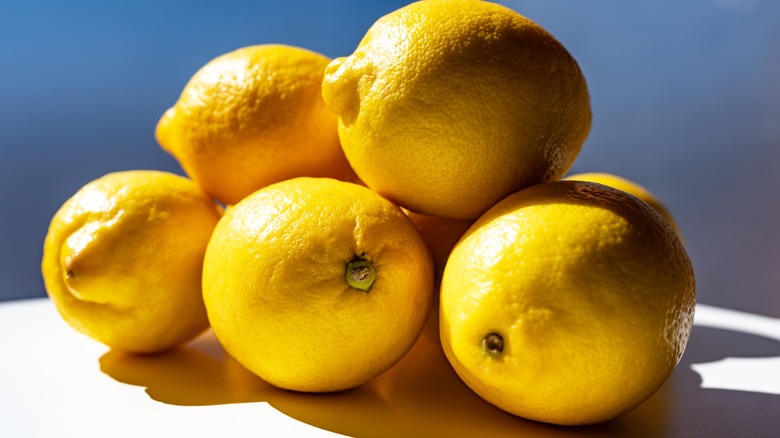
Whether you're shopping for oranges, lemons, limes, or grapefruit, the peel can reveal quite a bit about the fruit before you even slice into it. One of the simplest visual checks is taking a look at the texture and appearance of the skin. The freshest selections of citrus fruits generally look bright, smooth, and a bit glossy. A peel that looks polished rather than lifeless and dull often signals a fruit that still holds plenty of moisture inside it (hence, more juicy goodness to look forward to biting into).
In contrast, rough, super-textured, or really bumpy skin can signal a thicker rind, which often means more of the fruit's weight is tied up in peel versus juice-yielding interior sections. While thicker-skinned citrus isn't necessarily poor quality, shoppers looking for maximum juice gravitate toward fruits with this sleeker exterior for that very reason.
It's also worth checking for signs of aging. Wrinkled areas, shriveling, soft patches, bruises, or spongy spots suggest moisture loss or overall deterioration. When looking for optimum freshness, shoppers should seek out citrus that feels firm and looks vibrant rather than tired and dried out. Fresh produce tends to advertise its condition visually long before flavor begins to decline. Color alone isn't always the best guide here (especially since citrus can display varying shades depending on growing conditions, so the appearance may not always reflect what's happening inside). That's why texture often provides more useful clues.
3. Avoid strawberries with white shoulders around the stem
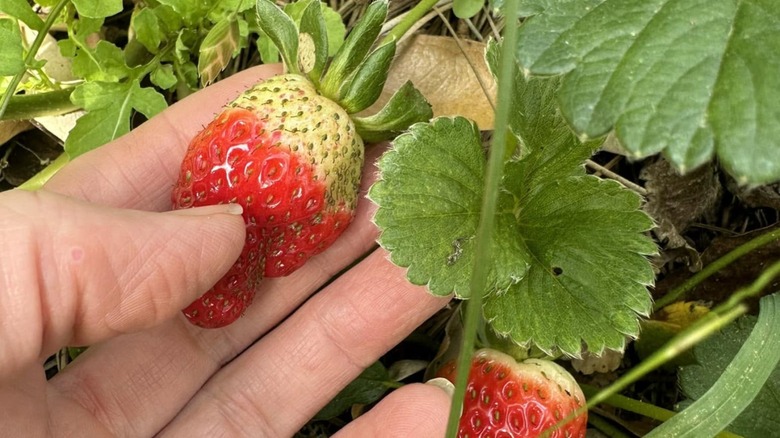
When it comes to the best game plan for how to pick ripe berries at the store, there is one tried-and-true trick that is a surefire way to help ensure you sidestep the unripe fruits among the crowd. It stems from the knowledge that strawberries are among the few fruits that stop ripening once picked. This means that, unlike bananas, peaches, or avocados, strawberries don't continue developing sweetness after harvest. This also means that paying close attention to the color of strawberries at the store really matters (much more than most shoppers realize, in fact).
One of the biggest warning signs (colors to avoid) is the presence of white or pale areas near the strawberry's stem. Often called white shoulders, these paler patches indicate the strawberry was picked before it was able to fully mature on the plant. While the strawberry may gradually soften after purchase, the flavor itself won't magically become any sweeter (as you would likely hope). Translation? What you buy is what you get (and those white shoulders are telling you: She ain't that sweet).
The advice? Look for berries that display a consistent red color from tip to stem. A uniform appearance of crimson usually signals a fruit that was allowed to ripen more completely before being harvested. Those small white shoulders may seem insignificant, but they often reveal the difference between sweet, flavor-filled strawberries and those that never quite reached their full potential before being plucked.
4. Leaf-test pineapples
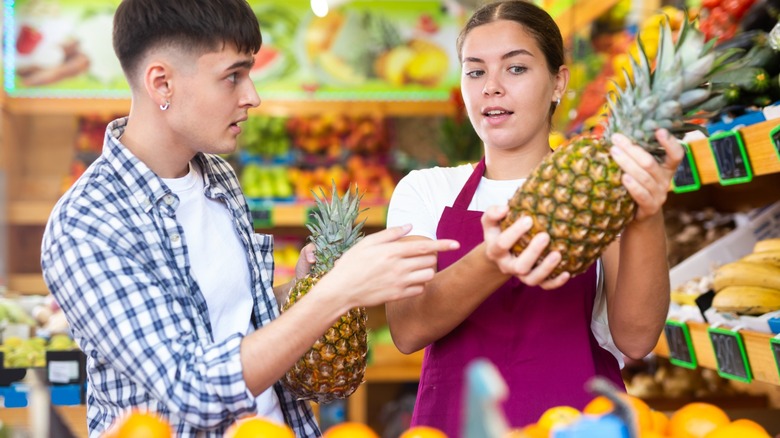
Sadly, pineapples don't come with expiration dates or labels revealing when they are ripest. The good news is that they do offer a surprisingly trustworthy clue for shoppers when selecting, and it's located right on the tops of their heads. According to many growers and produce experts, the crown can reveal whether the pineapple fruit is ready to eat, and all it takes is a gentle tug.
The trick hinges on focusing your sights (or grip) on one of the leaves growing from the center of the pineapple's crown. Carefully grasp a single leaf and pull. If the chosen leaf slides out with only slight resistance, that's often considered a clear sign the pineapple has reached a near-ideal phase of ripeness. Should the leaf refuse to budge (or requires significant force when enacting that tug), this likely indicates the fruit still needs more time to ripen.
The reasoning comes down to science (specifically, texture changes inside the pineapple). Apparently, as the fruit matures, the flesh softens and loosens its grip on the leaves. Hence, the exact same process that improves eating quality can make those center leaves easier to remove. While we're focusing on the leaves, these can also provide visual info regarding ripeness (no tugging involved). Fresh-looking green foliage is usually a positive sign, but a crown stymied with dry, brittle, or heavily browned leaves usually is a clear indicator that a pineapple is beyond its prime.
5. Test ripeness with the Weight Rule
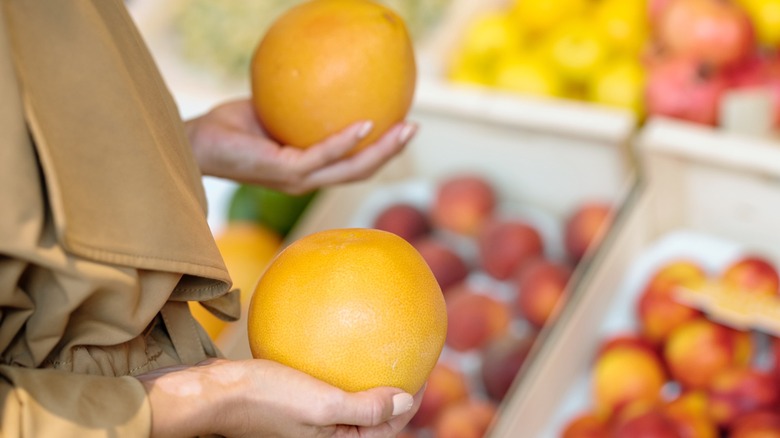
When it comes to many fruits, bigger isn't always better. In fact, in many scenarios, it's actually a fruit's weight that spins a more useful tale when selecting for peak freshness and optimum taste. Experts agree with this hypothesis of weight trumping size, often recommending comparing similar fruits, then selecting the one that feels noticeably heavier in your hand.
The logic behind this approach makes perfect sense. Fresh fruit contains a high percentage of water. As produce ages, it loses moisture, which can affect both texture and flavor. This means that a fruit that feels heavy for its size often retains more of that internal water content, which makes it more likely to be juicy, crisp, and appealing than its lighter, less moisture-filled counterparts. This rule of thumb works particularly well with citrus fruits (oranges, lemons, grapefruits). Test it for yourself, and you will no doubt find that while a pair of oranges may appear nearly identical from the outside, the heavier one will more often than not be juicier. This same concept applies to many other fruits where moisture plays a core role in eating enjoyment, like melons.
Ready to take action, shoppers? Trying this test is easy. Simply pick up two similarly sized fruits (let's go with one in each hand). Some fruits will feel dense and substantial, while others, especially in contrast, will seem unexpectedly light. Those lighter fruits have likely begun losing freshness (so put those back, pronto).
6. Browse berries using the container flip trick
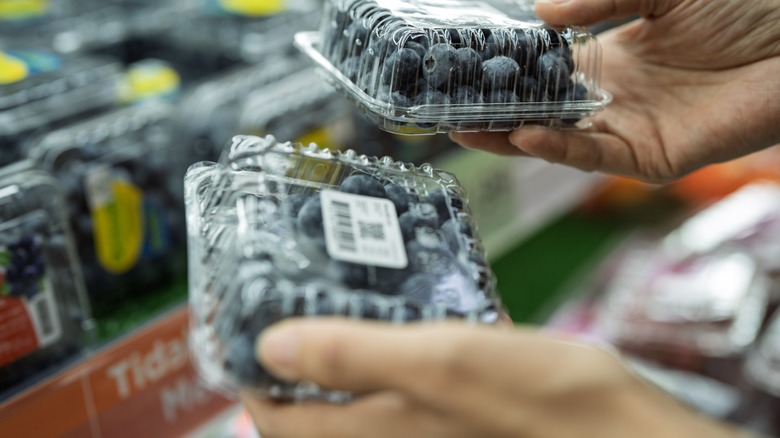
It's that time time of year, when we roll out recipes for that perfect fruit crumble, with the full intent of taking advantage of berries at their peak. Incredible plan, right? But, these days, berries are getting pricey, and, if you're anything like most parents, especially when your children can eat expensive berries by the handful, the last thing you want to do is waste your hard-earned money on a tiny container that has half of its contents already on the way out. Luckily, there exists an excellent way to gauge whether or not your berries are going to be blissful, or a big bust. Even better? This berry buying hack only takes a few seconds to enact, and can ensure no problem berries even make it near your shopping cart.
The plan of attack for this ripeness detecting protocol is easy. Simply turn the berry container completely upside down and look closely at the bottom. If the berries cling to the absorbent pad or leave behind evidence of wetness (via sticky stains and the like), there's a good chance some fruit is already on its way out.
Why? Because that moisture is usually an early warning sign of bruising or spoilage hidden just beneath the top layer. It's a remarkably simple habit that can save you loads of money, plus reduce food waste and help ensure your berries last longer once they reach your refrigerator.
7. Sound check melons for that deep, hollow thud
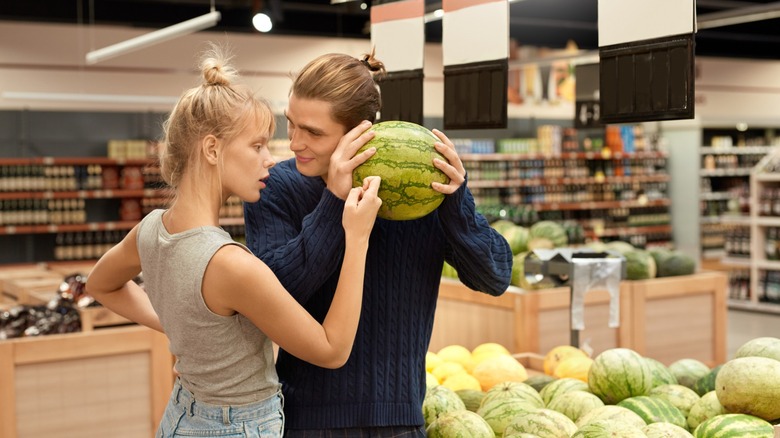
Among the biggest mistakes when buying watermelon (any melons, really) is failing to listen to your ear. What do we mean by that? We're talking about the tried-and-true sound check trick. You may have already heard of it, as shoppers have been thumping watermelons for generations. And, while it might seem a little strange (you there, standing in the middle of the produce aisle, thunking away), there is actually method behind this loony looking madness. The logic lurking behind the quick sound check is that this tonal trick can reveal clues about what is happening inside the fruit, far before you even slice into it.
All you have to do is give the watermelon a firm knock with your knuckles, while listening carefully to the sound that comes back. A ripe melon will emit a deep, hollow tone that suggests the interior is full of water and has developed the texture most people hope for when slicing into a fresh watermelon. Any other sounds can be warning signs to steer clear of that fruit.
For instance, a high-pitched pinging sound may likely suggest the fruit is still underripe and hasn't fully matured. A flat, dull thud, on the other hand, tends to signal the melon is overripe, dry, or even beginning to lose its nice, pleasant texture. The ideal echo will fall somewhere between those extremes on the spectrum.
8. Pick banana bunches with shorter stems and green-tinged bases
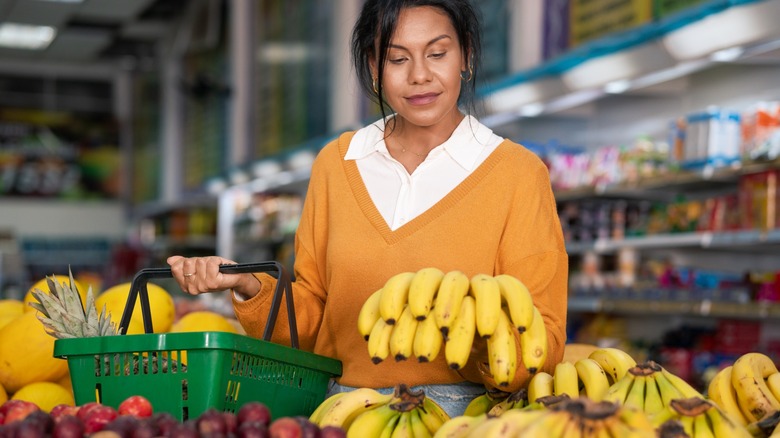
Let's talk bananas. These bunches of tropical bliss can actually be quite tricky to shop for. As one bunch can appear to the naked eye as the ideal collection to quell your craving, too many shoppers purchase their produce only to get home and bite into a banana that's anything but delicious. Some bananas, while appearing like they'll last for days, even turn brown after what feels like mere hours after arriving home. That's why taking a few moments to pay particular attention before selecting that next bunch can make a big difference.
One telling clue is found at the ends of the fruit. Bananas that are mostly yellow but still show a slight green tint near the stem and base often strike the ideal sweet spot for many shoppers (mature enough to continue ripening properly at home, but not already so far along that they're already nearing spoilage).
As for the stem itself, that may offer grocery shoppers another helpful hint. Some produce enthusiasts prefer bananas with shorter stems, swearing by their being synonymous with sweeter fruit. And, while individual preferences certainly vary, the best choice ultimately depends on when you plan to eat them. If bananas are destined for today's breakfast, a mostly yellow bunch with minimal green works particularly well. If you're stocking up for several days, selecting fruit with a bit more green can buy valuable time before ripeness peaks.
9. Go for grapes and cherries with flexible green stems
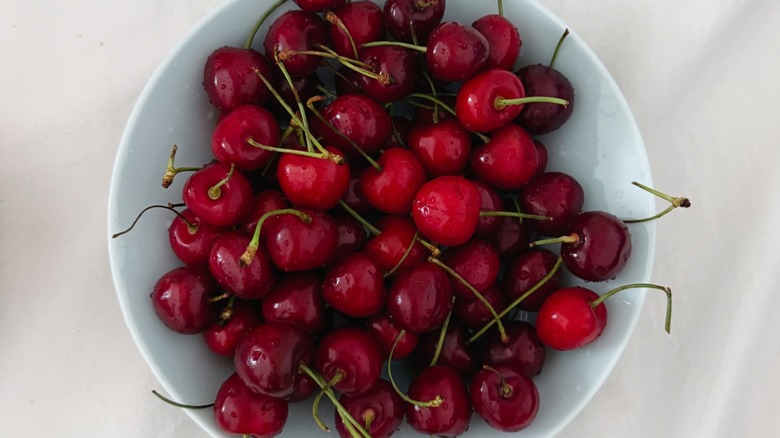
When perusing grapes or cherries, most customers focus their attention solely on the fruit itself, inspecting everything from color to size, even overall appearance (all while overlooking one of the most revealing freshness indicators of all). We're talking about the stems. The freshest stems will present as a vibrant green, while also retaining an ample amount of flexibility.
Stems surprisingly often gives shoppers a clearer picture of how recently the fruit was harvested than the skin alone ever can. Grapes and cherries in particular can still look attractive even as they begin losing moisture, but the stems still can be relied upon to tell the real story. Simply go by this easy rule of thumb: Green, pliable stems indicate fruit that has spent less time in storage and transit, while stems that are brown, brittle, shriveled, or dried out suggest the fruit has been separated from the plant for a longer period. As that time after being plucked increases, moisture gradually escapes, thereby rendering quality in an equally gradual decline.
This knowledge is particularly useful for purchasers because (contrary to popular belief) fruit color isn't always the most reliable guidepost. For instance, cherries can present in a stunning shade, while their stems reveal advanced age. Grapes' skin likewise can appear perfectly lovely to the eye, even as dehydration is slowly affected the inner texture and flavor. Stems simply help shoppers expose what the fruit itself may be hiding inside.
10. Face Test avocados and peaches
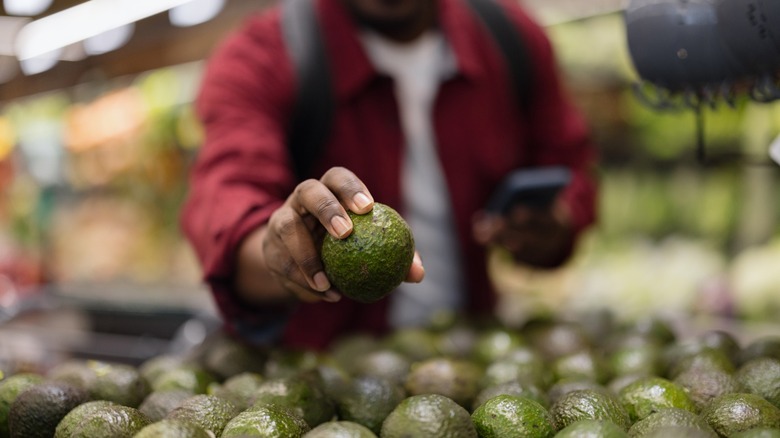
While some fruits announce their ripeness through color or other visual cues, others are less obvious. This is where you have to really get in there and literally take matters int your own hands, if you will. This is because fruits like avocados, peaches, nectarines, mangos, and kiwis often require a gentle touch to discover whether they're ready to eat. That's where the surprisingly quirky, yet memorable (and actually trustworthy), "Face Test" comes into play.
But, don't worry, this test (unlike the exams back in many of our old school days) is nearly effortless to ace. All you have to do is simply compare the firmness of the fruit to different parts of your face. Start by giving the fruit a tiny, tender squeeze. If it feels as hard as your forehead, it's likely underripe and needs more time before consuming (fruit at this stage may look appealing but often lacks the texture and flavor people expect).
At the opposite extreme is the cheek comparison. If the fruit feels as soft as your cheek, it has probably moved beyond peak ripeness. While it may still be edible, it could be bruised, far too soft, or approaching spoilage. The goal is to find fruit that feels similar to the tip of your nose. That area provides a useful middle ground (firm, yet yielding slightly under pressure). For many fruits, this texture signals ideal ripeness and the most pleasant eating experience one could expect.
11. Browse oranges with the Belly Button method

Orange you so bummed when peeling a citrus fruit only to bite into a dry, juiceless disappointment? We get it, and sadly, most of us have been there. Much of this is because the lion's share of shoppers inspect oranges for color, size, or whether they feel heavy in their hand. While those clues can indeed be helpful, there is another trick that produce enthusiasts swear by. We're talking about checking the fruit's "belly button," also known as the blossom end. It takes only a second, and can really help narrow down the best candidates in a crowded display.
Ready to try? Simply turn the orange over and look at the small, circular mark opposite its stem. Ideally, you want that indentation sitting slightly inward rather than presenting as a bump that protrudes outward. According to advocates of this trick, it actually works, with oranges possessing a neat, tucked-in blossom end tending to have a more desirable inside, translating to sweeter, juicier, and more evenly developed flesh.
By contrast, oranges with a noticeable outward bump are sometimes associated with thicker interiors and less consistent texture. That doesn't mean every orange with a belly button we'd consider an outie will disappoint, but when you're comparing several otherwise similar fruits, the sunken version is generally considered the safer bet.