

Reusable Grocery Bags Piling Up? Use Them To Conquer Your Freezer Mess — Here's How
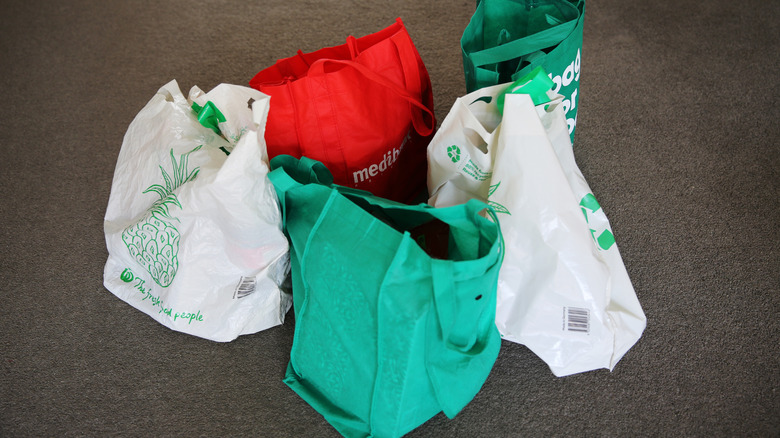
Using reusable grocery bags is one small way that many of us try to stay more environmentally friendly while shopping. But they can add up fast — you get one as a freebie, pick up a new bag that was too cute to pass up, or simply forget to bring them on your next shopping trip and replace them in the moment. If you've already tried some space-saving reusable bag storage methods and still have a hoard left over, it's time to get creative. To that end: Your reusable grocery bags can be used as life-changing storage in your deep freezer.
Grab a pile of bags and unload the items from your freezer. Sort the products into different categories, adjusting to fit your household's needs. For example, you can keep chicken in one bag and vegetables in another. Or you can separate foods based on meals and stash a protein with a complementary side — when it's time to make dinner, all you have to do is grab one of the reusable grocery bags out of your freezer.
It's a good idea to categorize the bags by color, material, or the grocery store logo. Desserts can all be stored in Trader Joe's bags, while week-day dinners are stored in Walmart bags, and so forth. Putting your reusable grocery bags to use might be a freezer organization trick most people don't bother with, but it's worth your time to start implementing it.
More tips for using grocery bags to organize your freezer
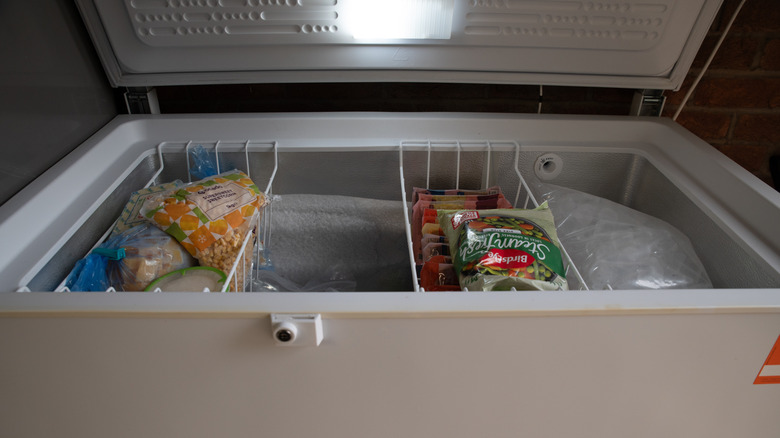
Before you get started, know that not all reusable grocery bags are designed with the freezer in mind. Avoid using cotton bags, as they can absorb moisture and smells, which can lead to potential mold growth in or around the bag and your food. If the cotton bags have a logo printed on them, the moisture can also cause it to transfer on to the packaging of your food.
Instead, try using grocery bags made of either plastic or PEVA (polyethylene vinyl acetate), which is a thermoplastic. Another thing to look out for when organizing with reusable grocery bags is your freezer vents. Make sure not to block any vents in the freezer, as this could create fluctuations in the temperature and cause the appliance to be less efficient.
While you're organizing your freezer, there are a few more practices to implement that your future self will thank you for. First, check the dates on all the items. It's easy to lose track of food in a chest freezer, but not throwing it out is a food storage mistake to avoid. After eliminating the expired foods, start an inventory list of what's left. This can either be a piece of paper taped to the top of your freezer or even a dry-erase board hung on the wall nearby. List the food items, their expiration dates, and the reusable grocery bag they are stored in.