

11 Fruits That Don't Belong In Your Fridge
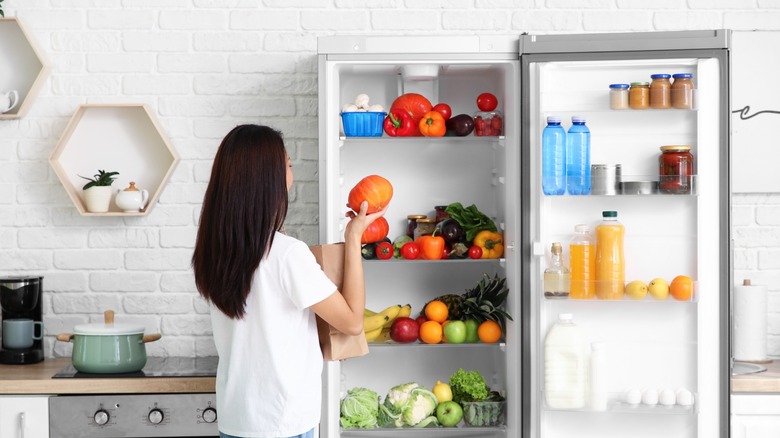
It's almost become a kind of autopilot mode behavior. Upon returning from the grocery store, we unload our car, bring in our bags, and proceed to place every piece of produce right in the fridge. That's where it'll stay the freshest, right? Well, maybe not. It may surprise you to learn that your refrigerator might actually be the sneaky culprit that's ruining some of your favorite fruits.
While refrigeration may be the key to maintaining ideal freshness for certain foods, some fare (including certain fruits) simply doesn't cope well with the cold. Think of them as the snowbirds of produce, which far prefer the warmer "weather" of open-air spaces to the chilled shelves of that Frigidaire. From mealy to mushy, and even flavorless, the blights that can plague your fruit if subjected to the fridge abound. Sitting in the refrigerator can even sabotage a fruit's ability to ripen properly.
The verdict? Fridges are guilty of posing as across-the-board containers for all produce, when in reality, they're only friends with a few. That's where this guide to the fruits that prefer sitting at room temperature to sitting in the refrigerator comes in handy.
Bananas
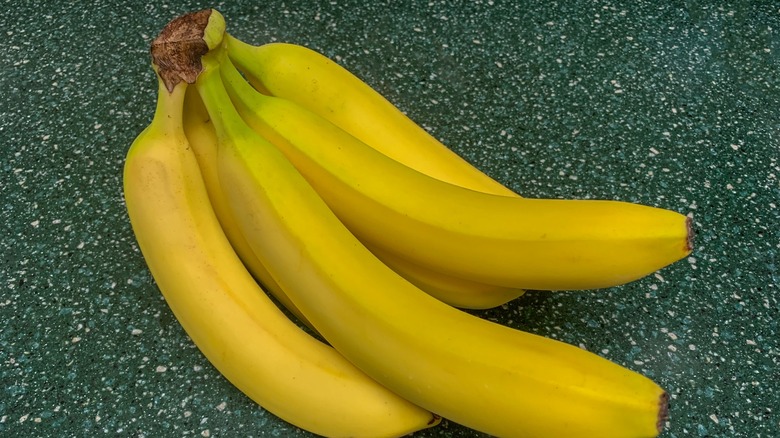
Did you know that putting Curious George's favorite fruit in the refrigerator ranks among the biggest mistakes people make with bananas? The fact of the matter is that those still green, or even slightly yellow, bananas that you just purchased are still in the active process of ripening. And as far as cold temperatures are concerned? Adding those to the mix only serves to put a big old kink in the system.
Rather than being allowed to naturally sweeten, refrigerated bananas tend to stay more on the starchy side, blander in taste, and tougher on the interior. And that peel? That's known to turn a dark brown hue. The reason behind this is that bananas rely on natural enzymes and ethylene gas to convert starch into sugar as they ripen. At room temperature, everything works normally and the fruit gradually becomes softer and sweeter. But once bananas get too cold, that ripening process slows dramatically as it slows down enzyme activity. The skin may look overripe, but the inside can still taste underdeveloped, even bordering on bitter. The brown-black peel makes it seem like the banana has spoiled, when it really just got hit with what experts call a chilling injury.
Letting bananas ripen naturally on the counter until they reach your preferred stage is the better move. Only once they are fully yellow (with maybe a few specks) can refrigeration be useful in extending life.
Tomatoes
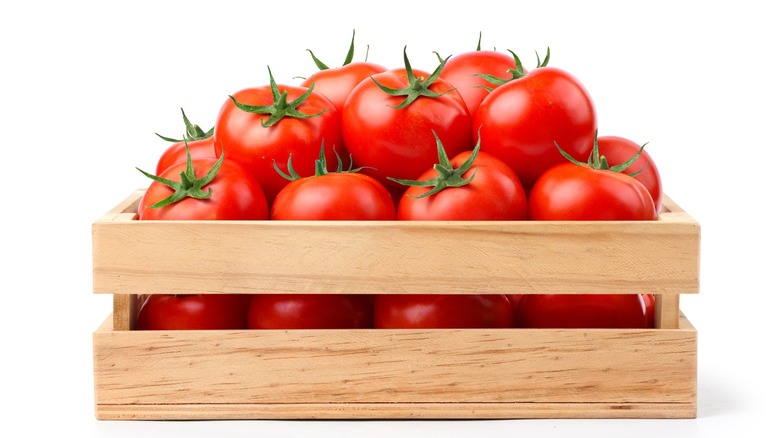
Does refrigerating tomatoes really zap their flavor? The verdict is guilty. In fact, the only time you should store tomatoes in the refrigerator is to extend their shelf life after they've ripened to an optimal level — and even then, you risk the flavor fading. While plenty of fresh produce has a mutually beneficial bond with refrigerators, it's safe to say that the tomato-fridge relationship is complicated.
Whole tomatoes, specifically, are the kind that have found that fridges are just not their type. Why? Because the cool temperatures found in fridges just aren't compatible with the way tomatoes ripen. The pair may seem like a perfect match on paper, but the second tomatoes spend too much time in the fridge, their flavor starts fading, and their texture also takes a pretty nasty turn. Instead of their natural vibrant selves (juicy and bursting with sweetness), refrigerated tomatoes become dull to the taste, watered down, even mealy.
The reason behind this downturn is that extended refrigeration interferes with tomatoes on a genetic level, suppressing the very compounds responsible for creating that fresh flavor people crave. As for that texture, cold temperatures damage the tomato's cell structure, leaving the flesh grainy, even mushy, instead of firm and juicy. Tomatoes also absorb surrounding refrigerator odors surprisingly fast, which definitely doesn't improve the appeal. For optimal flavor, whole tomatoes should stay at room temperature as they ripen naturally.
Avocados
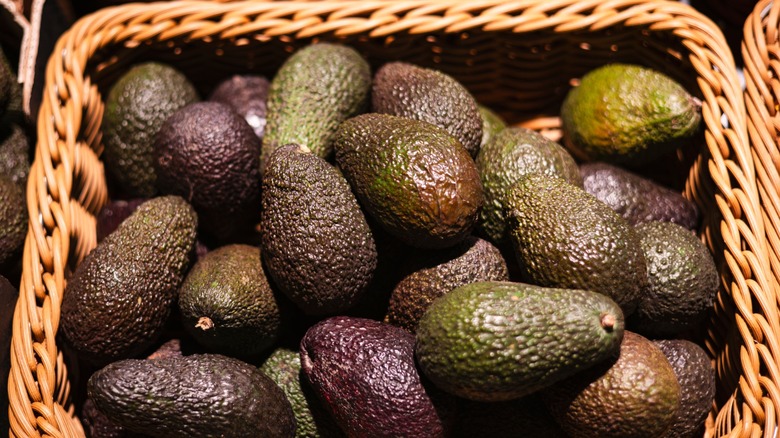
We've shared the ways to ripen avocado fast, but what about how to store whole, unripe avos until they reach the exact right state to crown your morning toast? To be brutally honest, an unripe avocado and a refrigerator are not a natural duo. Placing an unripe avocado straight in the fridge is actually one of the fastest ways to lead to subpar fruit.
Poor avocado. You see, these yet-to-ripen fruits may seem 100% rock-solid, but they still need both warmth and time to transform into the creamy, buttery beauty we need to create such delicious dreams as guacamole, the aforementioned gourmet toast, and much more. Cold temperatures steal that needed warmth, slowing down the ripening process so dramatically that, in some cases, the avocado never develops that telltale smooth texture or rich flavor. Avocados naturally ripen best sitting out on the counter at room temperature. During that process, the fruit softens, develops flavor, and reaches that sweet spot where it yields just a tad when gently pressed.
Now, since we're all for building bridges when we can, the refrigerator can become an ally when (and only when) your avocado has reached its optimal ripeness. Then, once it is slightly soft and ready to eat, chilling it can buy you a wee few days extra before it reaches the point of no return.
Mangos
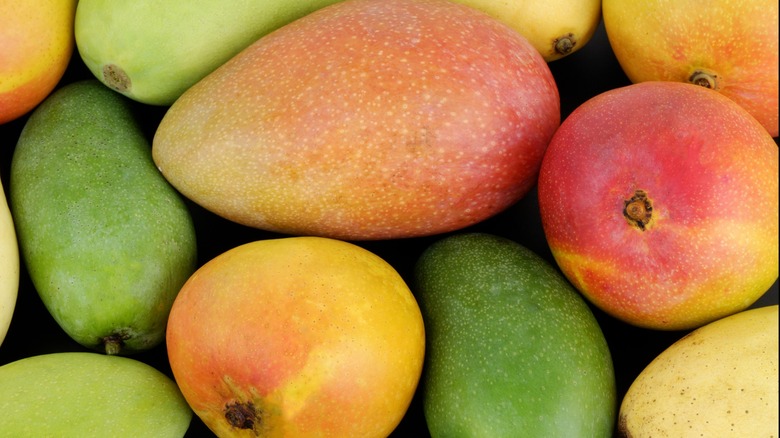
Another fruit that needs a bit more TLC than folks may know is the mango. While an unripe, whole mango may appear ready for anything, the cold of the refrigerator is just a little too much for mangoes to manage. This is because a mango needs its sweet time (pun intended) to soften, sweeten, and naturally accumulate the juicy tropical flavor that allows it to transport tasters straight to island shores from the very first bite.
Slapping that mango (skin and all) straight into the fridge can seriously derail its natural ripening process, as is the case with plenty of tropical fruits. The result is a mango unlike the fragrant, luscious fruit synonymous with the tropics, and more of a tough disappointment. The standard rule of thumb is simple: mangoes ripen best at room temperature, ideally somewhere shady (read: away from direct sunlight).
Over several days, the mango flesh will naturally become softer and sweeter on its own. Once the mango reaches peak ripeness, only then can refrigeration be helpful, not harmful. At that point, the now-ripe mango can be chilled for a few days. This will slow additional ripening and prevent it from becoming too soft, too quickly. Until then, though, keep that mango away from the refrigerator.
Pineapples
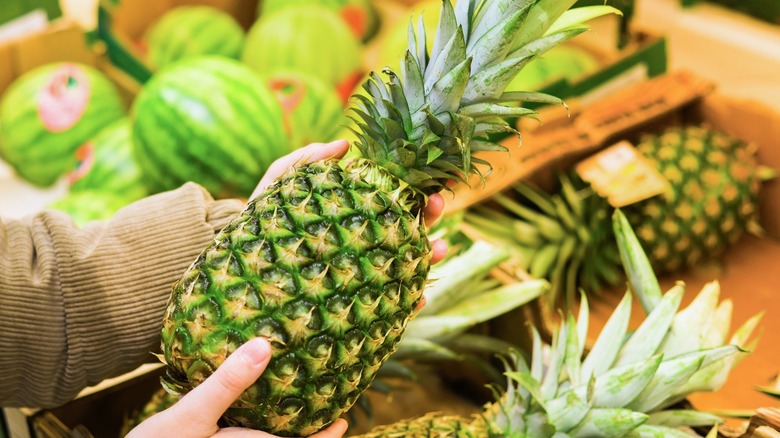
A whole pineapple may have a spiky exterior, but this fruit isn't as hardcore as one might think. As a tropical fruit, pineapples naturally tend to be happiest when soaking up the warmth (within reason, of course). As such, it makes perfect sense that the fruit would thrive best when left at room temperature, far, far from that super chilly fridge.
While pineapple doesn't continue to ripen at room temperature like some of the other fruits on this list, it's still best to keep it out of the fridge. That's because popping it in a cool space could cause its texture to soften. Instead, keep your whole pineapple in a cool, dry spot, away from direct sunlight or heat sources. Once sliced, you can pop your pineapple into the refrigerator in an airtight container for up to a week. Until that time comes, keeping this tropical favorite far away from the crisper drawer is how to play the A game.
Peaches
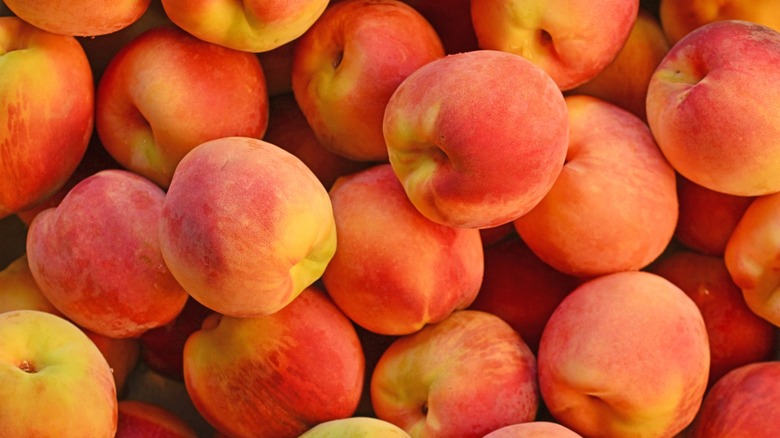
A peach plucked from the tree before reaching peak ripeness still has plenty of work to do — and interjecting a refrigerator smack in the middle of this labor is just an interruption no proper peach needs. This is because chilling peaches too early can prevent them from ever reaching the juicy, aromatic, and deliciously sweet state they were destined to achieve. Rather than being left to accomplish their natural work of softening on the kitchen counter, subjecting peaches to the cold temperatures in the fridge can cause them to dehydrate and darken.
The reason behind this is that peaches are considered climacteric fruits, which basically is a fancy way of saying that they continue to ripen even after they've been picked. During that time, the fruit is still biologically active, developing aroma compounds, upping its sweetness game, and softening into that tender texture everyone craves when selecting their next peach.
By allowing this work to be completed at room temperature, the whole process is free to unfold as nature intended. The refrigerator can slow those processes dramatically, even damaging the peach with a chilling injury before it ever reaches its full potential. Once peaches hit peak ripeness, only then can refrigeration be useful for buying a little extra time before they spoil.
Plums
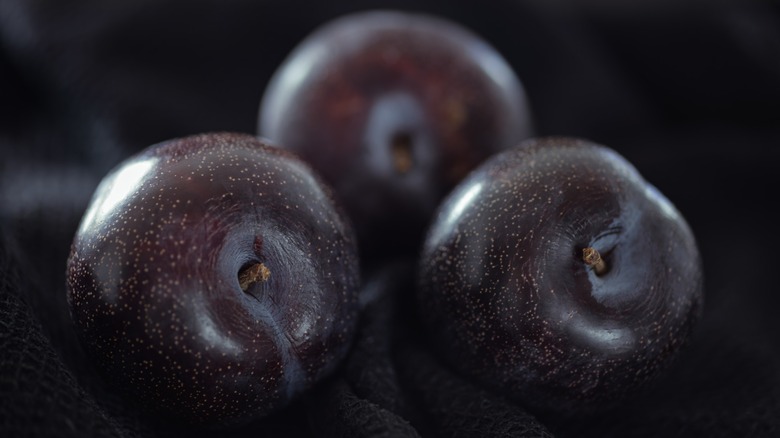
Let's get one thing straight: firm, yet-to-ripen plums need patience, not a refrigerator. Just like other stone fruits, such as peaches and nectarines, a plum continues to soften and develop flavor well after it's been separated from the tree. As such, if you just place plums in that gleaming kitchen appliance to chill, that ripening journey can get derailed real quick. The result of this unwanted detour? Cooled-against-its-will fruit that ends up being bland, too firm, and devoid of the juicy quality folks crave in all properly ripened plums.
Room temperature is really where plums thrive. Left on the kitchen counter, these fruits will ripen on their own schedule, resulting in a taste far surpassing their sad peers sequestered in the chilly confines of the Frigidaire. As far as direct sunlight, though, that's a no-go for plums, as such intensity of heat can speed up the ripening process too fast (think of it as the other evil on the opposite end of the spectrum from the too-cold fridge). So, a shaded countertop or cool kitchen nook works best. Once the fruit finally reaches ripeness, only then can refrigeration become part of the journey.
And while we're convincing you that the fridge is a no-go for your plums, you might be wondering what to do if those on-the-counter plums ripen past their prime? Well, here's what not to do: Don't throw out that overripe fruit, but make fruit leather instead. Bon appétit!
Nectarines
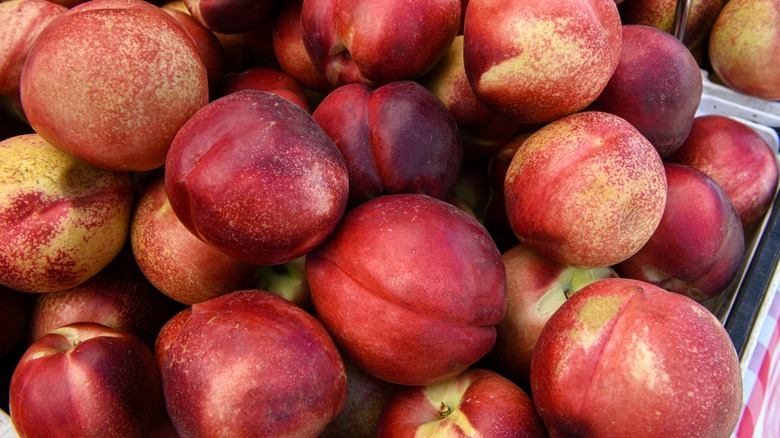
Yet another stone fruit that doesn't like to fuss with the fridge is the nectarine. This golden, peachy-rose piece of produce is beloved for its signature juicy, aromatic, and super-appealing texture that gives when bitten into, but isn't mushy — at least when allowed to ripen (and stored) properly. And that's where its aversion to the fridge comes in.
If placed into the refrigerator, the natural ripening process slows down dramatically. The result of this unwanted interlude? A nectarine that may still appear quite lovely to the eye, but inside is hiding a dry, sometimes grainy and bland interior that is sure to expose itself at first (decidedly non-juicy) bite. We have already touched on this frustrating phenomenon (it's often called a chilling injury), and nectarines are especially vulnerable.
As such, the best way to ripen these specific stone fruits is to leave that firm nectarine on the kitchen counter, where it will do its thing on its own. Once nectarines finally do reach peak ripeness, you can then look to refrigeration as a tool to extend their viability for a few more days.
Papayas
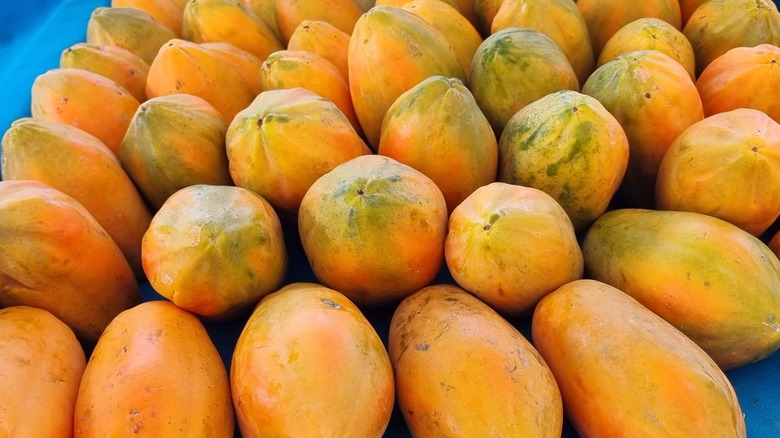
Papayas are primo tropical fruits, which means, by nature, they are certainly no fans of cold temperatures (especially not before they've fully ripened). So, it goes without saying that the papaya, if able, would absolutely protest being subjected to the chilly scenario your kitchen refrigerator presents.
Putting an unripe papaya in your Maytag most certainly will interfere with its natural ripening rigamarole, leaving the fruit with a subpar texture and flavor. Specifically, rather than the soft, juicy, sweet papaya flavor profile that makes the fruit a favorite, the fridge-thwarted fruit stays too firm, sometimes even getting an unusual texture that is anything but enjoyable.
In contrast, when left to ripen at room temperature (the environment best for these tropical beauties, as it's the closest to the warm climates where they naturally grow), papayas thrive. While they sit out, left unbothered and fridge-free, their skin will slowly (naturally) transition from green to yellow, while the flesh will become softer and sweeter. As a general rule of thumb, leave the fruit to sit until it is mostly yellow. You can then consider refrigerating it. Until then, the countertop is always considered to be the optimum place for all that ripening magic to happen.
Citrus fruits
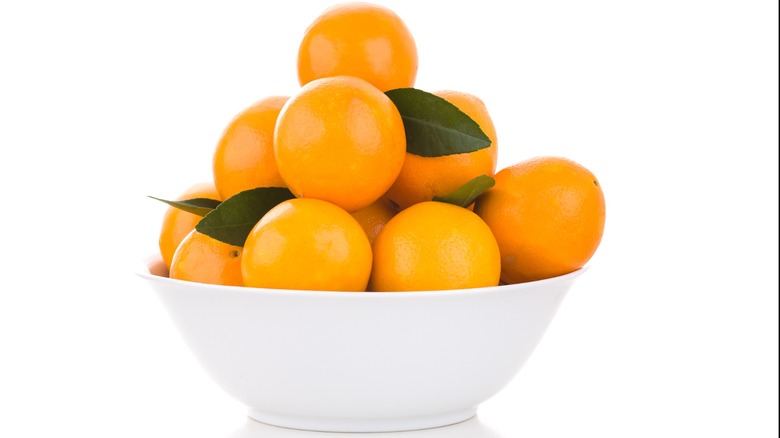
While citrus fruits such as oranges, lemons, limes, and grapefruits may survive perfectly fine in the fridge, there's a distinct difference between surviving and thriving. Just because these acidic fruits can be in the fridge doesn't mean they belong there. The fact of the matter is that whole citrus fruits tend to taste better when stored at room temperature.
Left at room temperature, citrus fruits keep that great flavor responsible for the zest and zing. They also release their juice more easily as the membranes are softer. Some chefs may prefer their citrus room temp for this exact reason. A lemon sitting out often yields more juice than one from the fridge, which anyone squeezing citrus for a living — whether that's for cooking or shaking some yummy cocktails — will likely appreciate.
Of course, refrigeration still has its place. The fridge slows spoilage and helps citrus last much longer, especially if you bought a big bag of oranges that you won't be able to use right away (it's best to use citrus fruits within the week if left out). While the refrigerator wins for longevity in the longer term, the countertop room temperature route may come out on top for taste and texture when using those fruits ASAP.
Melons
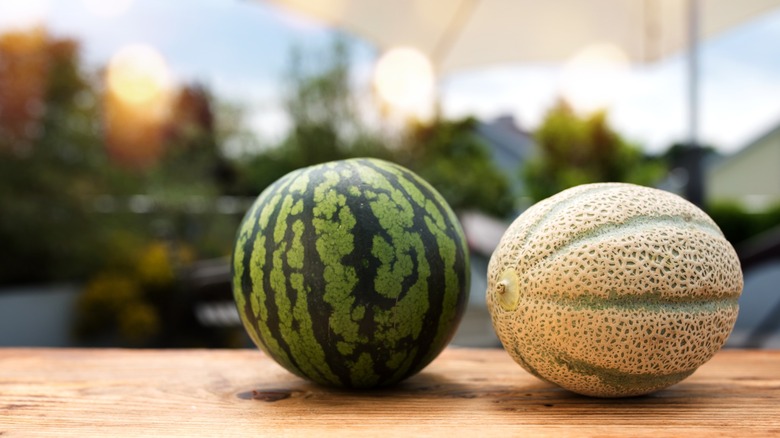
We've talked about why that cantaloupe you bought has no flavor, but what about the times when melons pick up a weird taste (like when stored in the fridge beside other random items)? Let's talk about that, shall we? While a whole melon may seem like a natural fit for the fridge, surprisingly, storing it there can also really do a number on its texture, plus mess with its nutritional makeup.
In fact, a study conducted by the U.S. Department of Agriculture on watermelons, in particular, found that those kept far from the fridge presented much higher antioxidant levels (lycopene and beta carotene among these) compared to those placed in the refrigerator (via CBS News). Not only are those antioxidants the very compounds directly linked to the lion's share of watermelon's health benefits, but they are also part of the recipe that provides the fruit with its bright, appealing pink hue. Cold temperatures dramatically slow down that natural evolution.
As for the texture? Refrigeration can, once again, cause chilling injuries to melons, which may dry out the fruit. Bottom line: The best place for a whole melon is a cool, dry spot away from direct sunlight until slicing time arrives.