

The 11 Oldest Bakeries Still Serving Treats In The US
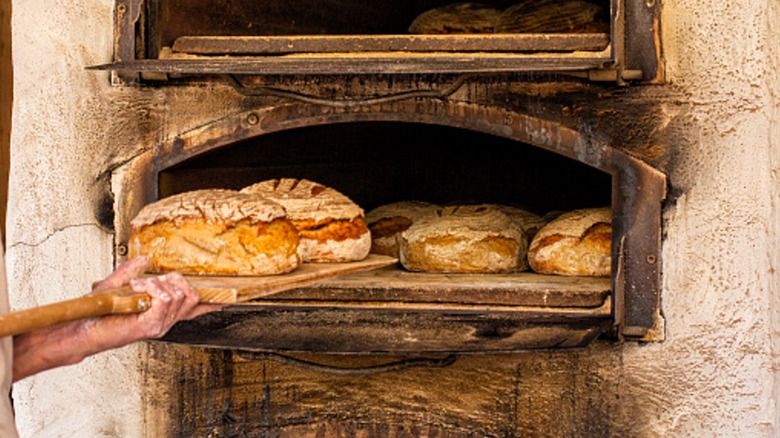
Long before the cronut crazes and rainbow-ribboned bagels were blasted across social media, and back when lines didn't wrap around blocks, filled with bloggers anticipating their first taste (and posting) of the latest viral dessert, bakeries were bringing home-baked goodness to folks the old-fashioned way. A few of these cherished establishments are still around, and the moment you set foot inside, you'll often find the same warm ovens, family recipes, and time-tested techniques that have been feeding our communities for generations (sometimes even centuries).
These are the bakeries where flour-dusted hands knead loaves with love, cupcakes and cookies are placed in customers' eager hands with genuine care, and a time-honored story seems attached to every baked good sold. Oftentimes, regulars at these historic bakery haunts don't even need to check the menu because they have been ordering the same thing for what feels like forever.
Many of these bakeries have even stayed in the founding families, relying on the same cherished recipes passed down from mother to child, and on and on. This longevity speaks volumes and is a testament to tried-and-true, old-school authenticity being a superpower in navigating everything from shakeups in the economy to the latest food trends that change on a dime. This list celebrates some of the oldest bakeries in the United States that are still serving all types of old-school style cookies, breads, and pastries, offering a little taste of history in every bite.
Winkler Bakery (1799) – Winston-Salem, NC
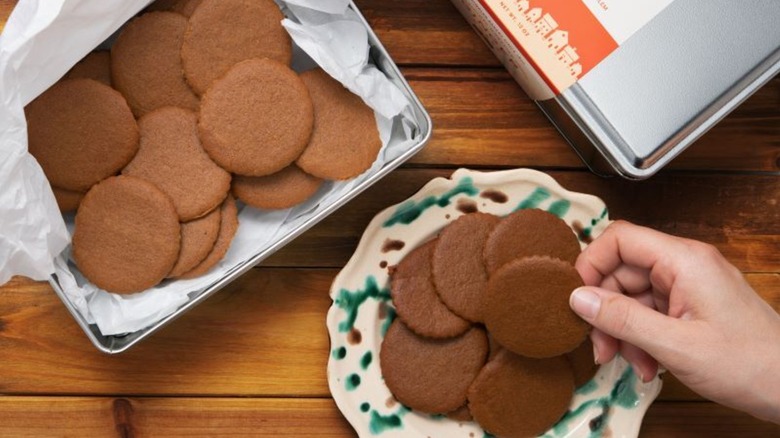
Step into Winkler Bakery, the oldest bakery in the U.S., and you're instantly transported to a simpler time. In operation since the very last year of the 18th century (1799), this bakery was first established by the Moravian community and is still beloved for its winning recipe for Moravian sugar cakes. The bakery was originally built as a hybrid workplace and home for the baker and his family. Just a few years after opening, however, Swiss-born baker Christian Winkler took over, and his family continued the operation for generations.
That continuity matters here, amid a tight-knit community marked by Moravian tradition. This isn't your average modern bakery trying to bank on fabricating the feel of an old-timey, historical hearth. Instead, it is actually the real deal. To prove this point, one has to look no further than the oven, which is still heated with wood (just as it was over two centuries ago). The aroma emitted from the crackle of the fire, mingled with the classic Moravian scents of molasses and spice, is also a telltale sign that you've stepped into a bakery that is no new kid on the block.
What truly defines Winkler Bakery is its close connection to Moravian traditions. The shop's famous Moravian sugar cakes are a regional favorite, bringing visitors from far beyond Winston-Salem. This is especially true during the holidays when the space transforms into something that feels almost like a living museum of seasonal baking traditions.
Boudin Bakery (1849) – San Francisco
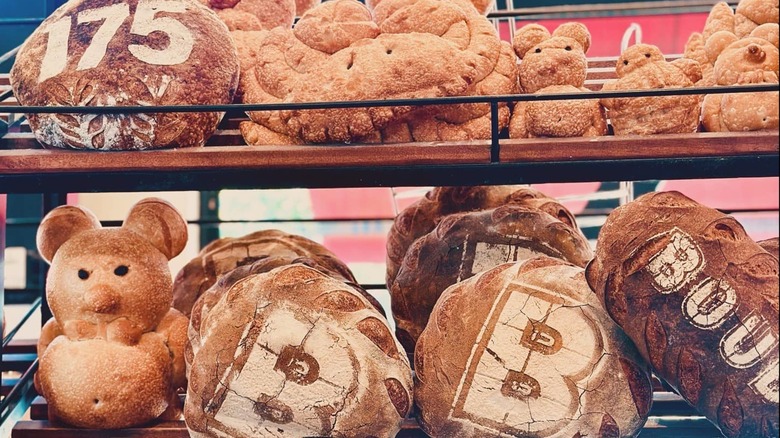
When times get tough — like during the California Gold Rush — Americans have historically turned to sourdough. Even today, bakeries like Boudin Bakery still use the same starters from this iconic era. You may have heard of this San Francisco cafe and bakery, which was founded in 1849 and has been in continuous operation ever since, making it San Fran's oldest business. As mentioned before, the sourdough starter at this now-iconic institution has remained untouched since its founding. That starter (often referred to as the "mother dough") dates back to the bakery's earliest days. It's still used in every loaf today, meaning that each bite of Boudin sourdough is directly connected to the Gold Rush era.
The flavor itself is shaped by San Francisco's natural environment, with wild yeast and local bacteria bringing the bread's signature, telltale tang to appreciative palates. It's not something that can be replicated elsewhere, which is exactly what makes it uniquely tied to Fog City's identity.
Founded by Isidore Boudin, a baker from France, the bakery has passed through only two other master bakers since, each carefully preserving the original techniques, while guiding the business forward. That balance of tradition and adaptation is clearly why Boudin has endured for well over a century now.
Trefzger's Bakery (1861) – Peoria Heights, IL
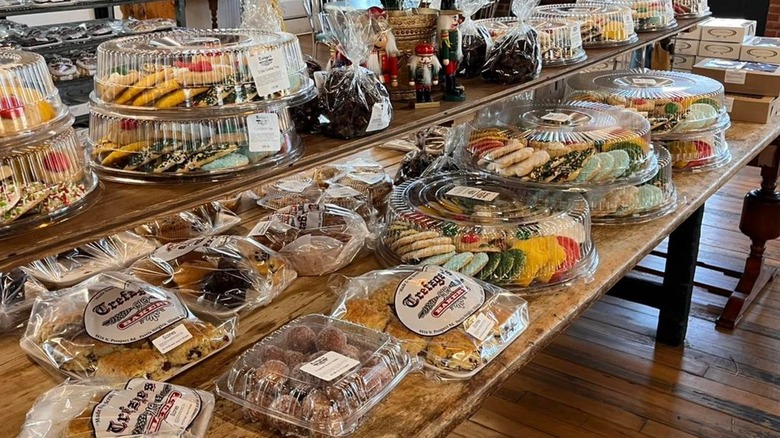
Trefzger's Bakery may have gotten its beginning in the midst of a nation in turmoil (it was founded right as the U.S. was being torn apart by the Civil War), but the baked goods it serves customers are all about bringing people together over the tastiest treats. Founded in 1861 by German immigrant Simon Trefzger, the bakery started small but quickly became something much larger. This was because Simon wasn't just baking for locals but was actually supplying bread to Union troops training nearby, making his delicious work part of the crucial wartime efforts.
Since then, the bakery has continued to grow alongside the community, even moving locations over the decades. But one thing that has remained unwavering is Trefzger's commitment to providing quality baked goods to the Peoria Heights area, made with the utmost care. For well over a century, the business remained in the Trefzger family, passing through four generations.
Even after new ownership took over in the 1990s, the commitment to tradition didn't fade. Instead, it evolved, blending long-standing recipes with a more modern approach to baking. The result is a menu that honors its roots, while now offering a bit more variety for today's customers. One of the bakery's most beloved items is its thumbprint cookies, along with coffee cakes and other classics.
Julius Sturgis Pretzel Bakery (1861) – Lititz, PA
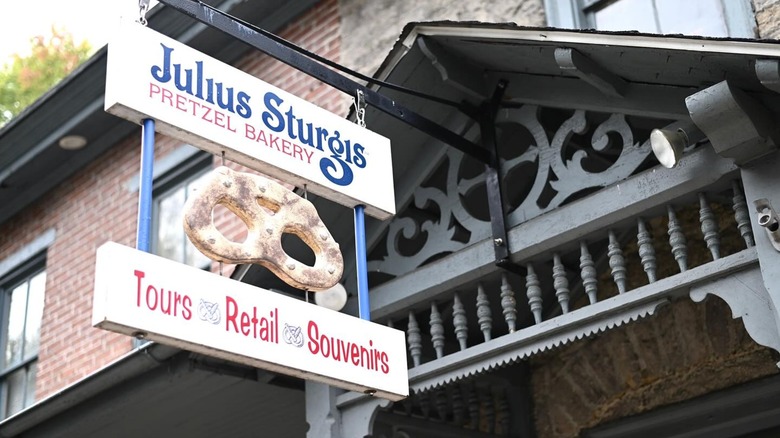
Among Pennsylvania's most iconic foods are pretzels. This pretzel popularity is much in thanks to Julius Sturgis Pretzel Bakery. As for that origin story, it all began in 1861, when a young 26-year-old Julius Sturgis opened America's first commercial pretzel bakery in Lititz, Pennsylvania. It was here, well before these salty, circular bites became synonymous with stadium snacks and food court favorites, that Julius Sturgis was honing them as a beloved made-from-scratch craft.
The pretzel bakery is housed in a building constructed in 1784, a historic structure that still stands as a preserved piece of early American life, characterised by its stone, timber framing, and even musket-firing windows in the cellar. Basically, this bakery feels like a Pennsylvania time capsule nodding to a bygone era. The Sturgis family has built a strong legacy and can claim the crown as the oldest pretzel-baking family in the country. While production has expanded over the years via related family operations, the founding family still owns the bakery, and the original Lititz store location remains a living tribute to where all the salty pretzel magic got its epic start.
Visitors today can still see pretzels being shaped by hand, following traditional techniques that have been proudly passed down the family line. From classic soft pretzels to a wider variety of hard and flavored choices, customers purchasing a twisted treat here don't just receive a delicious snack. Instead, they are also gaining an enlightening glimpse into the unique history of a Pennsylvania food closely tied to its core identity.
Naegelin's Bakery (1868) – New Braunfels, TX
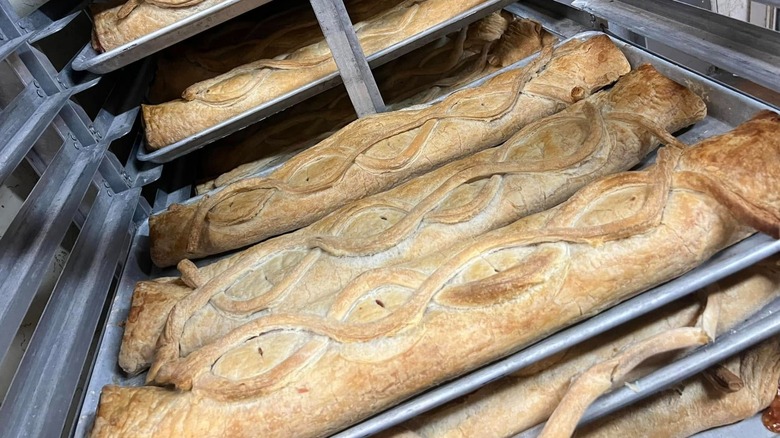
Naegelin's Bakery had humble beginnings: The bakery was started in 1868 by a young immigrant with less than a dollar to his name and a single sack of flour. The name of this blooming entrepreneur was Edouard Naegelin, who had freshly arrived in New Braunfels to bravely open what would become the oldest bakery in the entire Lone Star State.
When it comes to the bakery's success, that is a tale intrinsically tied to family, too. After founding the bakery, Edouard recruited his wife and children to roll up their sleeves and literally mix things up, working alongside the owner to ultimately create a booming business. The family even lived right above the shop, allowing them to seamlessly blend daily life with the steady stream of demands baking required. In the early days, the bread wasn't just sold onsite, but was actually delivered fresh from the oven by wagon. Customers would leave containers on their porches, waiting for warm loaves to arrive. It was a system built on trust and a close-knit sense of community.
Ownership remained in the family until the 1980s, when it transitioned to the Granzin family, who have proudly continued the bakery's traditions to this day. One of Naegelin's most celebrated offerings is its apple strudel, made using a long-standing recipe that continues to draw customers. The bakery case is also filled with other tasty pastries, cookies, and much more.
Kirchhoff's Bakery (1873) – Paducah, KY
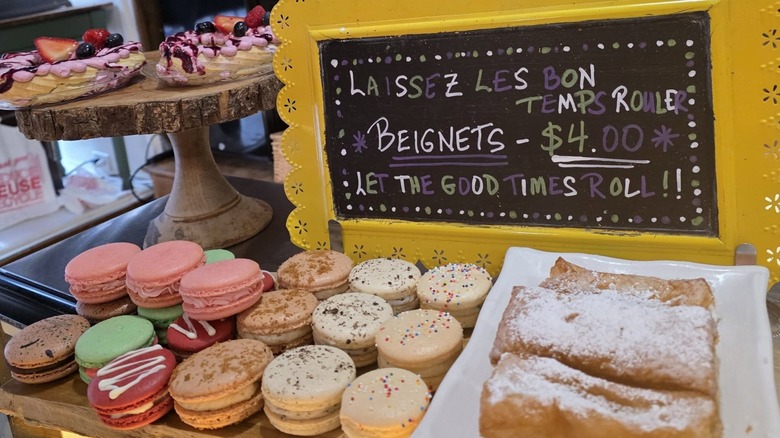
Kentucky's Kirchhoff's Bakery was opened in 1873 by Prussian immigrant Franz Kirchhoff and his wife. They took this brave leap armed with traditional European baking methods and recipes handed down throughout generations of family. Like many bakeries of the era (some of which we have already mentioned before), the Kirchhoffs lived above the shop.
The bread they baked wasn't just sold locally, but was even delivered directly to riverboat passengers when they were in town. Franz would head out to meet them, piping fresh loaves in hand, ensuring the travelers didn't leave without something warm and comforting to nibble on.
The bakery became a community mainstay, although it later closed in the mid-20th century. Luckily, in the 1990s, a descendant of the founder reclaimed the property and brought the bakery back to life. By 1997, the fifth generation had reopened Kirchhoff's, reviving both a business and cherished piece of Kentucky history. These days, the bakery offers everything from made-from-scratch artisan breads to deli sandwiches and various other baked goods. Customers can even enjoy flavorful soups by the spoonful.
Holtermann's Bakery (1878) – Staten Island, NY
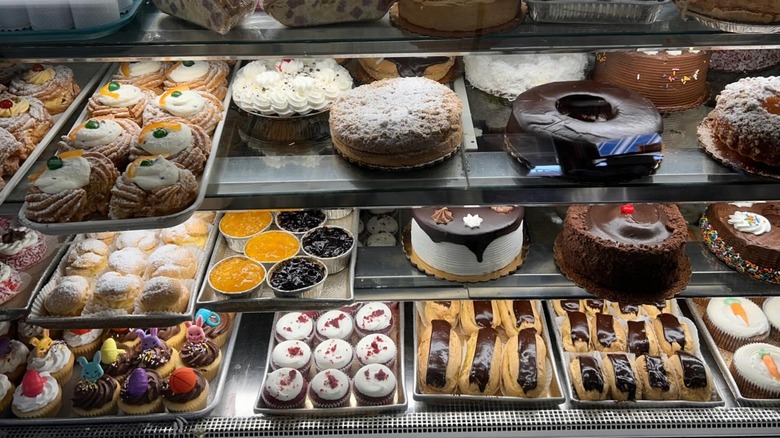
Baking up a storm in Staten Island since its opening in 1878, Holtermann's Bakery has been a family-owned operation since day one. It's also known as being among the Empire State's oldest continuously run food outlets. German baking traditions have always been the cornerstone of the store, which relies on recipes dating back to the late 19th century. These same tried-and-true formulas are still used today. Even some of the original equipment has withstood the test of time, having been carefully maintained and still included in the daily baking routine.
While the bakery has moved locations and had to adapt to the changing city surrounding it, its identity has remained consistently classic and old-fashioned. Case in point: Generations of Holtermanns have lent their skills and hands to the family business, keeping the tradition alive with excellent taste.
Among its most iconic offerings is the Charlotte Russe, a nostalgic dessert served in a signature push-up container. Once a staple in New York's German bakeries, it has become closely associated with Holtermann's, where it continues to be made and remembered with great warmth and appreciation by longtime customers. Alongside this, crumb cakes, breads, and pastries fill the Holtermann's shelves.
LeJeune's Bakery (1884) – Jeanerette, LA
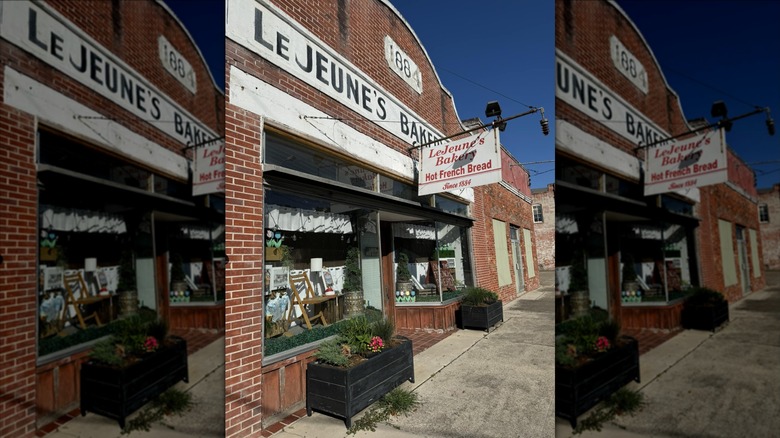
A Main Street mainstay, tucked away in the small town of Jeanerette, Louisiana, LeJeune's Bakery has been serving customers home-baked goodness since 1884. The bakery also holds the proud title of being listed on the National Register of Historic Places. Although these bakers are best known for their fabulous French bread, you could say they are pretty smart cookies themselves, in that they stick to the same delicious script, refusing to switch up what clearly already works.
Case in point? For more than a century now, LeJeune's has followed the same baking traditions, passed down through generations. And hard working? You don't know the half of it, with each day at LeJeune's still kickstarting as early as 1 a.m. And the first thing handled? Dough (literally), as it is still mixed and shaped by hand rather than machines. It's that very bread that has become the bakery's signature offering, along with its beloved ginger cakes.
The bakery remains a family operation, with current owners having grown up learning every step of the craft from the ground up. Even as supermarkets and modern conveniences arrived, the family chose not to alter their old-school baking approach, believing that the uniqueness of their bread comes directly from the hands that knead, bake, and serve it.
Lyndell's Bakery (1887) – Somerville, MA
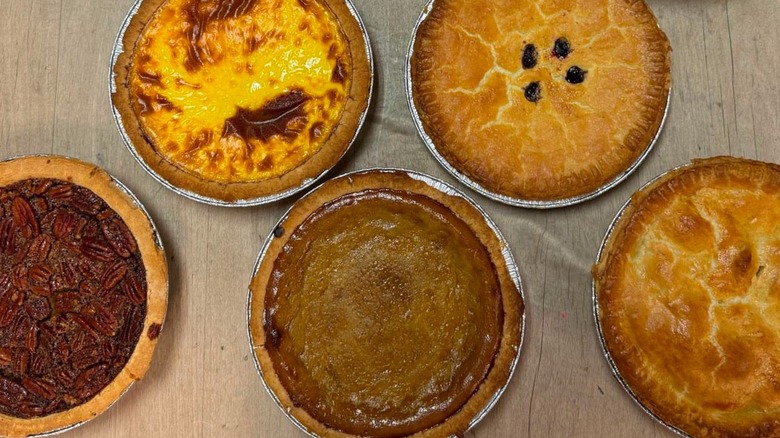
Boasting the unique bragging rights of being New England's oldest continuously operating scratch bakery, Lyndell's Bakery has been blessing customers with fresh baked goods since the late 1880s. First opened by Swedish immigrant Birger C. Lindahl (who would later change his name to Lyndell), the namesake bakery began as a simple bread delivery route before becoming a bona fide storefront operation.
Much of what customers have come to appreciate, and expect, from Lyndell's is its unwavering commitment to doing things the old-fashioned way. Baking here still adheres to the traditional methods, with goods prepared fresh daily using time-honored techniques. While ownership has changed hands throughout the years, patrons will be pleased to know that each new steward of the bakery has preserved the very core principles that have always made it shine since day one (same recipes, and even some original equipment).
Despite this old-fashioned mindset, the bakery has managed to stay relevant, much in thanks to its wide range of goods reflecting both its Swedish origins and the more modern, diverse tastes of the local community. Signature items include the famous half-moon cookies, known for their soft cake base and delicious frosting. Also on offer is everything from butter cookies to cream-filled cakes, tarts, breads, and much more.
Bredenbeck's Bakery and Ice Cream Parlor (1889) – Philadelphia
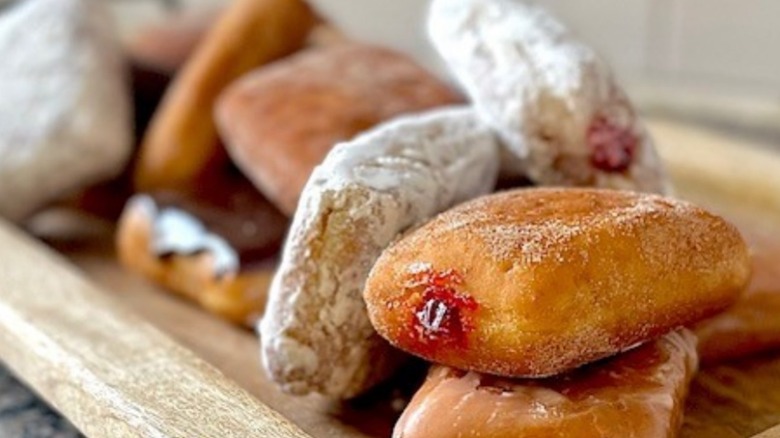
Founded in the late 1880s by Bavarian immigrant Frederick Robert Bredenbeck, Bredenbeck's Bakery and Ice Cream Parlor has been bringing sweet lovin' to Philadelphia for well over a century. Selections here offer customers a blend of old-world items alongside classic American favorites. Originally located in the Northern Liberties neighborhood, the bakery now calls Philly's beloved Chestnut Hill area home.
Bredenbeck's has always been committed to (and known for) its scratch baking. While its early days were mostly focused on bread, the menu has evolved to offer everything from cakes and pastries to myriad other mouthwatering confections. Speaking of evolving, by the mid-20th century, the business had been passed into the hands of longtime employees, and later to Karen Boyd-Rhode, who helped shape its modern era, while never straying too far from its old-fashioned roots. Her sons now carry that proud torch.
The addition of an ice cream parlor in 1983 added another delicious layer to the customer experience, turning Bredenbeck's into a go-to hotspot where classic pastries sit alongside scoops of locally made ice cream, tempting both locals and visitors with warm favorites and fabulous frozen scoops. The bakery has a loyal following, with some customers having grown up enjoying desserts here for generations. As they have grown, they've turned to Bredenbeck's for help with celebrating special moments (weddings, birthdays, graduations, you name it).
Ferrara Bakery & Cafe (1892) – New York City
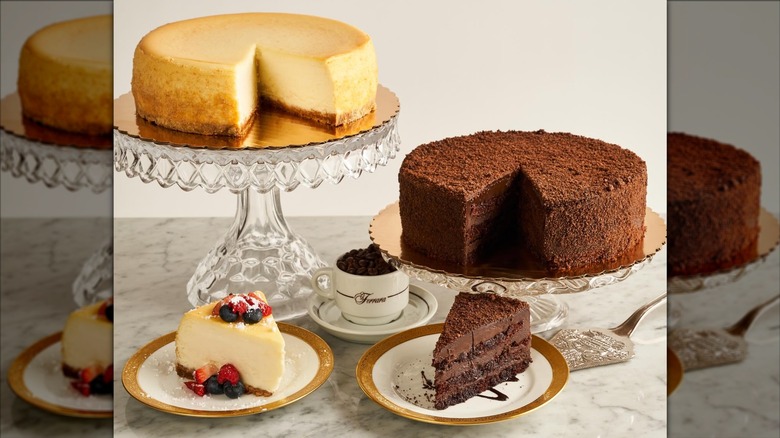
We round out this list with the NYC cafe that claims to be America's first espresso bar. We're talking about Ferrara Bakery and Cafe, nestled in Little Italy. This local favorite has been serving Italian pastries since the 1890s, making it one of the oldest Italian bakeries in America. Founded by Antonio Ferrara, the bakery and cafe is a beloved gathering place, where members of the community convene to enjoy coffee, conversation, and traditional sweets reminding them of "Il Bel Paese" (the beautiful country).
Speaking of the gorgeous Italy, Ferrara's legacy is deeply tied to the Italian immigrants who helped shape New York City. Early on, the bakery doubled as both a social hub and culinary destination, with living quarters above the shop and a steady flow of patrons supping and fellowshipping below. The menu reflects that Italian heritage, showcasing classic pastries from Italy (think cannoli and sfogliatella) plus delicious cakes and confections created from long-cherished, tried-and-true recipes.
The bakery also became known for its torrone, a traditional nougat candy made with whole nuts, which is made using methods brought directly from Italy. In fact, during World War II, this shelf-stable sweet from Ferrara was shipped overseas to Italian American soldiers, acting as a sweet connection to home via familiar and comforting flavors. Still family-run today, Ferrara continues to celebrate life's sweetness and old-world baking in every bite.