

The Cinnamon With The Lowest Lead Content Comes From This Popular Grocery Store
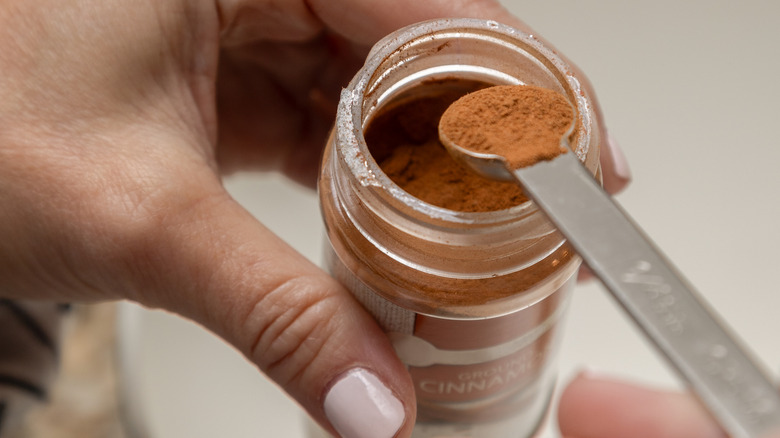
It may surprise you to learn that the cinnamon packed inside jazzed-up canned cinnamon rolls, could contain a harmful substance. While cinnamon from nearly every grocery store looks and tastes similar (unless it's fake cinnamon), the amount of lead in each brand differs drastically.
Following a lead poisoning outbreak affecting more than 500 children in the fall of 2023 which was linked to the consumption of cinnamon in applesauce, Consumer Reports tested 36 brands of ground cinnamon for lead. The cinnamon that tested for nearly no lead unsurprisingly came from Whole Foods Market. It's private-label brand, 365 Everyday Value, produces organic and and non-organic cinnamon, both of which landed on CR's "Best to Use" list; with the organic version ranking number one at 0.02 parts per million (ppm) of lead.
Although Whole Foods doesn't publicly specify the sourcing of its 365 Everyday Value organic cinnamon, the company emphasizes responsible sourcing and quality standards across all its products. Whole foods is also known for its strict regulations on ingredients which ban the sale of products containing more than 300 ingredients it considers unacceptable.
If you're wondering how lead ends up in food, like cinnamon, it's because lead is a naturally occurring element found in the earth's crust and over time it accumulates in the soil and groundwater; inevitably making its way into our food supply. According to the World Health Organization, there is no safe level of lead consumption, and exposure is especially harmful for children. Since the FDA does not have established guidelines for lead levels in spices and spice manufactures aren't required to disclose those levels, consumer awareness is difficult.
How much cinnamon is too much?
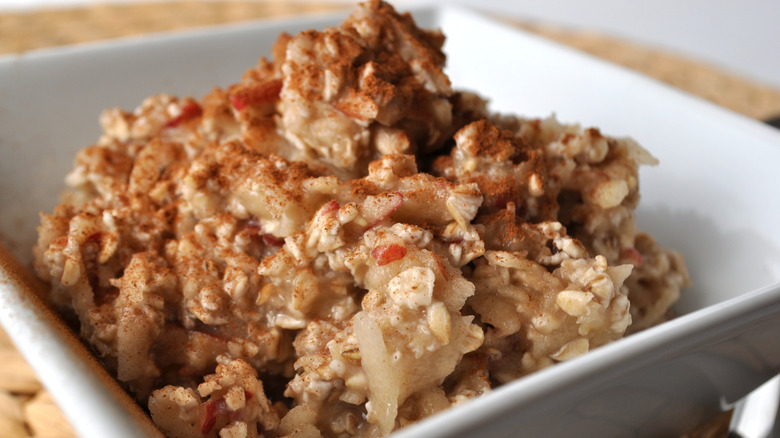
In contrast with Whole Foods, the brand Paras measured the highest lead level at 3.52 ppm. Not only was it categorized in the "Do Not Use" list, but the company removed the product from grocery store shelves after it saw what Consumer Reports had discovered. Meanwhile, a moderate option looks like Walmart's Great Value cinnamon, which fell into the "Okay to Use" category after measuring at 0.79 ppm.
Although the goal is to minimize lead exposure, the dose makes the poison. If you frequently enjoy flavoring foods and beverages with a few dashes of cinnamon, you may want to pay closer attention to the brand of cinnamon you're using. Choosing cinnamon closer to 0 ppm allows you to enjoy more of the flavor you love while still keeping lead levels within safe limits. For instance, although unrealistic, you could theoretically consume up to 16 teaspoons of 365 Everyday Value organic cinnamon and still remain not at risk.
Other "Best to Use" brands also allow for relatively high daily intake. Even consumption amounts from "Okay to Use" brands — roughly ¼ to 1 teaspoon daily — wouldn't exceed the recommended thresholds. However, the "Do Not Use" list speaks for itself; these products should not be used even in small amounts.