

Chick-Fil-A Swore To Use Cage-Free Eggs By 2026 — It's Failing
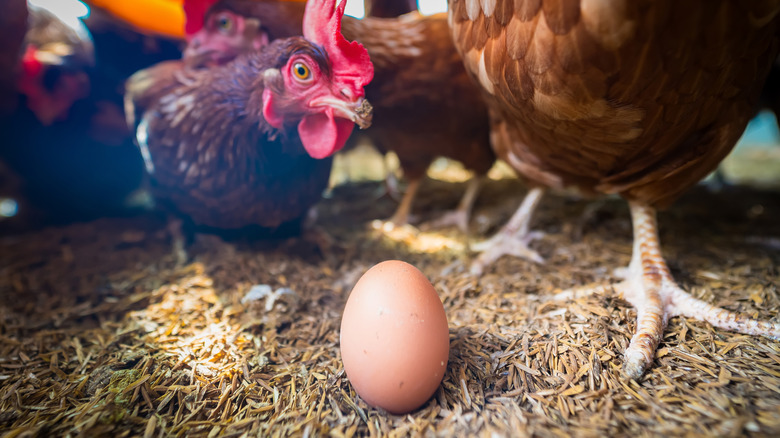
If only fast-food companies included a "no take-backsies" clause in their corporate promises. According to a statement posted on Chick-fil-A's website, the chain is no longer on track to meet its goal of switching to cage-free eggs. "In 2016, Chick-fil-A communicated we would source only 100 percent cage-free eggs by 2026," reads the statement. "Currently, our ability to meet this commitment in the stated timeframe is uncertain due to numerous industry dynamics and the significant impact the bird flu has had over the past several months and continues to have on our industry." The company notes that it will serve cage-free eggs where required by law; as of January 2026, ten states have banned the sale of eggs from caged chickens.
Let's read between the lines here. Chick-fil-A didn't explicitly promise to keep working toward the goal — only to meet state standards. It's unclear whether the chain plans to keep actively pursuing the promise. The statement linked to a somewhat contradictory claim on the company's animal well-being standards, which stated that Chick-fil-A requires its suppliers to use "Climate-controlled barns, where chickens are cage-free and free to roam."
But what does "cage-free" mean, anyway? Cage-free doesn't mean that chickens can wander around in sunny green fields; only "pasture-raised" chickens get unlimited access to the outdoors. "Free-range" chickens get some outdoor access, and cage-free chickens spend their lives in indoor facilities. Conditions in cage-free facilities aren't always great, but they're better than cramped cages — and, increasingly, cage-free is becoming the industry norm (and a marker of high quality eggs compared to the others on grocery store shelves).
Chick-fil-A struggles to meet goals despite competitors' success
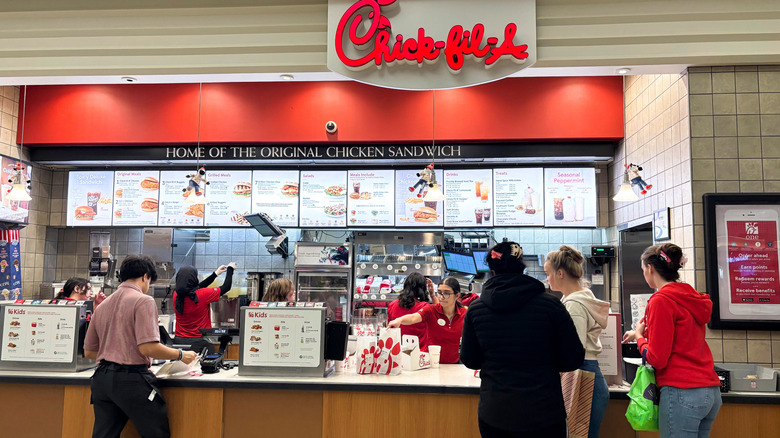
Chick-fil-A isn't the only chain that has committed to sourcing cage-free eggs, but it is one of the few that failed to follow through. In 2015, McDonald's pledged that US locations would exclusively use cage-free eggs by 2025. The brand met its goal two years ahead of schedule. In 2021, Starbucks was just a few percentage points away from its 100% cage-free goal. Taco Bell and Shake Shack were ahead of the trend: The chains both introduced cage-free policies in 2016.
The fact that McDonald's met its goals in 2023 — in the midst of the bird flu outbreak that allegedly derailed Chick-fil-A's efforts — calls the chicken chain's excuses into question. While the flu decimated both caged and cage-free chicken populations, cage-free flocks were the first to bounce back. Now, nearly half of the US egg supply comes from cage-free chickens. It's a dramatic increase, up from 38.5% in 2024 and just ten percent in 2012. Why? Increased demand for cage-free eggs from companies like McDonald's. While the fast food industry's progressive claims should be taken with a grain of salt, we can only hope Chick-fil-A will keep working toward its goal: the egg industry needs the push.