

14 Popular Brands Pepsi Actually Owns
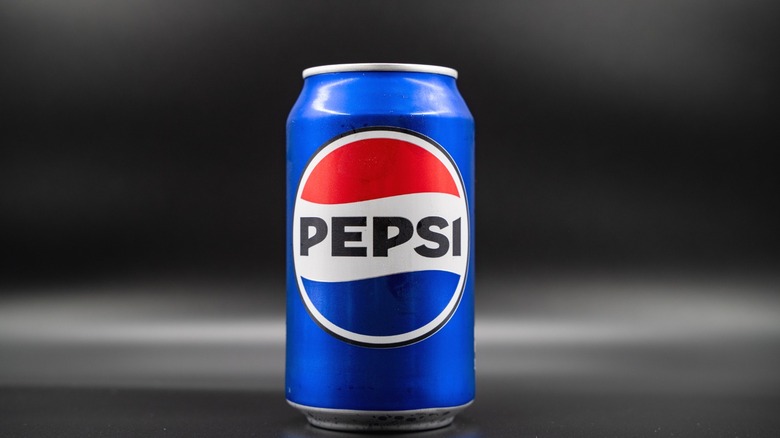
Just as a mighty oak tree was once a humble acorn, one of the world's largest companies started with a drink sold by a guy named Brad. Well, sort of, anyway. In 1893, a New Bern, North Carolina, drugstore owner by the name of Caleb Bradham began experimenting with different formulations for soda, including one sugary, caramel-y delight he called "Brad's Drink." In 1898, he renamed it "Pepsi-Cola" to sell it as a digestive aid (which is to say, an elixir against dyspepsia); from there, like its archrival Coca-Cola, it only grew and grew. Today, PepsiCo is a multi-billion-dollar company, one that has all sorts of different brands in its portfolio.
Not all of these were originally launched by Pepsi, of course. Many of them took a rather long journey, through endless games of mergers and acquisitions, to end up under PepsiCo's mighty red, white, and blue umbrella. Is this sort of corporate consolidation a good thing? The jury is very much out on that, but if Hershey can do it, owning everything from Dot's Homestyle Pretzels to Pirate's Booty, PepsiCo sure as heck can.
Gatorade
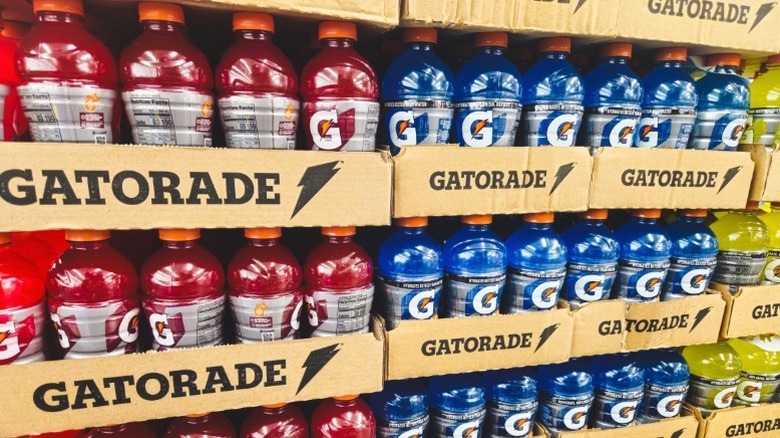
It's an electrolyte-laden thirst quencher, as useful for athletes as it is for those who are getting over a stomach flu. But before Gatorade was the brightly-colored sports drink (and sneaky good wine mixer) we know and love, it was an experiment by a team of scientists at the University of Florida, who were asked to make a drink to hydrate the Florida Gators football team. After Quaker Oats acquired Gatorade in 1983, Pepsi bought Quaker Oats in 2001 for $13 billion — much of it for Gatorade, considering the brand accounts for 78% of the sports drink market.
Lipton (sort of)
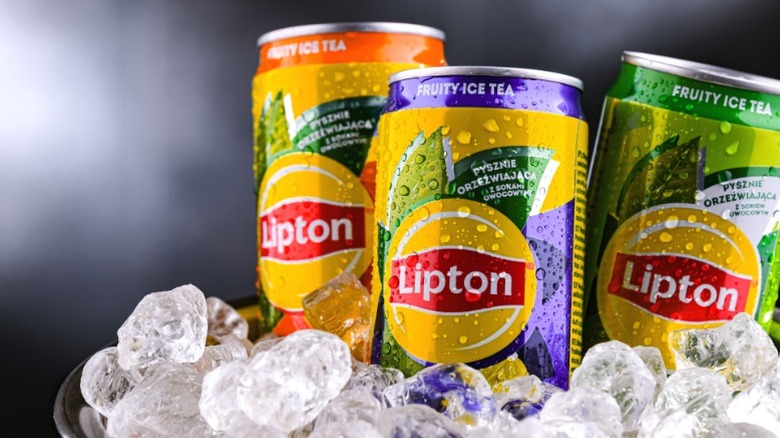
This one is a little complicated. You see, Lipton, the international tea conglomerate (which also makes instant soups, for some reason), is not actually owned by PepsiCo — it's owned by a private equity firm called CVC Capital Partners, which bought it from Unilever in 2022. What PepsiCo actually has is a partnership with Unilever that allows it to sell iced teas, including Lipton, Pure Leaf, and Brisk. If all that sounds confusing, well, welcome to the world of licensing agreements. (It won't be the last on this list.)
Pearl Milling Company
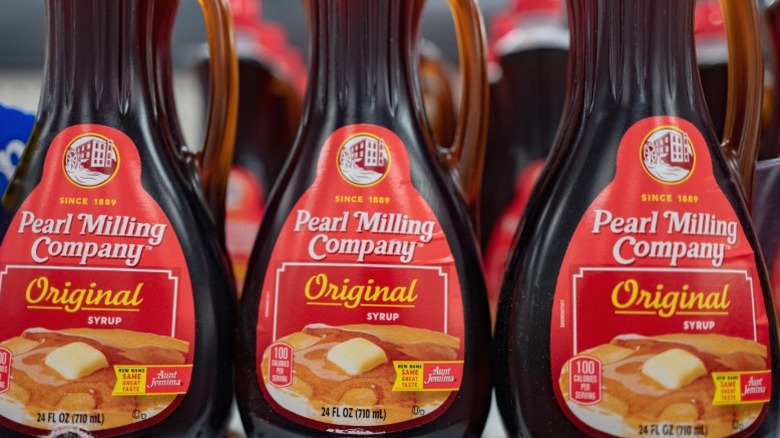
Here we have another Quaker Oats brand swallowed up by PepsiCo in that 2001 merger. Pearl Milling Company, which sells pancake syrup and mixes, was once known as Aunt Jemima. But "Pearl Milling Company" was the original name of the company, which started in 1889 in St. Joseph, Missouri. Not long after its founding, though, it adopted the name and image of "Aunt Jemima," a popular "mammy" figure in vaudeville and minstrel shows. The company has changed the logo many times over the decades, before scotching it altogether in 2021 after racial stereotype accusations.
Miss Vickie's
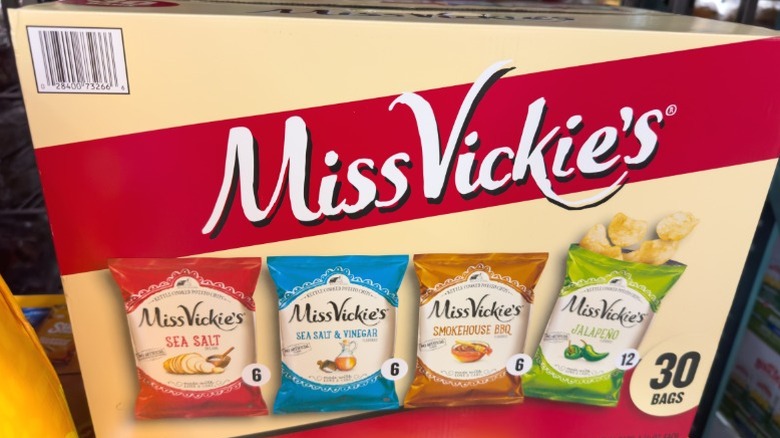
What a friendly-sounding name this brand has! Coupled with its tastefully designed, color-coded bags, you might think Miss Vickie's is a plucky small business (well, small by snack company standards, anyway). And once upon a time, it was: Miss Vickie's was founded in 1987 by a Canadian potato farmer named Vickie Kerr. The crunchy kettle-cooked chips gained fans all across Canada (and then the rest of America). The Canadian joint-venture, Hostess Frito-Lay, now a PepsiCo subsidiary, bought Miss Vickie's in 1993.
Cheetos
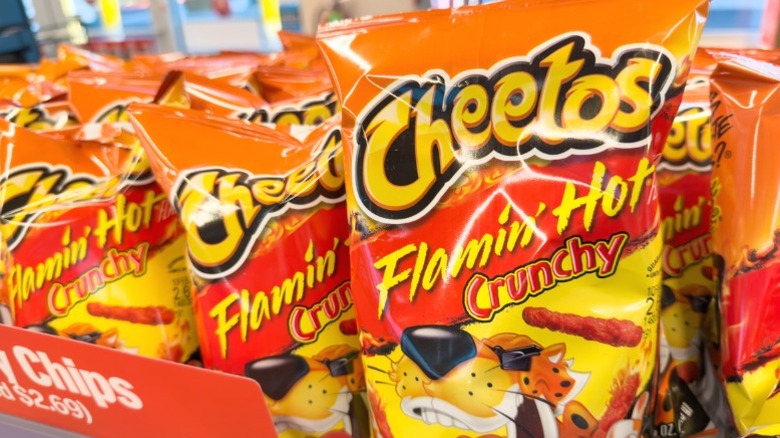
Whether you eat them crunchy, puffy, or Flamin' Hot, you know and love Cheetos and/or its attitude-filled cheetah mascot. But did you know that, not only is Cheetos a PepsiCo product, it's also one of the main reasons why PepsiCo as we know it exists today? Cheetos were invented in 1948 by Charles Elmer Doolin, who also invented Fritos. Cheetos' overwhelming success led to the merger between The Frito Company and H.W. Lay & Company in 1961. Just a few years later, in 1965, Frito-Lay merged with Pepsi, forming PepsiCo and establishing a snack superpower.
Quaker
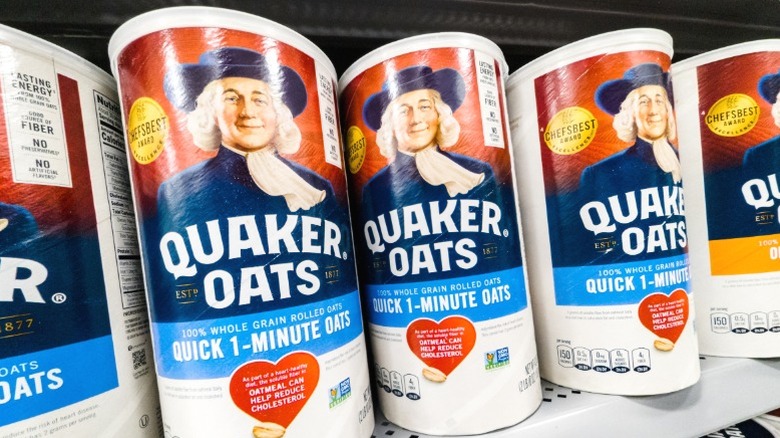
Who would have guessed that fusty, sensible old Quaker Oats, with its heart-healthy attributes and its Wilford Brimley commercials, would be owned by something so unhealthy as Pepsi? Well, it's true, but as we mentioned earlier, Quaker wasn't really what Pepsi was after. But while Pepsi did get that sweet, sweet Gatorade money, it also has the market leader in hot cereal in its back pocket, racking up hundreds of millions of dollars in sales each year. Not bad for a guy in a powdered wig and a funny little hat, huh?
Ocean Spray (sort of)
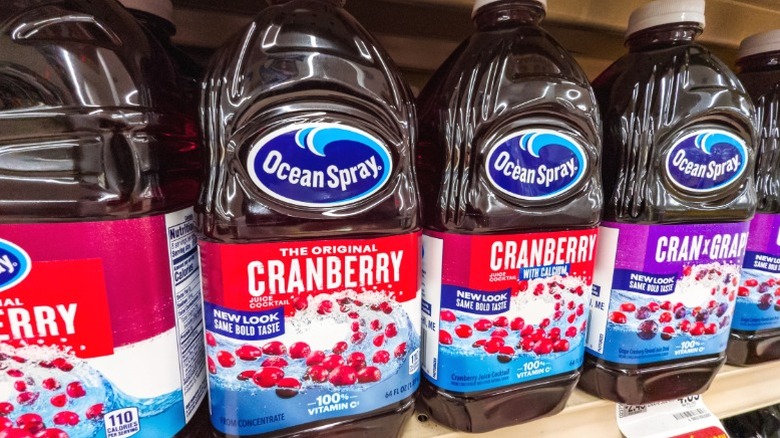
This is another case where it's not quite accurate to say that Pepsi "owns" a company. Ocean Spray is, in fact, an agricultural cooperative of cranberry farmers, responsible for juices, sauces, and Craisins all year-round. Although PepsiCo has tried to buy Ocean Spray, the cooperative has remained independent to this day. The cooperative does, however, have a partnership, allowing PepsiCo to bottle and distribute Ocean Spray products.
Lay's
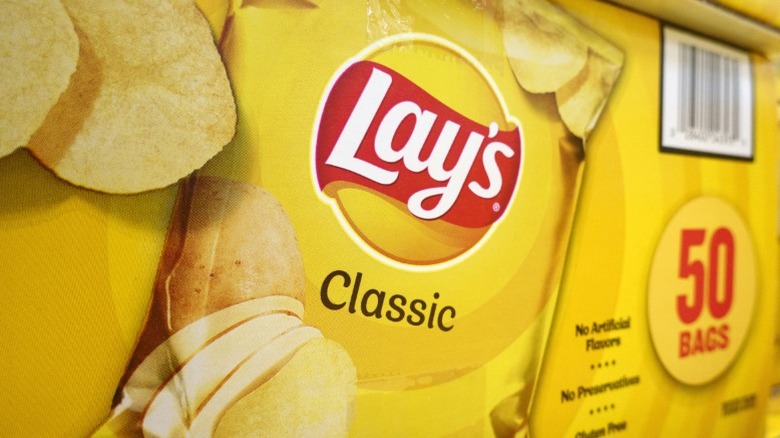
If you've read this far, you can probably already guess how Lay's ended up with Pepsi. The company, which was founded in 1932 by Herman Lay of Nashville, now makes up half of Frito-Lay. But it feels weird, doesn't it? Lay's is such a towering presence in the world of potato chips that you'd be forgiven for assuming it's its own company. In fact, Lay's products (including its Classic potato chips) generate about 60% of PepsiCo's total annual sales, worth billions of dollars each year. Ah, the wonders of corporate consolidation!
Ruffles
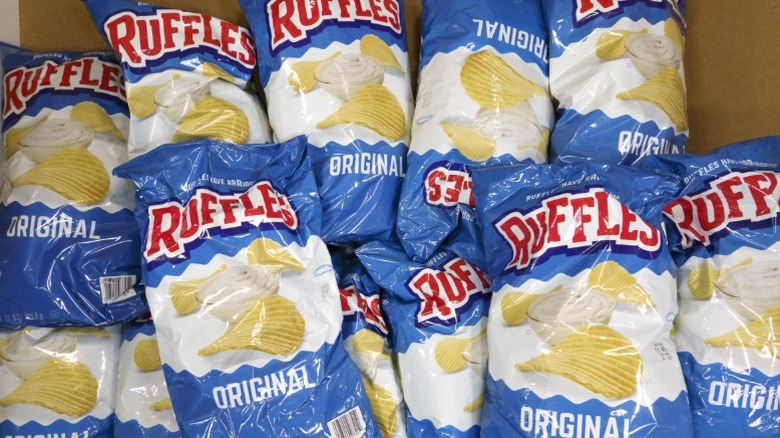
You wouldn't think that adding little grooves into a potato chip would make that much of a difference, but here's Ruffles to prove you wrong. These wonderfully crunchy chips were invented in 1948 by Bernhardt Stahmer, who pioneered the crinkle-cut chip model. Frito (not yet Frito-Lay) bought Ruffles in 1958. Today, the company is owned by PepsiCo, and you can even get regular Lay's chips with ridges, but why not go back to the original?
Tostitos
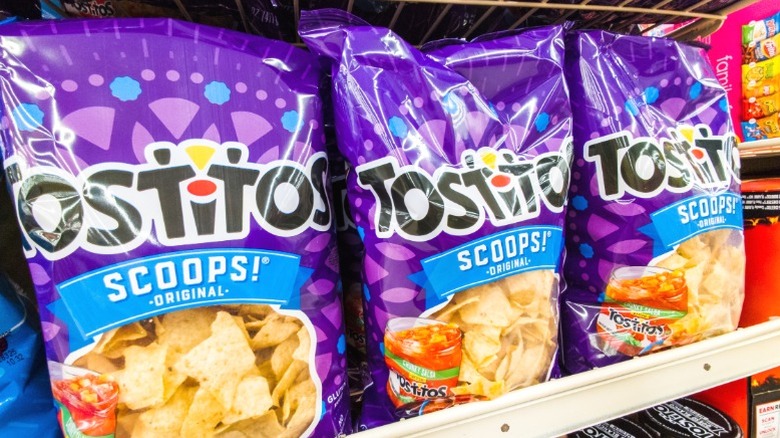
Some of you, perhaps sensing a pattern, might be wondering what company PepsiCo bought out to get its hands on Tostitos. But this brand of tortilla chips is actually a PepsiCo original, launched by Frito-Lay in 1977 before being introduced nationwide a few years later. Tostitos changed the tortilla chip game, sponsoring college football bowl games, and (perhaps most importantly) putting into motion a chain of events that would one day result in Jesse Plemons gravely intoning, "How can that be profitable for Frito-Lay?" in the cult classic film "Game Night."
Cap'n Crunch
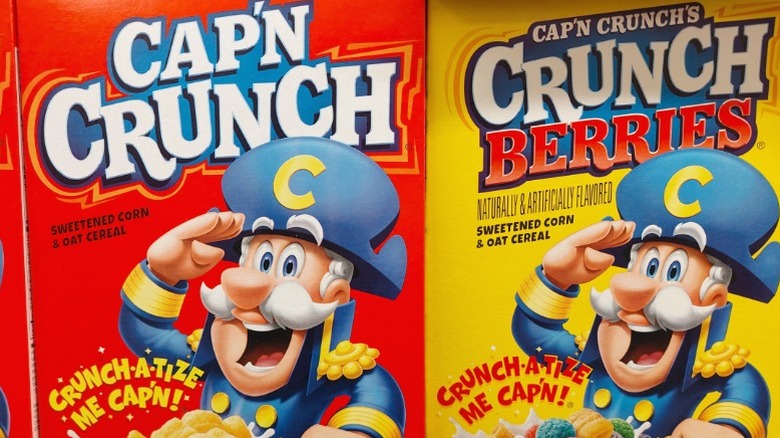
Maybe you, like the rest of us, assumed that Cap'n Crunch was one of the many cereals owned by Post, General Mills, or Kellogg. But nope: the honorable Cap'n is owned by Quaker, and therefore by PepsiCo. The cereal was invented in 1963 by Pamela Low, a flavorist who wanted to imitate the taste of brown sugar and butter over rice. Soon enough, Allan Burns (also of "The Munsters," among other sitcoms) whipped up a mascot, and a cereal legend was born.
Doritos
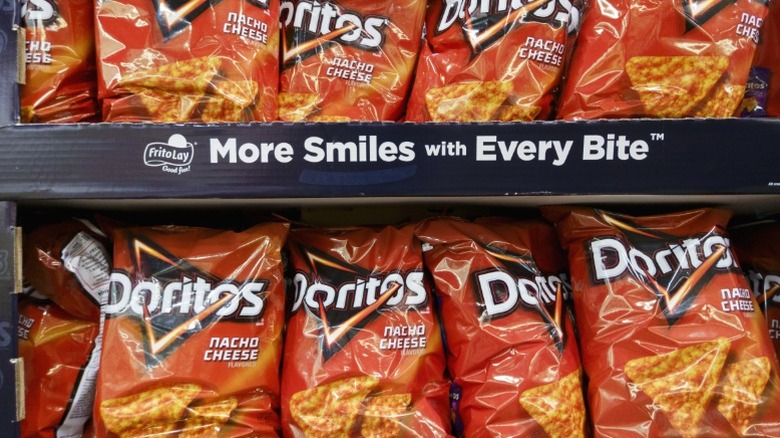
Like Tostitos, Doritos was another snack created in-house by Frito-Lay — or should we say, in mouse, because it was invented at Disneyland. (Thank you, we'll be here all night.) Frito-Lay operated a Mexican restaurant in Disneyland, specifically Frontierland, when it first opened, and Doritos were developed as a way to make use of surplus tortillas. Years later, and these delicious triangles are staining our fingers many different colors, whether as chips or, for some reason, as taco shells (thanks to Taco Bell's Doritos Locos Tacos).
Cracker Jack
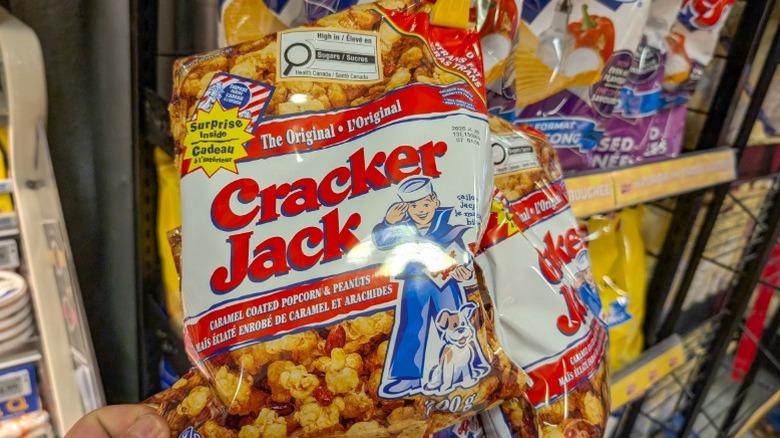
It's a brand old enough to be namedropped in "Take Me Out To The Ballgame" (written in 1908), and its mascots are a chummy-looking boy in a sailor suit and his friendly dog. But even an oldhead snack like Cracker Jack (which is just molasses-coated popcorn) can be absorbed into PepsiCo. Borden, a now-defunct company, owned the brand before it was purchased by Frito-Lay in 1997.
Starbucks (sort of)
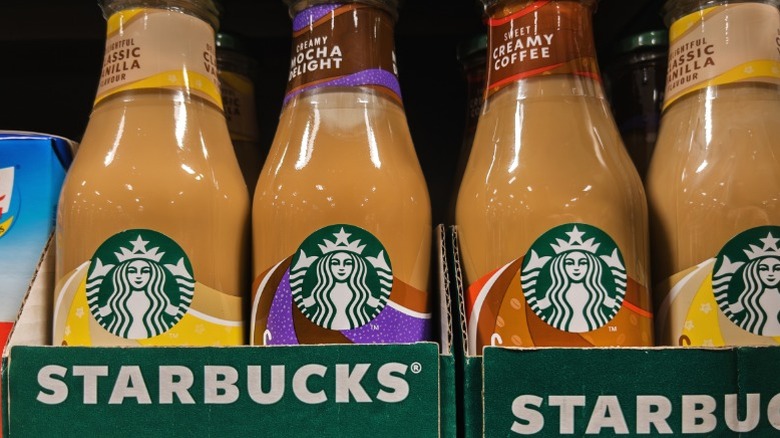
Once again, this is a licensing agreement more than anything else. Starbucks is not actually owned by PepsiCo, but there is an agreement in place for PepsiCo to bottle and sell ready-to-drink Starbucks beverages. Established in 1994, it's called the North American Coffee Partnership, which is awfully official-sounding for a business deal — but it's worked out well enough for both parties, so we guess we can't really knock it.