

Boomers Can't Stand These 14 Millennial Food Trends

Diets and food habits have naturally never remained constant. Even the ingredients we use have evolved thanks to agriculture, technology, and shifting lifestyles. But the biggest changes are not just those seen across centuries, but the ones right in front of us, across generations seated at the same table.
Today's kids and young adults eat very differently from their parents and grandparents. While boomers tend to favor familiar meals and traditionally prepared dishes, millennials are far more open and enthusiastic about experimentation and discovery. What one generation sees as innovative and necessary, the other views as overhyped or just plain confusing. It's also worth remembering that this isn't new. Every generation reinvents food in its own unique way and this cycle will continue — of that, there is no doubt.
For now though, the contrast couldn't be clearer. Millennials are posting every bite they eat online, while boomers shake their heads and bemoan the disappearance of real food. If you're ready for a laugh and maybe some nodding in agreement (or eye-rolling), buckle up. Here's a look at the millennial food trends that boomers simply cannot stand.
1. Avocado toast
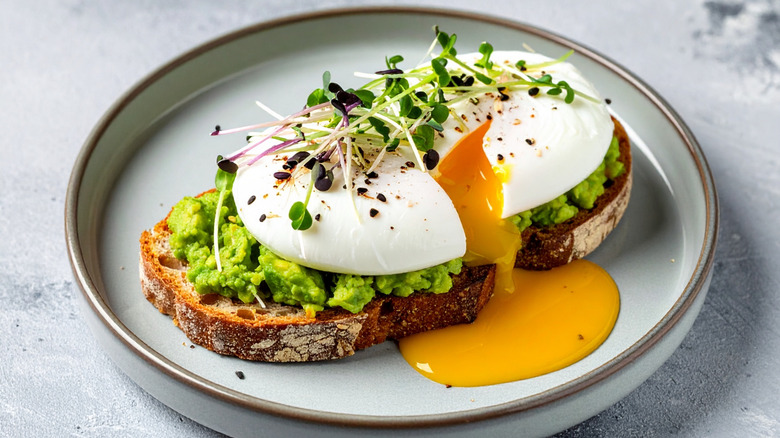
Avocado toast is a dish that elicits some very strong responses, with plenty of love and hate on both sides of the divide. Over the past decade, it has become a full-blown cultural phenomenon, often used as a litmus test to differentiate between the generations. If you are a millennial or Gen Z, chances are you love it, and have experimented with elaborate toppings and flavor combinations. Even chefs like Gordon Ramsay have weighed in on how to elevate it.
Meanwhile boomers are portrayed as a bunch of old-timers whose taste buds are firmly rooted in the past. To them, the hype around what is basically toast and a simple slice of avocado is just plain baffling. Stereotypes like this gained popularity around 2017, when an Australian millionaire weighed in on the housing affordability debate, claiming that young people could afford a house if they stayed away from avocado toast. That remark sparked a controversy that popularized the dish's place as a symbol of changing lifestyles and acceptable cultural norms.
There is a large element of truth to the generalization that boomers can't stand this millennial favorite, but there are always exceptions. Personally, as a millennial, I'm not exactly enamored with avocado toast as it does nothing for me, but hey, to each their own.
2. Plant-based everything
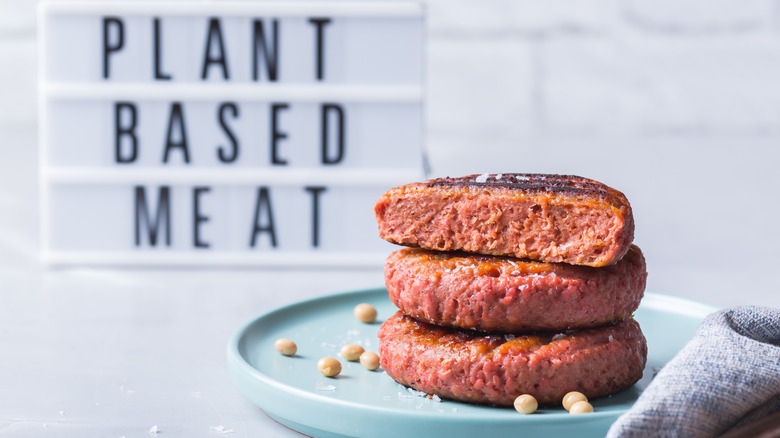
A study by GlobeScan in collaboration with EAT showed that boomers really aren't that big on plant-based foods, with only 16% saying they eat them frequently, compared to 27% of millennials. So why the opposition (bordering on, dare we say, hate)? Much of it comes down to a resistance of the concept of veganism itself. For many boomers, rejecting a meat-forward diet can feel like a denial of the only way they have known to eat. Add to this the strong, polarizing opinions surrounding plant-based diets that continue to trigger and confuse people.
One common beef (pardon the pun) that boomers and non-vegans have is the "victim" card that is often used, and the claim that vegans and vegetarians are discriminated against, often to the same extent as some other marginalized groups. It really is ironic that a movement rooted in the philosophy of non-violence against animals can inspire such intense reactions. Still, as many nutrition experts point out, a more plant-forward diet can have health advantages. That said, it doesn't necessarily mean cutting out meat entirely – a balance that continues to fuel debate on whether plant-based eating is better than traditional boomer-approved diets.
3. Deconstructed dishes
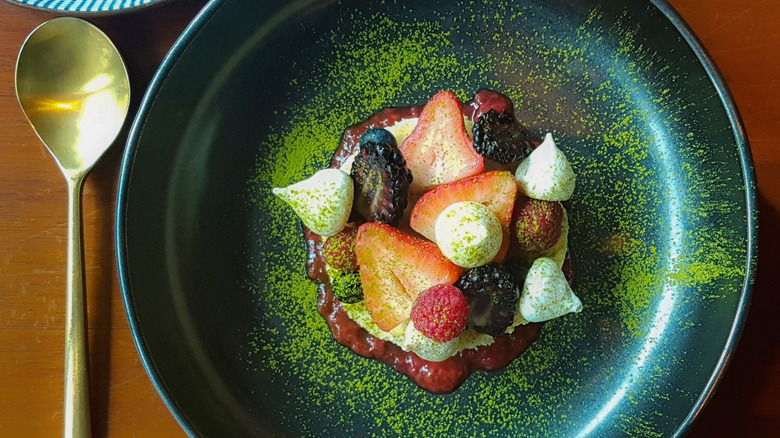
Deconstructed dishes are high on the list of millenial food trends that boomers simply don't buy into, and to be fair, the reasons are pretty obvious. Boomers grew up viewing dining out as a different experience than it is now. Meeting over a meal was more of a relaxed occasion in calm environments that were conducive to conversation. The idea of having to decipher your meal feels more frustrating than fun. Boomers tend to value predictability along with traditional hospitality, and deconstructed plating pretty much flips that idea on its head.
Even celebrity chefs such as Marco Pierre White have famously pushed back against deconstructed meals that are over stylized. His argument about mother nature being the real artist and not the chef surely resonates among boomers. Meanwhile, a user on Reddit minces no words and labels such meals as "what you call a dish you dropped in the kitchen." Many blame the increasing popularity of cooking shows such as Masterchef, for the increased popularity of this trend. At the end of the day, it comes down to expectations. For boomers, a meal out should not mean a puzzle on a plate, and one that comes with a high price tag to boot!
4. Meal bowls
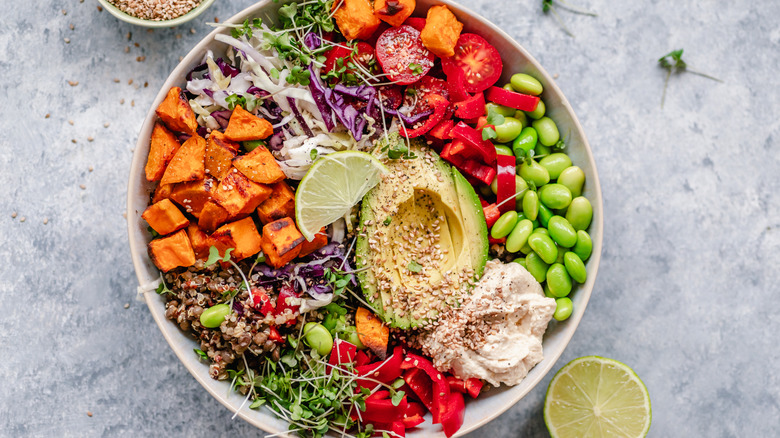
Meal bowls seem to be the very antithesis of those carefully crafted Insta-worthy dishes, and yet they have become as iconic. How is it that a bowl piled with everything has suddenly captured people? Is it the promise of good health? The convenience? The labels shouting nourished or balance, maybe? Whatever the reason, this trend is sticking around and the millennials love it. Boomers? Not so much.
I believe part of the resistance is purely visual. Meal bowls have been referred to in several derogatory terms – "slop bowls" being one of them (most probably coined from a boomer's perspective). For a generation that has grown up on TV dinners with carefully segregated compartments for meat and veggies, the idea of mixing everything in a single bowl feels all wrong.
From the millennial point of view, meal bowls are marketed as efficient, no-nonsense ways of getting all your macros in. They're infinitely customizable, and some even argue tastier, thanks to the way flavors and textures come together. The trend doesn't show any signs of slowing down. There's a wealth of guides and tutorials on how to build the perfect bowl, and while this is a pro for the younger crowd, for boomers, the fact that a meal elicits so much over-explaining only makes the concept feel fussy and a little exhausting.
5. Craft coffee
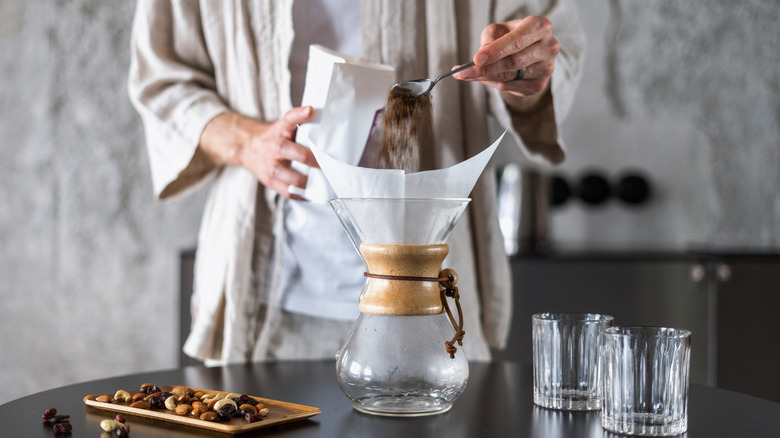
Coffee fuels the country, and studies have shown that over 70% of Americans drink it daily. However, the tastes of the different generations vary, and this includes their coffee drinking habits. Baby boomers prefer to drink their coffee at home and rarely have it at coffee shops or to-go. For millennials, on the other hand, their daily coffee is a ritual in itself. Completely curated and customized, heading out for a little coffee treat is a part of everyday routine. Perhaps it has to do with the fact that boomers prefer stability and savings, as compared to younger millennials who value different experiences coupled with convenience.
The rise of artisanal coffee — from single-origin beans to pour-over methods — has transformed a basic morning habit into a complicated experience for a certain generation. And let's not gloss over the fact that spending $5 for a cup seems completely unreasonable to anyone who is perfectly happy with their homemade brew. Then there's the taste. Craft coffee, with its multitude of fruity flavors and acidic profiles, doesn't go down well with the traditionalist mentality of boomers. For someone used to a straightforward, robust cup, that shift can feel confusing at best and unpleasant at worst.
6. Fermented and funky flavors
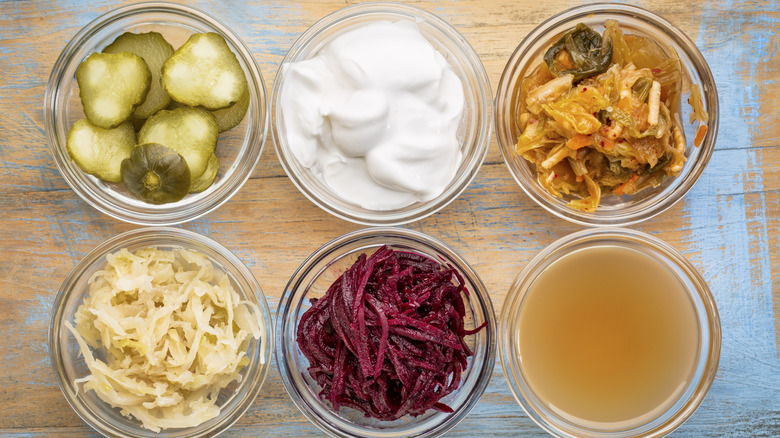
Fermentation is a part of food culture traditions around the world, from kimchi and miso in Asia to sauerkraut and funky cheeses in Europe. In America, these foods find favor with millennials, with kombucha leading the charge as the drink of choice for the wellness crowd. Unsurprisingly, boomers remain largely unimpressed.
The boomer dislike for certain types of foods could be attributed to the norms that were prevalent in post-war America. For that particular generation, anything that smelt sour or too tangy meant only one thing — the food had gone bad and needed to be thrown out. When viewed from this perspective, the idea of intentionally fermenting food and drinks and paying a premium for it seems counterintuitive.
There is also a healthy dose of skepticism toward the hype. Millennials may be wholeheartedly adopting the whole kombucha, kefir, probiotic spiel for their perceived health benefits, but boomers are not so easily convinced. While millennials embrace the funky, complex flavors with an open mind, boomers tend to prefer food and drinks that are familiar and straightforward. A drink that requires an acquired taste is plain asking for too much.
7. Dessert mash-ups
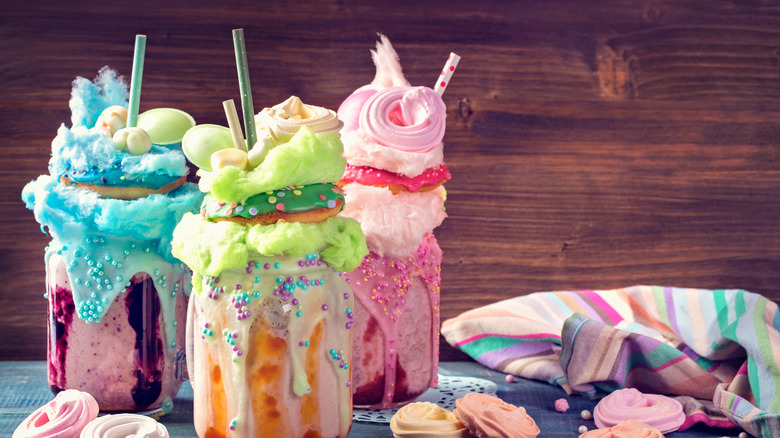
Dessert mash-ups, such as ice creams with cornflakes and marshmallows, or milkshakes topped with an entire slice of cake, may be a hit with millennials and the younger generations, but their appeal vanishes when it comes to older generations like the boomers. For millennials, dessert isn't just a special treat. It is a way to socialize, to celebrate, and a deciding factor in choosing where to eat. The more over-the-top, the better. Bigger, richer, sweeter are rarely considered flaws in desserts nowadays.
Boomers, on the other hand, grew up with an entirely different food culture. Things looked exactly like what they were supposed to be. A slice of pie. A scoop of ice cream. A cup of pudding. No surprises here. Even when dining out, meals followed a particular structure. Mains and sides were followed by dessert, and overlaps rarely happened. To a boomer, a dessert that combines multiple elements into one towering creation can feel less like indulgence and more like a spectacle — and a confusing one at that.
8. Clean eating and wellness foods

I'll admit I find the term "clean eating" mildly offensive. I can see why boomers would be rubbed the wrong way too. The term itself implies that other foods are ... dirty? It's an unpleasantly loaded way to describe something that, at its core, is all about eating more natural foods and less of the processed stuff. This on its own is not a difficult message to get behind. But somewhere along the way, clean eating has picked up a vast set of rules. Suddenly, it's no longer just about balance but more about eliminating entire categories of food. Now, even perfectly reasonable food choices like frozen fruit or anything mildly processed can get sidelined.
And then there's the repetition of the same handful of ingredients. Turmeric, chia seeds, and apple cider vinegar getting recycled endlessly, each one presented as the next miracle fix. For boomers, the resistance isn't to eating well. Instead, it's to the idea that eating well suddenly needs a list of rules and a rotating cast of superfoods to make it acceptable.
9. Tiny portions on big plates
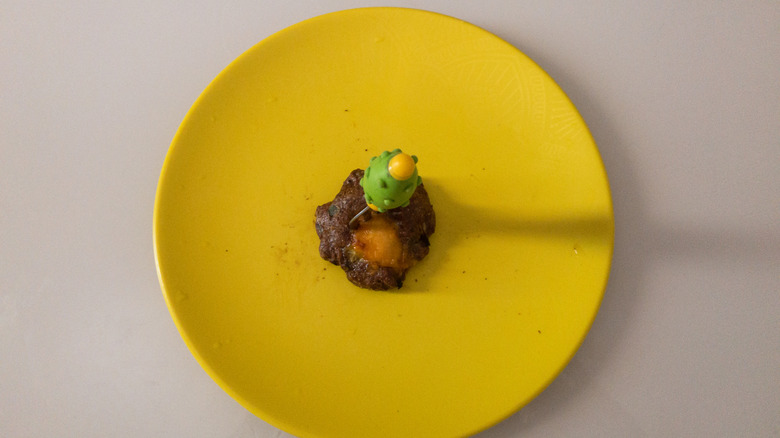
Old timers get a feeling of being scammed when presented with a large plate containing a tiny portion of food, and it's no wonder why. It just looks plain wrong, like the restaurant is skimping on its portions. It's a trend that may please the Insta-loving folks, but for boomers, it feels like a con.
The irony is that small portions don't seem to be the issue. Tapas and small plates have been around for years and are universally loved. The difference is ratios and expectations. Large plates with minuscule portions feel like a joke that boomers aren't falling for. And then there are the prices that keep up with the size of the plates, not the portions. Paying a ridiculous amount for a dish that leaves you feeling hungry at the end, no matter how delicious, doesn't sit well with anyone — least of all a generation that values both quality and quantity.
10. Protein everywhere
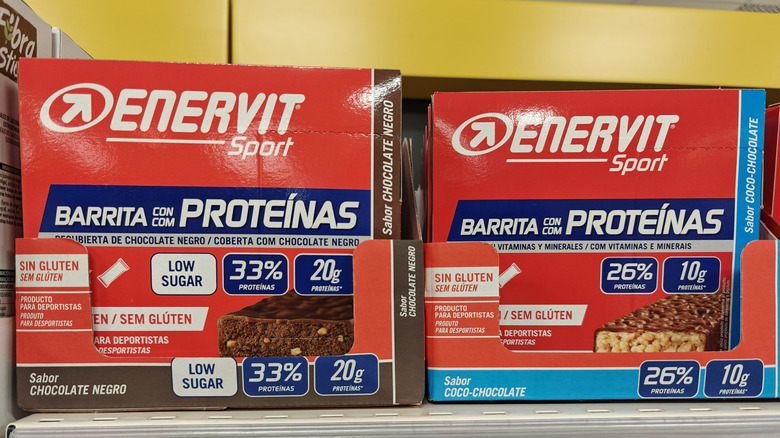
Protein seems to be everywhere these days — from yogurt to ice cream bars, you can't seem to reach for a snack without being faced with a protein label. At times, this extra protein trend seems like overkill (especially when water bottles now have added protein). As a generation, boomers have been brought up considering a juicy ribeye steak or burger as the only way to get protein — if they're even counting macros in the first place.
Part of this reason comes down to how boomers were raised. Undoubtedly, convenience foods were very much a part of their lives, with kitchens stocked with canned goods, frozen meals, and packaged snacks. But even then, meals were still largely structured around familiar formats, with a protein, starch, and vegetable. Millennials, on the other hand, have been inundated with the importance of making smarter and healthier food choices.
That's not to say boomers are oblivious to nutrition, but they approach it differently. What they remain skeptical about are the new high-protein products that offer little more than a marketing promise. If they are eating a balanced diet, there shouldn't be any need to overcomplicate things with pre-packaged snacks and sweets that are made to sound healthier than they actually are.
11. Sourdough
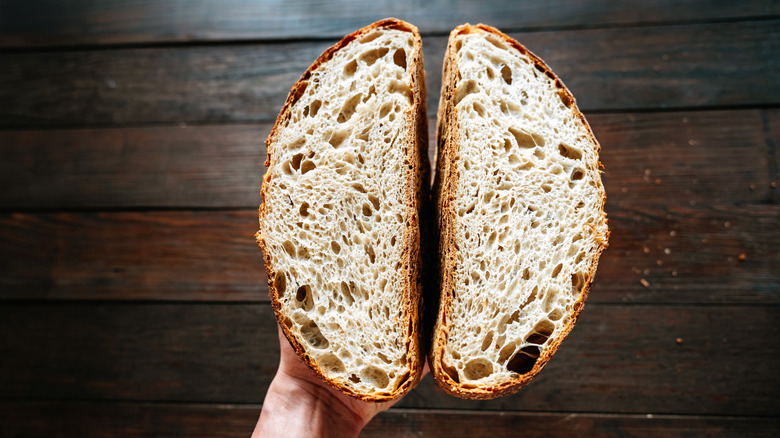
For a while, sourdough was everyone's favorite bread. What started as a niche bakery item soon became an obsession. During the pandemic, home bakers nurtured starters, and social media was full of images of crusty loaves emerging from ovens across the world. Everyone wanted to believe that homemade sourdough was the best thing since ... well, sliced bread. But not everyone was as enthusiastic. Digging deeper, it seems that the great sourdough divide is largely about taste and texture.
Boomers were raised on mild tasting, soft, bland white bread. The thick, crackly sourdough crust is not always an easy sell to this generation. To be fair, it is harder to bite into and less practical for everyday eating, especially when compared to the fluffy predictability of traditional white bread loaves. When the idea of good bread is something you can pull out without a second thought to slather with peanut butter and jelly, sourdough can feel like a needless effort for many boomers.
There's also the hype around sourdough being healthier for you and easier to digest. This unsurprisingly, doesn't sit well with boomers who tend to view it as just another type of bread. The only advantage it seems to have to them is better marketing.
12. Matcha
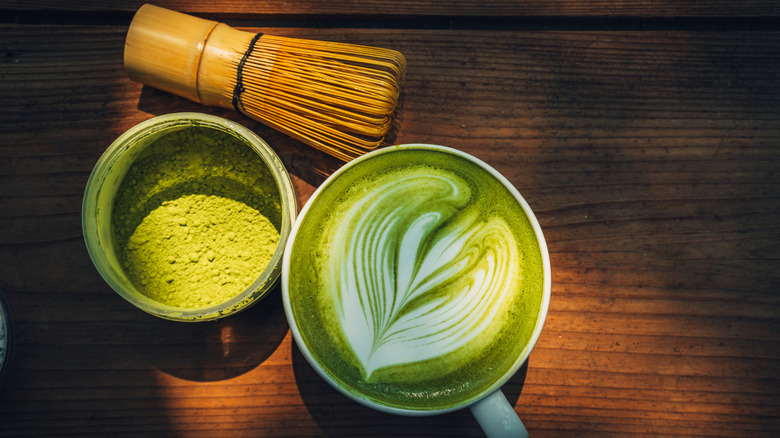
It's hard to imagine a rival to coffee as a fuel that keeps the world spinning. Tea has been a contender, especially in the East, and of late, matcha has emerged as a trendy alternative. Younger consumers are flocking to tea houses, and even coffee shops now serve this bright green beverage in various flavors and combinations. Once reserved for traditional Japanese tea ceremonies, this finely ground tea may be found in everything from lattes to desserts, but it's still far from being universally loved.
Matcha is probably the least popular of drinks from a boomer perspective. With taste buds too used to the strong flavor of their morning brew, matcha seems too grassy and almost vegetal. In addition, while matcha does contain caffeine, it delivers it differently. With a steadier dose of energy and a calmer wake up than the immediate jolt that coffee provides, matcha can feel like it's missing something. And finally, there's the cost. Good matcha is expensive. Sometimes, significantly more than your plain cup of coffee. For boomers who value practicality, paying a premium for a drink that doesn't deliver on its wake-up promise is a hard sell for sure.
13. QR code menus and food ordering apps

QR codes are a modern dining trend that boomers really dislike. And if I have to be honest, so do I. Often, this hatred doesn't stem from any lack of cellphone mastery, as many older adults are perfectly capable of navigating their phones. But this doesn't automatically translate into wanting to read a tome of a menu on a tiny screen.
Part of the resistance can be chalked down to comfort. Dining out, for boomers, has always been a tactile experience. You dressed up, carefully chose the restaurant, flipped through the heavy menu, and avidly discussed options. Replacing that with a small black-and-white square that requires loading and scanning takes away some of the joyful rituals associated with eating out. While millennials have grown used to dealing with apps, ordering online, and contactless payment systems, boomers rarely see the need to replace something that is already working perfectly well. They prefer to keep menus as they were supposed to be — simple and easy to read.
14. Food for Instagram
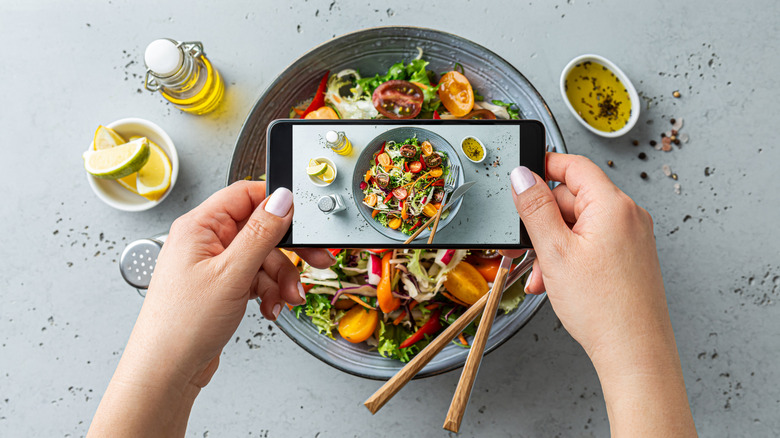
It's no secret that boomers and millennials approach social media in very different ways. While many boomers are more comfortable with platforms like Facebook to connect with family and friends, there are limits to what they share online. The idea of photographing your food and sharing it with the world can be credited to the rise of Instagram. Naturally, restaurateurs and chefs started catering to this craze and food for Instagram was born. Dishes started being presented differently, as they weren't just meant to taste good, but they had to look good too. Good enough to stop someone mid-scroll and be worthy of a like.
Boomers, of course, are having none of it. For them, mealtimes are about sitting together with the family and enjoying a home-cooked meal. How the food looks is secondary. The idea that a plate should be judged depending on how many likes it gets rather than how delicious it is feels like a complete shift in priorities. Presentation has never been the main event for boomers (one look at TV dinners from the past will confirm this), but the fact that food is being designed more to be seen than tasted is where the real issue lies.