

The High-Protein Ingredient Your Mac And Cheese Is Missing
We may receive a commission on purchases made from links.
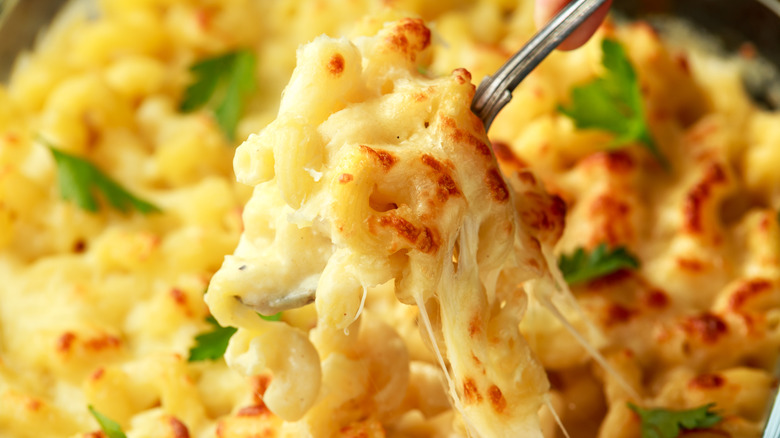
A great mac and cheese is one that's layered with flavor, typically using more than one cheese. So why not get the most out of it by choosing one that delivers both flavor and protein? While savory Italian Parmigiano Reggiano cheese packs more protein and calcium than eggs per serving, it's not melty, which is obviously very necessary for mac and cheese. That's where cottage cheese comes in — the product so popular it seems like it could fix the economy, your macros, and global tensions. It's also what Jamie Milne, content creator and cookbook author of "Everything Delish," says your mac and cheese could definitely use.
"Cottage cheese has a mild, slightly tangy flavor that blends really nicely with richer cheeses and helps create a super creamy texture," says Milne. She explains that it creates a light, yet extra creamy sauce — something traditional mac and cheese would rely on a cream sauce to achieve — all while boosting protein. But just how much more protein? A homemade mac and cheese using cottage cheese, along with cheddar cheese, milk, pasta, and seasonings, can deliver up to around 30 grams of protein per serving, compared to 9 to 20 grams in store-bought mac and cheese brands, restaurant dishes, or traditional homemade versions.
For the best favor, Milne also recommends pairing cottage cheese with other cheeses to round out the overall flavors. "Since cottage cheese is pretty mild, it's best to pair it with stronger, 'meltier' cheeses. Sharp cheddar is always a classic for that bold cheesy flavor. Even a little mozzarella can help make the sauce extra gooey," explains Milne.
The best way to add cottage cheese to mac and cheese (and make it your own)
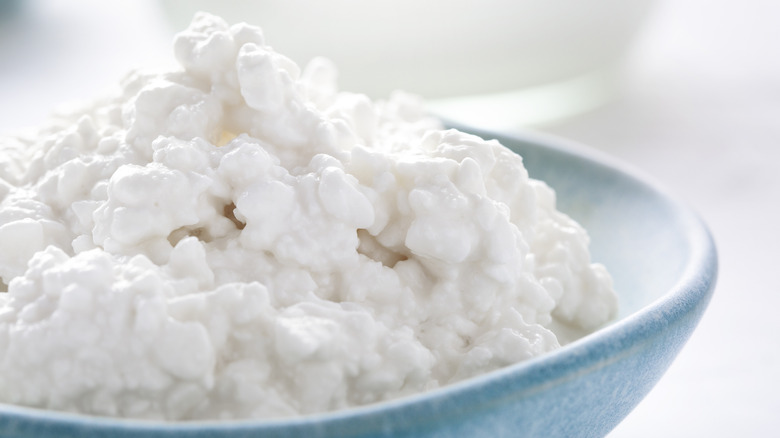
As for the best way to incorporate cottage cheese into mac and cheese, Milne recommends first giving it a blitz in the blender until smooth and then mixing it into the cheese sauce. "Blending it helps create a silky, creamy base and prevents the sauce from becoming chunky. Once it's blended, it melts right into the sauce, making the mac and cheese extra creamy," explains Milne.
From here, you can customize this high-protein mac and cheese to your liking. Add an extra kick of protein from chicken, tuna, or bacon, or boost the fiber with veggies like cooked broccoli, cauliflower, or peas. If don't have time to create a mac and cheese from scratch, you can still get a hit of protein from adding blended cottage cheese into boxed mac and cheese. Just blitz 1 cup of cottage cheese with the cheese packet and a splash of milk, and then stir the mixture into the hot, strained pasta.
You can also use this technique when baking your mac and cheese by transferring it to a casserole dish and evenly sprinkling the surface with panko breadcrumbs mixed with unsalted melted butter, a dash of garlic powder, salt, fresh parsley, and grated parmesan. Bake at 350 degrees Fahrenheit for about 20 minutes or until the top is golden brown, and then dig into your new favorite high-protein dish.