

The Step You Might Be Skipping With Canned Shrimp That's Tainting The Flavor
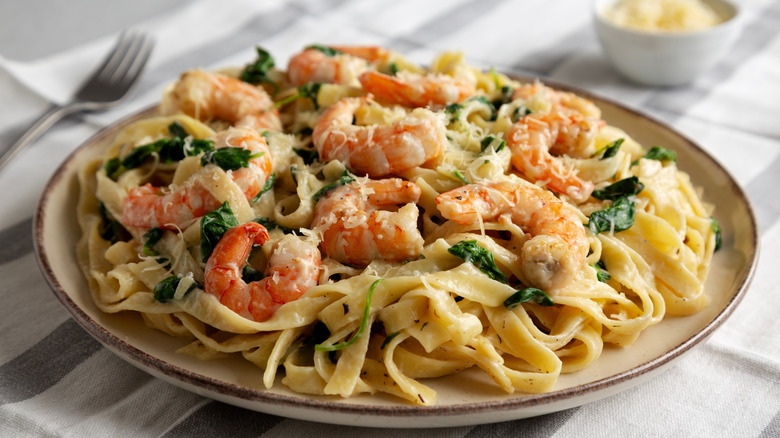
Normally speaking, we here at The Takeout are opposed to cooking with precooked shrimp, but every rule is made to be broken sometimes. For example, canned shrimp is a great substitute for tuna salad despite being precooked. If you've tried canned shrimp before and been let down by the taste, there's one step you shouldn't skip. To find out more, we spoke to Andy Diamond, president at Angry Crab Shack.
The simple step needed with canned shrimp is to wash the shrimp before you start cooking with it. "Packing facilities often use a brine solution to maintain texture," Diamond explained. "This brine solution is often very salty and can be slimy." To avoid turning your dinner into a salty, slimy mess, simply put the shrimp under water and rinse that brine solution off.
"Treat the canned shrimp the same as canned beans," said Diamond. "In a colander, rinse under cool water for one to two minutes. Allow the shrimp to drain thoroughly for the best quality." It's a quick, easy step that's simple to remember while also saving you from a briny disaster. If you forget to rinse off the shrimp, you'll likely know it in short order. "The excess moisture can cause a dish to lose its texture or consistency," said Diamond. "The salty brine can affect the flavor profile as well." No thanks, we're sold on the rinse.
What to make with canned shrimp
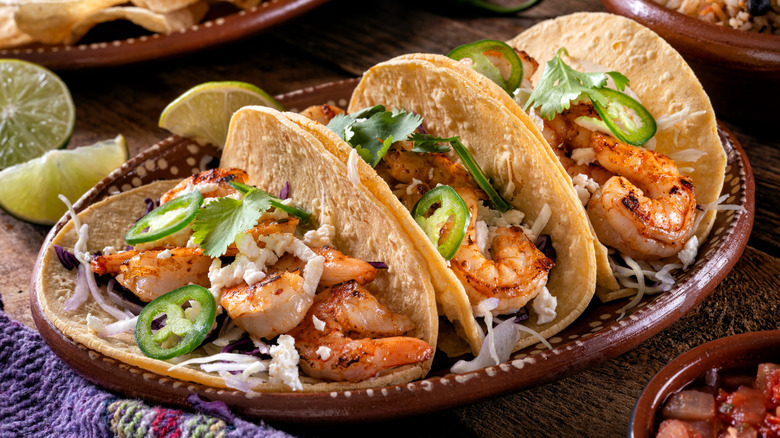
Although you now know the right way to prepare canned shrimp so it doesn't spoil your food, this ingredient isn't exactly the most common. What should you be making armed with this culinary know-how? Although it seems like you should be able to use canned shrimp interchangeably with fresh or frozen shrimp, it's not really the case.
Because canned shrimp is precooked, you don't really want to spend too much time putting it over heat or you're going to ruin the texture completely. Because of this, cold dishes work really well. Canned shrimp would be great in a classic, three-ingredient shrimp dip or something similar. It would also go well when added to pasta sauce for a seafood twist. Just be sure to heat up the sauce on its own and mix in the shrimp at the end, just before adding it to the pasta. That way, the shrimp warm up a little bit but don't get the full blast of the stove's heat.