

The Rarest Chocolate In The World And Where To Find It

We live in a society where we can eat almost anything we want in almost any quantity we want for not that much money. Cake was once seen as so luxurious, for example, that Marie Antoinette suggesting starving peasants eat it instead of bread was the nadir of aristocratic obliviousness (although she actually would've been referring to brioche if she ever said it, which she didn't). Today, you can get boxed cake mix for less than $2. So, eating something that's truly rare is itself a luxury these days — just consider chocolate made from criollo cacao, a crop that makes the rarest chocolate in the world (with that said, you can buy it from many specialty chocolate shops).
Mind you, criollo chocolate would be highly sought-after even if it weren't so rare. It has a near-total lack of tannins, which make chocolate naturally bitter. As a result, it's sweet, creamy, and decadent enough that ancient Mayans considered it the food of the gods. If that's so, why aren't we eating criollo chocolate all the time? For much the same reason pule is the most expensive cheese on Earth: It's really, really hard to get your hands on it. Criollo cacao beans are low-yield, meaning you don't get many from a given harvest. That, their sweetness, and delicacy make them susceptible to pests and harsh weather. For that reason, a mere .01% of cacao beans grown worldwide are criollo.
Efforts are being made to grow more criollo cacao
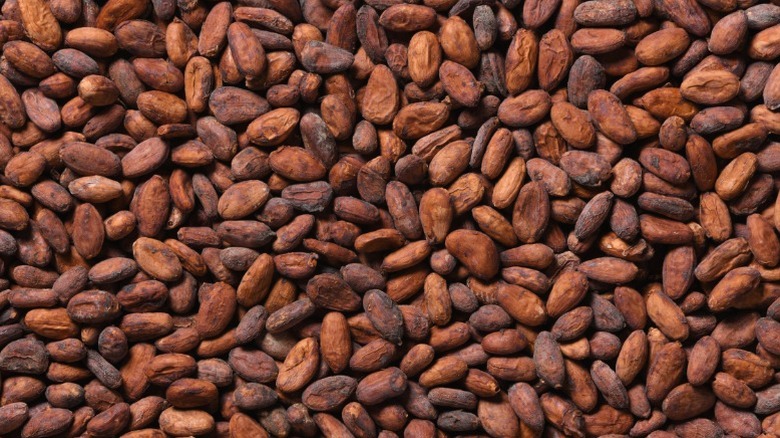
Criollo cacao is native to South and Central America. In fact, the name "criollo" comes from a Spanish word meaning "native" or "local;" it's also where we get the word "Creole." By and large, Central and South America (in countries such as Belize, Ecuador, and Venezuela) are where criollo is still grown to this day. And Belgium says it has the best chocolate in the world! Well, it kind of does, actually — but let's not go into chocolate supply chains right now.
As rare as criollo cacao is, it used to be even rarer. In 1994, Gianluca Franzoni, the owner of the Domori chocolate company in Italy, took it upon himself to revive the crop, which had all but vanished from the global chocolate market. After founding nurseries devoted to cultivating criollo cacao, the global production has been boosted from .001% to .01%. This may not sound like a big jump, but it very much is. A little more of a boost, and it might be able to make up for the heartbreaking state of Valentine's Day candy.