

The Soft Italian Cheese Lidia Bastianich Likes In Her Focaccia Bread

Like most acclaimed chefs, Lidia Bastianich holds some strong opinions about food. For instance, you won't catch her adding cilantro to a dish because she finds the soapy taste revolting, and when she's topping a pasta with cheese, plain old parmesan simply will not do. Only Italian Grana Padano graces her pasta dishes. Bastianich also prefers to make her focaccia bread with a specific type of cheese, and of course, it's another Italian icon.
There are numerous ways to bake a focaccia — some folks even spice it up with leftover ramen seasoning. But Bastianich delights in making focaccia di Recco: a thinner bread that is filled with cheese as opposed to topped with it. Her dairy of choice: stracchino. She describes it as, "a soft cheese with a mild, delicate flavor" (via lidiasitaly). Given that her recipe includes only four ingredients, stracchino being one, it makes sense to use a mellow, creamy cheese that won't overpower your taste buds when you're dipping the focaccia into olive oil or a tasty spread.
The Italian word "stracca" translates to "tired" in English. The cows that produce milk for stracchino graze for food in the mountains for long periods, which makes their milk incredibly flavorful. Unfortunately, folks interested in getting their hands on some of the unaged, rindless Italian cheese may not have much luck at their local grocery store.
What to use if stracchino is unavailable
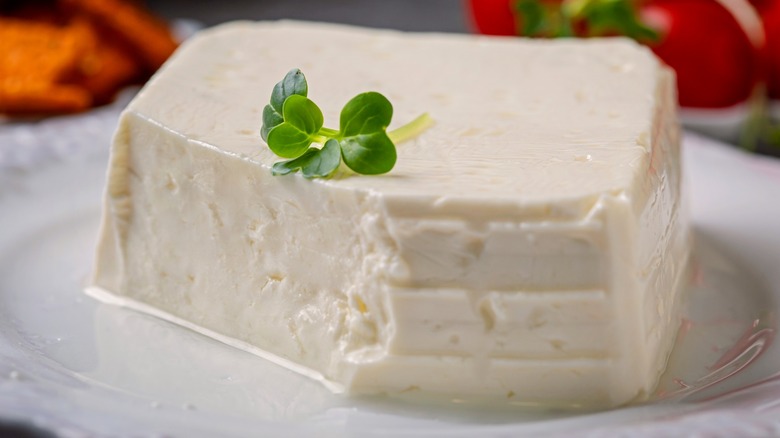
Those who want to make their own version of Lidia Bastianich's focaccia di Recco may run into a snag when attempting to source stracchino. While you may be fortunate enough to find some at the supermarket (some Kroger locations may carry it), it's considered a specialty cheese that may be more difficult to find. Sadly, swapping it for a widely available ricotta or a creamy mozzarella will result in a lackluster focaccia bread because they contain too much moisture. However, you should be able to locate some other suitable substitutes that will work in a pinch.
Prescinsêua and Formaggetta are commonly used to make focaccia di Recco, but they can be likewise challenging to source. But Camembert, Brie, and Taleggio should be easier to find, and they are all fair game. The key is to pick a cheese that mimics stracchino's mild flavor and creaminess without being waterlogged like mozzarella.
If you do happen to make a stellar focaccia di Recco with your cheese of choice, consider pairing it with other Italian classics to steep yourself in flavors from the Cradle of the Renaissance. During the colder months, it would marry well with a savory, satisfying bowl of minestrone. In the summer, focaccia di Recco could be a welcome addition to salty, thinly sliced charcuterie meats such as salami and prosciutto. Whatever you pair it with, just be sure to follow Bastianich's advice and serve it warm for the best experience.